REVIEW · HIKING & TREKKING
Manaslu Trekking
Book on Viator →Operated by World Himalaya Treks & Expeditions · Bookable on Viator
The Manaslu Circuit is what you do when you want mountains, not crowds. This trek circles Mount Manaslu (8,163 m) through river gorges, bamboo and rhododendron forest, Buddhist villages, and high tundra before you cross the Larkya pass area. I like how the trip is well supported from Kathmandu with a professional guide, then on-trail with an experienced trekking team and porter help. I also like that the package handles the serious paperwork side—TIMS and permits—so you spend your energy on walking, not chasing documents.
You should know one drawback upfront: it is a challenging, multi-day mountain trek, and the route includes long walking days plus nights in mountain lodges and camp. If you’re hoping for a laid-back stroll with lots of easy choices, this isn’t that. But if you want a quieter circuit with real rhythm (and real altitude time), this one makes sense.
In This Review
- Key Points I’d Highlight Before You Go
- Why the Manaslu Circuit Feels Worth 17 Days
- Price and Logistics: Where the Value Really Shows Up
- Kathmandu Days: Cultural Warm-Up With No Guesswork
- Into the Trek: Budhi Gandaki Days and the Rhythm of Moving
- Practical takeaway
- Jagat, Tatopani Hot Springs, and the Trail’s Hard Edges
- Namrung and Ghap: Buddhist-Influenced Country and Big Quiet
- Samagaun: Peak 29 Views and a Village That Feels Like Home
- Samdo, Then the Larkya Pass Area: The Trek’s Serious Chapter
- Practical takeaway
- Bimtang Lake Viewpoint, Tilje, and Chamje: A Controlled Descent
- Back to Kathmandu: Rest, Easy Exploration, and a Real Bed
- Who This Trek Fits Best (and Who Should Think Twice)
- How to Think About Packing and Support
- Should You Book This Manaslu Circuit Trek?
- FAQ
- What does the tour include for airport transfers?
- Are permits and trekking paperwork covered?
- What meals are included during the trek?
- Is there a guide and porter support?
- What about accommodation in Kathmandu and on the trek?
- Do I need my own travel insurance?
Key Points I’d Highlight Before You Go
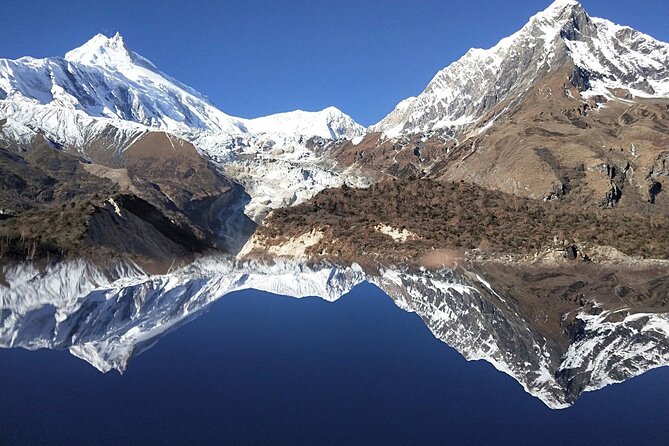
- Manaslu’s quieter feel: you’re in a less commercial zone than the Annapurna/Everest routes.
- Paperwork handled: TIMS card plus trekking permits and national park entry fees are included.
- Real team support: guide plus porters (1 porter for every 2 people), with porter insurance covered.
- Full-board meals on trek: breakfasts, lunches, and dinners are included while you’re hiking.
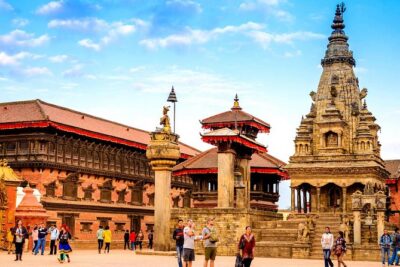
- Balanced Kathmandu start: Pashupatinath, Boudhanath, and Swayambhunath get real time with a guide.
Why the Manaslu Circuit Feels Worth 17 Days
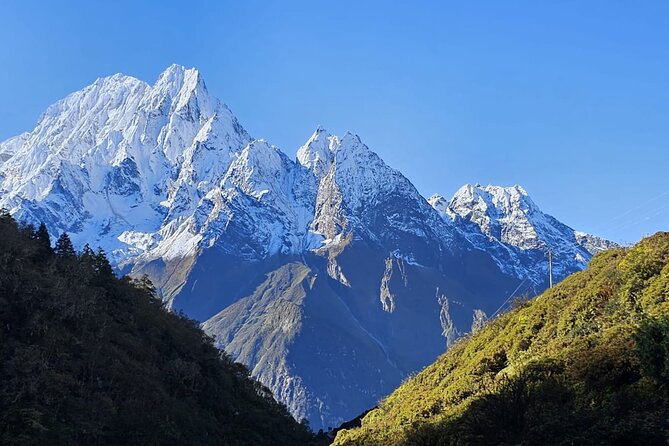
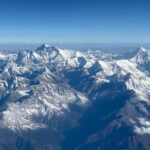
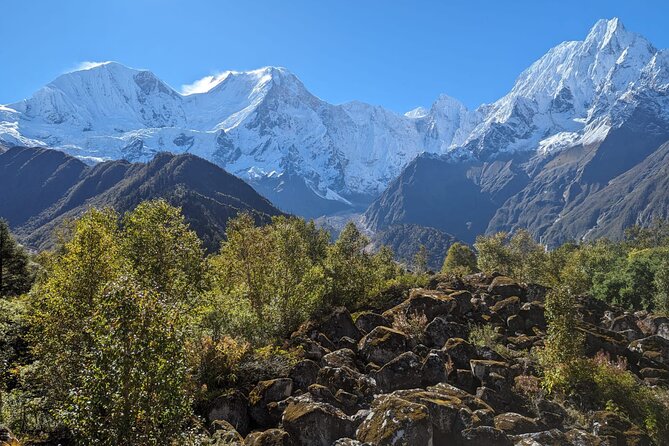
Manaslu sits in that sweet spot where the views are big, but the trail still feels human. The circuit is built around the Manaslu massif and its eighth-highest-peak pull, and the route stays focused on walking through varied terrain rather than just ticking off viewpoints.
What I like about this trek’s pacing is that it isn’t only about the highest point. You get days that move through the Budhi Gandaki area—sal forests, cliff-side paths, waterfalls, rice terraces, and suspension bridges—then you step into higher, more austere country as you approach the pass.
And yes, it’s challenging. But the trek’s challenge is the good kind: steady effort, dramatic payoffs, and a sense that you’re moving through the region instead of passing through it like a bus tour.
You can also read our reviews of more hiking tours in Kathmandu
Price and Logistics: Where the Value Really Shows Up
At $1,900 per person for about 17 days, this isn’t a cheap trip. The upside is that the cost covers the parts that quietly eat budgets on trekking routes: Kathmandu hotel and guiding, plus a full trekking support setup in the mountains.
Here’s where you get value in plain terms:
- Airport pickup and drop in Kathmandu.
- A Kathmandu hotel: three-star deluxe twin share with breakfast.
- Kathmandu sightseeing with a professional city guide (plus a local market visit).
- Meals included during the trek (breakfast, lunch, dinner).
- Permits and TIMS handled for you, plus national park entry fees.
- An experienced guide and porters, with porter insurance included.
- Porter equipment support (including trekking boots and jacket as required).
- A duffel bag and t-shirt included with the package.
- First-aid support via a medical kit box during the trip.
What’s not included matters too: beverages, personal expenses, and tips for guides/porters (accepted in Nepal). Travel insurance is also not included. If you’re the type who needs bottled drinks constantly, or you always want extra paid comforts, you’ll want to budget for that.
Kathmandu Days: Cultural Warm-Up With No Guesswork
Day 1 is built to get you settled fast. You land at Tribhuvan International Airport, meet the representative, transfer to your Kathmandu hotel, and then do a welcome dinner with a trip briefing. It’s a smart start because it helps you understand how the trekking days will feel before you’re standing on narrow trails in mountain air.
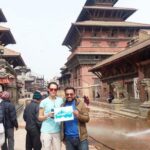
Day 2 is your guided culture sweep, and it’s not random. You visit:
- Pashupatinath Temple, an important pilgrimage site.
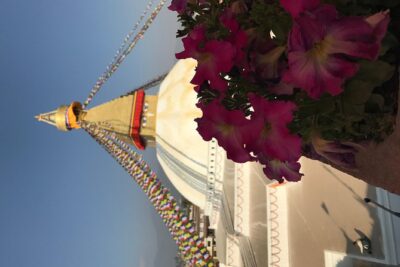
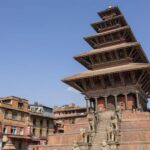
- Boudhanath Stupa, one of the largest stupas and a UNESCO World Heritage site.
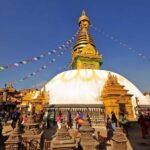
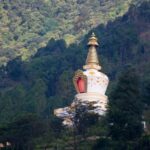
- Swayambhunath (Monkey Temple), with its white stupa and the famous watchful eyes from all sides.
This matters because you’ll be trekking through communities that are shaped by Buddhism and Hinduism. Having a guided day in the valley helps you read what you see later—prayer flags, monastery areas, village rhythms—without needing to be a cultural expert.
Into the Trek: Budhi Gandaki Days and the Rhythm of Moving
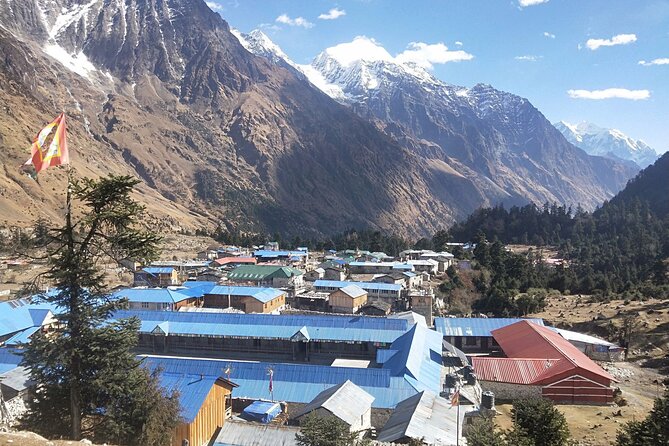
After Kathmandu, your walking life really begins. The early days put you in the Budhi Gandaki corridor, which is great for two reasons: it builds stamina gradually, and it keeps your scenery active instead of repeating the same look for days.
On the way to Machha Khola, you trek through sal forests, cross and follow sections of the river area, and move along ridges above rapids. The trail weaves ups and downs, then tightens into cliff-hugging sections near waterfalls before it opens into rice terrace country and Gurung village life around Labubesi.
By the time you reach Machha Khola, the day’s mix of bridges, rocky trail, and river walking means your legs get real work, but you’re not hit with a single brutal climb. It’s trail training in disguise.
Practical takeaway
Keep your expectations realistic on these early days. You’re not just sightseeing; you’re building the ability to walk all day on uneven ground.
Jagat, Tatopani Hot Springs, and the Trail’s Hard Edges
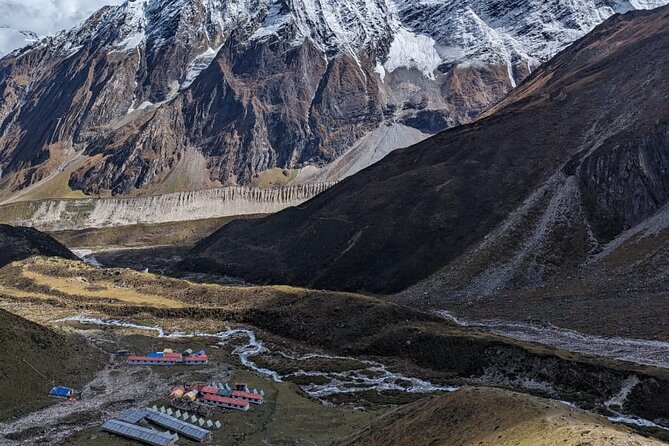
Day 4 continues the river story and adds more variety in terrain. You pass through villages like Jagat and cross multiple bridges while climbing and descending along well-worn sections. There’s also that classic trekking moment: a hot spring stop at Tatopani.
Even if you don’t treat it like a spa day, the hot spring is useful. It’s a mental break after hard walking. It also gives sore legs a chance to recover before the next stretches.
Day 5 adds more change-of-scene energy. You trek toward Salleri, then descend to Sirdibas, cross into a gorge area, and pass through bamboo forests. You also go through more frequent bridge crossings and reach small settlements like Deng.
This is also where you’ll likely feel the trek’s quiet nature. The route includes uninhabited gorge sections and smaller villages, so the “tea house culture” is less like a crowded strip and more like occasional warmth inside a wild place.
Namrung and Ghap: Buddhist-Influenced Country and Big Quiet
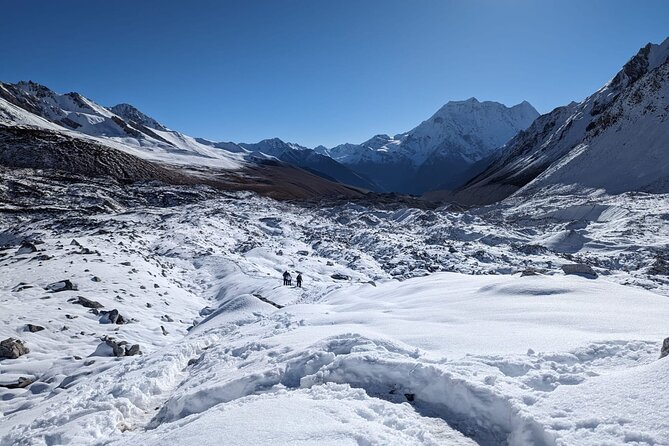
As you move upward (days around Ghap and Namrung), the experience starts to shift from valley walking into a more spiritual, altitude-shaped journey. You’ll spend time in a Buddhist-influenced area, which fits the Manaslu region well and makes the villages feel distinct from the earlier river days.
You pass through bamboo and rhododendron forests to reach Namrung and enter the Nupri region. From there, you’re building toward the higher zones where the air feels thinner and the day length still demands steady pacing.
One of the best parts here is that you’re not rushing. The schedule keeps you moving, but you get time to settle into camps and lodges and let the region slowly change around you.
Samagaun: Peak 29 Views and a Village That Feels Like Home
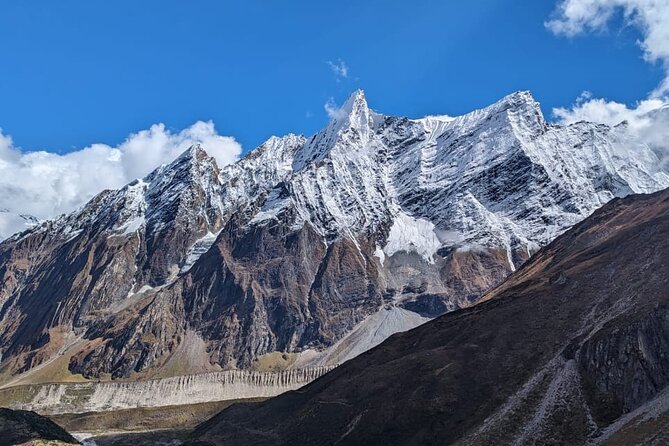
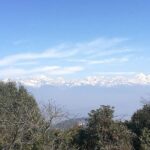
By the time you reach Samagaun, the trek starts showing its “wow” in a more direct way. You follow the river while getting views of Peak 29, then arrive with views of Manaslu itself.
On the next day, you’re not only walking—you explore. You visit the monastery and the village, which is where the Manaslu Circuit becomes more than a photo line. When you see how people live near the mountains and how religious spaces are woven into daily life, the trek feels grounded.
Samagaun is also a good example of why this route is less commercial. You don’t feel like you’re marching through a theme park. Instead, the village rhythm and monastery visits make the day feel human-sized.
Samdo, Then the Larkya Pass Area: The Trek’s Serious Chapter
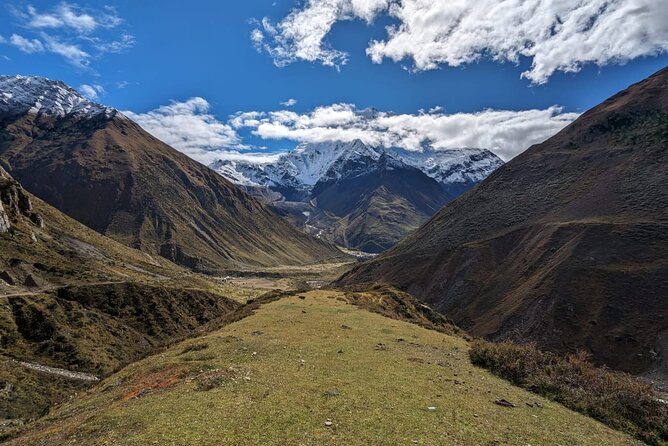
Day 10 follows the Budhi Gandaki up toward Samdo. This section is about progression—your route keeps climbing and you start spending more time in higher country where trails can feel more exposed.
Then comes the pass day build-up. Starting the ascent toward Larkya Bhanjyang, you move through tundra and juniper. Those plants are a clue that you’re leaving the forest comfort behind and entering a more open, colder-feeling zone.
You reach the pass summit area the next day, with panoramic views, then descend to Bimtang. This is the moment where all the earlier days start to make sense: you’ve built the endurance, you’ve practiced the trail rhythm, and now you’re working your way through the high point.
Practical takeaway
Pacing is everything near the pass. If you go out too fast, altitude and long effort will remind you quickly. Slow, steady, and consistent usually wins.
Bimtang Lake Viewpoint, Tilje, and Chamje: A Controlled Descent
After the pass crossing, the trek turns into a long, satisfying descent rhythm. You head through forests toward the Bimtang Lake viewpoint area, then drop down toward Tilje.
The details here matter because “descent” doesn’t always feel easy. Descents can still be hard on knees, and the ground can stay uneven even when the altitude pressure eases.
Day 14 continues to Chamje through scrub forests. By the time you reach Chamje, you’re already thinking about the endgame: the drive back to Kathmandu is coming, and your body starts shifting from trekking mode to recovery mode.
Back to Kathmandu: Rest, Easy Exploration, and a Real Bed
Day 15 is your return drive to Kathmandu through countryside. You get a hotel rest day feel, which is exactly what you want after many days of walking.
Day 16 gives you a full day at leisure in Kathmandu, with an option to explore Thamel. This is a practical design choice. After a hard trek, you need time to eat normally, wash comfortably, and reset your schedule before the final airport day.
Day 17 is final transfer time for departure. It’s straightforward: last shopping or activities, then head to the airport.
Who This Trek Fits Best (and Who Should Think Twice)
This is for you if:
- You have moderate physical fitness and are comfortable with long days.
- You want a challenging trek with a less crowded, more remote feel.
- You like having support handled for you: guide, porters, permits, and meals.
It might not be the right match if:
- You’re looking for a gentle walk with lots of spare time.
- You dislike camp nights or the reality of mountain trekking logistics.
- You’re very sensitive to pace changes—this route keeps moving day after day.
Also, because this is listed as a private tour/activity with only your group participating, it’s a good option if you want a more tailored feel than a huge group trek. Just remember private doesn’t mean easy; it mainly means less crowding and more direct coordination.
How to Think About Packing and Support
This package includes some gear support via the porter equipment and the provided duffel bag and t-shirt. That helps take the edge off what you need to bring.
Still, you should plan as if you’re responsible for your personal comfort items. The trek includes long walking days and a pass area, so practical footwear and layered clothing are key—especially as you move from forest into tundra type country.
One more note: the trip includes a first-aid medical kit box, but that doesn’t replace smart personal preparation. Bring what you need for basics like blisters, water discipline, and day-to-day comfort.
Should You Book This Manaslu Circuit Trek?
I’d say book it if you want Manaslu’s remote character with the logistics handled cleanly. The combination of permits + TIMS, an experienced team (guide and porters with insurance), and full-board meals during the trek is the kind of value that matters when you’re far from help.
I’d hesitate if $1,900 feels tight and you tend to spend a lot on drinks and extras, because beverages and personal costs will add up. I’d also think twice if your fitness is closer to casual vacation walking than trekking.
Overall, this is a strong choice for people who want to earn their views on a real mountain circuit—without spending your trip wrestling documents or figuring out basic logistics.
FAQ
What does the tour include for airport transfers?
Airport pick up and drop are included, and you’ll be transferred between Tribhuvan International Airport and your Kathmandu hotel.
Are permits and trekking paperwork covered?
Yes. The package includes all necessary trekking permits, national park entry fees, and a TIMS card.
What meals are included during the trek?
Breakfast, lunch, and dinner are included while you’re trekking (full-board meals). Beverages are not included.
Is there a guide and porter support?
Yes. You’ll travel with an experienced guide and porters, with a ratio of 1 porter for 2 people. Porter expenses and insurance are included.
What about accommodation in Kathmandu and on the trek?
In Kathmandu, you get three-star deluxe twin share accommodation with breakfast. During the trek, accommodation is provided in teahouses or mountain lodges, and the schedule also includes nights at camp.
Do I need my own travel insurance?
Travel insurance is not included in the package. Tips for guides and porters are also not included (tips are accepted in Nepal).