REVIEW · BHAKTAPUR & PATAN DAY TRIPS
Nagarkot & Bhaktapur Tour with Private Transport
Book on GetYourGuide →Operated by K.J. Adventure Nepal Private Limited · Bookable on GetYourGuide
Kathmandu gets loud fast, but this full day tour gives you two very different sides of the valley. I love the UNESCO sites in Bhaktapur and the Himalayan sunrise/sunset views from Nagarkot. The mix of ancient squares, temples, and hill-station viewpoints makes it feel like you’re going deeper than a simple sightseeing loop. One thing to plan for: entrance fees and a tour guide aren’t included, so you’ll pay extras if you want the full guided experience.
You’ll start in the Kathmandu area and then head north to Nagarkot, a well-known hill station about 32 kilometers from the city at 2,160m. After that, you’ll shift into Bhaktapur, an ancient city on the eastern edge of the Kathmandu Valley that’s often called Nepal’s Cultural Gem. I also like that the drive route isn’t just straight-line transportation; you get glimpses of dense forest and quieter, more remote settlements along the way.
The biggest practical consideration is simply time and timing: since Nagarkot is famous for sunrise and sunset, cloud cover can affect what you see. Also, you’re booking private transport, not a full package guide-and-tickets deal—so budget for entry costs and decide whether you want narration all day.
In This Review
- Key points worth knowing before you go
- Nagarkot and Bhaktapur in One Day: what makes this combo work
- Nagarkot at 2,160m: why the Himalayas look close here
- Bhaktapur UNESCO walk: palaces, temples, monuments, and pagodas
- The private transport advantage from Kathmandu
- Service level you should expect: guide option and on-the-road help
- Price and value: what $45 includes and what you’ll likely add
- What the day feels like: culture, mountains, and quiet Nepal outside Kathmandu
- Who should book this Nagarkot & Bhaktapur private tour
- Should you book the Nagarkot & Bhaktapur Tour with Private Transport?
- FAQ
- Is Bhaktapur part of a UNESCO World Heritage site?
- How far is Nagarkot from Kathmandu?
- What altitude is Nagarkot at?
- What’s included in the price?
- What’s not included?
- What languages are offered?
- Do I need to pay everything upfront?
- What is the cancellation policy?
Key points worth knowing before you go
- Bhaktapur is UNESCO-listed, with palaces, temples, monuments, sculptures, and pagodas to explore
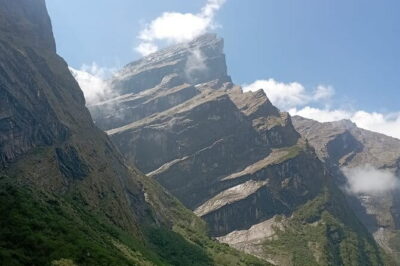
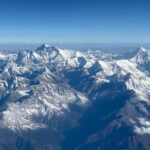
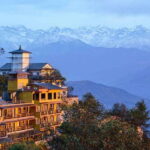
- Nagarkot sits at 2,160m, giving broad views of the rugged Himalayas and Kathmandu Valley scenery
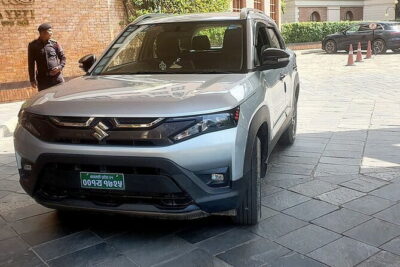
- Private air-conditioned vehicle plus bottled water helps the day feel easier and more flexible
- Expect strong help from the driver-guide, with guides like Kunyun praised for safety and answering questions
- You’ll see the quieter Nepal around Kathmandu, including forest stretches and remote settlement views
- Entrance fees and tour guide are not included, so plan extra spend if you want guided access
Nagarkot and Bhaktapur in One Day: what makes this combo work
This tour works because it solves two common problems in Nepal: you want big nature views, and you also want real cultural depth. Nagarkot gives you the Himalayan drama—often the reason people come—while Bhaktapur rewards you for slowing down and looking closely at carved stone, temple forms, and old city layout.
I also like the pacing idea behind the route. You start from Kathmandu’s intensity, then you move into a calmer, higher viewpoint area, and finally into a heritage city where history is still visible in everyday streets. Even if you’re only there for a day, you get the contrast: mountain air and city craft.
And yes, the “private transport” part matters. You’re not stuck in a slow group shuffle, and you’re not negotiating seats. A day like this is much easier when the vehicle is air-conditioned and you’ve got bottled water already handled.
You can also read our reviews of more private tours in Kathmandu
Nagarkot at 2,160m: why the Himalayas look close here
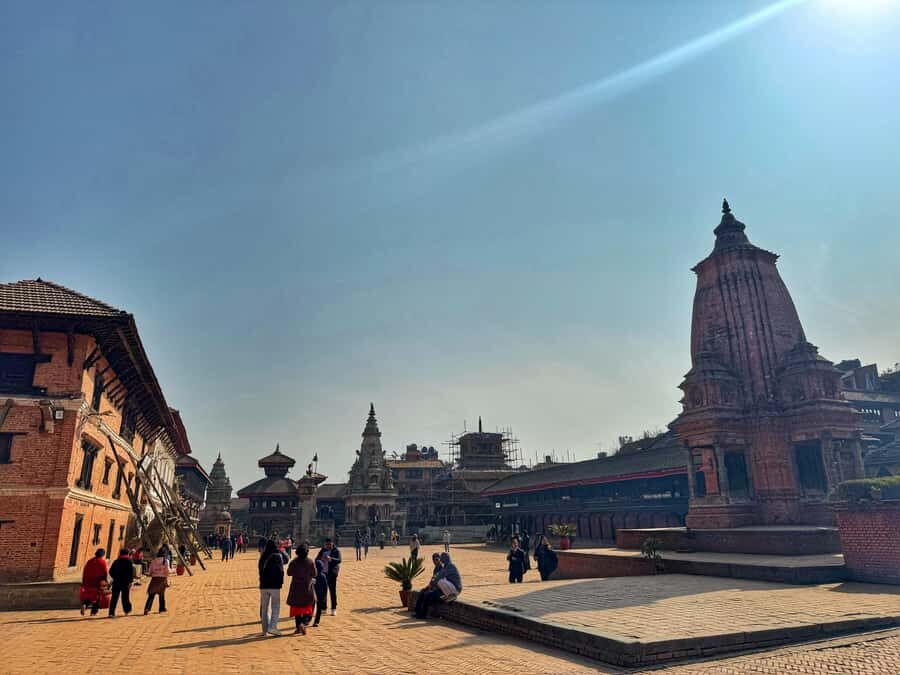
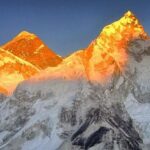
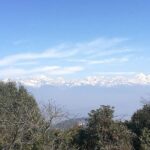
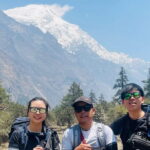
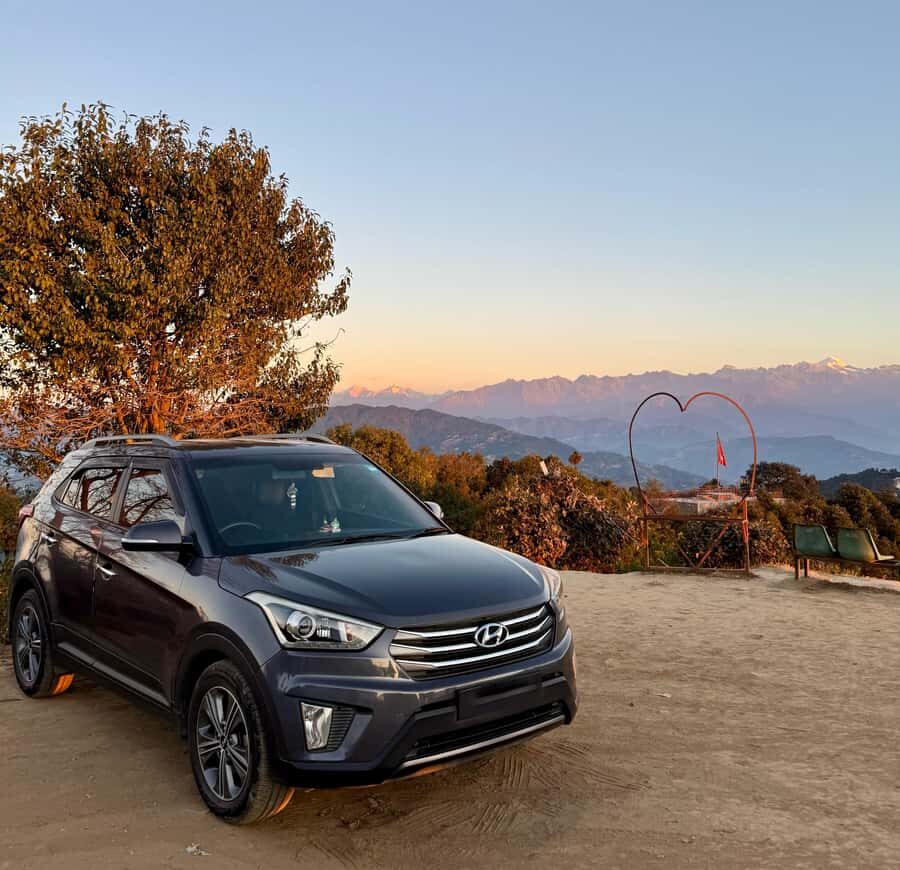
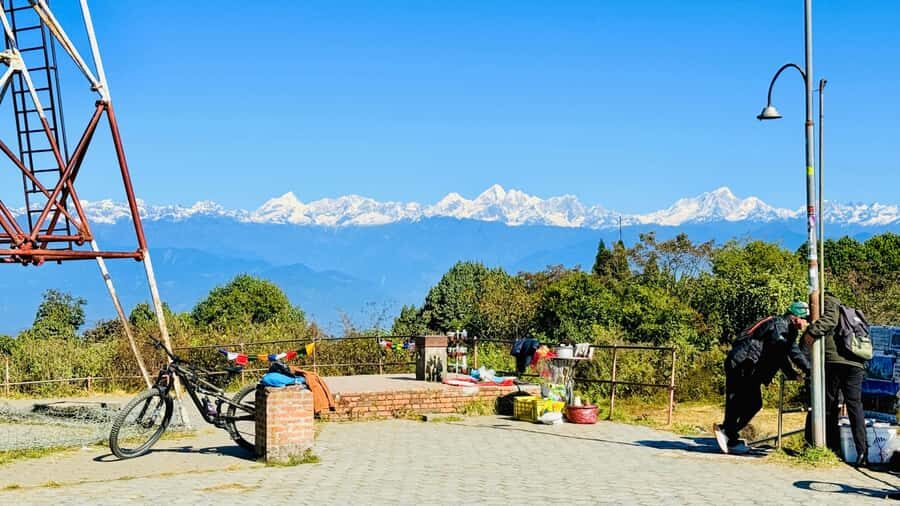
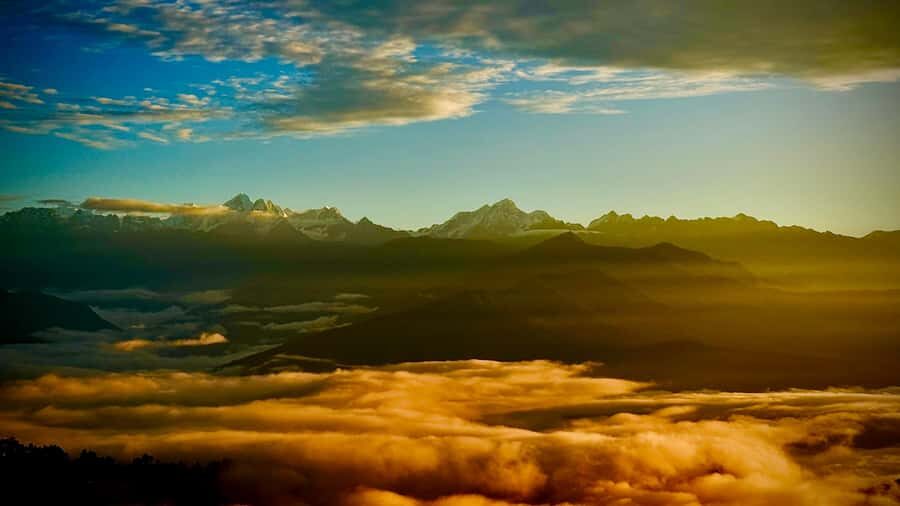
Nagarkot is one of Nepal’s most popular hill stations, and the hype is mostly about one thing: the viewpoint. At 2,160 meters, the air is cooler and the perspective is wider, so you can catch those broad views across the Kathmandu Valley and toward the rugged Himalayan range.
The big attraction is the timing for light. Nagarkot is best known for startling sunrise and sunset views, which means you’re not only sightseeing—you’re watching the sky change. If you’re the kind of person who likes that quiet, waiting-for-the-view feeling, Nagarkot is your kind of place.
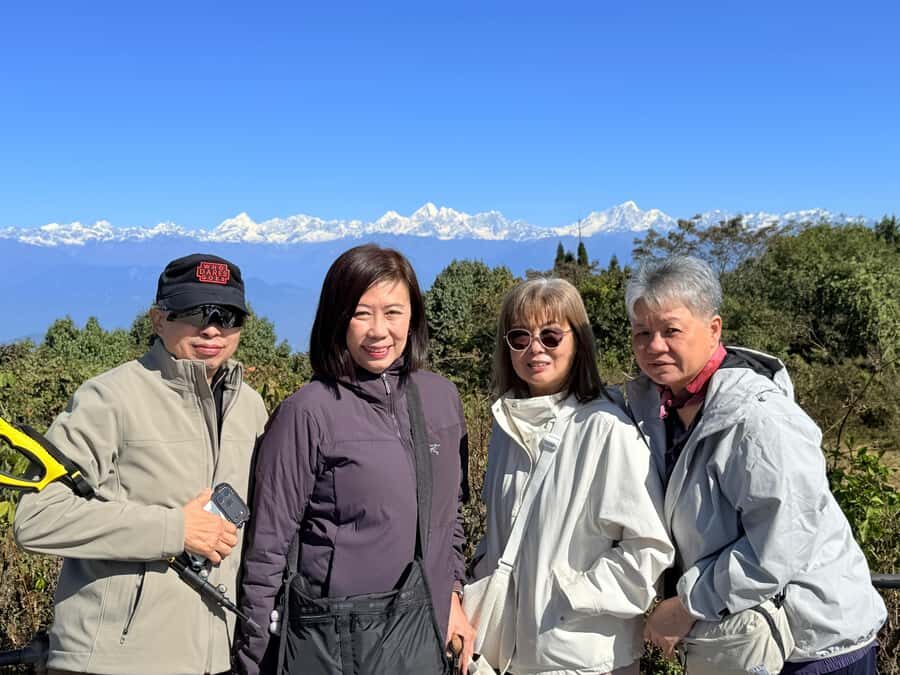
What I find useful as a traveler: treat Nagarkot as a place for watching, not just checking a box. Spend time at the top viewpoint area rather than rushing through photos. When the mountains are clear, the scenery can feel dramatically close compared to what you usually expect from a valley city.
One more practical note: views depend on weather. The route and altitude help, but cloud cover can still soften the sightlines. If you’re going specifically for sunrise or sunset, you’ll want a flexible mindset and a backup plan for what to do if visibility is limited.
Bhaktapur UNESCO walk: palaces, temples, monuments, and pagodas
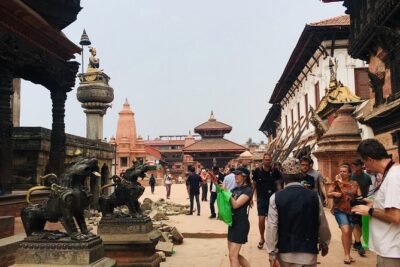
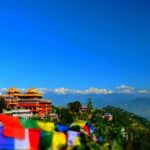
Then you shift into Bhaktapur, an ancient city in the eastern part of the Kathmandu Valley. It’s often described as Nepal’s Cultural Gem, and I understand why: Bhaktapur doesn’t feel like a theme park of old stuff. It feels like a real historic city where architecture and ornamentation are the main event.
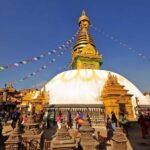
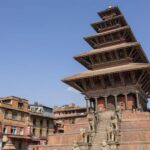
Bhaktapur is a UNESCO World Heritage site, and the UNESCO listing isn’t vague. It points to a dense cluster of ancient palaces, temples, monuments, sculptures, and pagodas. In other words, you’re not visiting one landmark—you’re moving through a whole built environment where religious and civic spaces overlap.
Here’s how this helps you as a traveler: Bhaktapur rewards attention. You’ll get more out of the city if you look at details—doorways, temple shapes, stonework, and the way squares and streets guide your movement. If you like photography, this is also one of those places where you can shoot for hours without the same view twice.
A practical caution: UNESCO areas can also mean crowds at peak times and steady foot traffic through narrow streets. If you’re sensitive to crowds, go at a slower pace and plan for frequent stops so you don’t get rushed.
Also, consider budgeting time for the human side of Bhaktapur. In particular, you can often pair heritage sights with shopping and food stops, which adds a local rhythm to what could otherwise become only a museum-style day.
The private transport advantage from Kathmandu
This is a full-day trip that includes a private air-conditioned vehicle, plus bottled water and all government and local taxes. That combination matters because it reduces the small stress costs that pile up on day trips—things like heating up in transit, not having water ready, or dealing with unclear add-ons.
The route itself is part of the experience. You’ll pass through stretches of dense forest and see remote settlements not far from the busy streets of Kathmandu. That’s not just scenery—it’s a reminder that getting outside the city changes what daily life looks like in Nepal.
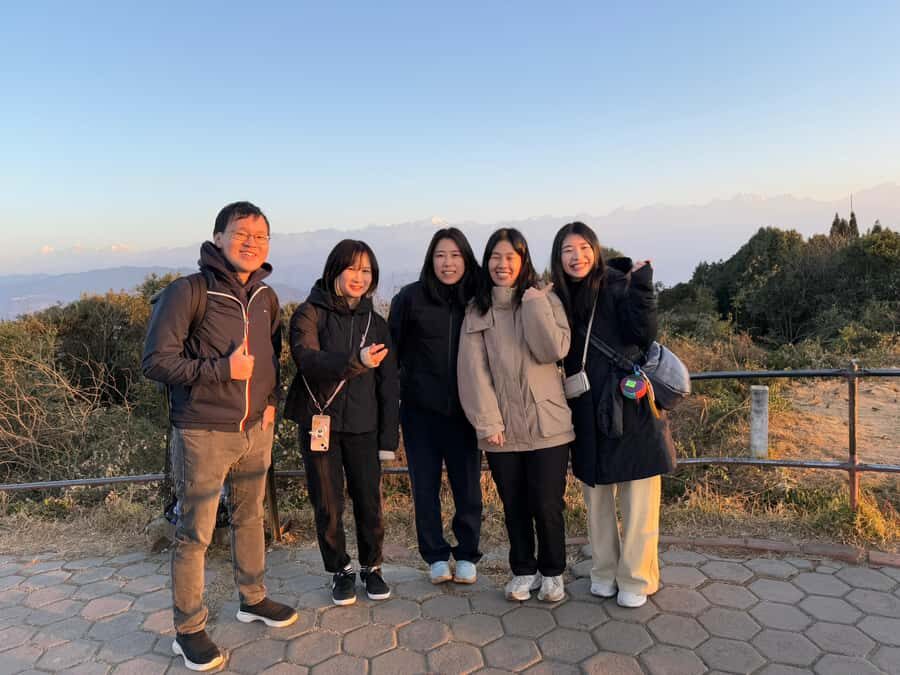
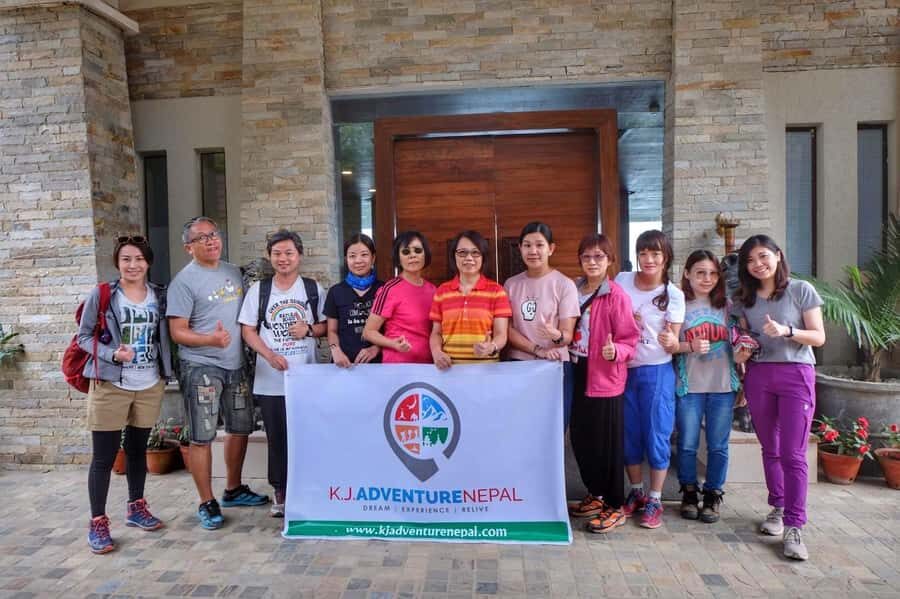
And the private format helps with Q&A. One of the strongest signals from the tour’s service reputation is the quality of the driver-guide relationship. People praise Kunyun as friendly and attentive, a safe driver, and someone who’s happy to answer questions with helpful tips. If you want context—what you’re seeing, why Bhaktapur looks like it does, or how Nagarkot fits into the larger valley—private transport gives you that access.
Service level you should expect: guide option and on-the-road help
A key detail: a tour guide isn’t included. That doesn’t mean you’ll be left totally alone, but it does mean you may want to bring your own plan for interpretation. If you like history, architecture, and explanations, you might end up spending extra for a guide at one or both stops.
That said, many travelers value the human guidance they do receive from the person driving the car. In the feedback you can find common praise for Kunyun’s approach—safe driving, attentiveness, and answering questions in a way that feels practical rather than scripted.
I also like how that kind of service helps with real-time decisions. For example: if you’re trying to catch the best viewing conditions at Nagarkot, it’s useful to have someone who can point you toward what’s most efficient once you arrive. You can keep your day smoother without needing to guess.
So think of this as a transport-forward experience with service-minded guidance. If you want a full commentary tour, you’ll likely want to add a guide, especially inside UNESCO areas where details matter.

Price and value: what $45 includes and what you’ll likely add
The price is $45 per person, and it’s clearly built around getting you there comfortably. What’s included is important: private air-conditioned vehicle, bottled water, and all government and local taxes.
What’s not included is where people often misjudge cost: entrance fees and a tour guide are not included. So the real cost depends on how much you want guided interpretation and which monuments you choose to enter.
Here’s the value angle I’d use to decide:
- If you’re a couple, solo traveler, or small group who wants privacy, $45 can feel reasonable because it pays for the whole vehicle experience.
- If you’re planning to pay for a guide and entrances anyway, you’ll still likely find it fair—just don’t assume the price covers everything on the ground.
- If you’re the kind of traveler who likes to read on your phone and keep moving, you might keep your add-ons smaller.
One more thing: languages listed are English and Hindi. If you prefer English, you’ll be set, and if you’re comfortable switching languages, you may have an easier time asking questions during the drive.
What the day feels like: culture, mountains, and quiet Nepal outside Kathmandu
Put together, you get two moods: the mountain viewpoint calm and the heritage-city texture. Nagarkot’s value is in the “look out and watch” experience. Bhaktapur’s value is in the “slow down and notice” experience.
The in-between is the drive through changing scenery. That stretch of dense forest and remote settlement views can be a highlight for people who don’t only want to jump from one photo stop to another. It’s a gentler way to connect with the region around Kathmandu.
You also get a day trip that fits common travel schedules. You’re not committing to an overnight stay just to see Nagarkot’s signature views. Instead, you can combine the hill station idea with a UNESCO city day, which is a smart way to pack in variety without burning multiple days.
Still, remember it’s a full day. It can be tiring if you try to do everything at maximum speed. I’d treat it like a “high quality highlights” day rather than a marathon.
Who should book this Nagarkot & Bhaktapur private tour
This tour is a good fit if you want:
- UNESCO heritage plus Himalayan viewpoint time in one day
- Private transport for comfort and flexibility
- A service team that’s described as friendly, attentive, and safety-focused, including a driver-guide like Kunyun
- Natural and cultural contrast close to Kathmandu—mountains, forests, and old city monuments
It’s also a good choice if you like the practical travel style: see the important things, get helpful context, and move efficiently between sites.
I’d think twice if you’re the type who needs a fully guided narrative all day and already knows you’ll want deep explanations for every stop. Since a tour guide isn’t included, you may need to add guidance to match your preferred style.
Should you book the Nagarkot & Bhaktapur Tour with Private Transport?
I’d book it if you want a comfortable, privacy-friendly day that pairs the valley’s heritage with one of Nepal’s most famous viewpoints. The included private air-conditioned vehicle and bottled water, plus the fact that taxes are handled, keep the day simpler and easier to trust on the ground.
But make a decision with clear expectations. Check your budget for entrance fees, and decide whether you want to hire a tour guide so you don’t miss the richer context inside UNESCO sites. Also be realistic about mountain viewing: plan for the possibility that visibility isn’t perfect.
If you like your travel days structured but not rigid—good stops, helpful human service, and a chance to see both culture and the Himalayas—this one is a solid pick.
FAQ
Is Bhaktapur part of a UNESCO World Heritage site?
Yes. Bhaktapur is listed as a UNESCO World Heritage site and includes ancient palaces, temples, monuments, sculptures, and pagodas.
How far is Nagarkot from Kathmandu?
Nagarkot is about 32 kilometers north of Kathmandu.
What altitude is Nagarkot at?
Nagarkot sits at an elevation of about 2,160 meters.
What’s included in the price?
The tour includes a private air-conditioned vehicle, bottled water, and all government and local taxes.
What’s not included?
Entrance fees and a tour guide are not included, along with personal expenses and any services not listed as included.
What languages are offered?
The tour is available in English and Hindi.
Do I need to pay everything upfront?
You can use Reserve & Pay Later, meaning you can book your spot and pay nothing today.
What is the cancellation policy?
You can cancel up to 24 hours in advance for a full refund.