REVIEW · HIKING & TREKKING
Upper Mustang Trekking
Book on Viator →Operated by Everest Trekking Routes Pvt. Ltd. · Bookable on Viator
Upper Mustang has a way of speeding up time. One footstep later, you’re walking in a Tibetan Buddhist world shaped by arid valleys, old walls, and small monasteries. What makes this trek especially interesting is the mix of remote trekking and the one big payoff stop at Lo Manthang, the walled city.
I like two things a lot: first, the organization is straightforward, with airport and ground transfers and a clear plan using road plus domestic flights. Second, the route gives you steady variety, from apple-garden days to big viewpoint mornings with far-off Himalayan peaks.
The main drawback to plan for is physical effort. This is a trek with multiple 4–6 hour walking days, and you should arrive with strong fitness and a mindset for windier stretches, plus altitude awareness (even if elevations often stay under 4000m).
In This Review
- Key things that matter before you go
- Upper Mustang in Plain Words: why this trek feels different
- Permits and the passport day: what you need before walking
- Kathmandu to Pokhara to Jomsom: the logistics that actually work
- The trekking route: from Jomsom through Kagbeni toward Lo Manthang
- Lo Manthang day: walled city time, monastery visits, and the king palace
- Dhakmar and Ghami: the gompa-focused middle days
- The big downhill back: Chhusang, Kali Gandaki, and wind planning
- Jomsom finish and the apple reward stops
- Food, lodges, and daily pace: what your 18 days actually feel like
- Cost and value at about $2,400: what you’re really buying
- Who this Upper Mustang trek suits best
- Should you book Upper Mustang Trekking with Everest Trekking Routes?
- FAQ
- What permits are included for Upper Mustang access?
- How do you travel from Kathmandu to start the trek?
- Are meals and lodge stays included?
- Is there airport pickup and drop-off?
- Do you have porter support?
- What is the cancellation window for a full refund?
Key things that matter before you go
- Special Upper Mustang Permit: You’ll handle it early using your passport and Nepal visa, then it’s required for entry for a set window.
- Lo Manthang focus: Days are built around reaching the walled city and taking time for monastery and palace visits.
- Private group + licensed support: A government-licensed guide and a porter system help keep the trip workable.
- Route logistics use both road and air: You’ll fly to Jomsom and back, while buses handle the Kathmandu–Pokhara legs.
- Lodge/tea house nights included: Your nights are taken care of, so packing light and warm-layer planning matters more.
Upper Mustang in Plain Words: why this trek feels different
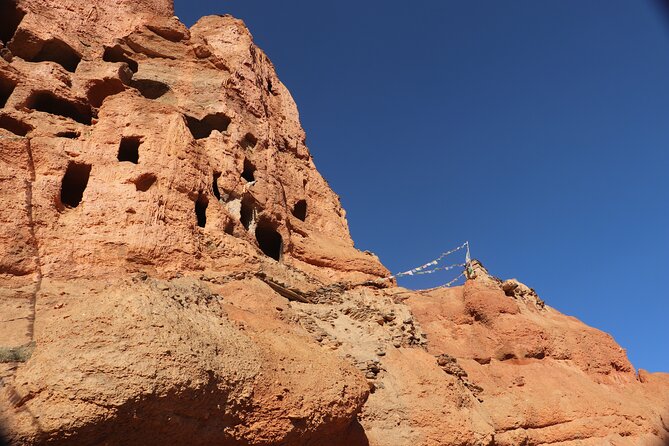
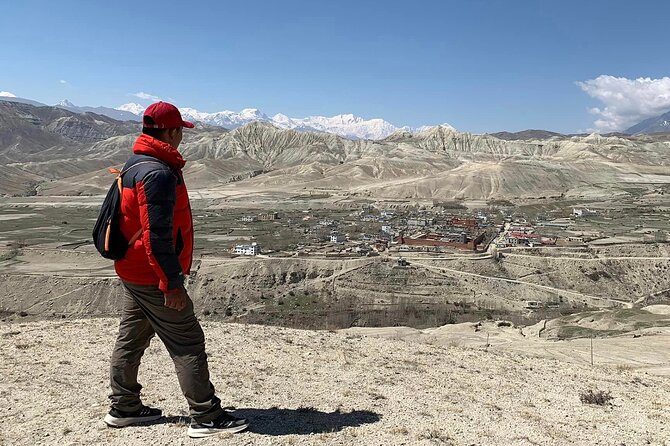
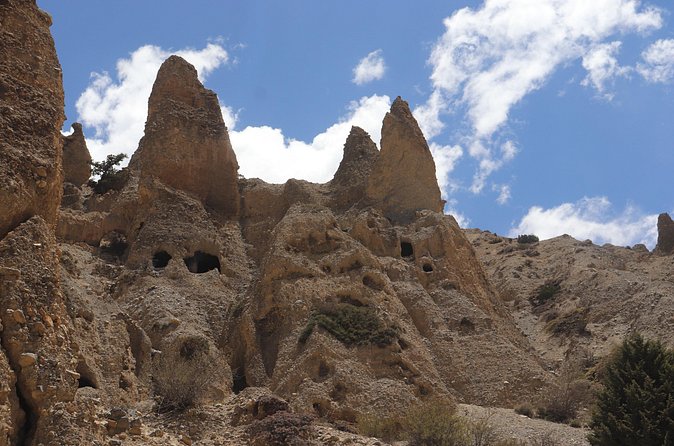
Upper Mustang sits in the rain-shadow zone of Nepal’s Himalaya, so the trekking feels like you’re walking through dry history. You’re not chasing the kind of greenery that screams for attention. Instead, you’re watching how people live in a high, dry region—stone villages, wind shapes, dusty trails, and Buddhist sites that look old because they are.
Two ideas make this trek stand out for me: it’s less crowded than the classic Everest or Annapurna circuits, and it’s culturally focused. You’ll see monasteries, gompas, and painted village details in the Lo Manthang area, where Tibetan Buddhist influence is a daily part of life rather than a single photo stop.
You’ll also get a satisfying rhythm. Some days are steady climbs, some are long descents, and some are easier walking. It’s not a grind-only trek. It’s a “walk and look” trek, with moments where you simply pause and let the views and the village textures land.
You can also read our reviews of more hiking tours in Kathmandu
Permits and the passport day: what you need before walking
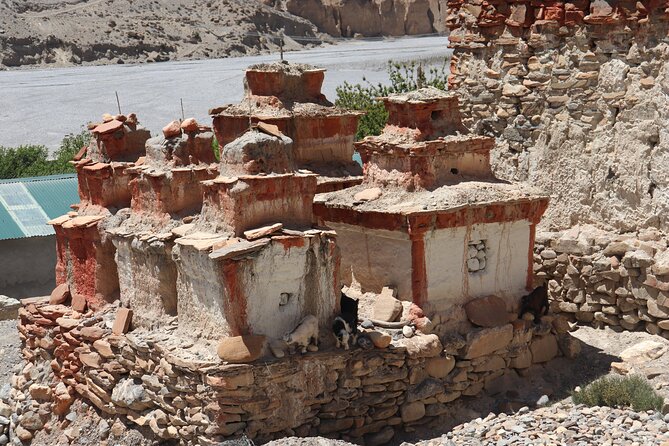
Upper Mustang is not one of those “show up and go” treks. The big practical hurdle is permission. You’ll handle both:
- ACAP (Annapurna Conservation Area Project) trekking permit
- Special Upper Mustang Permit: listed as USD 500 per person for 10 days
Plan for a day devoted to paperwork and permit processing. The trip notes that if you’re interested after breakfast, you can visit sightseeing points in Kathmandu and then get the Upper Mustang special permit using your original passport with a Nepal visa. That’s important: don’t assume you can swap documents later.
My advice is simple: keep a folder with your passport, visa copy, and any required photos or forms the agency asks for. If anything is missing, it can cost you time. Upper Mustang trips tend to be well-managed, but permits still need your documents to match exactly.
Kathmandu to Pokhara to Jomsom: the logistics that actually work
Most treks have a “how do we get there” problem. This one uses a familiar Nepal mix: road to get you close, then a flight to start the trekking region.
In Kathmandu, you stay three nights in a 3-star hotel with breakfast, with transfers arranged. Then you move toward Pokhara by tourist bus, and the travel time is roughly 7 hours on the return leg.
From there the trekking gets altitude-aware. You take a domestic flight to Jomsom (at 2715 meters), then start walking toward the first village stop. Using the flight is a big value point here. You still trek enough to feel you earned it, but you’re not wasting days only to gain height.
When you’re coming back, the plan uses Jomsom to Pokhara by domestic air (listed as about 25 minutes) and then the bus to Kathmandu. That’s the kind of schedule that helps you keep your energy for the days that matter most: Lo Manthang and the return treks through villages.
The trekking route: from Jomsom through Kagbeni toward Lo Manthang
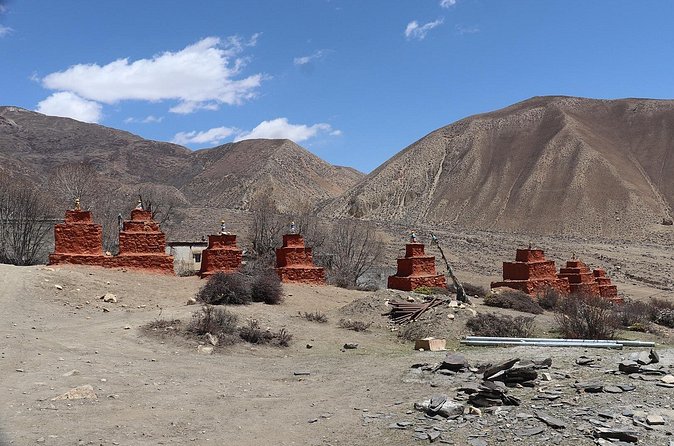
The walking starts with a classic Mustang move: fly in, then go downhill-then-up through the dry valleys.
Day 4 is a flight to Jomsom followed by a trek to Kagbeni (about 4–5 hours). Expect strong Himalayan visibility on clear days, and a feel for the Lower Mustang route, which is often associated with Jomsom–Muktinath-style trekking.
Day 5 continues by moving toward Chhusang. The route explicitly notes a descent to Kagbeni first, then the entry processing happens because Kagbeni is the main entry gate to the restricted area. This is where the “permit reality” turns into the “walking reality.” If you want the best experience, give yourself time during checks. Wind and dust can make delays feel longer, so don’t rush.
Day 6 takes you from Chhusang to Somare, and the day includes a big climb toward Syangboche (aim for about 5–6 hours). The notes call out flat-to-slightly-step trails at times, then a climb. It also mentions passing an apple garden, which is a nice contrast to the dusty, stony stretches.
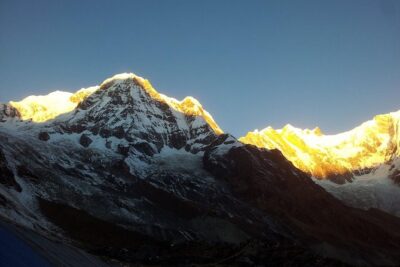
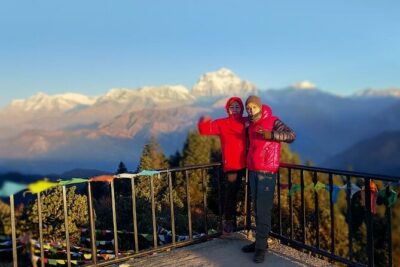
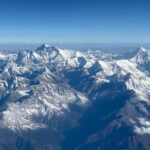
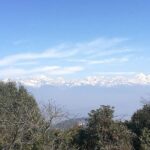
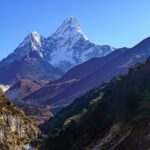
Day 7 is a climb to Syangboche, described as mostly uphill. The reward is the wide view of major peaks—specifically Dhaulagiri (8167m) and Annapurna (8097m). I love days like this because they’re not just “walk forward.” They’re built around a payoff moment when your body works and your eyes rest.
Day 8 is a long cultural-meets-view day. You’ll follow the route toward Lo Manthang, with Ghiling village and old monasteries mentioned, then continue on to Tsarang. This part matters because it’s where the trek stops feeling like just travel and starts feeling like a slow approach to a living heritage area.
Day 9 brings the final approach: trekking to Lo Manthang (about 5–6 hours), passing rivers and bridges and moving through what’s described as a deserted-feeling scenery section. Deserted in the best way—quiet, dry, and oddly cinematic.
Lo Manthang day: walled city time, monastery visits, and the king palace
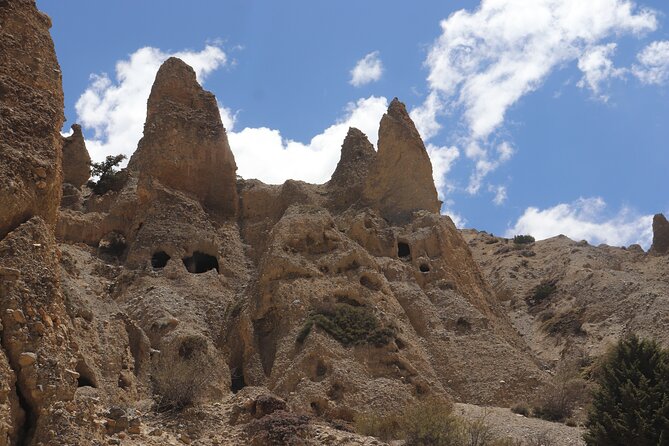
The day you reach Lo Manthang is not just a check-in and dinner. You get a full day to explore, and the plan includes key sights:
- Monastery visits
- The King Palace
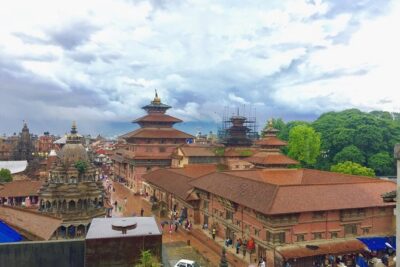
Lo Manthang is described as the Himalayan kingdom of Nepal, with colorful village details and decoration patterns tied to the region. The value here is time. In many places, you get ten minutes and a photo. Here, the route gives you enough hours to move at human speed—watching how people use doorways, courtyards, and stairways through the day.
I’d also treat this as your “slow day.” Even if you’re energized from the trek, walking inside a walled city in thin air still costs energy. Take breaks. Drink water. Watch the light shift as the day warms up.
Dhakmar and Ghami: the gompa-focused middle days
After Lo Manthang, the route keeps the spiritual geography going.
Day 11 heads to Dhakmar, with the beginning part described as uphill toward a gompa. The notes highlight that you’ll learn about gompas and their history along the way. This is where a good guide earns their salary—not by talking non-stop, but by pointing out what you might otherwise miss when your eyes are only chasing distance.
Day 12 takes you from Dhakmar to Ghami. Ghami is described as the biggest village and having a monastery, plus a note about farm products by a foreigner and nice apple gardens. That’s a practical detail worth remembering: Mustang farming exists in a dry climate, and you’ll see how locals keep food growing where water is precious.
Then your pace shifts again for the return.
The big downhill back: Chhusang, Kali Gandaki, and wind planning
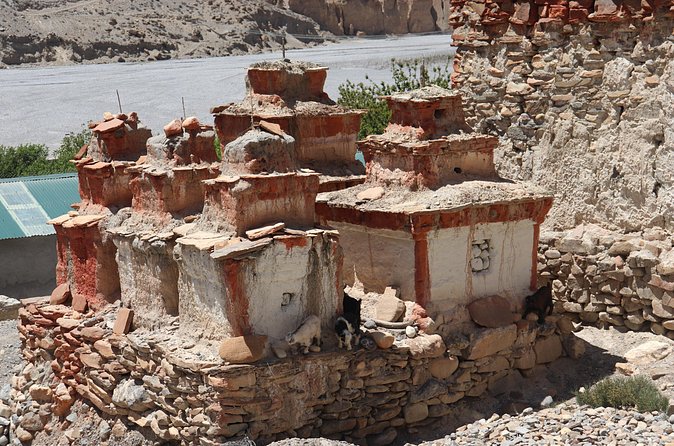
Day 13 moves from Syangboche to Chhusang (noted as a big downhill), passing smaller villages such as Samar, Bhena, and Chele. The route mentions a drop of about a thousand meters down to the Kali Gandaki River.
Downhill days are great for views, but they can be tough on knees and feet. If you want your next days to feel good, bring good trekking shoes and plan for shorter stride length. You’ll also notice the shift in air movement: the description calls out more windy conditions near the Kali Gandaki valley boundary.
Day 14 is Chhusang to Kagbeni and includes a timing warning: leave a bit early because after 12:00 PM there can be strong wind until Kagbeni. That kind of detail is the difference between enjoying the day and feeling like you’re fighting weather.
Jomsom finish and the apple reward stops
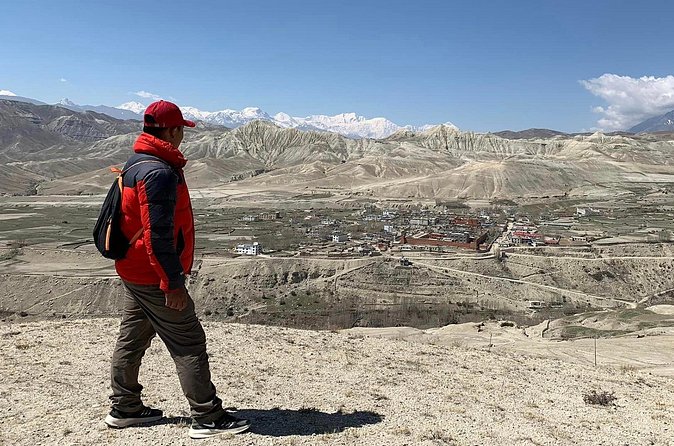
When you reach the final trekking stretch, the tone becomes lighter.
Day 15 is trek to Jomsom described as easy and short. You’ll also check your flight schedule for the next day, and there’s a small but memorable cultural shopping moment: visiting Jomsom city to buy apple brandy and other items from apple makers.
That apple detail might sound small, but it’s a real travel texture. Mustang isn’t just rock and monasteries. It also has local products that make the end of the trek feel like a place, not a route.
Day 16 then depends on flight timing. Either you can eat breakfast in Jomsom or you leave early to report to the airport and wait. You fly to Pokhara (again noted as about 25 minutes), and you’ll transfer to your hotel while leaving your backpack.
Day 17 brings the long road day: a short drive to the Pokhara bus park and the 7-hour tourist bus ride back to Kathmandu. Then Day 18 is simply the airport drop for your final departure from TIA.
Food, lodges, and daily pace: what your 18 days actually feel like
The included meals are clear:
- 16 lunches and dinners
- Breakfast (17)
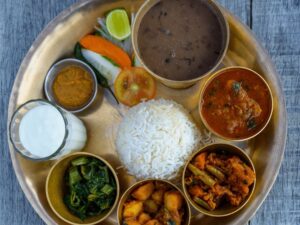
Meals matter because this trek runs through small settlements where you’ll want consistent, predictable food at the end of each day. With lunch and dinner included on most days, you’re not constantly negotiating menus while you’re tired.
Accommodation during the trek is included as lodge/tea house stays. That usually means simple rooms and practical sleeping arrangements. If you’re the type who wants comfort at any cost, this is where you should adjust expectations. If you’re the type who travels well with basic comfort, you’ll like it.
Pace-wise, the trek includes days around 4–6 hours, including the more demanding climbs toward Syangboche and the route segments around Lo Manthang. You can also read the itinerary like this: climbs for payoff views, monastery-rich sections when you want meaning, and downhill days where your legs need care.
Also remember: the trip notes travelers should have a strong physical fitness level. That doesn’t mean you need to be an athlete, but it does mean you should show up ready to walk daily.
Cost and value at about $2,400: what you’re really buying
At USD 2,400 per person, this trek sits in the premium category. The value isn’t just “a guide and beds.” You’re paying for permissions, logistics, and the kind of support that makes a restricted trek possible.
Here’s what’s included:
- Private transfers (airport/hotel/airport by private vehicle)
- 3 nights Kathmandu hotel with breakfast
- 2 nights Pokhara hotel with breakfast
- Kathmandu–Pokhara and return by tourist bus
- Jomsom–Pokhara by domestic air ticket (and the initial Pokhara-to-trekking access)
- Trekking guide (government licensed)
- Porter support: 1 porter for 2 people
- ACAP trekking permit
- Special Upper Mustang permit: USD 500 per person for 10 days
- All accommodations in lodge/tea houses during the trek
- All government taxes and service charges
- Breakfast daily, plus lunch and dinner on most trekking days
Not included:
- personal expenses
- tips for guide/porters/drivers
- any extra hotel nights
So is it worth it? For Upper Mustang specifically, yes—because permits and logistics are not optional. If you try to DIY this without a local organizer, you still need the right paperwork and the right transport timing. This package converts a complex trip into one plan.
If you care about value, do two things: factor in that permit cost, and also factor in that domestic flights reduce the “get there” burden. That’s money spent on making the trek work, not just making it fancy.
Who this Upper Mustang trek suits best
This trek is ideal if you want:
- A culturally focused route with monastery visits and time inside Lo Manthang
- A trekking experience that’s not strictly about pushing altitude to extremes
- Days that are manageable if you’re fit, with mix of climbs and calmer segments
- A guided setup that feels friendly and organized
The route includes some altitude reference points, including Jomsom at 2715m, and one common experience with this trek is that the big climbs to extreme heights aren’t the focus. The itinerary’s design suggests a trekking target that’s challenging but not “death march” style.
Who should reconsider? If you have knee issues and dislike downhill days, you’ll want to be cautious. If you hate wind and long transfers, note the itinerary’s wind-warning day toward Kagbeni. And if your fitness isn’t strong enough for multi-day walking, this isn’t the right place to test your limits.
Should you book Upper Mustang Trekking with Everest Trekking Routes?
If your dream is to reach Lo Manthang with enough time to actually explore it, and you want a route that balances trekking with real heritage stops, I think this is a strong choice.
Book it if you:
- want permit support handled for you
- appreciate a guided plan with a licensed guide and porter help
- like a quieter trekking vibe that stays away from big crowds
Hold off if you:
- need fully cushioned comfort every night (lodge/tea house stays are included, not luxury)
- can’t handle daily walking of several hours with climbs and descents
If you decide to go, pack for dust and for weather shifts, and bring trekking poles if your knees benefit. Then do the one smart thing: slow down inside Lo Manthang. That’s the day you’ll remember long after the flight times blur.
FAQ
What permits are included for Upper Mustang access?
The trek includes both an ACAP permit for the Annapurna Conservation Area and a Special Upper Mustang Permit listed as USD 500 per person for 10 days.
How do you travel from Kathmandu to start the trek?
You stay in Kathmandu first, then travel to Pokhara by tourist bus. From Pokhara you use a domestic flight to Jomsom to start the trekking route.
Are meals and lodge stays included?
Yes. The package includes 16 lunches and dinners and 17 breakfasts, plus accommodation in lodge/tea houses during the trek.
Is there airport pickup and drop-off?
Yes. Airport / Hotel / Airport pick up and Drop by private car/van/bus is included, including arrival in Kathmandu and departure at TIA.
Do you have porter support?
Yes. The trek includes porter support with a ratio of 1 porter for 2 people, along with a government licensed trekking guide.
What is the cancellation window for a full refund?
You can cancel up to 6 days in advance for a full refund, based on the experience’s local time.