REVIEW · HISTORICAL TOURS
Kathmandu Cultural Tour – Kathmandu Valley Sightseeing Tour
Book on Viator →Operated by Adventure Vision Treks and Travels · Bookable on Viator
Temples here teach fast. This private Kathmandu Valley sightseeing tour strings together Hindu and Buddhist landmarks in a tight 5 to 6 hour window, with a guide to explain what you’re seeing. I especially like that you cover four UNESCO World Heritage Sites in one go, so your day doesn’t turn into guesswork.
I also like the contrast between stops: the hilltop calm of Swayambhunath versus the Tibetan-style atmosphere at Boudhanath. One drawback to plan for is that entry fees are not included, and a couple sites can feel intense depending on what you choose to watch.
In This Review
- Key Things That Make This Tour Worth Your Time
- A 5-to-6 Hour Kathmandu Valley Checklist With Real Explanations
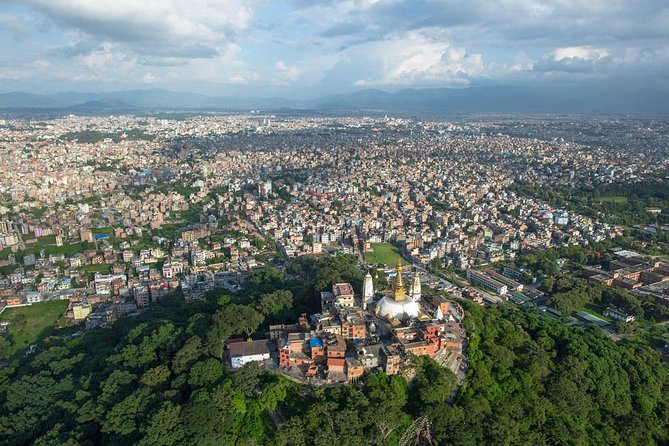
- Swayambhunath Monkey Temple: Hilltop Views and a Living Spirit
- Boudhanath Stupa in Little Tibet: Prayer Wheels and Monastery Life
- Pashupatinath on the Bagmati River: Sacred Meaning and a Real-Life Ritual
- Patan Durbar Square in Lalitpur: 17th-Century Architecture and a Slower Finish
- Price, Inclusions, and Where the Extra Costs Come In
- Pacing Tips: Walking, Comfort, and What to Decide at Pashupatinath
- Who This Tour Fits Best (and Who Might Want Something Else)
- Should You Book This Kathmandu Valley Cultural Tour?
- FAQ
- How long is the Kathmandu Valley sightseeing tour?
- Is hotel pickup and drop-off included?
- What UNESCO World Heritage sites are visited?
- Are entry fees included?
- Do I get a private guide and vehicle?
- What’s included in the price besides transportation?
- What if the weather is poor?
- What is the cancellation policy?
Key Things That Make This Tour Worth Your Time
- Four UNESCO World Heritage Sites in one half-day circuit
- Private vehicle + hotel pickup/drop-off so you’re not hopping between plans
- A guide who connects the dots between Hindu and Buddhist meaning
- Swayambhunath’s Monkey Temple with hilltop views and a short climb
- Boudhanath’s Tibetan Buddhism setting with prayer wheels and monastic chants
- Pashupatinath’s Bagmati River ceremonies where your comfort level matters
A 5-to-6 Hour Kathmandu Valley Checklist With Real Explanations
If you’re new to Kathmandu and short on time, this tour is built like a practical checklist: pick up, ride, visit major sights, and return. The key value is not just the list of temples. It’s having someone help you read the place while you’re there, so the carvings, rituals, and layouts start making sense instead of feeling like random stones.
This is also set up as a private tour, meaning it’s only your group. That matters in Kathmandu Valley, where timing and traffic can turn a simple outing into a long day. You’ll have a private vehicle and a driver/guide, plus bottled water, which keeps the pacing realistic for a half-day schedule.
The tour is priced at $78 per person, and for a private vehicle plus guidance across four UNESCO sites, it can feel like good value. But the math only works if you plan for the extra costs that aren’t included, especially entry fees at World Heritage sites.
You can also read our reviews of more historical tours in Kathmandu

Swayambhunath Monkey Temple: Hilltop Views and a Living Spirit
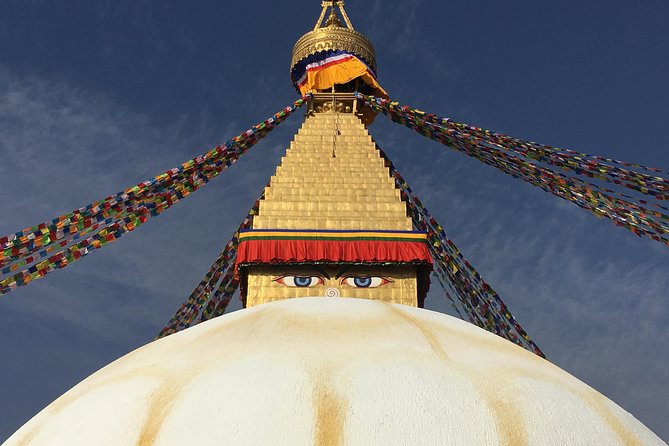
Swayambhunath is one of those Kathmandu sights that hits both your eyes and your curiosity. You’ll walk about 5 minutes up a hill to reach the summit area, and the payoff is a panoramic view of Kathmandu city. The stupa complex is an ancient Buddhist site with many shrines and temples around it, so you’re not just looking at one monument. You’re moving through a whole spiritual zone.
What I like here is the way it feels alive without being chaotic. You’ll hear and see small daily moments tied to the worship space—plus the famous “Monkey Temple” element. The monkeys are part of the mythology and part of the atmosphere, and the site’s personality comes through quickly once you’re up there.
Practical consideration: you’re still doing a hilltop walk as part of the experience, and the route can be busy around peak hours. If you’re hoping for quiet photos, aim for a time of day when you’re less likely to feel squeezed.
And one more thing: admission for this stop is not included, so plan to handle site entry yourself.
Boudhanath Stupa in Little Tibet: Prayer Wheels and Monastery Life
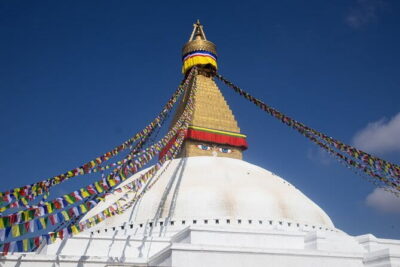
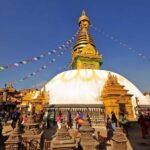
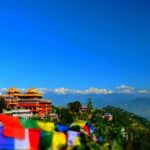
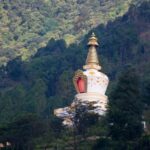
From Swayambhunath’s hilltop energy, Boudhanath feels like a change of pace. The Boudhanath Stupa complex is known as the largest Tibetan stupa in the world, and it functions as a major center for Tibetan Buddhism. Here, you get a different kind of sacred atmosphere—more steady, more ritual-focused.
You’ll see and hear the rhythmic spinning of prayer wheels and the flow of monastic chants. Even if you don’t know a single Tibetan term, the structure of worship is easy to notice: movement around the stupa, repeated actions, and a feeling that people are keeping time together. For many first-time visitors, this stop is the one that helps them understand how Buddhism can feel both public and calm.
It’s also a smart pairing with Swayambhunath. The two stupas tell different stories—one tied to a hilltop view and older local mythology, the other tied to Tibetan spiritual practice. Together, they give you a quick but real picture of Kathmandu’s religious mix.
Again, entry fees aren’t included for Boudhanath, so expect to budget for it. And since the experience relies on people doing daily worship practices, your comfort depends partly on crowds and timing, which can shift hour to hour.
Pashupatinath on the Bagmati River: Sacred Meaning and a Real-Life Ritual
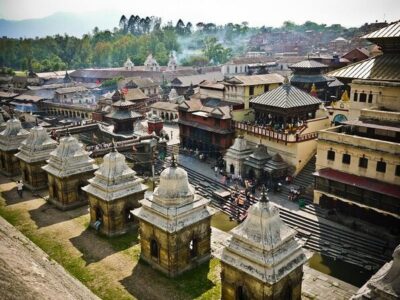
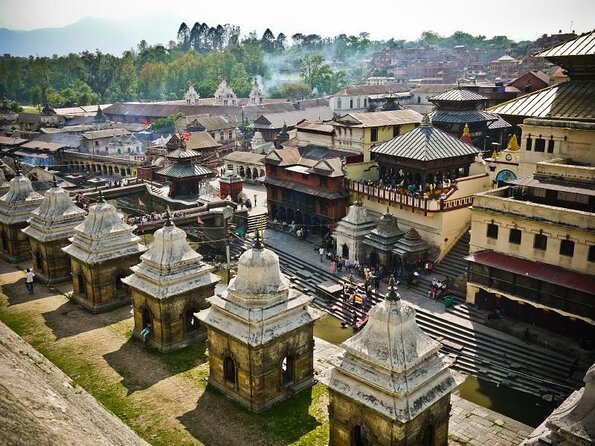
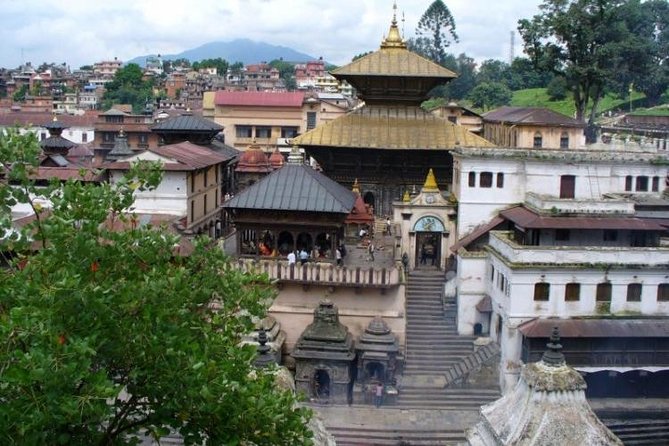
Pashupatinath Temple is a UNESCO World Heritage Site and one of the most significant Hindu places in Kathmandu. This stop is famous for its cremation rituals, which take place openly along the Bagmati River. That fact is the reason the visit can be moving for one person and overwhelming for another.
Here’s the part I think you should take seriously: you can choose whether to observe. If you’re the kind of traveler who likes to understand culture through what you see and hear, you may find this visit one of Nepal’s most thought-provoking experiences. If you’re sensitive to intense imagery, you may want to step back and focus on the temple area and religious context rather than close viewing of ceremonies.
A good guide makes a difference at Pashupatinath because timing and navigation can be tricky. If your plan is to avoid the most intense parts, you’ll want clear guidance so you don’t feel stuck or surprised.
Admission is not included here either, so budget for entry. And since this stop sits beside a river environment, weather and crowd conditions can also affect your comfort level. Build in patience and keep your expectations grounded.
Patan Durbar Square in Lalitpur: 17th-Century Architecture and a Slower Finish
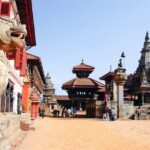
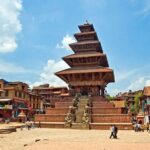
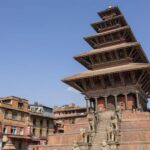
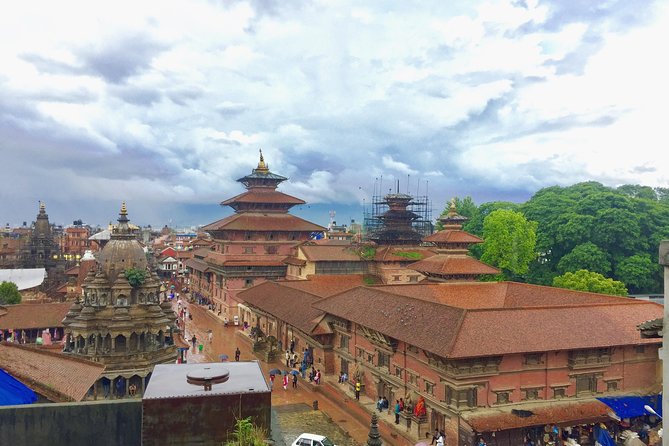
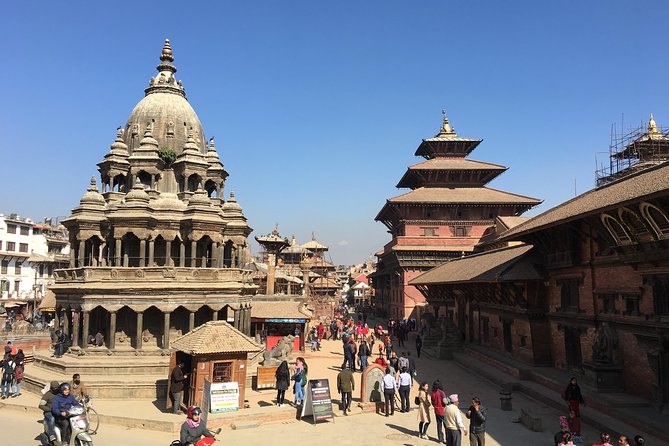
After the intensity of the river ceremonies, Patan Durbar Square offers a calmer ending. You’ll travel to Patan (Lalitpur) and visit one of the Kathmandu Valley’s historic royal squares. This area is known for stunning 17th-century architecture, and you can also use the museum space to connect the buildings to the people who lived around them.
What I like about placing Patan at the end is that it works like a decompression zone. Instead of trying to process intense ritual after intense ritual, you get time for a leisurely stroll and a slower pace. The square can be a great place to just watch life move and admire craftsmanship without feeling rushed.
There’s also a practical bonus: Patan is a comfortable spot to plan an easy break. The tour suggests grabbing authentic Patan tea, and I agree with that logic. When you’ve spent most of the day walking between sacred sites, a warm drink is a small but real morale boost.
Admission for Patan Durbar Square is not included, so you’ll still be paying entry fees on your own. But compared to the intense parts of the circuit, this final stop tends to feel more controllable: if you want photos, you’ll have room. If you want quiet, you can find it.

Price, Inclusions, and Where the Extra Costs Come In
The tour price is $78 per person. What you get for that money is the big stuff: hotel pickup and drop-off, a private vehicle, and a driver/guide, plus a bottle of water. Those items matter because they remove the hassle of coordinating transport across multiple UNESCO sites.
The main extra cost is spelled out clearly: entry fees to World Heritage sites are not included. In practical terms, that means your final total will depend on the fees at each stop, and you’ll need to pay them yourself at the sites.
You should also note that the tour uses a mobile ticket, and it offers group discounts. If you’re traveling with friends or family, combining people can improve the overall value. This tour is also described as allowing service animals, and it’s near public transportation—helpful if you’re thinking about where to meet up or how to move around the area before pickup.
One more “value” detail: the itinerary is short enough that comfort matters. If you know you get tired quickly, the private vehicle and guided pacing help. If you’re expecting hours of free time to wander every corner, this isn’t designed for that kind of slow, independent exploring. It’s built for efficient sight coverage with interpretation.
Pacing Tips: Walking, Comfort, and What to Decide at Pashupatinath
This tour runs about 5 to 6 hours, which is ideal for a first day in Kathmandu Valley. But it still includes multiple major sites, and at least one stop involves a walk up a hill. For Swayambhunath, you should expect that short 5-minute climb as part of the experience.
The bigger pacing question is not the walking. It’s attention. You’ll be switching between different religious spaces and different emotional tones. Swayambhunath and Boudhanath are often more about atmosphere, ritual, and symbolism. Pashupatinath is about sacred life cycles and open ceremonies along the river. Patan is about architecture and cultural continuity.
At Pashupatinath, decide in advance how you want to handle it. You can tell your guide what feels okay for you, and you can keep your distance from the most intense parts if you need to. Having that choice removes a lot of stress. It also helps you leave with understanding rather than a day of discomfort.
Who This Tour Fits Best (and Who Might Want Something Else)
This Kathmandu Cultural Tour is a great fit if you want a fast, structured overview of the valley’s big religious sites. It’s also a solid match for first-time visitors who don’t want to plan a whole day of logistics and route decisions.
It’s especially useful if you like the idea of learning meaning behind what you’re seeing. A guide turns temples into context: what the stupa represents, why the ceremonies happen, and why different sites feel different even within the same city.
It may not be ideal if you’re the type who wants lots of unstructured wandering or deep museum time. Also, if you know you dislike intense rituals or scenes, you’ll want to plan how you’ll approach Pashupatinath. The tour’s open-ceremony nature means the visit can be powerful either way.
Finally, private tours depend heavily on execution. One misstep—like feeling you’re left to figure things out alone—can cut the value fast, because the tour is priced for guided interpretation. Before you start, ask your guide to confirm the plan and that they’ll be explaining each stop, not just driving.
Should You Book This Kathmandu Valley Cultural Tour?
I’d book this tour if you want four UNESCO sites in one day and you’re happy to follow a guided pace that’s built for first-time visitors. The biggest strength is the itinerary logic: Swayambhunath for hilltop Buddhist atmosphere, Boudhanath for Tibetan practice, Pashupatinath for Hindu sacred life cycles, then Patan for architecture and a calmer finish.
I wouldn’t book it if you’re looking for lots of free time, or if you strongly want to avoid the possibility of intense viewing at Pashupatinath. Also, double-check your budget for the World Heritage entry fees, since those are the main add-ons.
If you’re traveling as a group and can make group discounts work for you, this becomes even more attractive. Done well, it’s one of the better half-day ways to understand Kathmandu Valley without spending your whole day on transport and planning.
FAQ
How long is the Kathmandu Valley sightseeing tour?
The tour runs about 5 to 6 hours.
Is hotel pickup and drop-off included?
Yes. Hotel pickup and drop-off are included.
What UNESCO World Heritage sites are visited?
You’ll visit four UNESCO World Heritage sites: Swayambhunath, Boudhanath Stupa, Pashupatinath Temple, and Patan Durbar Square.
Are entry fees included?
No. Entry fees to World Heritage sites are not included.
Do I get a private guide and vehicle?
Yes. It’s a private tour/activity with a private vehicle and a driver/guide, and only your group participates.
What’s included in the price besides transportation?
Included items are transport by private vehicle, driver/guide, hotel pickup and drop-off, and bottled water (1 bottle).
What if the weather is poor?
The experience requires good weather. If it’s canceled due to poor weather, you’ll be offered a different date or a full refund.
What is the cancellation policy?
You can cancel up to 24 hours in advance for a full refund. If you cancel less than 24 hours before the start time, the amount paid is not refunded.