REVIEW · FOOD
Kathmandu UNESCO Heritage Tour with Local Food Tasting
Book on GetYourGuide →Operated by Adventure Himalaya Nepal Pvt. Ltd. · Bookable on GetYourGuide
Monkey Temple meets a full plate of street food.
This 5-hour Kathmandu UNESCO heritage walk is one of the better ways to see the capital’s contrasts fast: calm hilltop spirituality at Swayambhunath, then right down into markets and temples where daily life keeps moving. I especially love the way the day links major landmarks with practical culture, and I really like the food plan because you’re not just tasting one bite and moving on.
One drawback to plan for: the streets around Thamel and the market areas can feel crowded and noisy, so you’ll want patience between stops. If you get overwhelmed by lots of senses at once, take it slow during the free time at Asan and lean on your guide to pace things.
In This Review
- Key highlights worth marking on your map
- From Thamel’s alleys to Swayambhunath’s hilltop calm
- Kathmandu Durbar Square: UNESCO temples and the Kumari window moment
- Asan Market: spices, textiles, and snack-fuel free time
- The food tasting plan: momo, samaybaji, chatamari, and lassi
- Private-group flow, English guidance, and what’s included at $64
- Quick practical notes before you go
- Should you book this Kathmandu UNESCO heritage + food tour?
- FAQ
- What locations do I visit on this tour?
- How long is the Kathmandu UNESCO heritage and food tasting tour?
- Where are the pickup and drop-off locations?
- Is the guide English speaking?
- What kinds of food are included?
- Can I eat as much as I like?
- What is included in the price?
- What isn’t included?
Key highlights worth marking on your map
- Swayambhunath (Monkey Temple) first: hilltop views and Buddhist atmosphere with prayer flags and monk chanting as part of the experience.
- Kathmandu Durbar Square, a UNESCO World Heritage Site: old temples, palace details, and living traditions in one compact area.
- A chance to see the Living Goddess, Kumari: your guide helps you time it during the Durbar Square stop.
- Asan Market streets for real daily life: spice, grains, textiles, utensils, and everyday trading energy.
- Unlimited local food tasting during the walk: you can work your way through multiple Newari and street-food favorites.
- English-speaking private-group format: pickup options in Thamel or Kathmandu, plus transportation and entrance fees handled for you.
From Thamel’s alleys to Swayambhunath’s hilltop calm
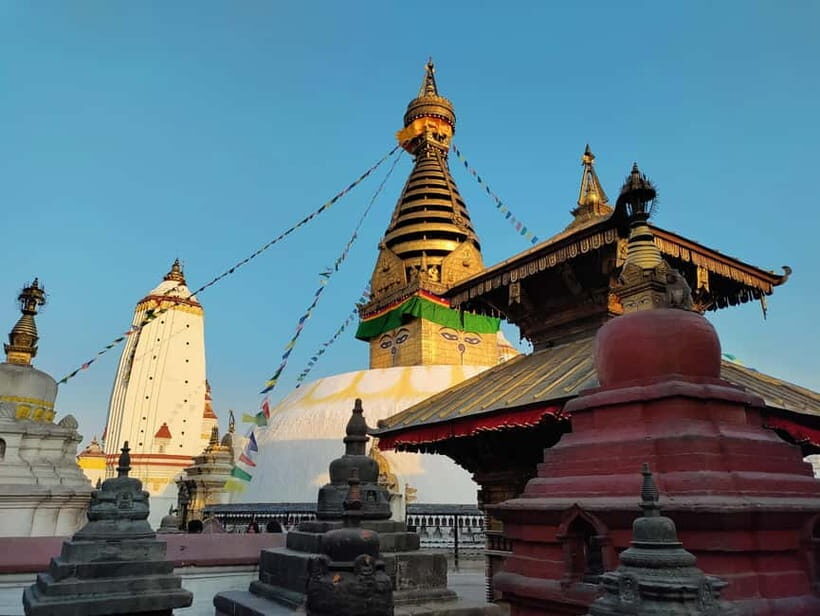
Most days start in Thamel’s zone, with trekking gear shops, local handicrafts, and a mix of travelers and locals all sharing the same sidewalks. I like that the tour doesn’t waste time; you begin with a sense of Kathmandu’s rhythm, then you climb toward quieter, more spiritual space.
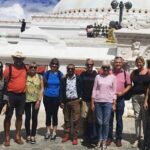
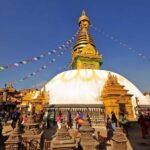
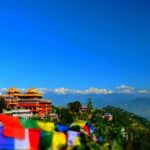
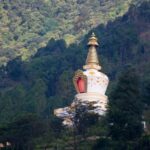
At Swayambhunath, you’ll get the classic contrast: prayer flags fluttering overhead, monks chanting, and the stupa’s calm presence above the city. This is also where you’ll usually spot panoramic views of the Kathmandu Valley, which makes the whole day feel anchored rather than rushed. Your English-speaking guide sets the cultural context, so you’re not just looking at a landmark—you understand what people come here to honor.
A practical tip: if you’re sensitive to noise, this part is still active, but the mood shifts quickly once you’re up at the stupa. Wear shoes that work well on uneven ground, and plan to take your time at viewpoints rather than trying to “collect photos” at full speed.
You can also read our reviews of more food & drink experiences in Kathmandu

Kathmandu Durbar Square: UNESCO temples and the Kumari window moment
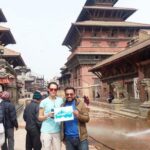
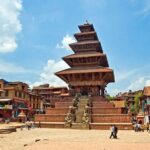
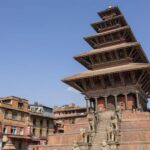
After the hilltop, the tour moves into Kathmandu Durbar Square, a UNESCO World Heritage Site packed with temples, palace structures, and wood-carving details. You’ll get guided sightseeing and a history lens, but the point is more than facts—you’ll be in a place where religious and cultural life continues.
This stop is also where the Kumari, the Living Goddess of Nepal, can appear at her window. The tour gives you a chance to see her during the Durbar Square portion, which is the kind of moment that doesn’t feel like a typical museum visit. Your guide also points out sacred icons such as Kal Bhairav and Swet Bhairav, which helps you notice details most people miss when they’re just scanning for big sights.
What I like here is that it’s not one building and done. You’re surrounded by multiple sacred areas, plus a “living” feel from the environment itself, so the square plays like a whole cultural system rather than a single photo stop.
Possible consideration: this area can be busy, and timing matters for the Kumari window moment. If you’re traveling with a tight schedule, treat this as your priority stop and don’t plan extra detours.
Asan Market: spices, textiles, and snack-fuel free time
Once you leave Durbar Square, you drop into the everyday Kathmandu scene at Asan Market. This is where you see traders selling spices, grains, traditional goods, and all the small items that keep daily life running. It’s not a staged shopping mall; it’s the real deal, and your guide helps you read what you’re seeing.
You’ll have time for guided exploration plus free time in the market area. That free time is important because you can slow down where you’re curious—maybe a spice stall, brass utensils, seasonal produce, or colorful fabrics and handmade jewelry. And yes, you can turn part of your shopping into snack breaks since the tour includes local snacks and food tasting here.
This is also where the tour feels most “local” in tone. You’ll hear the chatter of transactions, see the range of goods in one sweep, and understand how Asan functions like a neighborhood hub rather than a single attraction.
If you’re not a shopper, don’t worry—you can still enjoy it by watching how people move through the stalls. Just set your expectation: this stop is about energy and daily life, not quiet sightseeing.
The food tasting plan: momo, samaybaji, chatamari, and lassi
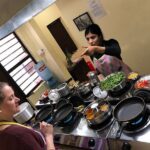
If you’re thinking, wait, this is a heritage walk—how do they fit food? That’s exactly what makes this tour stand out. The tasting is built into the route, and you get a long enough food window to actually enjoy Nepal’s flavors without feeling like you’re on a hurry snack run.
You’ll get chances to try dishes such as:
- MoMo (Nepali dumplings)
- Newari Samaybaji, a ceremonial platter with beaten rice, marinated meat, fried eggs, and pickles
- Yomari, a sweet steamed dumpling filled with jaggery
- Bara, a savory lentil pancake
- Chatamari, a rice flour crepe often called Nepali pizza
- Gwaramari, crispy fried bread
- Indrachowk lassi, a refreshing drink to balance the flavors
The tour description also says you can eat as much as you like during the tasting. In practice, that means you’re not limited to one tiny sample plate—so come hungry, or at least accept that you’ll likely be eating more than you planned.
A balanced way to handle it: start with something that feels easy (like a dumpling or a lassi), then move into the platter-style dishes and breads. If you prefer less spice, tell your guide what works for you so the order and portions feel right.
Food tip for the day: keep water in mind. A bottle of drinking water is included, but you’ll still want to sip steadily, especially if you’re moving between hilltop and crowded market streets.
Private-group flow, English guidance, and what’s included at $64
This is a private group experience with an English-speaking guide. That matters because the day is packed: Swayambhunath, Durbar Square, and Asan Market all in about 5 hours. A guide who can explain what you’re seeing also helps you navigate the crowds and get to the right places at the right time.
Pickup is flexible too, with options in Thamel or Kathmandu, and you’ll also be dropped back at Thamel or Kathmandu afterward. Transportation is included, plus entrance fees for the sites. You’ll also get a bottle of drinking water, along with government taxes being covered, and the food tasting is part of the price.
Now the value question: $64 per person for 5 hours sounds simple, but what makes it meaningful is the bundle. You’re paying for a guide, transport, entrance fees, and a structured food tasting that includes multiple specific dishes and lassi—not just a single street snack. If you were to plan it yourself, the “hidden” costs add up fast: guide time, tickets, and the effort of stitching together a smooth route through three major areas.
Who this suits best:
- First-time visitors who want a big Kathmandu sampler without constant planning
- People who care about food, not just landmarks
- Travelers who like the comfort of a private group and an English-speaking guide
One small reality check: since this is a private group, you should still expect walking and time spent in crowded areas around markets and squares. This tour isn’t a sit-down, clock-stare itinerary—it’s a moving day, and you’ll want comfortable shoes.
You can also read our reviews of more tours and experiences in Kathmandu
Quick practical notes before you go
A few small things make the day easier:
- Expect contrast: hilltop calm at Swayambhunath, then street-level energy at Asan.
- Plan to pause for food and viewpoints rather than rushing.
- Bring a willingness to try foods you may not know by name. The guide will help you understand what you’re eating.
You’ll also see the day described as starting with Thamel energy and ending back around Thamel or central Kathmandu, so it’s a good “one-day structure” option. If you like flexible plans, the tour offers free cancellation up to 24 hours in advance and the ability to reserve and pay later.
Should you book this Kathmandu UNESCO heritage + food tour?
I think this tour is a strong choice if you want Kathmandu in one compact day: one UNESCO stop, one famous spiritual hilltop, one major market, plus a real tasting menu. The price makes sense because you’re not just buying access—you’re buying a guided route and multiple specific food experiences, including Newari classics and Indrachowk lassi.
Book it if:
- You want a guided heritage walk with culture explained in plain terms
- Food is a major part of how you travel
- You prefer a private-group pace over joining a bigger group
Skip it (or adjust expectations) if:
- Crowds and busy streets stress you out
- You want a slower, calmer day with less movement
If you’re the type who likes to understand how a city works—temples plus markets, ceremony plus snacks—this is one of the more satisfying ways to do it in a single 5-hour loop.
FAQ
What locations do I visit on this tour?
You’ll visit Swayambhunath Stupa, Kathmandu Durbar Square, and Asan Market. The tour also includes the chance to see the Living Goddess Kumari during the Durbar Square portion.
How long is the Kathmandu UNESCO heritage and food tasting tour?
The tour runs for 5 hours.
Where are the pickup and drop-off locations?
Pickup options are Thamel or Kathmandu, and drop-off options are also Thamel or Kathmandu.
Is the guide English speaking?
Yes, the tour includes an English-speaking guide.
What kinds of food are included?
The tour includes local food tasting with dishes such as MoMo, Newari Samaybaji, Yomari, Bara, Chatamari, Gwaramari, and Indrachowk lassi.
Can I eat as much as I like?
Yes. The tour description says you can eat as much as you like during the food tasting.
What is included in the price?
Included are entrance fees, local food, an English speaking guide, transportation, a bottle of drinking water, and government taxes.
What isn’t included?
Personal expenses are not included.