REVIEW · FOOD
Kathmandu Secret Food Crawl & Local Market Tour
Book on GetYourGuide →Operated by Mount Glory Treks · Bookable on GetYourGuide
Kathmandu’s street food is best with a local guide. This 2-hour crawl takes you into the local market rhythm, with Newari dishes and everyday snacks lined up alongside cultural context. You’ll also walk through the area around Ason Bazar, Kathmandu’s oldest market, where food, craft, and tradition sit side by side.
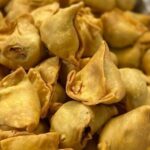
What I really like is the mix of tastes: you’re not stuck eating one thing. You get proper Newari food (like Yomari and Samay Baji) plus crowd favorites such as momo, chatamari (often called Newari pizza), and laphing, and you’ll try at least 5 items with drinks.
One thing to consider: it’s a fast-moving 2-hour walk, and if you’re hoping for slow, lingering explanations at each stall, you may feel the pace. The tour is designed to pack in variety, so you’ll want to ask questions as you go.
Key highlights to look for
- Ason Bazar: the oldest local market vibe, not just a photo stop
- Newari focus: Yomari and Samay Baji give you more than street-food calories
- Street-snack variety: momo, chatamari, laphing, plus market drinks
- Cultural context: you learn how daily food links to Newar and other local traditions
- Guide energy: English support from Santosh in many recent tours, with lots of conversation
- Plentiful tasting: most people end up genuinely full after the 2 hours
In This Review
- Ason Bazar Food Crawl in Kathmandu, in Just 2 Hours
- Meeting at Chhaya Devi Complex and Getting Oriented Fast
- Newari Culture Up Close: Yomari and Samay Baji on the Street
- Street Food You Can Expect: Momo, Chatamari, Laphing, and Friends
- How the Market Walk Works: Stalls, Stories, and Craft Traditions
- Included Food and Drinks: Minimum 5 Tastings, but It Feels Like More
- Price and Value: Why $28 Works for 2 Hours of Local Food
- Santosh’s Guide Style: Friendly, Flexible, and Full of Context
- Practical Tips Before You Go (So You Enjoy Every Bite)
- Who This Tour Fits Best (and Who Should Rethink It)
- Should You Book Kathmandu Secret Food Crawl & Local Market Tour?
- FAQ
- How long is the Kathmandu Secret Food Crawl & Local Market Tour?
- Where does the tour meet?
- What language is the tour guide?
- What food and drinks are included?
- What is the price per person?
- Is cancellation free?
- Is there a pay later option?
- Where does the tour take place?
Ason Bazar Food Crawl in Kathmandu, in Just 2 Hours
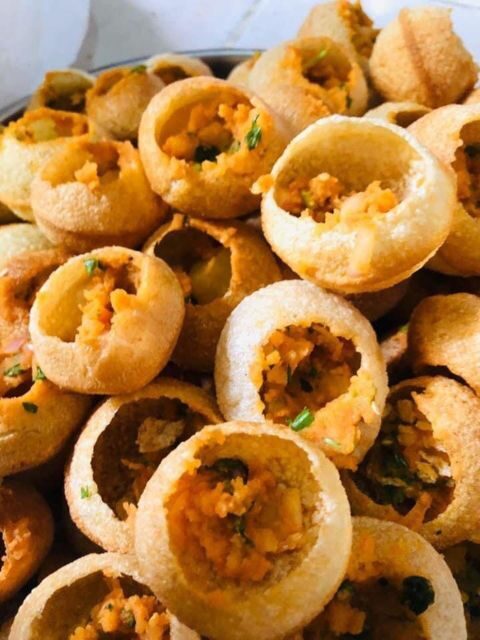
If Kathmandu food is on your “must do” list, this tour is one of the smartest ways to start. You’re getting a market walk plus a tasting lineup, all in about 2 hours, which is perfect when your schedule is tight.
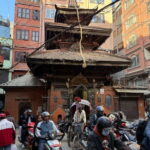
Ason Bazar matters here. This market isn’t just about buying stuff—it’s where you can see how local life actually moves: vendors, crafts, and the daily flow of people. When the food is paired with that street-level setting, the flavors make more sense, fast.
Because the route is concentrated, you’ll feel like you’re “getting” the city quicker than you would wandering alone and guessing which stalls are worth the time.
Meeting at Chhaya Devi Complex and Getting Oriented Fast
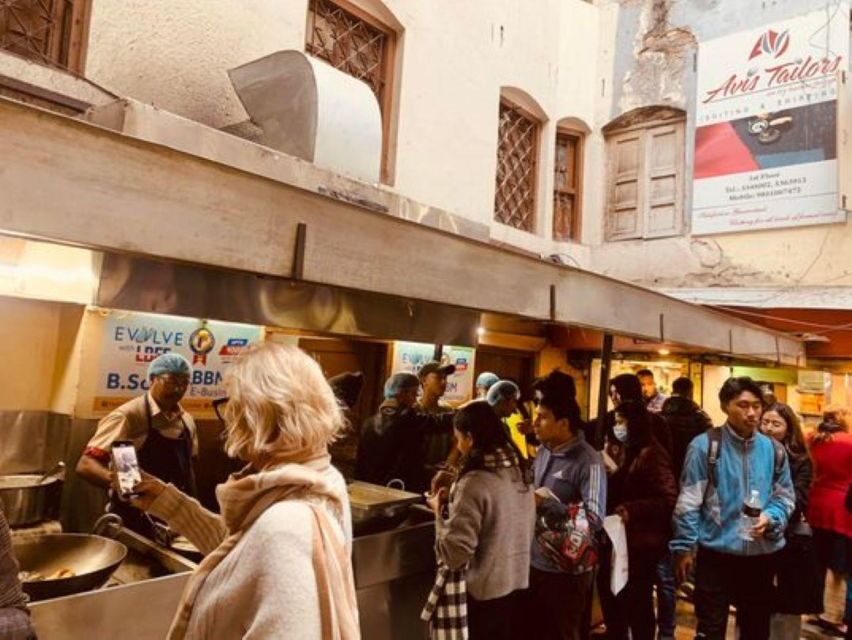
You meet at the main gate of Chhaya Devi Complex. That’s a real advantage for first-time Kathmandu visitors. You’re not trying to decode directions while hungry and jet-lagged.
From there, the tour is basically a guided sequence of small stops. You’ll get the kind of orientation that helps later, like what to look for in market food and how local traditions show up in meals.
Most importantly, you’re led by an English-speaking guide, and many recent tours have featured Santosh, who has a talent for keeping things conversational while still explaining what you’re eating and why.
You can also read our reviews of more food & drink experiences in Kathmandu
Newari Culture Up Close: Yomari and Samay Baji on the Street
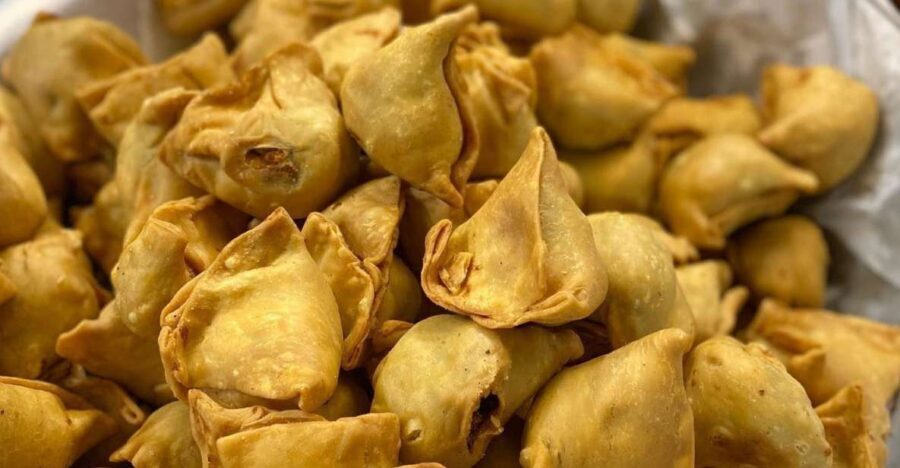
The heart of this experience is Newari cuisine, the food tradition of the Newar community. Even if you’re only slightly curious about Nepal’s cultural layers, this part gives you a strong starting point.
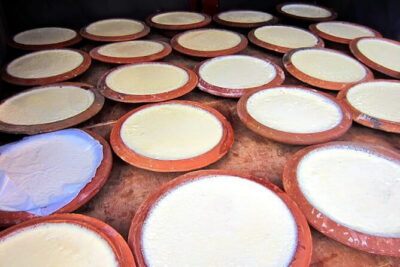
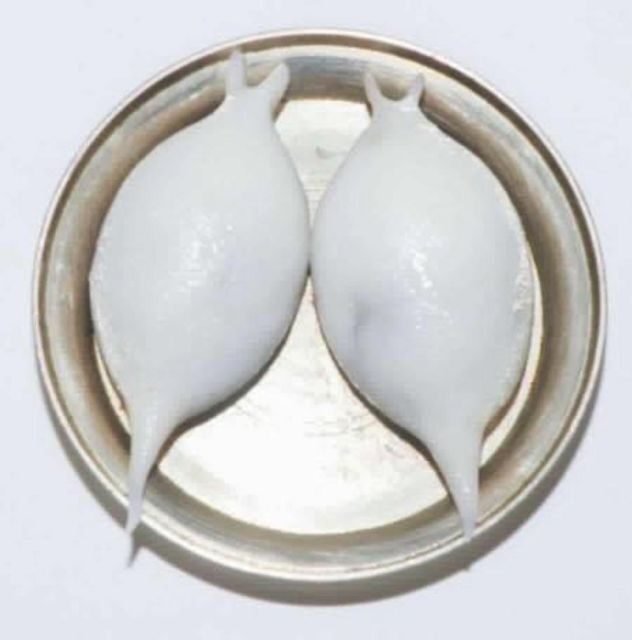
Start with Yomari: a sweet steamed dumpling filled with molasses and sesame seeds. It’s not the kind of thing most visitors pick on instinct, but it’s memorable because it’s both comforting and distinctively Newari.
Then there’s Samay Baji, a ceremonial platter. You can expect beaten rice, spiced buffalo meat, and a selection of pickles. That mix might sound intense if you’re used to simpler street snacks, but that’s exactly the point of the tour: you’re tasting how Nepalese meals can be built around tradition, not just convenience.
This is also where you learn how food ties into local life and identity. The tour highlights crafts and traditions of the Newars and other cultural influences, so the dishes don’t feel like random samples—they connect to a bigger story you can actually repeat later.
Street Food You Can Expect: Momo, Chatamari, Laphing, and Friends
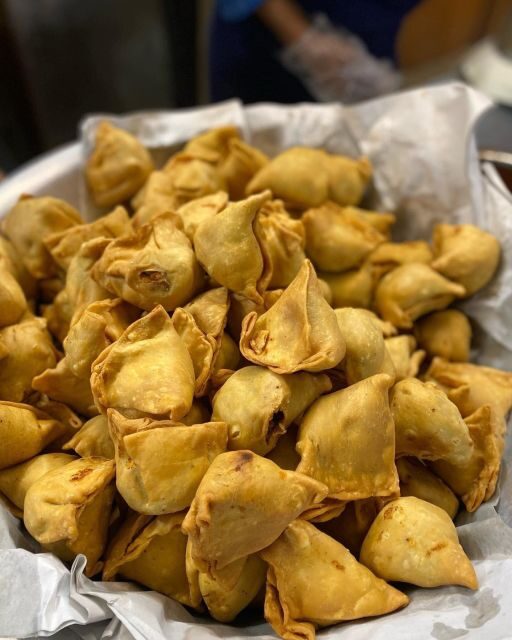
Beyond Newari classics, you’ll get the street-food side of Kathmandu, where flavors shift by neighborhood and vendor. This is where the tour becomes fun and snacky, not just instructional.
Here’s what you should expect to see in the tasting lineup:
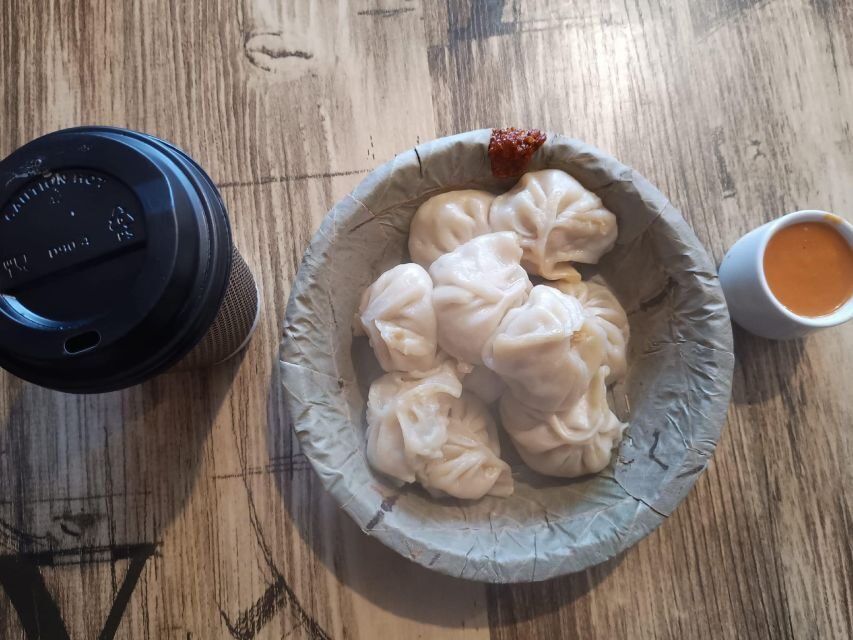
- Momo: popular dumplings in multiple variations
- Chatamari: often described as Newari pizza—thin, savory, and meant for grabbing while it’s hot
- Laphing: a cold, spicy mung bean noodle dish that locals love
- Market drinks: you’ll have beverages alongside food, not just one drink for the whole tour
- Extra snack hits that often include things like lassi and pani puri, plus other quick bites that you likely won’t find easily on your own
One useful detail: the tour doesn’t just throw “filler” snacks at you. The variety is real, and you’ll see how different parts of Kathmandu’s food culture blend—Nepali, Tibetan, and Indian influences show up in flavors and street style.
And yes, you can expect to eat more than you planned. A lot of people finish the tour genuinely full.
How the Market Walk Works: Stalls, Stories, and Craft Traditions
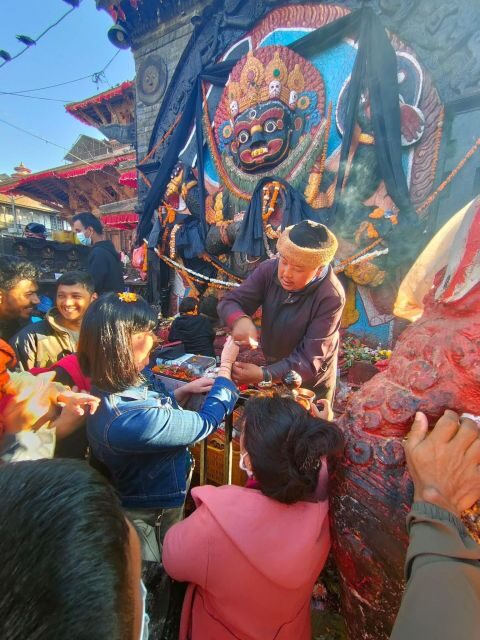
This is a market tour with a food crawl pace. You’re walking narrow lanes, stopping at vendors, then moving on again. The goal is simple: sample enough different foods that your taste buds understand Kathmandu, not just your stomach.
You’ll also get cultural context while you’re walking. Guides often explain what you’re seeing—how local markets operate, what kinds of goods reflect community traditions, and how food choices fit daily routines.
The tour specifically mentions exploration of crafts and traditions, especially Newar culture. In practice, that usually means you get more than a list of dishes. You start noticing details: the way stalls are arranged, what people buy, and how food fits into the wider market ecosystem.
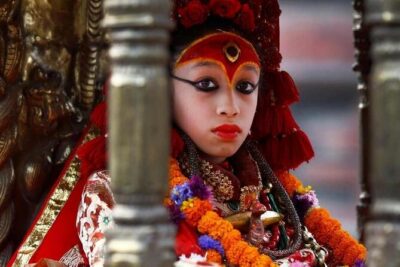
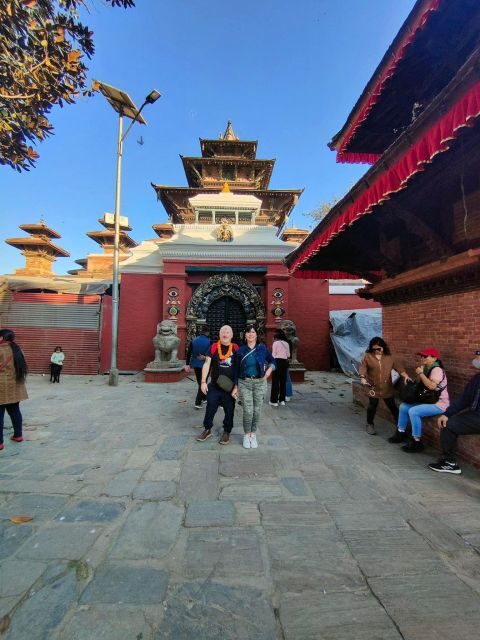
You may also pass cultural sites near the route. For example, one recent experience mentioned a stop at the Kumari Temple area, timed early evening so the living goddess could make an appearance. If your schedule lines up, that kind of added cultural moment can turn a food crawl into a real Kathmandu introduction.
Included Food and Drinks: Minimum 5 Tastings, but It Feels Like More
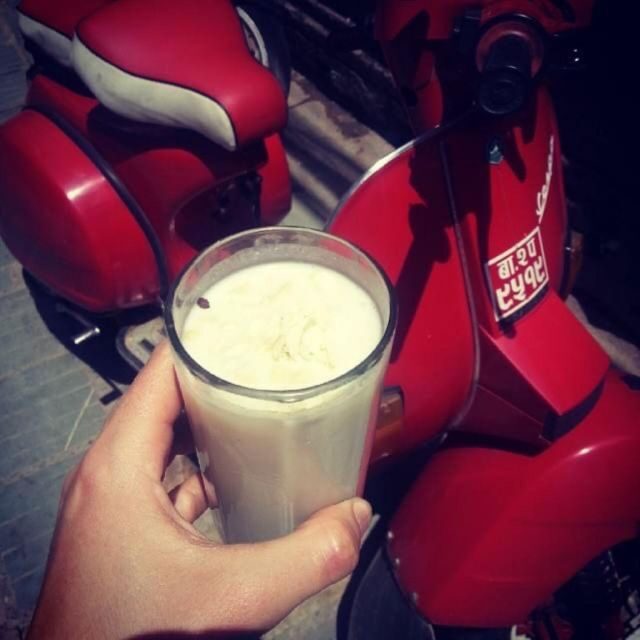
The tour includes all foods and beverages, with a minimum of 5 items plus drinks. That matters for value, because tasting tours often advertise “samples” that end up being tiny.
Here, the overall experience tends to be substantial. Multiple people noted generous servings and a wide variety—enough that it works as a meal replacement for many diets and schedules.
You’ll likely try a combination of:
- warm dumplings and savory bites
- sweet items like Yomari
- cold spicy options like Laphing
- snack classics such as pani puri and lassi (depending on the day and the guide’s choices)
If you’re cautious about what you’re eating, you still have an advantage: your guide can explain what each dish is and what it typically contains. That’s useful with items that include spicy levels or ingredients that might be new to you (like the buffalo meat in Samay Baji).
You can also read our reviews of more tours and experiences in Kathmandu
Price and Value: Why $28 Works for 2 Hours of Local Food
At $28 per person, you’re paying for two things: the tasting lineup and the guidance that gets you into food spots you’d likely miss on your own.
For a 2-hour experience that includes at least five food and drink items, the math is straightforward. The guide is also doing the behind-the-scenes work—choosing stalls, keeping the route efficient, and explaining the context so you actually remember what you ate.
This is also a good value option if you want more than a basic street-food walk. The tour aims to connect the food to culture, which makes the experience feel earned, not rushed for the sake of checklists.
If you compare it to piecing together food on your own—where you might pay more to find decent places—you’ll usually come out ahead, especially the first time you’re in Kathmandu.
Santosh’s Guide Style: Friendly, Flexible, and Full of Context
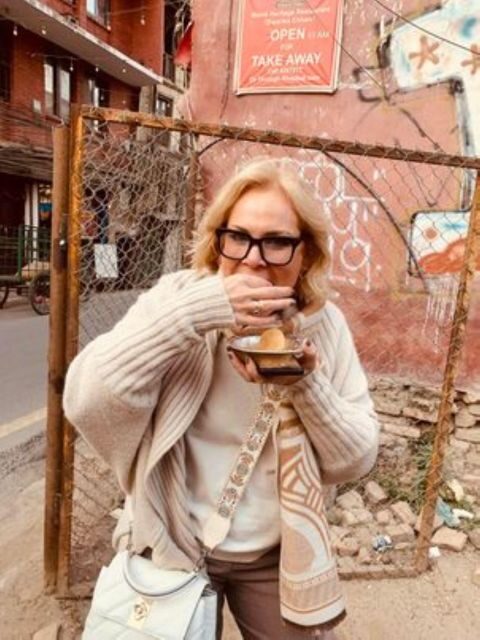
In many recent bookings, the English guide has been Santosh, and the pattern is consistent: friendly, personable, and good at explaining the meaning behind dishes.
What stands out is that the explanations aren’t stuck in a food-only bubble. People reported conversations that touched on religion and culture, and even topics like politics and geopolitics. That matters because Kathmandu’s food doesn’t exist in isolation. It’s tied to community life, beliefs, and everyday choices.
Santosh also showed flexibility in at least one situation where timing changed because of a trek meeting. That’s the kind of real-world ability you want from a guide: practical help, not just scripted narration.
If you’re someone who likes chatting while you eat, this tour is a strong match.
Practical Tips Before You Go (So You Enjoy Every Bite)
You don’t need special gear, but a few choices will make the tour easier.
- Wear shoes you can walk in. Markets mean uneven pavement and tight lanes.
- Bring a water plan. The tour includes drinks, but it still helps to stay comfortable in Kathmandu’s street heat.
- Expect spice. You’ll likely taste cold spicy food like Laphing. If you’re spice-sensitive, tell your guide early.
- Pace your mouth. You’ll get a lot of bites in a short time. If you want to savor, take small bites and alternate sweet and savory.
- Ask what you’re eating. The guide’s job isn’t only to feed you—it’s to connect you to what the dish represents.
Also, if you’re the type who gets nervous about street food, here’s a reassurance from the experience vibe: the tour focuses on reputable stalls that you wouldn’t easily find alone, and the guides make it about eating safely and comfortably.
Who This Tour Fits Best (and Who Should Rethink It)
This crawl is best if you want:
- a fast start to Kathmandu food
- Newari dishes you’d probably skip without guidance
- a guided walk through a real local market like Ason Bazar
- cultural explanations while you eat, not after you’re already done
It’s also a great fit for solo travelers who want an organized route and a local voice leading the way. You won’t be stuck figuring out where to go next.
Who might reconsider? If you hate walking, have a very limited diet, or want a slow-paced, sit-down meal experience, this may feel too fast. The whole point is packing variety into 2 hours.
Should You Book Kathmandu Secret Food Crawl & Local Market Tour?
I think it’s a strong yes for most first-timers and food lovers. For $28, you get a structured market walk, a Newari-heavy tasting lineup, and enough street snacks to feel like Kathmandu food culture has clicked for you.
Book it especially if:
- you want to understand Newari cuisine beyond a single dish
- you like variety and don’t mind eating a lot in 2 hours
- you value a guide who talks through meaning, not just directions
- you’re arriving with limited time and want a high-value introduction
Skip it if you’re craving a long, relaxed meal or if you don’t want any spice at all. In that case, look for a more structured dining experience with fewer stops.
FAQ
How long is the Kathmandu Secret Food Crawl & Local Market Tour?
The tour duration is 2 hours.
Where does the tour meet?
The meeting point is the main gate of Chhaya Devi Complex.
What language is the tour guide?
The tour includes an English-speaking live guide.
What food and drinks are included?
All foods and beverages are included, with a minimum of 5 items plus drinks.
What is the price per person?
The price is $28 per person.
Is cancellation free?
Yes. You can cancel up to 24 hours in advance for a full refund.
Is there a pay later option?
Yes. You can reserve now and pay later.
Where does the tour take place?
It’s in Kathmandu, Nepal, in the Bagmati Zone, and it includes time around Ason Bazar, Kathmandu’s oldest local market.