REVIEW · BHAKTAPUR & PATAN DAY TRIPS
Kathmandu Bhaktapur Patan Authentic Local Tour +7 UNESCO WH Sites
Book on Viator →Operated by Himalayan Adventure Therapy · Bookable on Viator
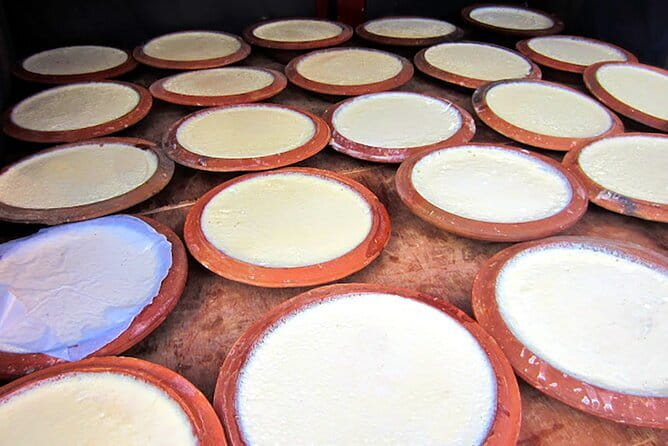
Seven UNESCO sites, one local team. In three days, you’ll crisscross Kathmandu Valley’s ancient cores with native guides and a schedule built for real-life culture, not just photo stops. You’ll watch Juju Dhau being made in Bhaktapur, learn about working crafts, and then move through iconic temples and palace squares across the valley.
I especially liked two parts: the hands-on Juju Dhau making session in Bhaktapur, and having a guide like Nirajan (from Bhaktapur) explain the why behind what you’re seeing. It turns each stop from I-have-been-here to I-understand-this.
One possible drawback: this is a packed 3 days. Even with a comfortable vehicle, you’ll still do plenty of walking and temple-courtyard time, so you’ll want good shoes and a patient mindset.
In This Review
- Key highlights you’ll care about
- What makes this Kathmandu Valley tour feel different
- Price and logistics: is $385 good value?
- Day 1 in Bhaktapur: Juju Dhau, ponds, pottery, and the durbar square
- The Juju Dhau live session
- Siddha Pokhari and the pond-side start
- Pottery Square: where craft is the show
- Bhaktapur Durbar Square and temple details
- Chandeshwori, Dattatreya, and the temple walk
- Day 2 in Patan (Lalitpur): Golden Temple, courtyards, and artisan lanes
- Patan Dhoka: start at the gateway
- Pimbahal Stupa and Jagamadu Pond
- Nagbahal Hiti: an ancient drinking fountain
- Golden Temple (Hiranya Varna Mahavihar)
- Kumbheshwor Temple and Patan Durbar Square
- Golden Fountain and Mahaboudha
- Rudra Varna Mahavihar, Oku Bahal, and Shilpakar woodwork
- The Patan hands-on artisan time
- Day 3 in Kathmandu: durbar lanes, Swayambhunath views, Boudha, and Pashupatinath
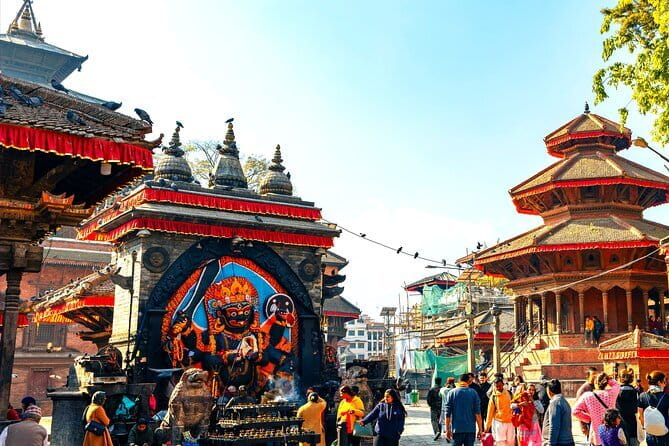
- Kathmandu Durbar Square and the walk through Thamel and Asan
- Swayambhunath: a classic stupa with real atmosphere
- Budhanilkanth Temple: a quieter detour
- Boudhanath stupa and then Pashupatinath
- Thamel and Jhamsikhel: your optional night plan
- What you’ll learn from the local experts (and how it helps)
- How much walking and how intense is it?
- Who this tour is best for
- Should you book this Kathmandu, Bhaktapur, Patan tour?
- FAQ
- How long is the Kathmandu Bhaktapur Patan tour?
- Do I get pickup and transportation during the tour?
- Are entrance fees included for the UNESCO and temple sites?
- What is not included in the price?
- Is this a private tour or a shared group tour?
- Does the tour include a UNESCO World Heritage site visit?
- Can I cancel for a full refund?
Key highlights you’ll care about
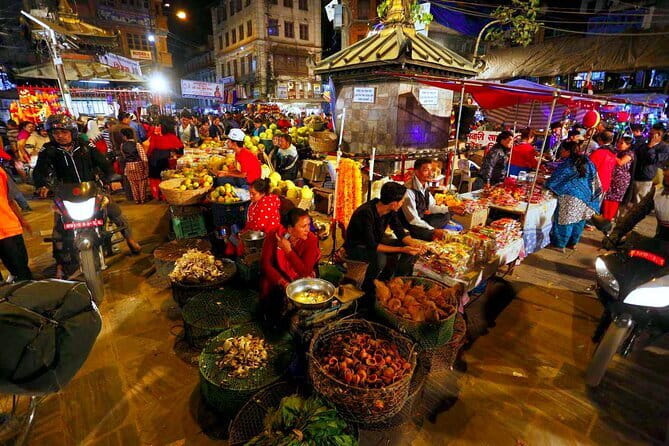
- Juju Dhau live session in Bhaktapur with a local Newar guide
- Pottery Square time where you can see the craft culture right in the working area
- Patan’s sacred sites and courtyards with stops that focus on Buddhist and Newari heritage
- Religious idol hand-carving experience in Patan’s artisan world (hands-on time)
- Kathmandu’s Ason market shopping walk to understand how people actually buy and sell
- Private transportation + entrance fees covered, so meals are your main extra cost
What makes this Kathmandu Valley tour feel different
Kathmandu Valley can be overwhelming. You’ve got major temples, palace squares, and lanes that look like they belong in old paintings—then suddenly you’re in traffic. This tour tries to fix that problem by pairing the big-name sights with the smaller, more local “in-between” moments.
What makes it work is the guide strategy. You’re led by a professionally experienced local who’s connected to Kathmandu Valley’s communities, not a script reader. In past trips, guides like Kamal and Nirajan were specifically called out for making the experience feel practical and authentic, from food to daily life.
The other thing I like is that it doesn’t treat UNESCO as a checklist. Yes, the plan is built around seven UNESCO World Heritage sites in the region. But you also spend time on everyday culture: cooking, pottery, artisan work, and neighborhood shopping.
You can also read our reviews of more tours and experiences in Kathmandu.

Price and logistics: is $385 good value?
At $385 per person for about 3 days, the price is best understood as a “you’re paying to avoid friction” deal. The tour includes private transportation, an air-conditioned vehicle, a bottle of water per day, and it covers all entrance fees and environment-management fees for the listed sights.
That matters because Kathmandu Valley admissions can add up fast—especially once you include multiple temple complexes and durbar squares. Here, you’re not hunting tickets or negotiating at each stop. You show up, go in with the group, and keep moving.
What you should budget separately is also clear:
- Food is not included.
- Accommodation is not included.
- You’re expected to cover gratuities for the service staff.
If you’re traveling with flexibility and you don’t want to manage tickets, cash, and timing across three busy days, this looks like solid value. If you’re the kind of traveler who wants to roam on your own schedule and stitch together sights by yourself, you might feel this is more structured than you need.
Day 1 in Bhaktapur: Juju Dhau, ponds, pottery, and the durbar square
Bhaktapur is where the “ancient city” feeling becomes real. The streets slow down. The craft work looks less like a showroom and more like a job people still do. On Day 1, you get dropped into that rhythm.
The Juju Dhau live session
Your day starts with a live demonstration of Juju Dhau, the famous Bhaktapur yogurt. This isn’t framed as a quick taste-and-run stop. You’re watching how it’s prepared as part of local food culture—an experience that helps you understand the city beyond monuments.
I like food moments in any destination because they create a memory you can’t download later. When you’ve seen how something is made locally, the flavor and story stick.
Practical note: plan to stay present. This kind of session works best when you’re watching carefully rather than treating it like background entertainment.
Siddha Pokhari and the pond-side start
Next up is Siddha Pokhari, a historic pond near the Bhaktapur Durbar Square entrance. It’s short but meaningful—one of those quiet anchors that reminds you these cities were shaped around water, rituals, and practical daily needs long before tourism.
It’s also a good setup stop: you ease into the pace before diving into the durbar square area.

Pottery Square: where craft is the show
After that comes Pottery Square, reached via the walk around Barahi Agam Ghar. This is the kind of place where you don’t just see pottery—you see people working. It’s an easy win for authenticity because the activity is real-time, not staged for visitors.
If you like arts-and-crafts travel, you’ll probably spend extra time observing. Don’t stress about understanding every step. Even without local language skills, you can read the process through hands, tools, and conversation.
Bhaktapur Durbar Square and temple details
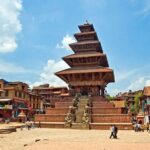
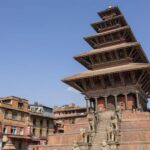
Then you hit Bhaktapur Durbar Square, one of the city’s top attractions and a UNESCO World Heritage site since 1979. This is the classic “palace square” experience, packed with stonework, temples, and that dense architectural feeling you only get in places built for centuries, not decades.
In a group tour, it’s easy to treat durbar squares like a photo museum. The value here is that your native guide helps you connect features to the culture that produced them.
Chandeshwori, Dattatreya, and the temple walk
The day continues with more temple stops around the square area, including Chandeshori/Chandeshwori and a Dattatreya Temple visit via Khacha Pokhari. There’s also a stop at Navadurga temples on the outskirts.
These aren’t just add-ons. They help you understand Bhaktapur as a religious landscape, not only a central palace yard. If you’ve ever wondered why Nepalese cities seem to have temples in every direction, this is where that question gets answered.
Food option: there’s also time for local food tasting in Bhaktapur, and it’s up to you whether you join. Even if you skip the formal tasting, your guide will point you toward the better choices.
Day 1 vibe: craft + food + temple details in a city that feels still alive.
Day 2 in Patan (Lalitpur): Golden Temple, courtyards, and artisan lanes
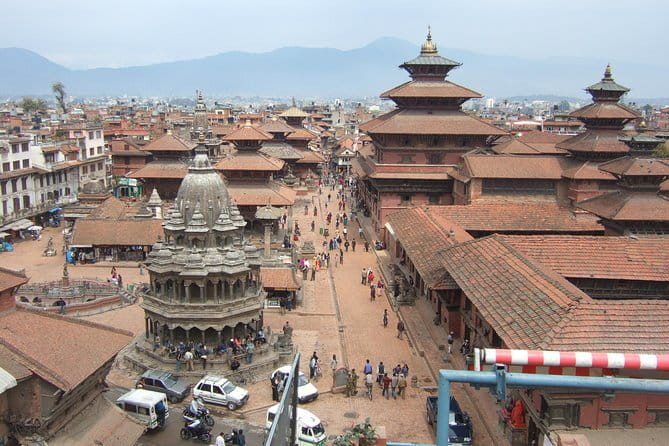
If Bhaktapur is about what’s preserved, Patan is about what’s skilled. You’ll spend Day 2 in Patan (Lalitpur), working your way through Buddhist and Newari heritage sites and then into the old-town texture.
Patan Dhoka: start at the gateway
You begin at Patan Dhoka, described as a gateway into Patan. The guide context matters here. When you start at a threshold like this, the city feels less random. You understand how the layout is meant to move people in.
Pimbahal Stupa and Jagamadu Pond
Then comes Pimbahal Stupa, popular with Buddhist pilgrims, plus Jagamadu Pond nearby. It’s a gentle spiritual pause before you shift into more architectural highlights.
Nagbahal Hiti: an ancient drinking fountain
Next is Nagbahal Hiti (also known as Elhānani Hiti). This is one of those “small but important” stops: a drinking fountain dating back to early history and still used for cultural events.
You might not notice water infrastructure as a tourist, but locals do. When you travel with a guide, these details become the story.
Golden Temple (Hiranya Varna Mahavihar)
The day’s highlight in many people’s minds is the Golden Temple, also called Hiranya Varna Mahavihar. The tour description points out the name is a bit of a marketing shorthand—the monastery isn’t entirely gold. What you’re really seeing is the workmanship and the meaning.
You’ll get the benefit of time here: about an hour with admission included. That’s long enough to look at ornament, but not so long you start tuning out.
Kumbheshwor Temple and Patan Durbar Square
After the Golden Temple, you go to Kumbheshwor Temple, which the program frames with documented historical references. Then you move to Patan Durbar Square, the royal palace core that UNESCO also recognizes.
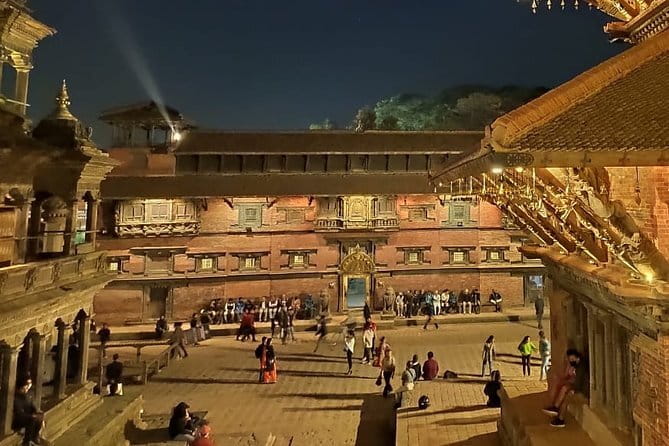
Patan Durbar Square tends to feel different than Bhaktapur’s. It’s dense with temples and courtyard space, and it can feel like you’re stepping inside a layered model of the city.
If you want your photos to look more than decorative, watch where the light falls and how people move through courtyards. Your guide can help point out what’s most worth photographing.
Golden Fountain and Mahaboudha
You’ll then see the Golden Fountain, a notable art feature studied by Nepalese art expert Gautama Vajracharya (as noted in the tour description). After that, the program includes Mahaboudha Temple, a Buddhist structure with terra-cotta art and clay-brick construction.
This part is good for people who want more than just palace square views. You get religious architecture that feels handmade and close to the people who use it.
Rudra Varna Mahavihar, Oku Bahal, and Shilpakar woodwork
Finally, you explore Rudra Varna Mahavihar in Oku Bahal, known for three courtyards. The tour also includes time in the old lanes where you’ll encounter woodwork from artisan families called Shilpakar.
This is where Patan’s craft identity becomes obvious. Even if you’re not shopping, you can see skill in the way objects and carvings are made.
The Patan hands-on artisan time
One more value-add from the tour description: you’ll also have religious idol hand-carving sessions in Patan. That’s the type of experience that turns “I saw temples” into “I understand how objects for worship are created.”
If you like learning with your hands involved—even just watching a craft process closely—this is the day to lean into.
Day 3 in Kathmandu: durbar lanes, Swayambhunath views, Boudha, and Pashupatinath
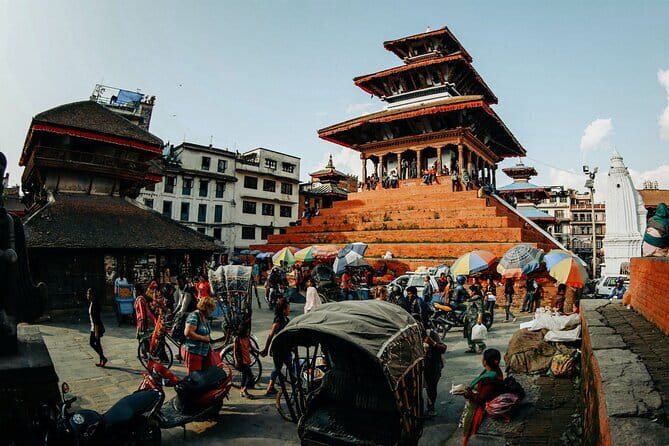
Kathmandu is where the modern city pushes in. You’ll still get UNESCO anchor points, but you’ll also walk through the neighborhood streets that connect them.
Kathmandu Durbar Square and the walk through Thamel and Asan
Day 3 starts with a walk through Thamel and narrow alleys of Asan Tole, moving toward Newroad Gate via Kathmandu Durbar Square. The program frames Asan as one of the key local markets, and that’s exactly the kind of stop that makes a tour feel like Kathmandu, not only a list of sights.
If you want to shop for small souvenirs, this is where it’s easiest because you’re around the local market flow.
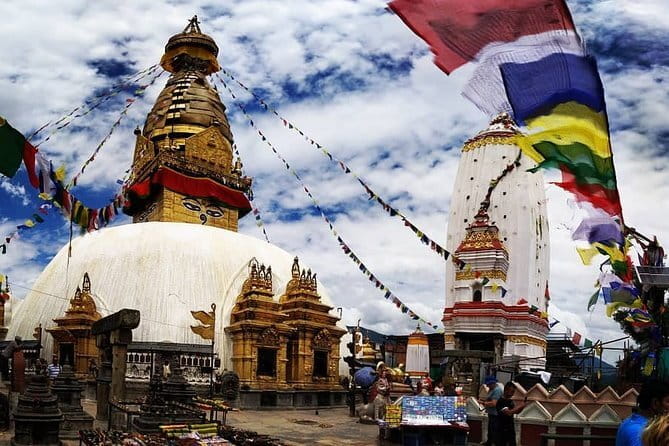
Swayambhunath: a classic stupa with real atmosphere
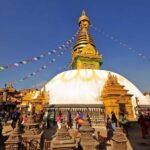
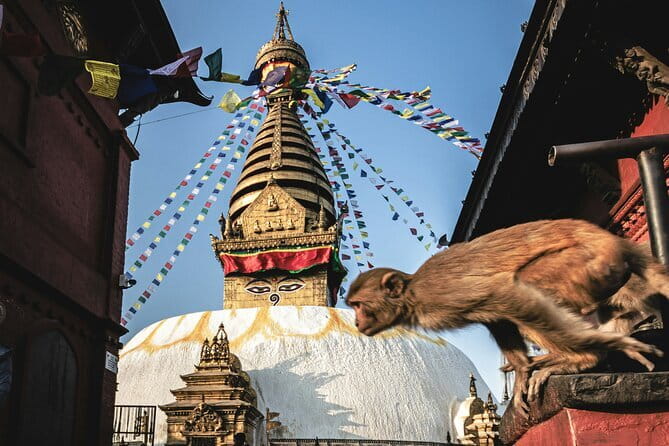
Then you go to Swayambhunath. You’ll spend time there after touring the durbar square area. This is one of those places where a guide’s context changes everything. You stop seeing it as a single viewpoint and start noticing how the stupa fits into the surrounding city.
Even if you don’t climb for long, the atmosphere is the point.
Budhanilkanth Temple: a quieter detour
Next comes Budhanilkanth Temple, also known as Jal Narayan Temple. The tour description emphasizes its peaceful location in the Kathmandu Valley.
This is a useful change of pace. After two more intense UNESCO-focused stops later in the day, a calmer temple time helps you avoid tour-day fatigue.
Boudhanath stupa and then Pashupatinath
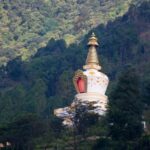
After a drive on the outer ring road, the tour visits Bouddhanath stupa. The description notes early construction likely after AD 600, linked to Tibetan King Songtsen Gampo and Buddhist conversion.
Then you go to Pashupatinath Temple on the Bagmati River’s eastern outskirts. This is one of the biggest religious centers in the region. With a guide, it’s easier to understand what you’re seeing without turning it into a “where do I point my camera” scramble.
Thamel and Jhamsikhel: your optional night plan
After the main tour, you get a choice to spend time around Thamel and Jhamsikhel. The program mentions VIP line access for escorted nightlife browsing through restaurants, pubs, clubs, and streets, though those costs aren’t included.
If you prefer a quieter evening, you can use this time to rest or do independent shopping near your hotel. Either way, having the tour end in a lively area gives you an easy landing.
What you’ll learn from the local experts (and how it helps)
Here’s what I think you’re really paying for: the guide turns the city’s signals into meaning.
When a guide is from the area—like Nirajan from Bhaktapur—stops connect more naturally. You’re not just hearing descriptions. You’re learning what locals treat as normal. That’s how you avoid the tourist-bubble feeling.
In the most enthusiastic write-ups, the specific wins were:
- Juju Dhau making plus real food tasting context
- Pottery lesson and craft observation time
- Local foods, homes, and shopping connections, especially around markets
- A schedule that felt meticulously planned, so you don’t waste time figuring things out
Even if you don’t care about every historical reference, you’ll notice the difference in pacing and clarity. It’s the difference between a road trip and a guided day that actually lands.
How much walking and how intense is it?
This tour covers a lot of territory across three days. The stops include multiple temple complexes, several courtyards, and time in old-town lanes and market areas.
Even with a private air-conditioned vehicle, expect:
- more walking than a typical “bus tour”
- a fairly steady rhythm of entering and leaving sites
- day-to-day fatigue if you’re the type who likes to linger everywhere
So bring comfortable shoes and plan to recharge in the evening. If you’re traveling with kids or anyone with mobility limits, you should ask the operator how they handle pacing, but the tour data does note that most travelers can participate.
Who this tour is best for
This is a strong match if you:
- want UNESCO World Heritage sites without feeling lost
- like food and craft experiences, not only monuments
- prefer a local guide with real community ties
- enjoy walking old-town lanes and shopping in market areas
It’s less ideal if you:
- want total freedom with no schedule
- dislike structured temple visits
- are mainly after views and landmarks and nothing else
Should you book this Kathmandu, Bhaktapur, Patan tour?
If your goal is Kathmandu Valley as a lived-in place, not just a photo route, I think you’ll like this. The combination of hands-on food (Juju Dhau), craft-focused moments in Bhaktapur and Patan, and a three-day sweep through key UNESCO locations is a smart mix.
Book it if you value guidance that explains the context and saves you time. Skip it if you’d rather assemble your own UNESCO day plan and wander independently from morning to night.
FAQ
How long is the Kathmandu Bhaktapur Patan tour?
The tour runs for about 3 days, starting at 9:15 am.
Do I get pickup and transportation during the tour?
Pickup is offered, and the tour includes private transportation in an air-conditioned vehicle.
Are entrance fees included for the UNESCO and temple sites?
Yes. Entrance fees and environment management fees for the attractions in the itinerary are included.
What is not included in the price?
Food is not included, and accommodation is also not included. Gratuity for service staff is expected.
Is this a private tour or a shared group tour?
It’s set up as a private tour/activity, and only your group participates.
Does the tour include a UNESCO World Heritage site visit?
Yes. The program is designed to include visits to seven UNESCO World Heritage sites in the region.
Can I cancel for a full refund?
You can cancel for a full refund if you cancel at least 24 hours before the experience’s start time.