Three days of Ayurveda in Kathmandu’s hills.
This 3-day Ayurveda Deluxe Programme at Ayurveda Health Home pairs early yoga with long treatment blocks and a doctor-guided focus on energy, senses, and mind. Expect Neti Karma, eye exercises, whole-body therapies, and end-of-day calm in a setting people describe as meditative, up in the hills above the city.
What I like most is the rhythm: yoga at 6:30 AM keeps your body awake before the more intense work starts, and you’re scheduled for 24 rejuvenating treatments across the three days. I also like how the plan doesn’t just target one issue; it covers senses, emotions, and the whole mind–body loop, not only the physical parts.
One consideration: the days are structured and early, with mornings packed from about 6:30 AM through early afternoon. If you need lots of downtime, you may feel the schedule is a bit tight for a “vacation.”
In This Review
- Key highlights at Ayurveda Health Home (Kathmandu)
- Ayurveda Health Home: the setting and why it matters
- Your three-day schedule, hour by hour
- Day 1: wake up, cleanse, then reset
- Day 2: spinal and whole-body work
- Day 3: head focus and final calming therapies
- The therapies you’ll actually care about (and what they suggest)
- Neti Karma and eye exercises: senses first
- Whole Body Ubatan Abhyanga: full-body grounding
- Spinal programmes: your posture system gets attention
- Siro Dhara and head abhyanga: the calming finish
- Meals, lodging, and the recovery rhythm
- Price and value: is $970 fair?
- Who this retreat suits best
- Small logistics that help you enjoy it more
- Should you book the 3-Day Ayurvedic Retreat in Kathmandu?
- FAQ
- What is the meeting point for this retreat?
- When does the program start each day?
- How long is the retreat?
- What therapies are included?
- How many meals are included?
- Is pickup included in Kathmandu?
- Is this a private experience?
- What ticket format do I receive?
- What is the cancellation policy?
- Is the retreat suitable for most people?
Key highlights at Ayurveda Health Home (Kathmandu)
- Early yoga every morning (6:30–7:30 AM) so treatments start with your system already switched on
- Neti Karma and eye exercises aimed at cleansing and a lighter, clearer feel
- A full treatment run (24 therapies total) including ubatan abhyanga and head/eye-focused work
- Spinal programs + whole-body care, not just one body area
- Three wholesome meals built into the pacing
- Pickup within Kathmandu included, plus the site is near public transport
Ayurveda Health Home: the setting and why it matters
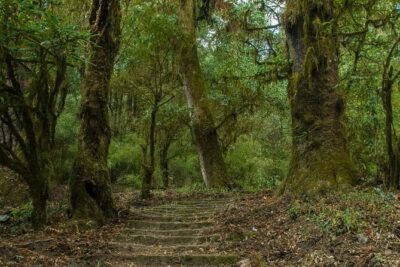
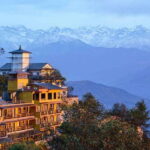
This retreat is based at Ayurveda Health Home at Tarakeshwor-3 (Nagarjun Center, Kathmandu 44600). The address alone doesn’t tell the whole story, but the vibe does: people consistently describe the place as calm, tucked into the hills above Kathmandu, with enough quiet that you can actually hear yourself think during the slower moments.
That matters more than you might expect. Ayurveda isn’t only about what happens on the table. It’s also about staying in the right mental and sensory mode. When you wake up, move with yoga, and then get cleansing and stimulation therapies in a peaceful environment, it’s easier for your body to “buy in” to the process.
The programme also runs as a private activity for your group only, which can make the whole experience feel more personal. You’ll still follow the schedule, but you won’t be shuffled around with strangers.
You can also read our reviews of more tours and experiences in Kathmandu

Your three-day schedule, hour by hour
The timing is consistent across all three days, and that repeat structure is a big part of the value. Your body learns the pattern quickly, so you’re not constantly recalculating what’s next.
Day 1: wake up, cleanse, then reset
6:30 AM – 7:30 AM: Yoga
You start with invigorating yoga to wake up your senses and energize your body. Even if you’re not an experienced yoga person, you’ll likely find the point is to loosen up and prepare for therapies afterward.
8:30 AM – 12:30 PM: Sensorial cleansing + deep stimulation therapies
This is the big morning block. The focus is described broadly: energy, body parts, senses, emotions, and mind. In practice, that typically means multiple therapies designed to “clean the channels” and reduce sensory heaviness.
One downside to long blocks: if you’re sensitive to touch, smell, or nasal/eye-related routines, tell the staff early and be clear about what feels okay. The programme is described as respectful and caring, and that’s exactly when communication helps.
1:00 PM – 2:00 PM: Lunch and relaxation
After the intensity, you get a break. The lunch isn’t just fueling you; it’s also your transition back into a calmer mode.
Day 2: spinal and whole-body work
6:30 AM – 7:30 AM: Yoga
Same start time. This consistency helps you settle into the retreat rhythm instead of feeling like everything is new and overwhelming.
8:00 AM – 9:00 AM: Breakfast
Another reminder that meals are part of the pacing, not an afterthought.
9:30 AM – 1:30 PM: Spinal programmes + Whole Body Ubatan Abhyanga
This is a stronger “body systems” day. The programme specifically mentions spinal programmes and Whole Body Ubatan Abhyanga. Ubatan abhyanga generally combines oil massage with a herbal paste (ubtan) approach, which tends to support skin, circulation, and the overall “grounding” feeling you want after a cleansing morning.
If you’re the type who likes to know what your body is doing, this block gives you the clearest sense of mechanics: spinal support plus full-body care.
2:00 PM – 3:00 PM: Lunch
Again, you’re given time to absorb the benefits rather than immediately launching into something else.
Day 3: head focus and final calming therapies
6:30 AM – 7:30 AM: Yoga
Your last morning starts the same way, which keeps stress low.
8:00 AM – 9:00 AM: Breakfast
Short and simple, so you’re not starting your final therapies on an empty tank.
9:30 AM – 12:30 PM: Siro Dhara, Relaxation Head Abhyanga, Herbal Tub Bath
This final stretch is about calming and targeted head/whole-body relief. The schedule names:
- Siro Dhara (head-focused pouring therapy, usually aimed at deep relaxation)
- Relaxation Head Abhyanga (massage for the head area)
- Herbal Tub Bath (a soak-based reset)
This is often where people notice the biggest shift: the body feels softer, and the mind is less sharp-edged. If you go in tense, you’ll likely leave calmer—if you go in exhausted, you’ll still want to rest afterward.
12:30 PM – 1:30 PM: Closing lunch and reflection
You end back at the meeting point. You’ll have one last meal and a chance to let the experience settle.
The therapies you’ll actually care about (and what they suggest)
This retreat is clearly built around a set of signature Ayurvedic practices, plus “supporting cast” treatments that fit the programme goals: energy, senses, and mind.
Here are the named highlights and why they’re meaningful:
Neti Karma and eye exercises: senses first
Neti Karma and eye exercises are called out in the overview, with a promise of lightness and joy. Neti Karma is essentially nasal cleansing, and eye exercises are aimed at improving comfort and clarity. Even if you’re not treating a specific medical issue, these can help with the everyday stuff: fogginess, screen strain, or feeling mentally “stuck.”
This is also the type of therapy where consent and comfort matter. If you don’t like anything involving nose or eyes, talk with the doctors/staff early so they can guide you appropriately.
Whole Body Ubatan Abhyanga: full-body grounding
Whole Body Ubatan Abhyanga shows up on Day 2. This isn’t a quick spa swipe; it’s a structured body treatment. Ubatan-based routines often feel “active” in the way they work on the skin and body through herbal paste plus massage, so expect something more than just relaxation.
Spinal programmes: your posture system gets attention
The schedule names spinal programmes on Day 2. That typically means therapies designed to support alignment, mobility, and comfort through targeted care. If you travel a lot, sit for long hours, or carry tension in the back and shoulders, this day tends to be the most personally relevant.
Siro Dhara and head abhyanga: the calming finish
By Day 3, you’re moving into head-focused therapies. Siro Dhara and Relaxation Head Abhyanga are both commonly associated with deeper relaxation than general massage alone. Add an Herbal Tub Bath and you have a clear arc: cleanse and stimulate first, then calm and restore at the end.
Meals, lodging, and the recovery rhythm
The overview says you’ll get three wholesome meals and luxurious accommodations. While the exact menu isn’t provided here, the reviews describe the food as simple but delicious. For most people, that’s ideal in a detox-style or wellness retreat: fewer choices, fewer temptations, more consistency.
What you should plan for is the schedule’s impact on your digestion. With morning yoga, then therapies, then lunch, you’ll likely eat at more “steady” times than your normal travel days. That can feel surprisingly helpful, especially if your Kathmandu routine otherwise would be late dinners and random snacks.
Price and value: is $970 fair?
At $970 for about 3 days, you’re paying for more than a place to sleep and a class of yoga. You’re paying for:
- Multiple guided yoga sessions
- A full series of therapies across 24 treatment sessions
- Meals during the retreat window
- Luxurious accommodations
- Complimentary pickup within Kathmandu
- Doctor guidance as part of the Ayurvedic experience
The big value question is how much individualized, time-intensive care you’re actually receiving. Here, the structure suggests you’re scheduled for a dense treatment flow, not just a single massage and a talk. The reviews reinforce that intensity, with people describing the sheer number of therapies (one person specifically noted having 13 messages/body treatments during their stay) and calling the staff professional and kind.
Possible “value mismatch” happens if you want a mostly social wellness break. This programme is focused and structured. It’s good for people who are ready to follow a routine and let the plan do its work.
Who this retreat suits best
This is a strong fit if you:
- Want a concentrated Ayurvedic experience rather than a single treatment day
- Like early starts and a clear daily rhythm
- Are curious about practices like Neti Karma and eye exercises
- Prefer a private-group setup where attention can feel more direct
- Value a calm setting away from the city noise
It may not be ideal if you:
- Need lots of free time each day
- Have strong sensitivities to touch or cleansing practices (especially nose/eye-related work)
- Are hoping for a flexible itinerary with big sightseeing gaps
Small logistics that help you enjoy it more
The meeting point is Ayurveda Health Home – Nagarjun Center Tarakeshwor-3, and the retreat ends back at the meeting point. The site is near public transportation, and pickup within Kathmandu is complimentary, which gives you options depending on where you’re staying.
You’ll also receive a mobile ticket, and you should get confirmation at booking. Opening hours listed for the location are Monday–Sunday, 9:00 AM–4:30 PM. Your sessions begin earlier, so if you’re planning airport transfers or hotel timing, build in extra buffer.
Also, note this is described as a private tour/activity, so only your group will participate. That’s usually a comfort boost, especially for wellness routines where privacy and calm matter.
Should you book the 3-Day Ayurvedic Retreat in Kathmandu?
I’d book this if you want a structured, treatment-heavy Ayurvedic reset in Kathmandu with early yoga, multiple therapy types, and end-of-trip head and herbal bathing. The consistent daily schedule and the fact that the programme explicitly includes eye and cleansing work make it more specific than a generic spa retreat.
I’d think twice if you dislike early mornings or you want your “vacation” to be mostly free time. This isn’t a choose-your-own-adventure wellness weekend. It’s a plan you follow, day after day, and that’s exactly why it works.
If you go, show up ready to communicate. Tell the staff what feels good and what doesn’t. That one habit helps every kind of bodywork—especially the ones involving senses like eyes and nose.
FAQ
What is the meeting point for this retreat?
The meeting point is Ayurveda Health Home – Nagarjun Center, Tarakeshwor-3, Kathmandu 44600, Nepal. The activity ends back at the meeting point.
When does the program start each day?
Each day begins with yoga from 6:30 AM to 7:30 AM.
How long is the retreat?
The duration is listed as approximately 3 days.
What therapies are included?
The itinerary names therapies including Neti Karma and eye exercises, sensorial cleansing, spinal programmes, Whole Body Ubatan Abhyanga, Siro Dhara, Relaxation Head Abhyanga, and an Herbal Tub Bath.
How many meals are included?
You receive three wholesome meals during the retreat.
Is pickup included in Kathmandu?
Yes. The overview states complimentary pick-up within Kathmandu.
Is this a private experience?
Yes. It’s described as a private tour/activity, with only your group participating.
What ticket format do I receive?
You receive a mobile ticket.
What is the cancellation policy?
Free cancellation is available up to 24 hours in advance for a full refund. If you cancel less than 24 hours before the experience starts, the amount paid is not refunded.
Is the retreat suitable for most people?
It’s described as suitable for most travelers, and yoga and therapies are part of the planned schedule.