REVIEW · COOKING CLASSES
Kathmandu: Women-Led Cooking Class & Momo Making-Local Taste
Book on GetYourGuide →Operated by Relax Getaways Pvt. Ltd · Bookable on GetYourGuide
Folding momo teaches you Nepal fast. In this women-led Kathmandu class, you do a market run and then cook a Nepali meal step-by-step, in a small group setup.
I like two things most. First, the class includes a real market/shop tour so you know what you’re buying and why. Second, you get clear English instruction while you make dishes like dal bhat and momo (with vegetarian and meat options).
One watch-out: the dumpling folding can take a couple tries, and if you learn best by doing slowly, you’ll want to stay patient with your hands and the process.
In This Review
- Key Things I’d Put on Your Short List
- From Thamel To A Bagmati Kitchen: The Setup Matters
- Market Shopping For Dal, Spices, and Dumplings
- Three Menus, One Skill Set: Bara, Chatamari, Momo, and More
- Menu 1: Bara, Dal Bhat, and Yomari
- Menu 2: Chatamari, Momo, and Kheer
- Menu 3: Aloo Chop, Thukpa, and Carrot Halwa
- How the Cooking Class Really Works (And Where People Get Stuck)
- Nepali Masala Tea, Bara Bites, and the Meal You Actually Make
- Price and Time: What $11 Gets You in Kathmandu
- Who This Workshop Suits Best (And Who Might Not)
- Should You Book This Kathmandu Momo-Making Class?
- FAQ
- How long is the cooking class in Kathmandu?
- Where is the workshop located, and is it easy to get to?
- What dishes can you cook?
- Do you offer vegetarian and meat options?
- Is the class taught in English, and is it beginner-friendly?
- Does the price include anything besides cooking?
Key Things I’d Put on Your Short List
- Market shop tour: buy vegetables, spices, and meat for the meal
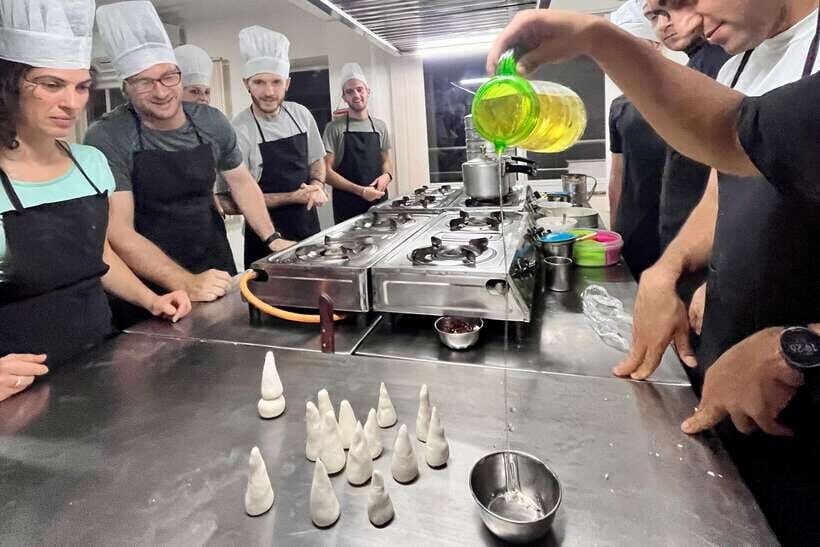
- Small group of up to 8: easier to get help while you cook
- Three menu choices: bara & dal bhat, or chatamari & momo, or thukpa & dessert
- Nepali masala tea + tasting: snack and then you eat what you cooked
- Beginners welcome: suitable for kids 8+ and adults who want to learn
From Thamel To A Bagmati Kitchen: The Setup Matters
Kathmandu’s food lessons work best when you can get your bearings quickly. This one is designed for that. The workshop is easy to reach from Thamel and the rest of the Kathmandu Valley, so you’re not spending your short afternoon on transport wrangling.
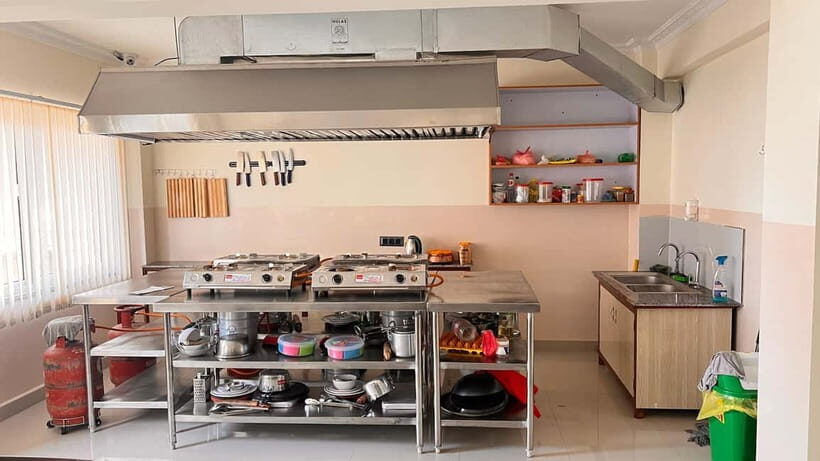
It’s also set up to be manageable. The class runs 2 to 3 hours and keeps the group limited to 8 participants. That time window is important: you want enough time to actually cook and taste, but not so long that you leave hungry for your next plan in Kathmandu.
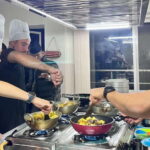
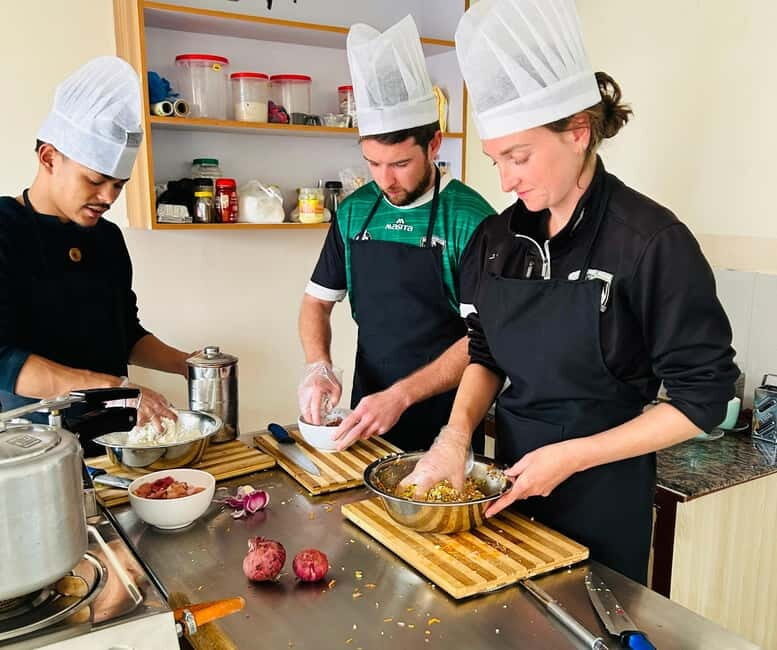
The vibe is practical. You’re not just watching. You’ll be in a kitchen environment with step-by-step guidance from a local chef/instructor who works in English. And because the focus is on classic Nepali dishes, you’ll feel like you’re learning both technique and food culture at the same time.
You can also read our reviews of more cooking classes in Kathmandu
Market Shopping For Dal, Spices, and Dumplings
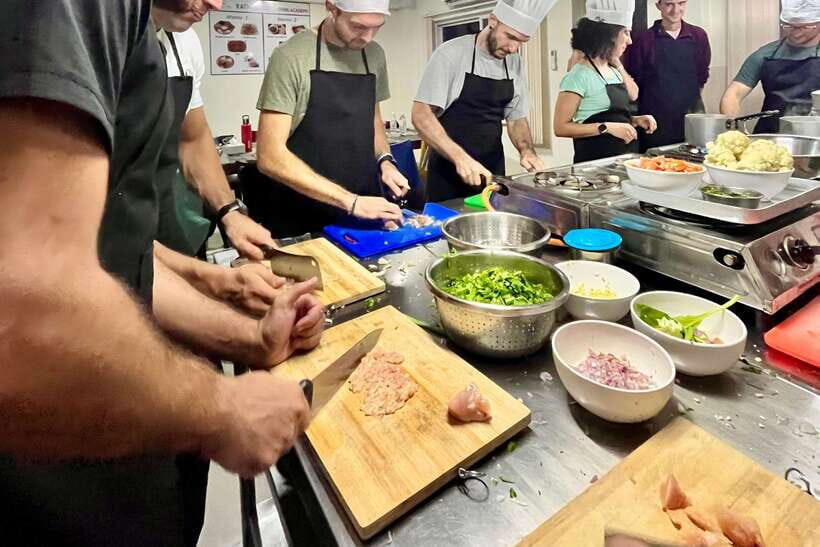
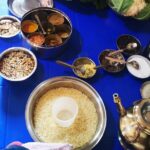
A big reason this class feels worth it is the market/shop tour included before the cooking starts. You’ll buy the key ingredients you need—vegetables, spices, and meat (if your menu choice includes meat options).
Why that matters: Nepali cooking relies heavily on spices, fresh produce, and the right staples. If you’ve ever eaten dal bhat and wondered why it tastes different from home cooking, ingredient selection is often half the answer. Seeing what goes into the dishes helps you understand the final flavor later—especially when you’re the one cooking it.
You also get a small dose of real Kathmandu life. Even if you’re not hunting souvenirs, shopping for dinner teaches you how people actually put meals together. It’s quicker than a full cultural tour, but it lands the same idea: food isn’t separate from daily routines here.
Three Menus, One Skill Set: Bara, Chatamari, Momo, and More
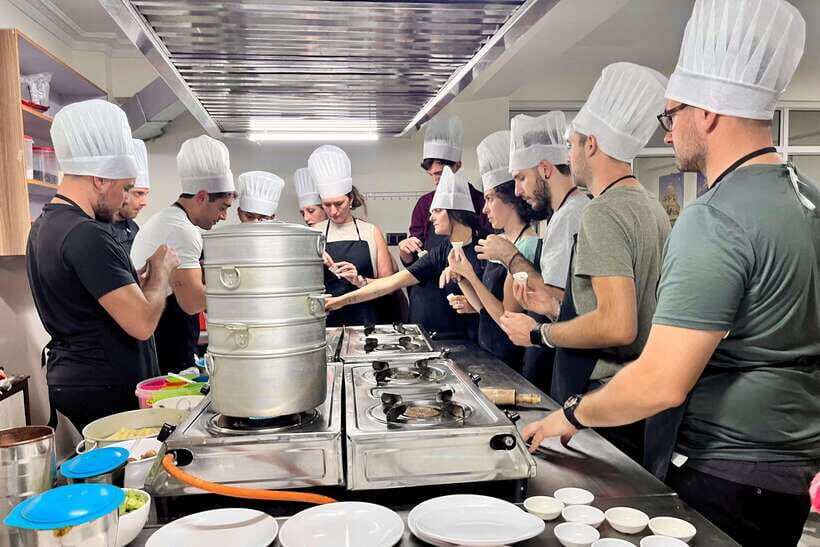
You choose from three menu sets, and each one has a different mix of flavors and cooking styles. I like that you’re not stuck with one “tourist only” menu.
Here’s what you can expect from each option:
Menu 1: Bara, Dal Bhat, and Yomari
- Bara: a traditional Nepali lentil pancake made from ground black gram batter, seasoned with spices. It can be plain or topped (for example with egg, minced meat, or vegetables).
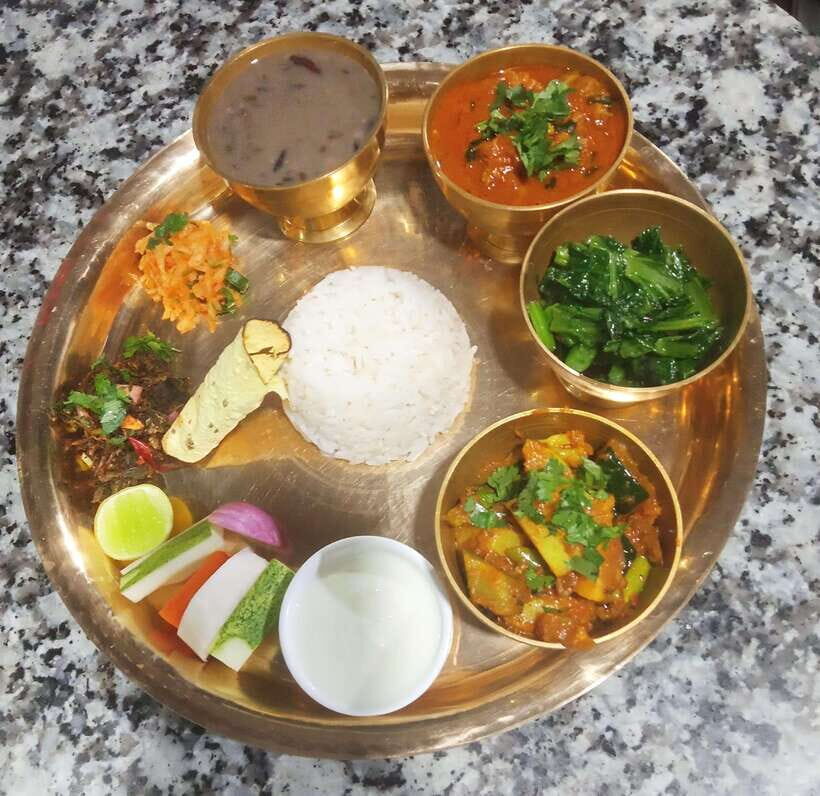
- Dal Bhat: steamed rice with lentil soup, usually served with vegetables, pickles, and curry. It’s a core comfort-food meal across Nepal and nearby regions.
- Yomari: a Newari dumpling made with rice flour dough and filled with a sweet mixture of molasses (chaku) and sesame seeds (sometimes coconut).
If you want the most “classic Nepal lunch” feeling, this menu leans in that direction. It’s also a strong choice if you like meals where rice and lentils do the heavy lifting.
Menu 2: Chatamari, Momo, and Kheer
- Chatamari: a Newari rice flour crepe sometimes called the Nepali pizza. It’s topped with items like egg, minced meat, vegetables, and spices.
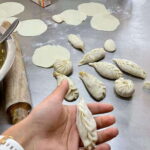
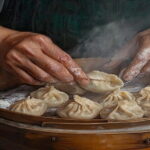
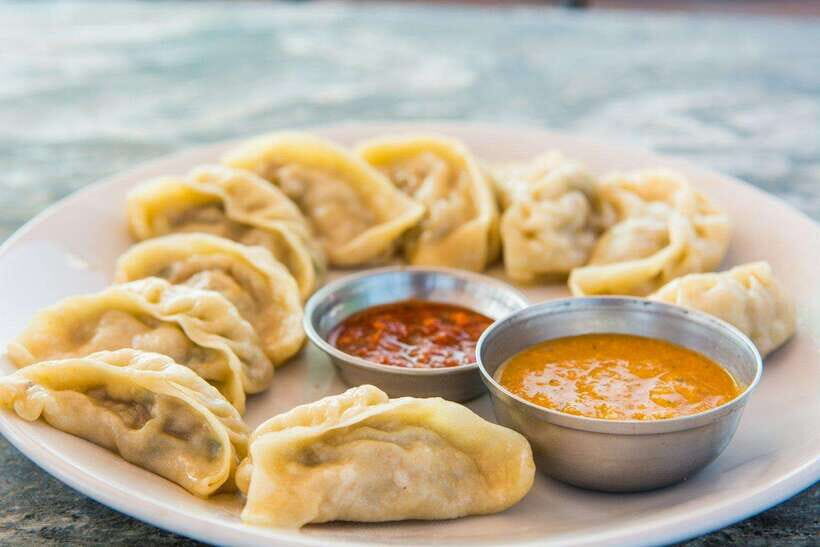
- Momo: dumplings with minced meat (chicken, buff, or pork) or vegetables, seasoned with spices.
- Kheer: rice pudding simmered with milk, sugar, and cardamom, finished with nuts and raisins.
This is the menu for dumpling lovers. Just know this is also the section where your hands will learn new habits—especially with momo folding.
You can also read our reviews of more tours and experiences in Kathmandu
Menu 3: Aloo Chop, Thukpa, and Carrot Halwa
- Aloo Chop: a deep-fried potato snack made from spiced mashed potatoes.
- Thukpa: a Tibetan-Nepali noodle soup with vegetables and often meat (chicken, buff, or mutton), plus aromatic spices.
- Carrot Halwa: a sweet dessert made by slow-cooking grated carrots with milk, sugar, ghee, and cardamom, then topping with nuts and raisins.
Pick this menu if you want something more noodle-and-soup focused, plus a dessert that tastes like comfort food rather than just sugar.
How the Cooking Class Really Works (And Where People Get Stuck)
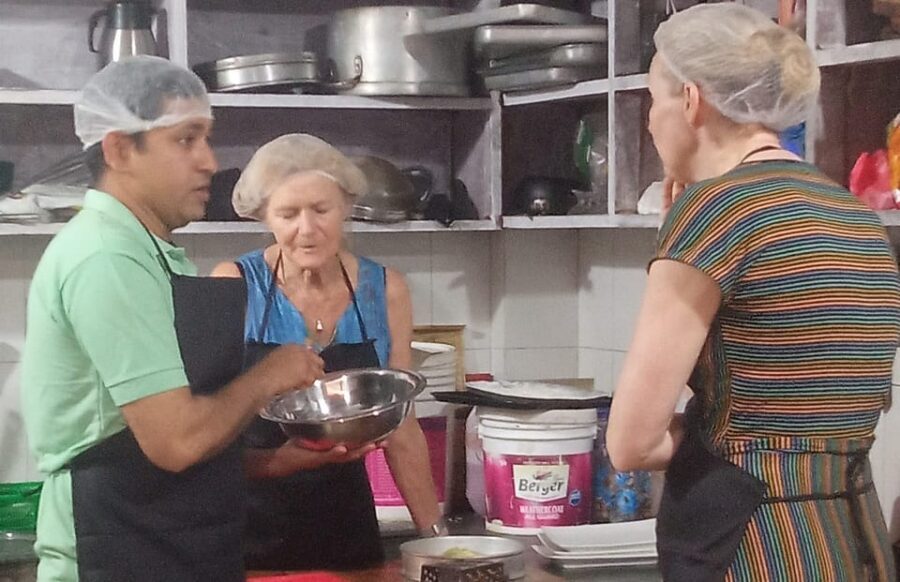
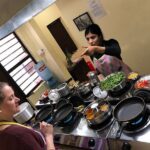
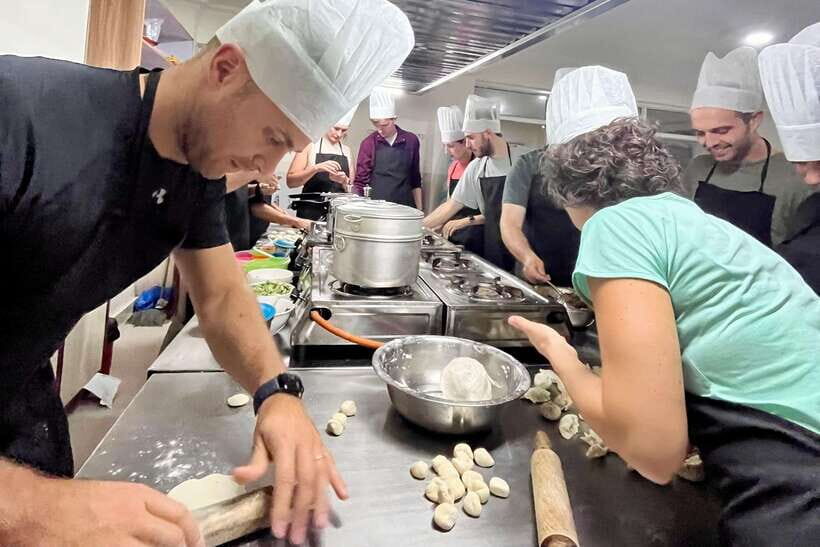
The structure is simple, which is good. The class runs as a hands-on workshop with step-by-step instructions. You’ll be using cooking equipment and accessories provided for the session, so you’re not showing up with gear.
Here’s what you can expect in day-to-day terms:
First, you’ll be taught how to prep and work with ingredients for your selected menu—things like assembling components, learning the basic cooking steps, and understanding how spices fit into the dish. The “how” matters here, not just the final plate.
Then you’ll get hands-on with the dishes. That typically means practicing the key parts: shaping dumplings for momo, working with rice flour dough for crepe-style chatamari, making the lentil batter for bara, or assembling snack and soup elements for aloo chop and thukpa. The class also connects dishes to cultural meaning and cooking methods—so you’re not just copying steps blindly.
Now for the real-world note: momo folding is the skill test. If your fingers struggle, you might feel a bit rushed. One person experienced it as frustrating and said the energy wasn’t as fun once they couldn’t grasp the folding technique quickly. So go in with the right expectations: momo looks simple. It’s not. It takes a little practice.
The good news is that the class is designed for beginners and kids 8+. That age guideline tells you they expect learning curves. Your best move is to keep your attitude calm and focus on improvement, not perfection.
Nepali Masala Tea, Bara Bites, and the Meal You Actually Make
This experience isn’t just cooking—it includes eating. You’ll enjoy a tasting session of the food you prepared, and you’ll also have Nepali masala tea during the lesson.
Masala tea matters more than it sounds. In Nepal, it’s a common comfort drink, and the spice blend gives your taste buds a head start while you cook. It’s also a little break in the middle of a hands-on class, which helps if you’re standing and working for most of the 2 to 3 hours.
Bara can also show up as a snack element depending on your menu choice (Menu 1 includes it, but it’s also described as a favored item in the session). It’s deep-fried or cooked in its own style as a lentil batter dish—crisp on the edges and soft inside when done right. If you like fried comfort foods, this is one of the first bites that feels instantly rewarding.
Then comes the point of the whole class: you taste a full Nepali meal (lunch or dinner style) built from what you made—dal bhat, momo, chatamari, thukpa, and/or dessert options depending on your menu set.
Price and Time: What $11 Gets You in Kathmandu
Let’s talk value. At $11 per person for 2 to 3 hours, the price is unusually low for an experience that includes:
- market/shop tour for ingredients
- a cooking class with step-by-step instructions
- use of cooking equipment and accessories
- masala tea during the lesson
- tasting session of what you cooked
That’s the key: you’re paying for instruction plus ingredients handling plus a meal. In many food experiences, you either pay for entertainment or pay for food. Here, the price is tied to learning and eating.
The value gets even better if you like Nepali comfort foods and want a menu that matches your tastes. Want rice-and-lentils? Choose dal bhat. Want dumplings? Choose momo. Prefer noodles and soup? Choose thukpa. You’re steering the experience.
The only “cost” to think about is your energy for a skill-heavy part. If you know you get annoyed when you can’t do a technique immediately, you may want to mentally prep for a couple messy attempts with dumplings or batter.
Who This Workshop Suits Best (And Who Might Not)
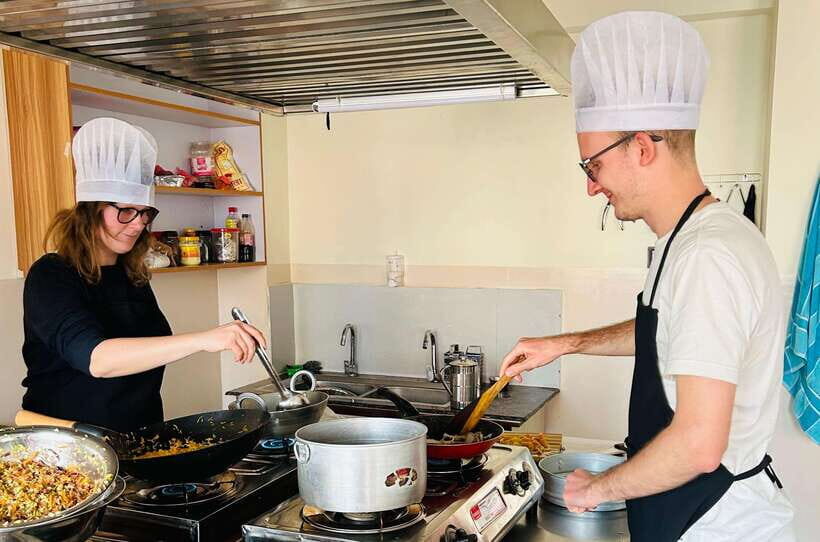
This class is a good fit if you want something practical in Kathmandu. You’ll learn skills you can repeat later: understanding ingredients, practicing common dough and batter work, and building a meal that follows Nepali patterns.
It’s especially smart for:
- Foodies who want hands-on technique, not just tastings
- Anyone staying near Thamel who wants a short, easy-to-plan activity
- Travelers who like markets and want context for what ends up on the plate
- Families with kids age 8+, since the workshop is suitable for that age range
It may be less ideal if:
- You hate learning by doing (this is not a watch-only session)
- You’re extremely pressed for time and can’t spare a full block of 2 to 3 hours
- You want perfect, pretty dumplings on your first try (momo takes practice)
Should You Book This Kathmandu Momo-Making Class?
If you’re deciding between a simple food stop and an actual cooking workshop, I’d nudge you toward the class. For the money, you’re getting much more than a plate of food. You’re getting a market walk, an English-guided cooking lesson, masala tea, and a meal you can take pride in making.
Book it if your goal is to leave Kathmandu with real food knowledge you can reuse—at minimum, you’ll understand how dal bhat and momo fit into everyday life here.
Skip it only if you know you dislike hand skills or you’re the type who needs everything to go smoothly the first time. If that sounds like you, still consider going—but go with lower expectations for dumpling perfection and higher expectations for fun, food, and learning.
FAQ
How long is the cooking class in Kathmandu?
The class runs for 2 to 3 hours.
Where is the workshop located, and is it easy to get to?
The workshop location is accessible from Thamel and the rest of the Kathmandu Valley, so it’s generally easy to reach.
What dishes can you cook?
There are three menu sets. They include combinations such as bara, dal bhat, yomari; chatamari, momo, kheer; or aloo chop, thukpa, carrot halwa.
Do you offer vegetarian and meat options?
Yes. The experience includes vegetarian and meat options depending on the dishes, including options for items like momo.
Is the class taught in English, and is it beginner-friendly?
The instructor speaks English, and the workshop is suitable for people aged 8 and above who are interested in learning new dishes.
Does the price include anything besides cooking?
Yes. It includes the cooking class with step-by-step instructions, a market/shop tour, use of equipment, masala tea, and a tasting session of the food you prepared.