REVIEW · KHUKURI KNIFE WORKSHOPS
Gurkha Knife Making
Book on Viator →Operated by Queermandu | Gay Tours Nepal · Bookable on Viator
Your souvenir has a maker’s mark. In Kathmandu, this Gurkha knife class puts you in a real forge for a hands-on half day, with history woven into the work and a finished kukri you helped create. You’ll learn the legend of Gurkha warriors while you craft your own blade and add your initials.
I love how active this is. You’re not just watching metalwork; you’re part of the process from start to finish. I also love the personal details, like stamping your initials on the blade and using Indian rosewood for the handle.
One thing to consider: this is a 4-hour workshop, so it takes a meaningful chunk of your morning, and you’ll want to be comfortable spending that time working in a small forge space.
In This Review
- Key things to know before you go
- Why the Gurkha kukri story belongs in a Kathmandu workshop
- Garden of Dreams: timing, meetup, and how the half-day flows
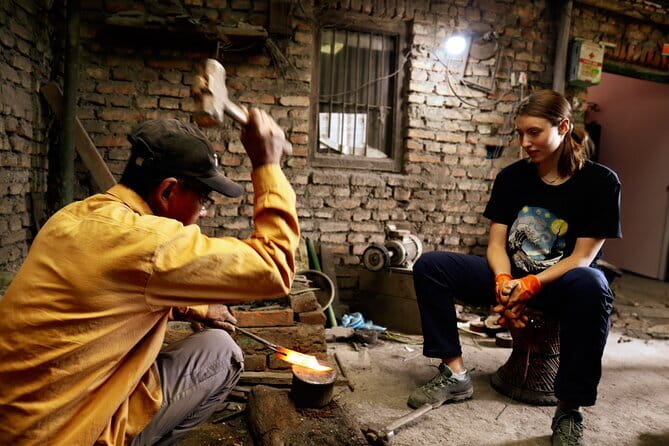
- Inside the forge: what you’ll actually do with your hands
- Materials and design choices: why rosewood and the initials stamp matter
- Meet the people behind the process: guides like Aayam, Indra, and Aachal
- The small-group advantage: 4 travelers changes everything
- Tea, cookies, and the rhythm of a craft session
- 100-year guarantee: what it means for value
- Price check: $66 for 4 hours of hands-on work
- Who should book this Gurkha knife making class
- Who might want a different activity
- Should you book Gurkha Knife Making in Kathmandu?
- FAQ
- Where is the Gurkha knife making class located in Kathmandu, and when does it run?
- How long does the experience take?
- What does it cost?
- What will I make during the session?
- Is pickup offered, and do I get a mobile ticket?
- Is there a guarantee for the knife?
- Can I cancel if my plans change?
Key things to know before you go
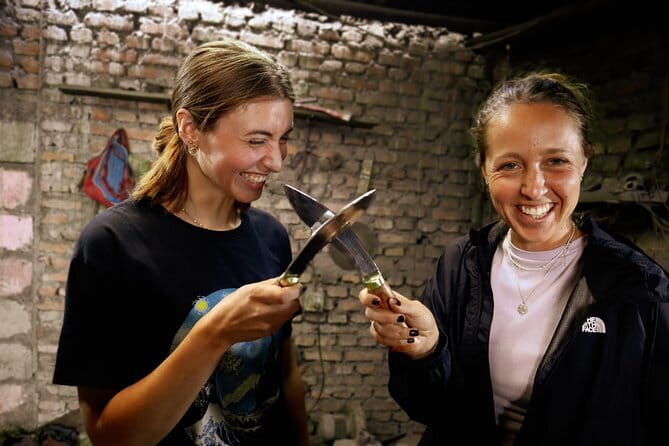
- Small group size: capped at 4 travelers, so the class doesn’t feel crowded
- You make the knife: you create an authentic Gurkha kukri, not a craft project that’s mostly decorative
- Rosewood handle: the session uses Indian rosewood for the grip
- Initials stamp: you’ll put your own initials on the blade for a real keepsake
- Lasts for years: each knife comes with a 100-year guarantee
Why the Gurkha kukri story belongs in a Kathmandu workshop
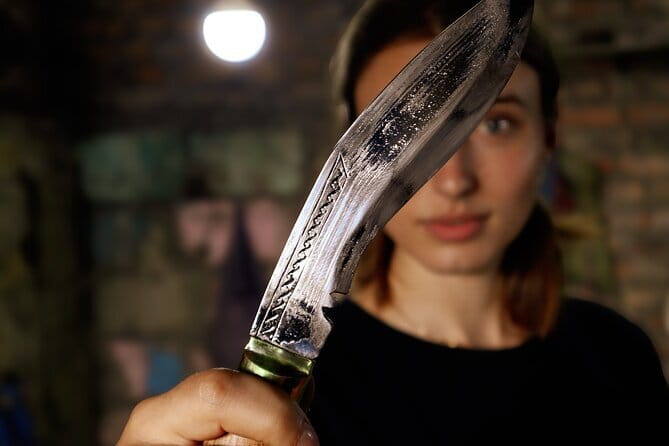
The Gurkha knife (the kukri) isn’t just a blade-shaped souvenir. It carries a reputation tied to Gurkha history and warrior legends, including themes of strength and resistance. That matters here because the workshop doesn’t treat the knife like a random craft item. You get the story alongside the work, so you leave knowing what you made and why it earned its place in Nepal’s cultural memory.
In a city full of temples and markets, I like that this experience gives you something tactile. You learn with your hands. You’re also shown how legends get carried forward through skills, training, and daily practice—blacksmithing that’s meant to produce tools that last.
You can also read our reviews of more tours and experiences in Kathmandu.


Garden of Dreams: timing, meetup, and how the half-day flows
The session starts at the Garden of Dreams (Tridevi Sadak, Kathmandu 44600) and ends back at the same meeting point. It’s scheduled for a morning window, with Monday through Sunday from 7:15 AM to 10:15 AM (for the listed season dates). The full experience is about 4 hours.
Here’s the practical angle: a morning start works well if you want one focused activity and then more time for Kathmandu’s sights afterward. It also means the workshop day stays simple—one pickup point, one return point, no maze of transfers.
If you’re staying somewhere central, you might not need pickup, but it’s offered. The activity also uses a mobile ticket, which is handy if you don’t want to worry about printing.
Inside the forge: what you’ll actually do with your hands
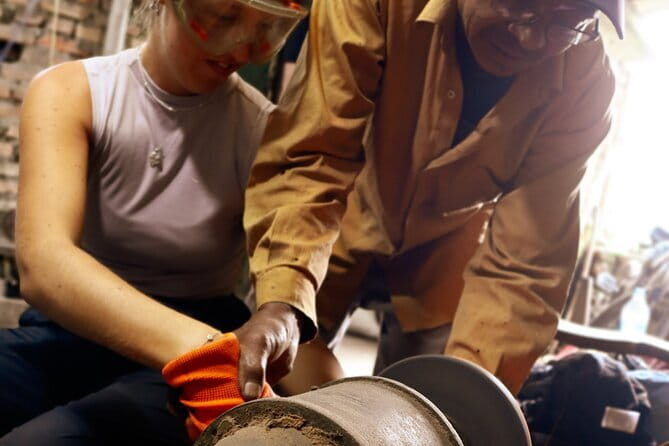
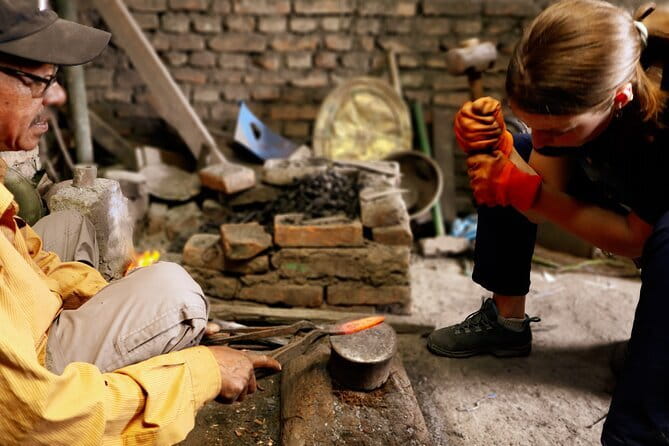
This is hands-on metalwork, and the session is built around making your own authentic Gurkha knife. That authenticity shows up in the fact that you’re doing real smithing steps rather than assembling a pre-made kit.
In the workshop, you can expect a guided process that includes:
- shaping and working the blade
- adding the finishing touches that make it look like a proper knife
- creating the handle with Indian rosewood
- stamping your initials onto the blade for that personal, permanent mark
One detail I really like from the way this class is described: it includes work that starts from scrap metal. That means the session isn’t just about decoration—it’s about transformation, watching rough material become a tool you can actually keep and use as a long-term souvenir.
While you work, you’re treated to tea and cookies. That small comfort matters in a shop like this, where you’re standing, listening, and concentrating for hours.
Materials and design choices: why rosewood and the initials stamp matter
The handle is made with Indian rosewood, and that’s a practical benefit as much as a visual one. Rosewood is known for its sturdiness and grain character, so it helps the knife look good in photos and feel solid in your hand.
The initials stamp is the other smart element. Stamping your own initials turns the knife into something uniquely yours. It’s not just a name tag that might fade; it’s part of the blade’s identity. If you’re the type who likes souvenirs that feel earned, this is exactly that kind of detail.
Also, the class talks about forging a welcome space for everyone. That shows in the pacing: the session is described as relaxed and supportive, with room to ask questions while you learn.
Meet the people behind the process: guides like Aayam, Indra, and Aachal
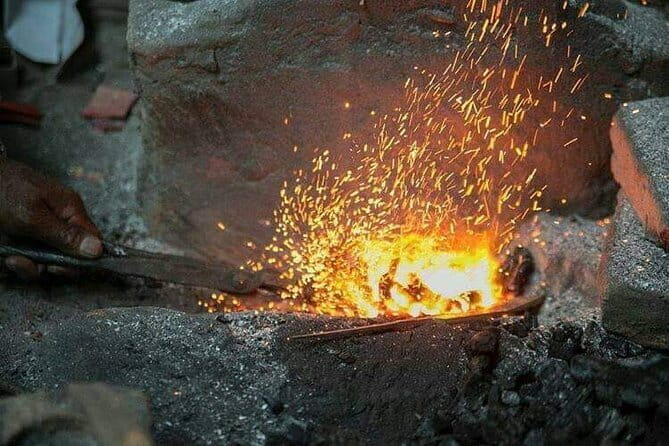
Blacksmithing is one of those crafts where the teacher matters. And in this experience, the human side shows up in the way the guides and smiths support the group.
You’ll sometimes be hosted by guides such as Aayam, who has been described as friendly and helpful with translation, plus bringing laughter and good energy to the session. That’s not fluff. Translation and explanations make a big difference when you’re learning technique and also trying to understand the history behind what you’re making.
You may also spend time with the craft side of the operation through the smith himself, named Indra in some sessions. Indra is described as skilled and knowledgeable about the work, and that matters when you want to do the right steps instead of rushing through them.
Another name you might see is Aachal, described as warm and friendly, with a host presence that helps the day feel smooth and fun rather than tense.
Finally, the class is small (max 4 travelers), which gives you better access to the instructors. If you’ve ever been stuck at the back of a big tour group, this will feel more like a workshop with you included, not a spectator experience.



The small-group advantage: 4 travelers changes everything
A cap of 4 travelers is a big deal for a hands-on class. With small numbers:
- you get more time with the smith
- you’re more likely to understand each step as it happens
- you can ask questions without feeling rushed
- the group can move at a slower, more comfortable pace
It also makes this a good option if you’re traveling solo. You still get a shared experience, but you’re not stuck in a crowd.
And because it’s a half-day, you don’t have to sacrifice your whole itinerary. You get a focused window of craft learning, then you’re free to plan your afternoon.
Tea, cookies, and the rhythm of a craft session
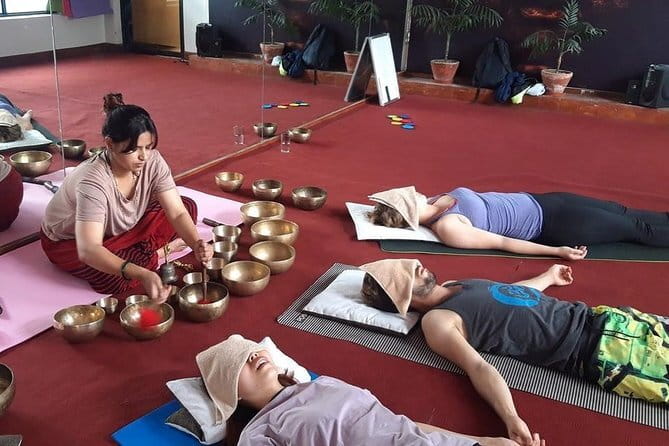
Even short workshops have a rhythm. You work, you pause for explanation, you work again. Having tea and cookies available helps keep energy up and gives you a moment to reset without breaking the flow of learning.
The atmosphere is described as relaxed and supportive. That’s important because metalwork can look intimidating from the outside. When you’re in the shop, you need confidence that you’ll be guided step-by-step.
That supportive feel also shows up in the way the team communicates. In at least one case, the organizers were accommodating with a last-minute booking, with patient replies to questions.
100-year guarantee: what it means for value
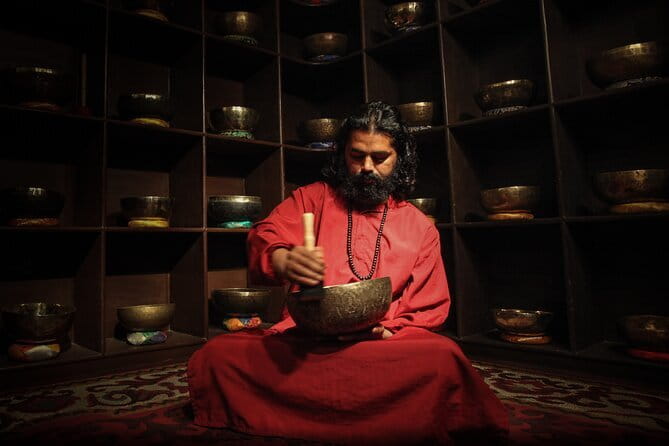
This is one of the standout claims: each knife comes with a 100-year guarantee. I treat guarantees as a signal of confidence, not as magic. But when a workshop is putting its name behind durability, it’s a meaningful part of your value.
It also changes what you’re buying. This isn’t just a craft souvenir you hang up. You’re leaving with a functional-style item made through a process that claims serious longevity.
Couple that with:
- Indian rosewood handle
- your initials stamped directly into the blade
- a guided workflow rather than a pre-made result
…and the price starts to look less like a “ticket” and more like paying for instruction plus a real, durable keepsake.
Price check: $66 for 4 hours of hands-on work
At $66 per person for about 4 hours, you’re paying for more than entry. You’re paying for:
- small-group time (max 4 travelers)
- materials and tools involved in making the knife
- guidance from the smith and the translator/guide support
- tea and cookies during the session
- the final product, backed by a 100-year guarantee
It’s also the kind of experience you can’t easily replicate. I’d put this in the category of “you’re buying a skill-adjacent memory,” the kind that stays with you because your hands did the work.
If you’re on a tight budget, compare it to other Kathmandu activities that cost similar amounts and don’t take you into the making process. If you want authenticity and participation, this offers strong value.
Who should book this Gurkha knife making class
This is a great fit if you:
- want a hands-on craft experience in Kathmandu
- like history that ties directly into what you’re doing
- enjoy personal souvenirs, especially ones with your initials stamped in
- prefer smaller groups rather than large tour crowds
- want a morning activity that’s only about half a day
It also works well if you’re a curious traveler who likes meeting local craftspeople and seeing how a traditional skill gets practiced today.
Who might want a different activity
This workshop may not be your best match if:
- you’re short on time and can’t spare a full 4-hour block
- you prefer to watch rather than participate
- you don’t want a long workshop session centered around making a knife
One more practical note: you’ll need to plan how you’ll transport your finished knife back with you. The experience provides the product, but you’ll still be responsible for how it fits in your bags and travel plans.
Should you book Gurkha Knife Making in Kathmandu?
If you want an experience that’s genuinely hands-on, this is an easy yes. The combination of small-group teaching, a real blacksmithing process, tea and cookies, and the finished kukri with Indian rosewood plus an initials stamp makes it feel personal and lasting. Add the 100-year guarantee, and the value story gets stronger.
I’d book it if you’re the type who remembers best the things you helped create. If that’s you, this will likely be one of your Kathmandu highlights.
FAQ
Where is the Gurkha knife making class located in Kathmandu, and when does it run?
You meet at the Garden of Dreams, Tridevi Sadak, Kathmandu 44600, Nepal. The activity starts within the listed morning window, Monday through Sunday from 7:15 AM to 10:15 AM.
How long does the experience take?
The experience lasts about 4 hours (approx.).
What does it cost?
The price is $66.00 per person.
What will I make during the session?
You’ll create your own authentic Gurkha knife (kukri). The handle is made with Indian rosewood, and you can stamp your initials on the blade.
Is pickup offered, and do I get a mobile ticket?
Pickup is offered, and you’ll receive a mobile ticket.
Is there a guarantee for the knife?
Yes. Each knife is backed by a 100-year guarantee.
Can I cancel if my plans change?
Yes, you can cancel for a full refund up to 24 hours in advance of the experience start time (free cancellation). Canceling later than that won’t be refunded.