REVIEW · KATHMANDU CITY & WALKING TOURS
Kathmandu Walking Tour
Book on GetYourGuide →Operated by Breakfree Adventures Pvt. Ltd. · Bookable on GetYourGuide
Kathmandu feels close on foot. This 4-hour small-group route shows everyday life on Kathmandu’s streets and alleyways, then connects it to two UNESCO World Heritage Sites. It’s the kind of walk where the city keeps talking even after the guide stops.
I like that you get pickup from the Thamel area and an English live guide who can explain what you’re seeing as you go. Past guides for this tour, including Shankar Bhattarai and Madan Sakota, picked up strong reviews for answering questions and keeping things clear.
One thing to plan for: monument entrance fees are not included, and the tour isn’t suitable for wheelchair users or pregnant women. If you hate walking or need step-free access, this may not be your best match.
In This Review
- Key Highlights at a Glance
- Entering Kathmandu’s Daily Life: A 4-Hour Walk That’s More Than Sights
- From Your Hotel to Ason: Getting Oriented at Kathmandu’s Oldest Market
- What makes this stop worth your time
- Kathmandu Durbar Square: UNESCO Without the Museum Feel
- What to look for (so you don’t miss the point)
- Freak Street: A Quick Detour With Hippy-Era Meaning
- Swayambhunath (Monkey Temple): Panoramic Valley Views From a Hilltop UNESCO Site
- How to make the hilltop part easier on yourself
- Price and Logistics for $30: What You’re Getting, What You’ll Pay Extra
- Budget tip that saves headaches
- Guide Style and Small-Group Size: Why the Day Feels Human
- Pace reality check
- Who This Tour Is For (and Who Should Skip It)
- Should You Book This Kathmandu Walking Tour?
- FAQ
- How long is the Kathmandu Walking Tour?
- What does the tour cost?
- Are monument entrance fees included?
- Is pickup included?
- Is this tour skip-the-line?
- Is the tour wheelchair accessible or suitable during pregnancy?
- Who runs the tour?
Key Highlights at a Glance
- Start at Ason market: walk into Kathmandu’s daily rhythm from its oldest market place
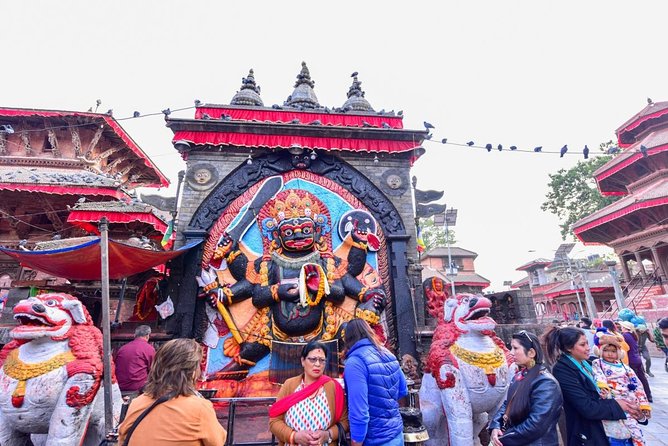
- UNESCO stop at Kathmandu Durbar Square: see a historical and religious complex of temples, palaces, and shrines
- Freak Street detour: learn the story of a famous Hippy-era junction
- Swayambhunath hill viewpoint: get panoramic Kathmandu Valley views from the Monkey Temple area
- Small group of up to 10: a manageable size for questions and slower moments
- Local guide + water included: experienced guide support with mineral water during the tour
Entering Kathmandu’s Daily Life: A 4-Hour Walk That’s More Than Sights
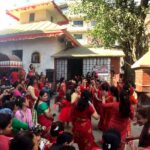
This is a tour built around motion. You’re not just ticking boxes. You’re moving through busy streets, narrow alleys, older market areas, and squares, with your guide helping you make sense of what’s around you.
The route also pays off in two big ways. First, it gives you a front-row view of daily Kathmandu life right away at Ason, the oldest market place. Second, it anchors the walk with two UNESCO World Heritage Sites, so the city doesn’t feel random—you understand why these spots matter.
The pacing is friendly for most people because it’s a short day: 4 hours. That matters in Kathmandu, where travel time can eat your afternoon fast. Still, you’ll want comfortable shoes, and you’ll be most happy if you like walking and asking questions along the way.
You can also read our reviews of more walking tours in Kathmandu


From Your Hotel to Ason: Getting Oriented at Kathmandu’s Oldest Market
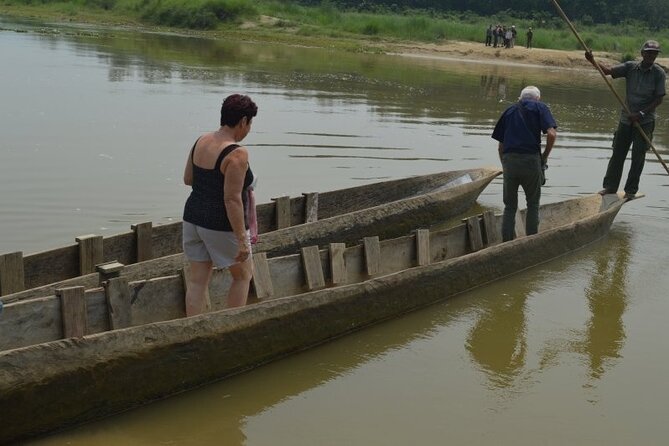
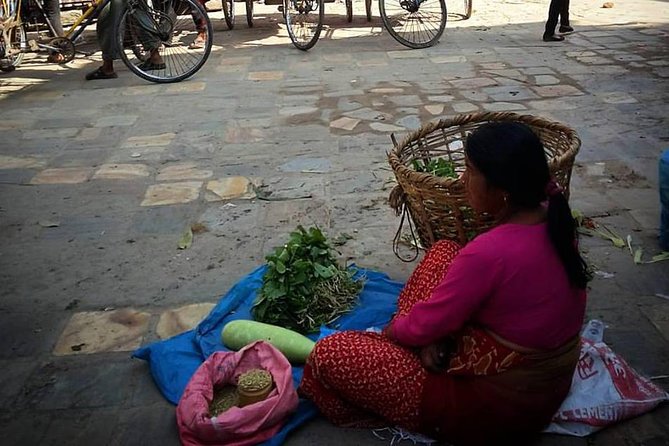
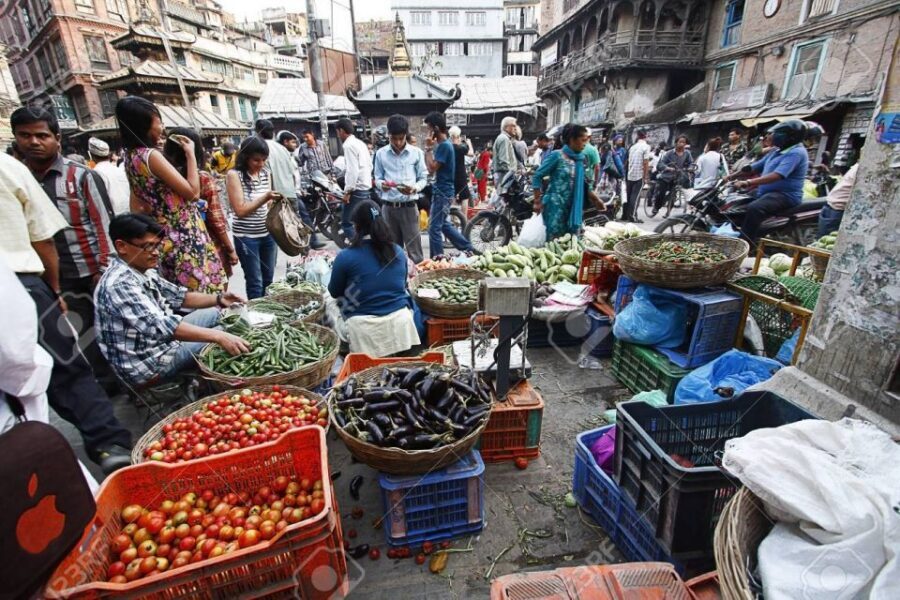
The tour starts with a simple, useful move: you walk from your hotel to Ason, a central market area. The idea is clear. Before you get historical, you get practical. You see how people actually shop, move, and live.
Ason is described as the oldest market place in Kathmandu, which gives the start a strong foundation. Even if you don’t buy anything, you’ll get something more important than souvenirs: a feel for how the city works on an ordinary day.
You’ll pass through the kinds of spaces that shape Kathmandu’s character—busy streets, shops, squares, and ancient temples. If you’re visiting for the first time, this early slice helps you later. You’ll recognize patterns: where people gather, how streets connect, and why certain corners feel important.
What makes this stop worth your time
- You get context fast: markets explain the city’s energy better than most viewpoints.
- It’s sensory without being a museum: real daily activity, not staged interiors.
- Your guide can connect dots: you’re not left guessing what you’re looking at.
Kathmandu Durbar Square: UNESCO Without the Museum Feel
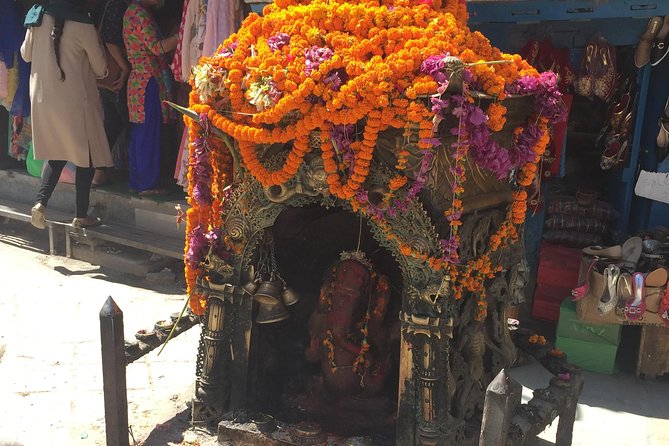
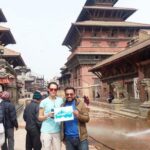
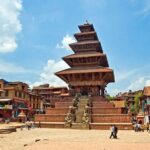
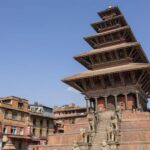
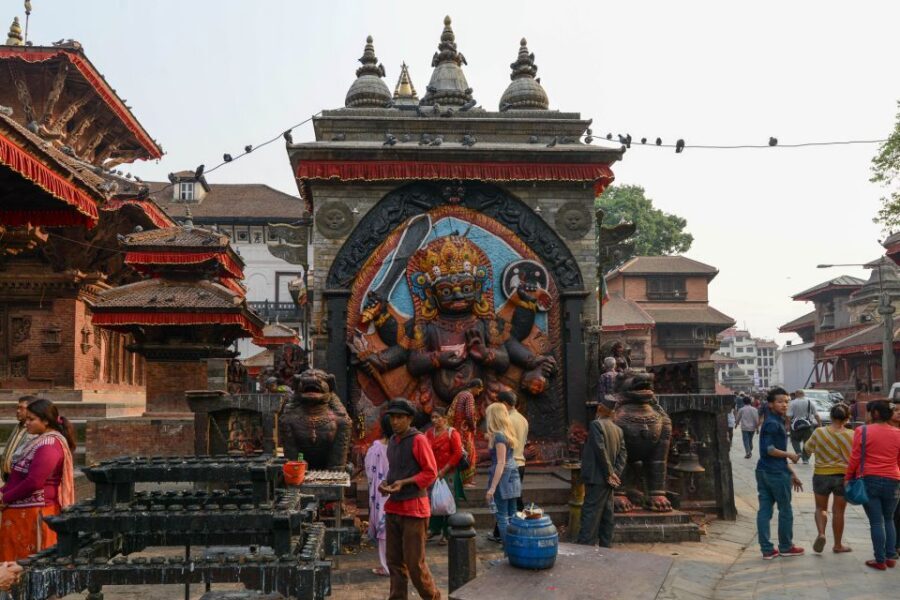
After Ason, you head to Kathmandu Durbar Square, a UNESCO World Heritage Site. This is a historical and religious location where you’ll find many temples, palaces, and shrines in one concentrated area.
This stop matters because it’s not just pretty architecture. It’s a living kind of landmark, tied to how Kathmandu organizes belief and public space. Walking through it gives you a stronger mental map than simply looking at a photo.
A practical perk is that the tour includes skip the ticket line. That can save time and reduce stress when you’re ready to move on to the next part of the day. Entrance fees for monuments are not included, though, so you’ll still need to budget for what the sites charge.
What to look for (so you don’t miss the point)
You’ll do best if you focus on categories your guide highlights: temples, palaces, shrines, and squares. That keeps you from getting lost in details and helps you understand why the area is UNESCO-listed beyond appearances.
If you’re short on attention span for long stops, this is still workable because it’s integrated into a wider 4-hour flow. You’ll see Durbar Square as a segment of a city walk, not as the whole day.

Freak Street: A Quick Detour With Hippy-Era Meaning
Next comes Freak Street, described as the most popular junction during the Hippy era. This part is shorter by nature, but it adds a different type of context.
Why it’s useful: Kathmandu isn’t just temples and heritage. It also has layers of outsider history, travel culture, and changing street identities. Freak Street helps you notice how a place can carry different meanings for different eras.
From a value standpoint, this is a smart “add-on.” It costs you little time, but it gives you a story you can later connect to what you saw at Ason and Kathmandu Durbar Square. It also helps the tour feel less like an organized sightseeing checklist and more like a single day in Kathmandu.
Swayambhunath (Monkey Temple): Panoramic Valley Views From a Hilltop UNESCO Site
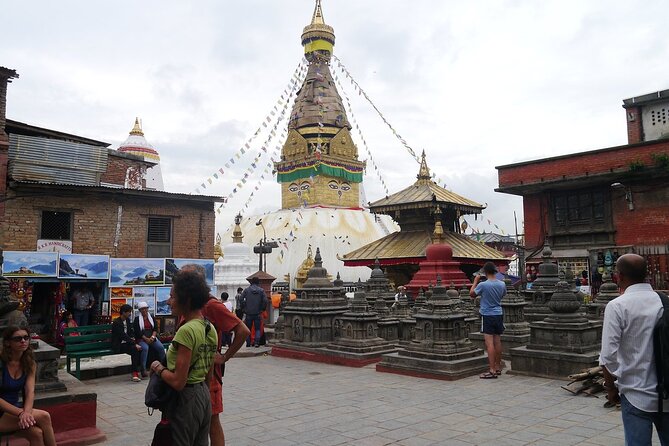
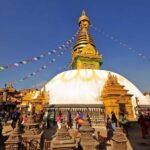
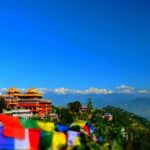
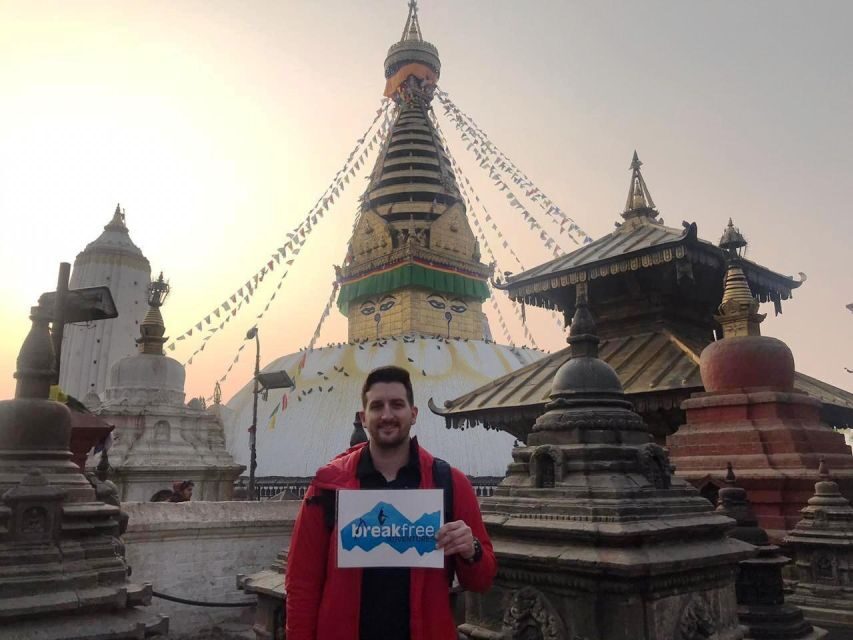
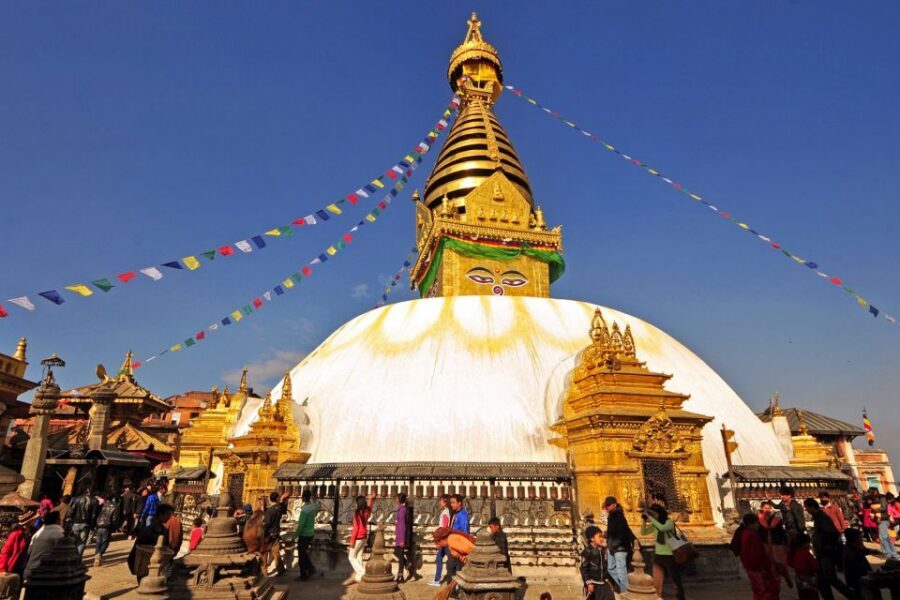
The tour then heads to Swayambhunath, also known as the Monkey Temple, another UNESCO World Heritage Site. It’s located at the top of a hill, and that’s the big payoff: panoramic views of the entire Kathmandu Valley.
Even if you’ve seen lots of viewpoints elsewhere, I like this kind of finish because it changes your relationship with the city. After walking streets and squares, the hilltop view forces you to step back and understand scale. You start placing neighborhoods in your head instead of treating everything as separate stops.
The tour includes walking back to Thamel, but there’s also an alternative. You can take a taxi from Swayambhunath to Thamel if you’d rather not finish on foot.
How to make the hilltop part easier on yourself
- Wear comfortable shoes. This tour expects walking.
- Bring cash, since monuments entrance fees are not included.
- If your energy is running low, consider the taxi option to protect the rest of your evening.
Price and Logistics for $30: What You’re Getting, What You’ll Pay Extra
At $30 per person for a 4-hour guided walk, this is positioned as an accessible city introduction. You’re paying mainly for three things: an experienced local guide, the structured route (including two UNESCO World Heritage Sites), and pickup from the Thamel area. Mineral water is also included.
Here’s the balance check: monuments entrance fees are not included. So your total cost will depend on what you’re required to pay at the UNESCO-related sites during your visit. You’ll also pay separately for any taxi you choose (the tour specifically mentions a taxi option from Swayambhunath back to Thamel).
Still, the “skip the ticket line” detail can be valuable. If you’ve ever spent your limited sightseeing time stuck waiting, you know how much that small perk can matter.
Budget tip that saves headaches
Carry enough cash to cover entrance fees. The tour explicitly mentions bringing cash, and IDs can also come up (passport or ID card is requested). When you arrive with the right basics, you stay in flow.
Guide Style and Small-Group Size: Why the Day Feels Human
This tour is limited to 10 participants. That number is more than a policy detail. In practice, it keeps the walk flexible enough for real questions, not just a rush of photos.
The guide is live and in English. That’s a big deal in Kathmandu, because local explanations can turn “I saw a temple” into “I understand why it’s significant.” Reviews for this tour highlight guides like Shankar Bhattarai and Madan Sakota for strong storytelling and Q&A.
One more practical note from reviews: a few guests reported that their guide picked up on time and even dropped them back at the hotel. That’s not something you should assume every time, but it speaks to the fact that the better guides keep the day organized, not chaotic.
Pace reality check
You’re walking through busy areas. So the tour is best for people who enjoy city energy and don’t mind crowds in the background. If you want quiet time, this itinerary may feel intense, even if the total duration is only 4 hours.
Who This Tour Is For (and Who Should Skip It)
This is a strong fit if you:
- want a first-time Kathmandu orientation using a local guide
- like walking and figuring things out as you go
- enjoy UNESCO sites when they’re explained in context, not just photographed
It’s also a decent choice if you’re staying in or near Thamel. Pickup is included in the Thamel area, which reduces your logistics stress on arrival days.
But it’s not suitable for everyone. The tour data lists two groups to avoid: wheelchair users and pregnant women. If you fall into either category, look for a different format with step-free access and a gentler pace.
Should You Book This Kathmandu Walking Tour?
I’d book this if your goal is a guided, efficient introduction to Kathmandu that combines everyday street life with two major UNESCO landmarks. The $30 price feels fair because you’re buying time, structure, and an English-speaking local guide, not just entry-level sightseeing.
I’d hesitate only if entrance fees would be a problem for your budget or if walking is a struggle for you. Also, if you’re the type who wants a car-free day but not the crowds, adjust expectations. You’ll be moving through busy streets and markets.
If you do book, set yourself up for success: provide your hotel name so the guide can collect you, bring a passport or ID card, wear comfortable shoes, and carry cash for monuments entrance fees. If you show up prepared, the walk stays fun and manageable—and you’ll leave with a clearer sense of how Kathmandu connects religion, markets, and street culture in one day.
FAQ
How long is the Kathmandu Walking Tour?
The tour lasts 4 hours.
What does the tour cost?
The price is $30 per person.
Are monument entrance fees included?
No. Monuments entrance fees are not included.
Is pickup included?
Yes. Pickup is included from hotels in the Thamel area.
Is this tour skip-the-line?
Yes, it includes skip the ticket line.
Is the tour wheelchair accessible or suitable during pregnancy?
No. It is not suitable for wheelchair users and not suitable for pregnant women.
Who runs the tour?
The experience provider is Breakfree Adventures Pvt. Ltd.