REVIEW · WORKSHOPS
Kathmandu: Wood Carving Workshop with Local Artisan (Thamel)
Book on GetYourGuide →Operated by Relax Getaways Pvt. Ltd · Bookable on GetYourGuide
Want a souvenir you actually made?
In a small group in Thamel, this Kathmandu workshop pairs you with a local artisan to learn practical wood carving skills. You’ll spend your 3 hours turning a blank block into something personal, not just watching from the side.
You also come away with your own carved artwork to take home. And yes, it’s taught in English, so you’re not stuck guessing what a carving tool is supposed to do.
One caution: if you’re hoping for lots of museum-level context on the craft, you might want to ask questions, because the focus stays mostly on the hands-on techniques.
In This Review
- Key points at a glance
- Wood Carving in Thamel: What You’ll Make in 3 Hours
- How the Workshop Starts: Tools, Wood Types, and First Cuts
- Techniques You’ll Practice: Outlining, Chiseling, and Detailing
- Nepalese Motifs: Turning Symbolism Into Real Lines
- The Cultural Lineage Behind the Craft
- Materials and Tools: What You Need to Know Before You Start
- Leaving With Your Own Piece: The Keepsake That Actually Feels Like You
- Price and Value: Is $42 Worth It?
- Best Time to Book and What Group Size Changes
- Who This Wood Carving Class Fits Best (and Who Might Skip It)
- Practical Tips to Get More From Your Session
- Should You Book This Kathmandu Wood Carving Workshop?
- FAQ
- How long is the Kathmandu wood carving workshop?
- What does the price include?
- Do I need previous experience with wood carving?
- Is the instructor available in English?
- How large is the group?
- What should I bring, and are there any restrictions?
Key points at a glance
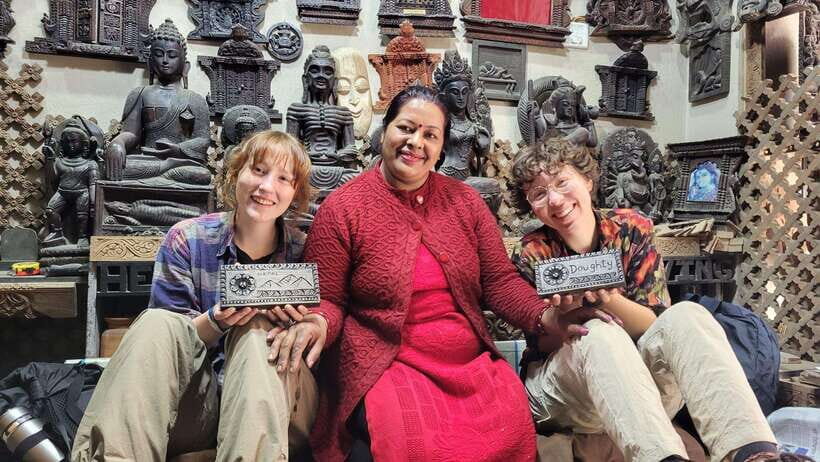
- Small-group setup (max 4) keeps attention on you, not the clock
- Tool-and-technique practice covers outlining, chiseling, and detailing
- Cultural context on Nepalese carving links patterns to temples and architecture
- Sal and teak come up as common woods used for carving work
- Take-home keepsake feels more meaningful than buying a finished piece
Wood Carving in Thamel: What You’ll Make in 3 Hours
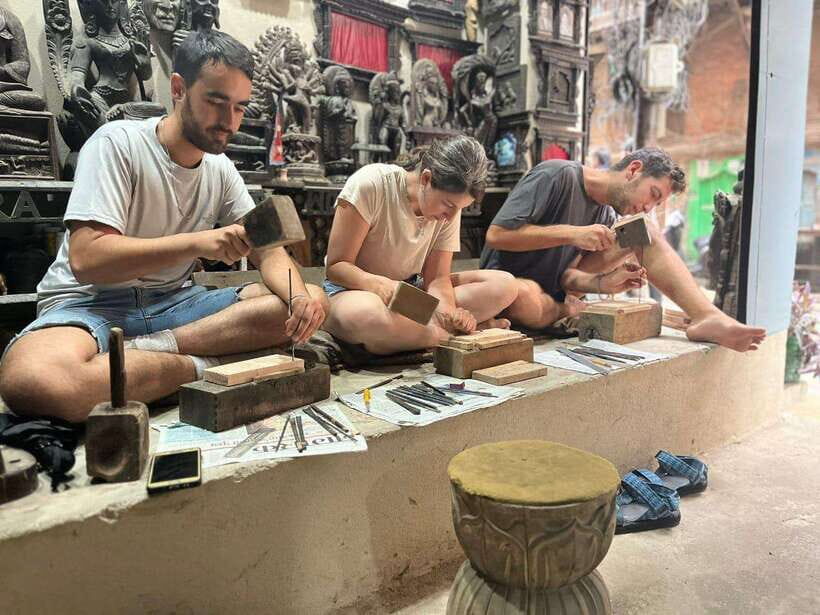
Kathmandu has no shortage of crafts shops. But this workshop is different because the work happens in your hands. You’re in a working setting where you learn by doing—line after line, cut after cut—until your piece looks like it belongs in Nepal, not just in a souvenir bag.
The session is scheduled for 3 hours, and that timing matters. It’s long enough to get comfortable with the tools and finish something you can actually show off, without dragging on for a full day. You’ll also like that it’s designed for different skill levels, including beginners.
And since the instruction is in English, you can focus on learning instead of translating every step. In quiet seasons, you may even find the class becomes more personal, so don’t be shy about asking for extra guidance.
You can also read our reviews of more tours and experiences in Kathmandu



How the Workshop Starts: Tools, Wood Types, and First Cuts
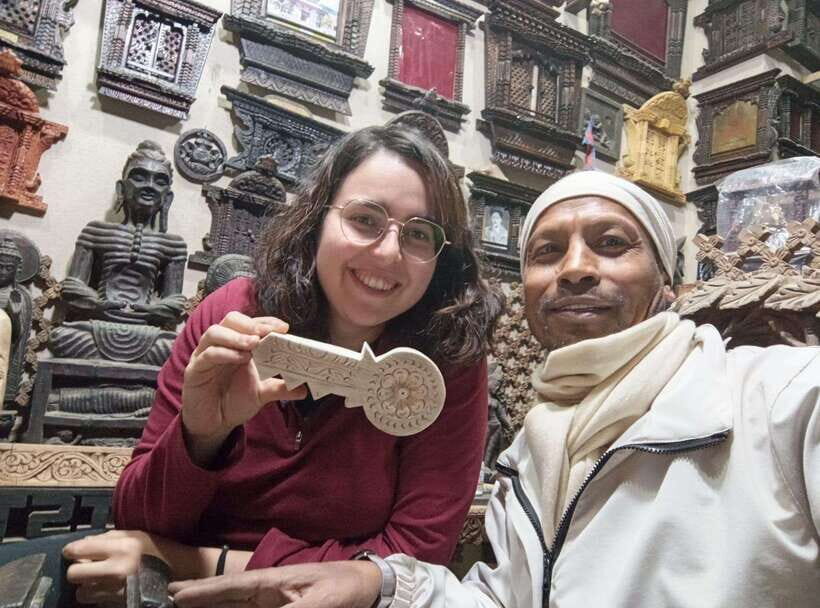
You begin with an overview of the tools and materials used in Nepali wood carving. Expect to learn what the chisels and hammers do, how they’re held, and why the order of steps matters. If you’ve never carved before, this is the part that prevents frustration later.
You’ll also hear about the wood itself. The class mentions commonly used woods such as sal and teak, which matters because wood grain and hardness affect the look of your lines. Even without turning it into a chemistry lesson, you’ll notice how certain areas carve cleaner or require a gentler touch.
You don’t start by guessing. The instructor introduces patterns and basic approaches, then you begin carving on a pre-cut block. That’s a big deal for value: starting from a usable block means more time learning techniques and less time wrestling with something you can’t control.
Techniques You’ll Practice: Outlining, Chiseling, and Detailing
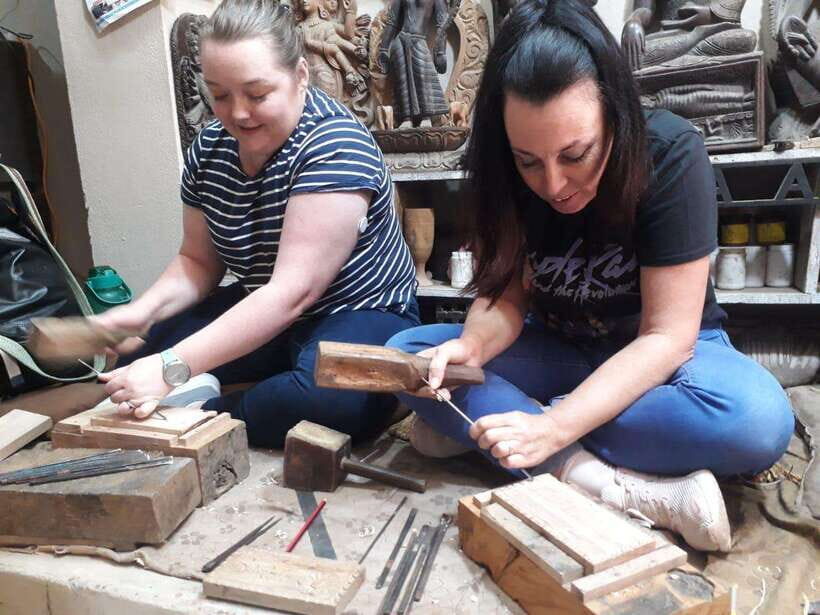
This workshop is built around a simple progression:
- outline your design
- carve the main shapes
- refine with detailing
You’ll practice skills like outlining, chiseling, and detailing with step-by-step guidance. The instructor’s job is to help you correct small issues early—because one shaky line can ripple into the whole piece. That’s why a small group is so helpful; you’re not competing for attention.
What I like about this structure is that it teaches you how carving really works. Carving isn’t just about strength. It’s about control—angle, pressure, and patience. You learn quickly that neat results come from repeated small decisions rather than one dramatic move.
If you get stuck, you’ll usually get quick tips. In past sessions, instructors such as Hera have been described as kind and encouraging, which fits perfectly here. Wood carving can feel intimidating at first. A patient push helps you keep going.
Nepalese Motifs: Turning Symbolism Into Real Lines
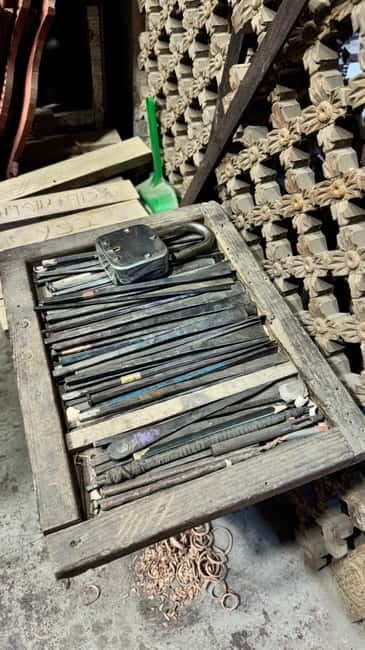
You’re not carving in a cultural vacuum. Nepalese wood carving often reflects spiritual and symbolic themes drawn from Hindu and Buddhist iconography. The workshop introduces common motifs, including things like lotus flowers, mandalas, and mythical creatures.
Even if you choose a simple motif, you’ll feel the meaning in the repetition of shapes. Many designs rely on symmetry, balanced spacing, and clean borders. Once you start carving, you’ll understand why temple woodwork has such crisp detail—the craft is built on careful planning.
During the class, your instructor may share stories about why these motifs appear in Nepal’s architecture and decorative traditions. If you want a deeper explanation of historical context, that’s something you might need to request directly. The time is still primarily focused on making.
The Cultural Lineage Behind the Craft
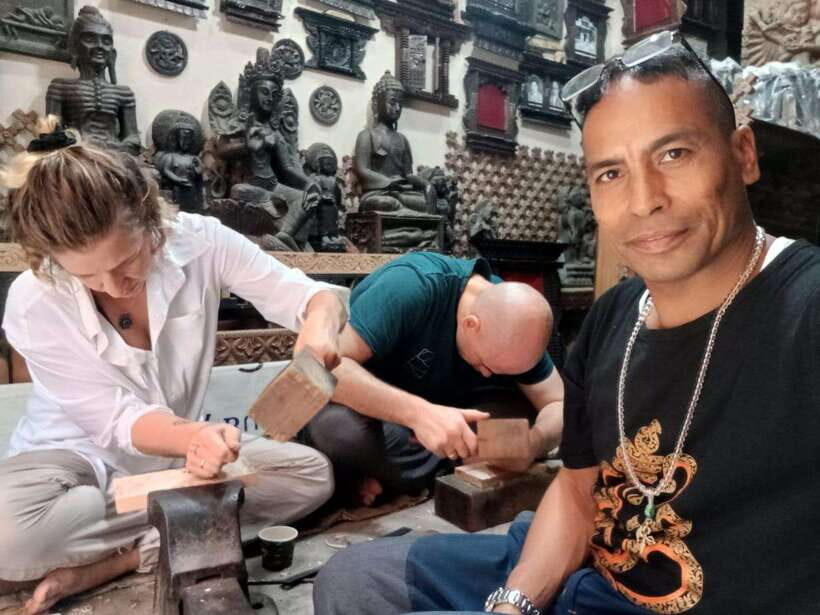
Wood carving in Nepal isn’t just a modern hobby. The class connects it to older eras, including the Licchavi period (4th–9th century), when artisans began adorning temples and palaces with intricate wooden designs. It also references the flourishing of this craft during the Malla dynasty (12th–18th century).
You’ll also hear how the Newar community, native to the Kathmandu Valley, is credited with preserving and mastering this art form. In other words: this is not just a generic “traditional craft.” It’s tied to specific people and specific places.
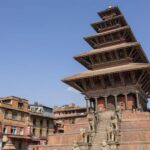
The class mentions landmarks where this craftsmanship shows up, including the Kasthamandap (House of Wood), Bhaktapur’s 55-Window Palace, and the famous Peacock Window. You don’t have to be an architecture expert to appreciate the connection; it simply gives your carving extra weight. Your souvenir becomes part of a bigger story.



Materials and Tools: What You Need to Know Before You Start
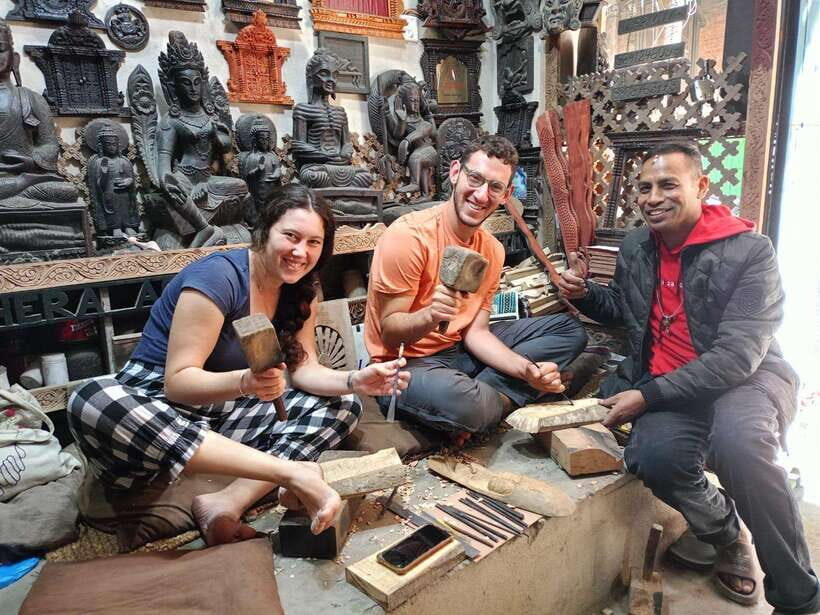
The class provides the necessary tools and materials. So you don’t need to buy equipment. That’s a big reason this workshop is good value for short stays in Kathmandu.
You will, however, benefit from wearing the right kind of clothes. The only requirement listed is comfortable clothes. For the rest, think practical: you’ll be leaning forward, gripping tools, and getting small bits of wood where you didn’t expect them.
Also, note the no-smoking rule. It’s not a big surprise, but it’s worth remembering in a workshop setting.
One more practical reality: your final piece depends on the wood block and the time available. Even if you do everything right, your carving will reflect your choices and your personal pace. That’s not a drawback—it’s the whole point.
Leaving With Your Own Piece: The Keepsake That Actually Feels Like You
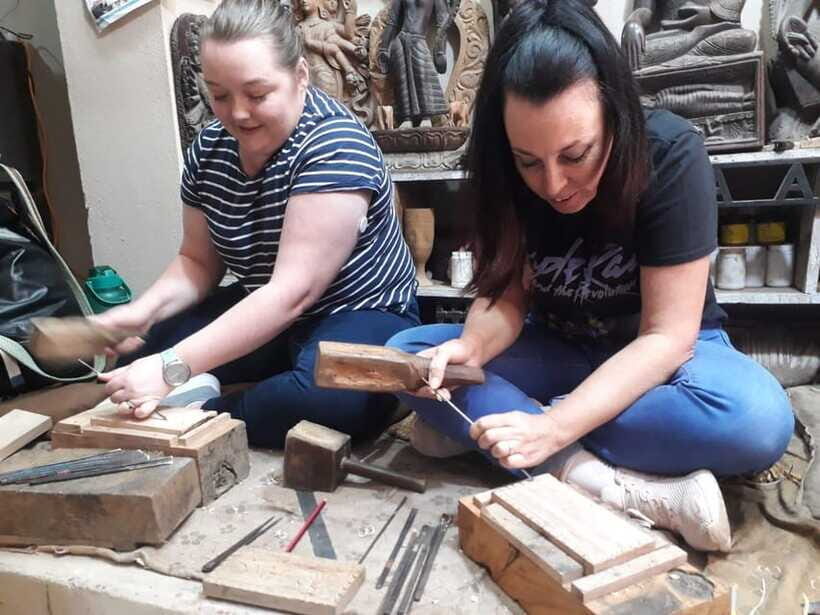
By the end of the workshop, you’ll have created your own wooden artwork. The class describes possibilities like a decorative panel, a small figurine, or a symbolic motif. You’ll be able to take it home as a meaningful souvenir.
This part is why I think this experience beats most “buy a craft” options in Kathmandu. When you carve something yourself, you remember every step—where you corrected your angle, how you adjusted your pressure, what felt hard at first. The item becomes a story you can point to later.
And because it’s small-group instruction, you’re less likely to end up with a rushed, messy outcome. The goal is that you walk away with something you’d be proud to set on a shelf.
Price and Value: Is $42 Worth It?
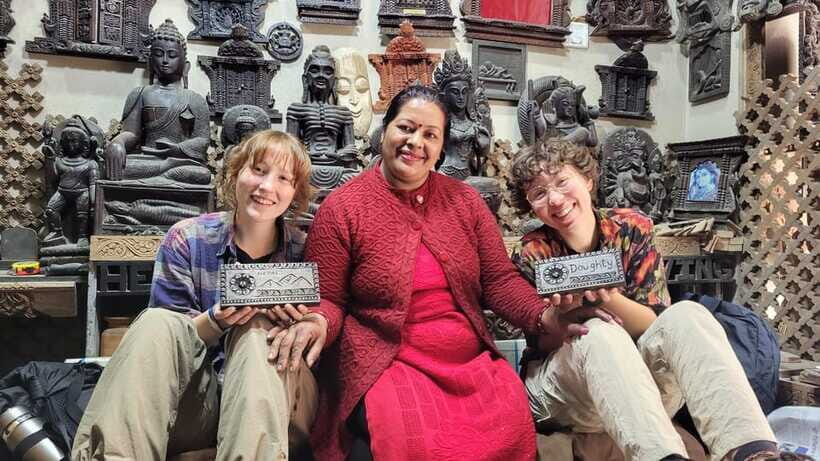
At $42 per person for a 3-hour class, the price is easier to justify when you look at what’s included. The workshop includes guided instruction by local artisans, all tools and materials, and even government taxes and VAT.
You’re paying for three things:
1) expert coaching on technique
2) equipment you don’t have to bring or buy
3) a real outcome you take home
If you’ve ever bought a finished wooden souvenir for more than you expected, you know why this matters. Here, you’re not just purchasing an object—you’re buying time, skill-building, and a guided process.
Also, the small group size (limited to 4 participants) helps justify the cost. It usually means more hands-on attention, and that’s hard to get in bigger classes.
Best Time to Book and What Group Size Changes
The class is built for small groups, maxing out at 4 participants. That keeps the experience from turning into a factory line. In quieter moments, you might even get a more one-on-one style teaching setup, which makes it easier to improve fast.
If you’re traveling as a couple, solo, or with older kids, this format can work well. One family story connected to this workshop highlighted it as a holiday highlight when doing it with a ten-year-old, with an instructor who was patient and helpful.
If your group is large, you’ll still fit within the limit. But you should still expect it to feel more like a studio lesson than a casual craft event.
Who This Wood Carving Class Fits Best (and Who Might Skip It)
This class is a great match if you want a hands-on Nepal experience and like the idea of taking a tangible skill home. It’s also ideal if you’re curious about how craft connects to local culture and architecture.
It may be less ideal if you mainly want entertainment. You’re doing focused work. You’ll learn tools and technique, not just watch someone else create.
You should also consider your expectations about history. You will learn key context, including the origins and cultural significance of wood carving. But the core of the session stays on carving practice.
If you’re the type who asks lots of questions, you’ll do well here. If you want a lecture-first experience, you may want to plan other cultural stops around Kathmandu’s temples and historic sites.
Practical Tips to Get More From Your Session
A few small habits make a big difference in carving classes like this:
- Pay attention to how the instructor holds and angles the tools. That’s often where the quality difference comes from.
- Don’t rush your first outlines. Neat lines later mean less cleanup.
- Ask questions if you want more context on patterns, motifs, or how they relate to temple designs.
- Wear comfortable clothes and expect wood dust to be part of the day.
Also, since the class is English-led, you can translate your curiosity into better results. Ask what motif you’re carving and what the symbols commonly represent.
Should You Book This Kathmandu Wood Carving Workshop?
I think you should book it if you want a hands-on Kathmandu activity with real payoff. The mix of technique instruction, cultural motifs, and a take-home piece makes it a smart value, especially for the 3-hour time window.
I’d skip it only if you’re looking for a long, history-heavy program or if you dislike focused manual work. Otherwise, this is the kind of experience that gives you more than photos. You’ll leave with something you made and can remember months later.
If you’re staying in Thamel and want a break from the usual sightseeing rhythm, this is a solid way to spend your time. You’ll learn how the craft works, not just what it looks like.
FAQ
How long is the Kathmandu wood carving workshop?
The workshop lasts 3 hours.
What does the price include?
It includes guided instruction by local artisans, all necessary tools and materials, your own handcrafted wooden piece to take home, and government taxes and VAT.
Do I need previous experience with wood carving?
No. The class is described as suitable for all skill levels, including beginners.
Is the instructor available in English?
Yes, the instructor provides the workshop in English.
How large is the group?
The group is limited to 4 participants, so it stays small.
What should I bring, and are there any restrictions?
Bring comfortable clothes. Smoking is not allowed.