REVIEW · EVEREST BASE CAMP TREKS
Everest Base Camp Helicopter Tour
Book on Viator →Operated by Trekking Planner Nepal · Bookable on Viator
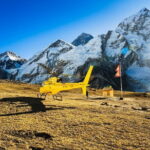
Everest Base Camp, minus the long trek. This helicopter tour packs a big-sky view of Everest and the Khumbu into about 4 hours, with a short Lukla refueling break that keeps the day moving. I love that you get a guided setup plus flight-time immersion right up high, and I love the chance for a Kalapatthar landing (when the passenger rules line up). The main thing to watch: Kalapatthar landing depends on whether you’re sharing and how many people are in your helicopter.
You’ll typically start in Kathmandu with pickup to the domestic airport, then fly for around 3.5 hours total including repositioning and the Lukla stop. After the views from the air, everyone lands at Everest View Hotel for breakfast and a short window (about 45 minutes to 1 hour) to soak in the scenery before heading back.
In This Review
- Key things to know before you go
- Why fly to Everest Base Camp at all?
- How the flight actually runs: Lukla, Kalapatthar odds, then Everest View Hotel
- What you’ll see up there (and what you won’t)
- Timing: the 4-hour day that still feels like you left the planet
- Price and value: what $1,699 buys you (and what it doesn’t)
- Comfort and safety: what to wear and what the rules imply
- Guides, pilots, and that human factor you can’t fake
- Who this tour suits best (and who should reconsider)
- Should you book the Everest Base Camp helicopter tour?
- FAQ
- What does hotel pickup in Kathmandu include?
- How long is the total experience?
- Is there a stop during the flight?
- Will the helicopter land at Kalapatthar?
- Where do you stop after the flight views?
- What’s the passenger weight limit?
- What should I bring or prepare for the day?
- What’s included versus not included in the price?
Key things to know before you go
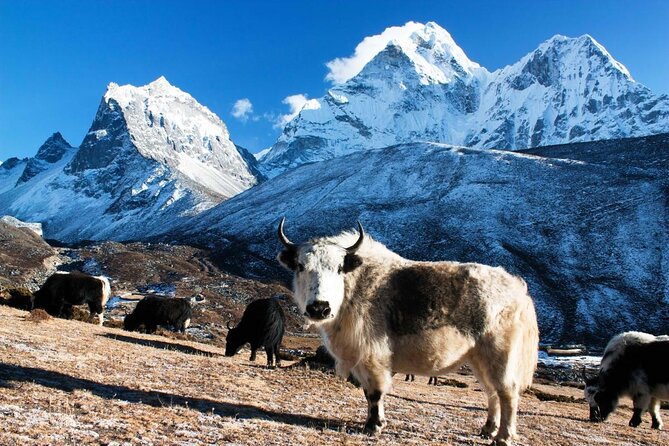
- Kalapatthar landing is rules-based: in shared helicopters, it may not happen if there are more passengers; private landing depends on the group size.
- You get a real Lukla refuel break: plan for a short stop (about 10–15 minutes) that also breaks up the flight.
- Everest View Hotel pause: expect breakfast and about 45 minutes to 1 hour on the ground.
- It’s fast for people who can’t trek: the whole experience is built around a short day, not a multi-week trek.
- Weight limit matters: total passenger weight is listed up to 265 lbs.
- Weather tolerance is part of the deal: it operates in all weather conditions, but you still need to dress for cold wind and altitude.
Why fly to Everest Base Camp at all?
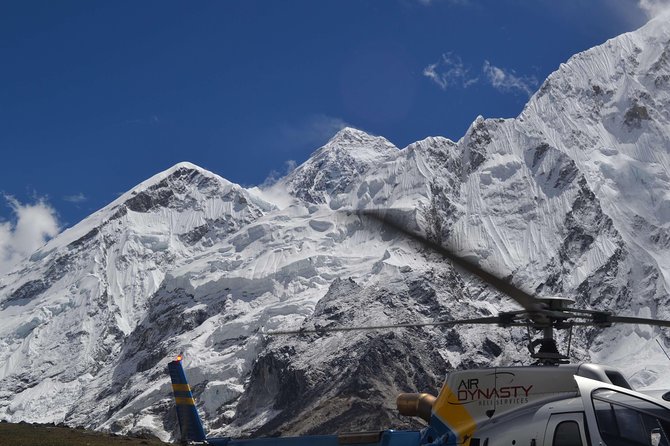
I get why you’re considering this. If you’ve ever looked at the map and thought, No way I’m doing weeks of hiking just to see Everest, this is the clean alternative: you trade walking for flying while still aiming at some of the most “Everest-looking” places in the region.
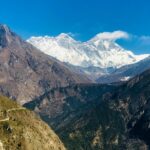
The big draw is the way a helicopter collapses distance. From Kathmandu, you’re not gradually building altitude over days. Instead, you’re going straight to the dramatic stuff—snowy ridges, glaciers, and the valleys that trekkers work so hard to reach. For photographers, this matters because the shapes are clearer when you’re moving above the terrain rather than walking through it.
I also like that the tour is designed to include the human side of the experience, not just a seat on a plane. You have transportation to and from the domestic airport, guides on the heli portion, and the operator provides medical insurance plus first aid gear. That kind of support can take the edge off when you’re dealing with high-altitude conditions.
One more practical point: helicopter time is expensive, so the itinerary is tight. That’s great if you want results fast. It’s less great if you’re the type who likes to wander and linger.
You can also read our reviews of more tours and experiences in Kathmandu
How the flight actually runs: Lukla, Kalapatthar odds, then Everest View Hotel
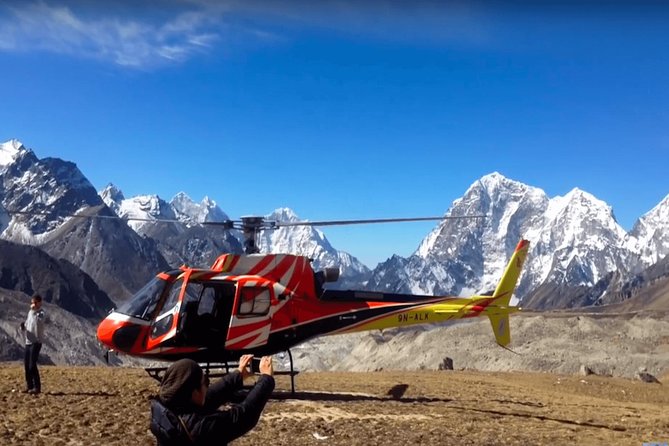
Here’s the flow you should expect, in plain English.
1) Kathmandu to the domestic airport, then into the air
You’re picked up from your hotel area in Kathmandu and taken to the domestic airport for your flight. The whole day is structured around an approx. 4-hour total duration, with flight time listed as about 3 hours 30 minutes.
2) A helicopter view of Everest and Khumbu features
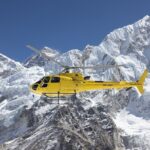
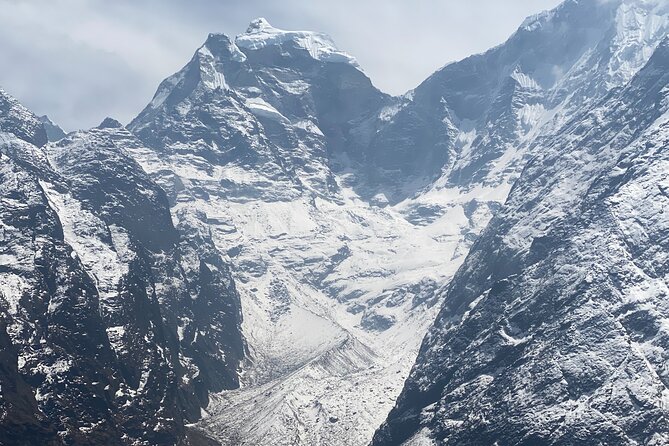
Once airborne, you’re not doing a generic scenic hop. The route is set up for you to see a mix of things that define the Khumbu area: mountain peaks, dense forest patches, glaciers, lakes, rivers, and traditional villages. You also get a shorter on-board experience at each segment, which matters because it keeps your attention forward instead of waiting around.
3) Lukla refueling stop (about 10–15 minutes)
Plan for a brief break at Lukla. This is the one predictable “pause” in the air plan, built in for refueling. It’s short, so don’t expect bathroom miracles or a café stop—just enough time to reset.
4) The Kalapatthar landing chance depends on group rules
This is the part that can make your day feel either extra special or slightly less than you hoped.
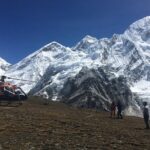
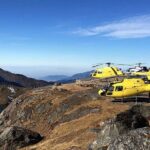
- In a shared helicopter, Kalapatthar landing is described as being limited and, in some shared scenarios (for example, with five passengers), the helicopter doesn’t land at Kalapatthar.
- In a private helicopter, a Kalapatthar landing is described as possible with fewer passengers (not with higher group counts mentioned in the provided rules).
In other words: if Kalapatthar is your must-see, ask your operator to clarify what your specific aircraft and passenger count will mean for landing. It’s the difference between a “wow” flight and a “wow, I actually stood there” moment.
5) Landing at Everest View Hotel for breakfast
After the flight segments and the fly-over views, everyone lands at Everest View Hotel. You get breakfast there and a ground window of 45 minutes to 1 hour to take it in.
Quick note: the tour details you provided include a small mismatch about meals (it says breakfast is part of the hotel stop, but also says breakfast/all meals are excluded). I’d treat breakfast at Everest View Hotel as a likely included stop, but still confirm before you go so you’re not stuck guessing.
What you’ll see up there (and what you won’t)
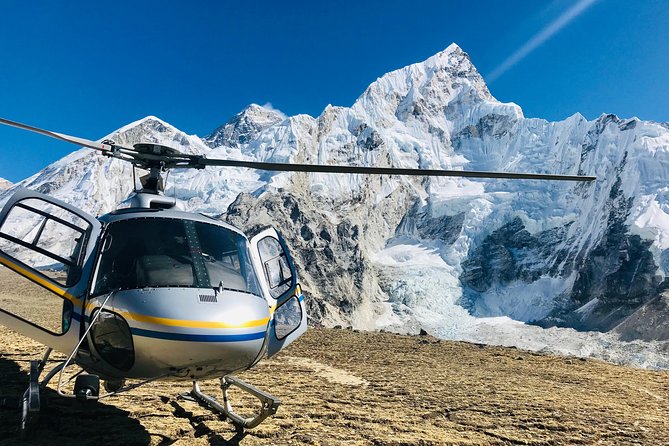
From a helicopter, you get something trekkers don’t always get: constant altitude changes with huge sightlines. But you also shouldn’t expect a slow, close-up look at every peak the way you might get during a multi-day trek.
Here’s what the day is geared toward seeing:
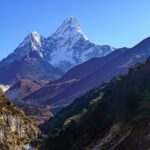
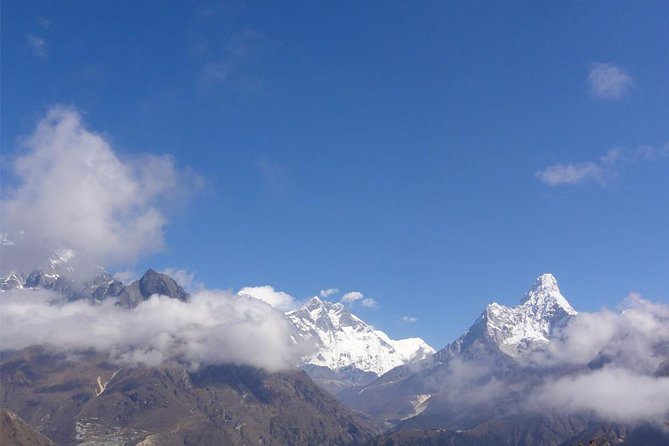
- Everest-area mountain peaks from above and through valleys
- Glaciers and snowfields that are hard to understand from ground level
- Rivers, lakes, and forest zones that show how dramatic the terrain transitions really are
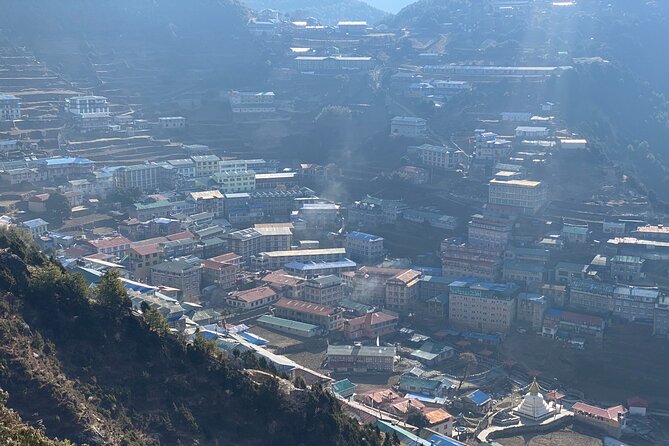
- Traditional villages, which you can spot as clusters of settlement patterns rather than individual houses you’d study on foot
What you won’t get is time on the trail. Even if you land at Kalapatthar, it’s still part of a fast-moving schedule, not hours of walking. So if your dream includes long photo “sessions” at multiple viewpoints, this won’t fully replace the trek. Think of it as a highlights reel with real altitude.
Timing: the 4-hour day that still feels like you left the planet
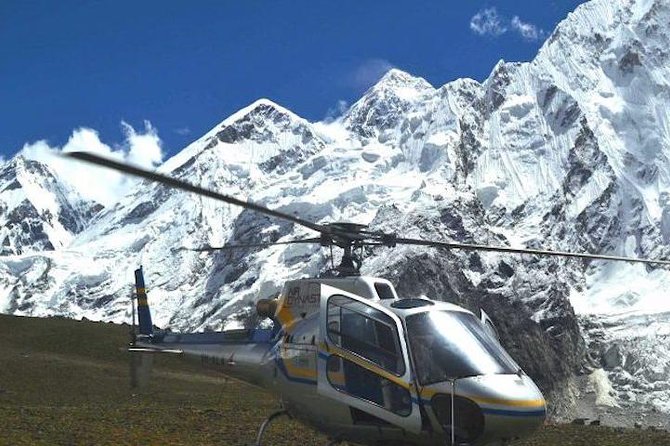
A good way to think about this tour is: it’s a short day that’s built around high-focus windows.
- Total duration: about 4 hours
- Flight time: about 3 hours 30 minutes
- Scheduled ground time: refueling at Lukla (10–15 minutes) plus the Everest View Hotel break (45–60 minutes)
- Pickup: offered from your Kathmandu hotel to the domestic airport and back
That means you’ll want to keep your morning simple. If you arrive late, it can squeeze the day. If you’re trying to stack it with other activities, you’ll feel rushed.
Also, because confirmation depends on booking details and you’re asked for passport info up front (name, number, expiry, country), make sure your documents match exactly. That’s not glamorous, but it prevents day-of headaches.
Price and value: what $1,699 buys you (and what it doesn’t)
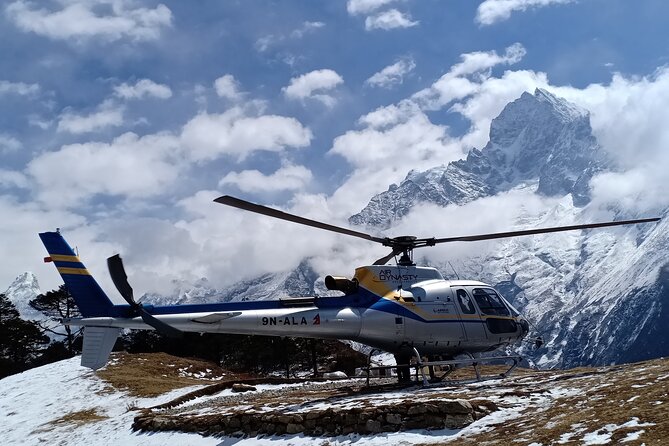
At $1,699 per person, this isn’t a budget splurge. It’s a price tag that signals: you’re paying for (1) the helicopter and (2) the high-risk, high-cost operation.
So what’s the value?
You’re paying for:
- Kathmandu hotel-to-airport-to-hotel transport
- Guides during the heli tour portion
- Medical insurance and support structures
- A comprehensive medical kit plus a first aid kit for precaution
- A tour designed around a tight flight plan, not trial-and-error
What you’re not paying for:
- Nepal visa and international airfare
- Personal travel and medical insurance (important)
- Gratuities/tips and personal expenses
- Personal cold-weather gear and your personal medical kit
There’s also another “value reality” to consider: if Kalapatthar landing is not granted in your passenger configuration, the tour can feel like a slightly different product than the one you pictured. It’s still a stunning flight either way, but the on-the-ground moment at Kalapatthar (when it happens) is a big part of why people fall in love with helicopter Everest days.
If you’re trying to maximize what you get for the money, your best move is to confirm your landing plan before you pay for add-ons or assume a specific landing outcome.

Comfort and safety: what to wear and what the rules imply
Even if you’re not trekking, you’re in the Everest zone. That means cold wind and thin-air conditions can hit faster than you expect.
The tour info says:
- It operates in all weather conditions, but you must dress appropriately
- Total passenger weight is listed at 265 lbs per person
- Children must be accompanied by an adult
- Service animals are allowed
- You should provide dietary needs at booking (in case food planning is part of the day’s support)
What I’d do in your shoes:
- Bring warm layers you can control (base layer + insulating layer + wind layer)
- Don’t rely on rental gear in the last minute
- Keep your personal medical supplies practical, since personal medical kit is not listed as included
- Treat the “extra landing” rules as part of your planning, not a surprise
On safety: the tour includes medical insurance and first aid gear, and that matters. It also notes that emergency evacuation and breaking away from the proposed duration flight have no refund, though a letter may be issued for insurance claims. Translation: get your medical insurance right, and read your policy like an adult.
Guides, pilots, and that human factor you can’t fake
Helicopter flying is technical. But the experience quality often comes down to people who manage the day smoothly.
Even though many of the detailed feedback you shared is from other Nepal mountain trips, a consistent theme shows up: the operator’s leadership and local guides are credited for making planning and day-of flow easier, and guides are praised for being patient, upbeat, and good at keeping new arrivals comfortable. Names like Dipak come up as someone who makes the process responsive, and guides like Dibash with support from Pradeep show up in feedback for caring attention and preparation.
For you, the practical takeaway is this: this tour includes guides on the heli portion, and that’s not fluff. Ask questions before you go. Get clear on your passenger count and whether Kalapatthar landing is expected. Those small details can change how satisfied you feel with the money and time you spent.
Who this tour suits best (and who should reconsider)
This helicopter Everest Base Camp tour makes the most sense if you:
- Want the Everest experience without committing to a week-plus trek
- Have limited time in Kathmandu or Nepal
- Prefer a structured schedule with support (pickup, guides, medical gear)
- Can handle fast timing and short ground windows
It might not be your best fit if you:
- Need long on-the-ground exploration time to feel satisfied
- Are deeply focused on a specific landing moment at Kalapatthar and want certainty
- Hate tight schedules and hate surprises related to passenger-based landing rules
Should you book the Everest Base Camp helicopter tour?
I’d say book it if you want a high-impact Everest day that respects your time. The combination of helicopter access, a Lukla refuel pause, and a ground breakfast stop at Everest View Hotel makes it a strong value proposition for the kind of experience it delivers. And since it includes transport from your hotel area plus medical readiness, you’re not going in totally blind.
I’d pause and ask extra questions if your dream is specifically to land at Kalapatthar. The landing rules depend on shared vs private and passenger count, and the difference can be meaningful. If you can get clarity on your exact landing plan, you’ll avoid the one regret that can turn a great day sour: thinking you paid for one “moment,” only to get the other version.
FAQ
What does hotel pickup in Kathmandu include?
The tour includes transportation to the Kathmandu domestic airport from your hotel and back.
How long is the total experience?
It’s listed as approximately 4 hours total, with flight time listed as about 3 hours 30 minutes.
Is there a stop during the flight?
Yes. The itinerary includes a Lukla refueling break of about 10–15 minutes.
Will the helicopter land at Kalapatthar?
Kalapatthar landing depends on whether the helicopter is shared or private and the passenger count. In some shared scenarios, the helicopter doesn’t land at Kalapatthar, and private landing rules also depend on passenger numbers.
Where do you stop after the flight views?
After the flight, you land at Everest View Hotel for breakfast, with about 45 minutes to 1 hour on the ground.
What’s the passenger weight limit?
Total weight per passenger is listed as 265 lbs.
What should I bring or prepare for the day?
You should bring your personal gear (including down jackets and personal belongings) and your personal medical kit. Dress appropriately for cold and weather conditions.
What’s included versus not included in the price?
Included: airport transfers, guides on the heli tour, daily wages/medical insurance, meals and allowances (as described in the included section), and first aid/medical kits. Not included: Nepal visa, international airfare, personal insurance, personal expenses, tips, and all breakfast/all meals as stated in the not-included section. Also not included: emergency evacuation, and breaking away from the proposed duration flight has no refund.