REVIEW · EVEREST BASE CAMP TREKS
Unforgettable Everest Base Camp Trek with Third Rock Adventures! 🌄 I recently completed an incredible journey to Everest Base Camp with Third Rock Adventures, and I can’t recommend them enough! From starRead more
Book on Viator →Operated by Third Rock Adventures · Bookable on Viator
The views start before you even hike. This 14-day Everest Base Camp trek mixes a real Himalayan routine with Sherpa culture, and you get a serious payoff at Kala Patthar for sunrise. What I like most is the built-in rhythm—flights, gradual hiking, and planned acclimatization—plus the focus on key moments like reaching Everest Base Camp. One thing to consider: weather can be unpredictable around Lukla, and plans may need small changes if flights get delayed.
You’ll also travel with a small cap of 12 people, and the porter plan is practical (2 trekkers share 1 porter). On the ground, you have private airport transfers in Kathmandu, a guide who carries an actual first-aid setup (including a pulse oximeter), and English-speaking support that can help if altitude starts nagging.
In This Review
- Key highlights worth caring about
- Kathmandu Arrival: Thamel setup and your trek briefing
- The Lukla flight and the start of the Dudh Koshi route
- Phakding to Namche Bazaar: suspension bridges and the big climb
- Namche acclimatization day: markets, bakery breaks, and park views
- Tengboche and Ama Dablam views: monastery day with big-photo potential
- Pangboche to Dingboche: higher Sherpa settlements and glacier sightlines
- Nagarjun Hill day (5,100 m): panoramic payoff without rushing
- Lobuche and Thukla Pass: memorial stops and harder terrain
- Everest Base Camp push from Gorak Shep: Khumbu Icefall views
- Kala Patthar (5,550 m) at sunrise: your 360-degree moment
- Descending through Pheriche and returning to Namche
- Namche to Lukla: Hillary Bridge and the last big trail section
- Kathmandu return and Ason Market: finishing touches in the city
- Tea house living, meals, and what’s actually included
- The gear support: sleeping bag, down jacket, and luggage sanity
- Guides, first-aid tools, and why names matter
- Flights, weather, and how to protect your plan
- Price and value: what $1,799 covers (and what it doesn’t)
- Season choice: when the views are most likely
- Who this Everest Base Camp trek fits best
- Should you book this Everest Base Camp trek?
- FAQ
- How long is the Everest Base Camp trek?
- Where does the trek start and what city do you visit first?
- Are flights included for getting to Lukla?
- What kind of accommodations are included during the trek?
- Are meals included?
- Do I get porter support for luggage?
- What safety and medical items are included with the guide?
Key highlights worth caring about
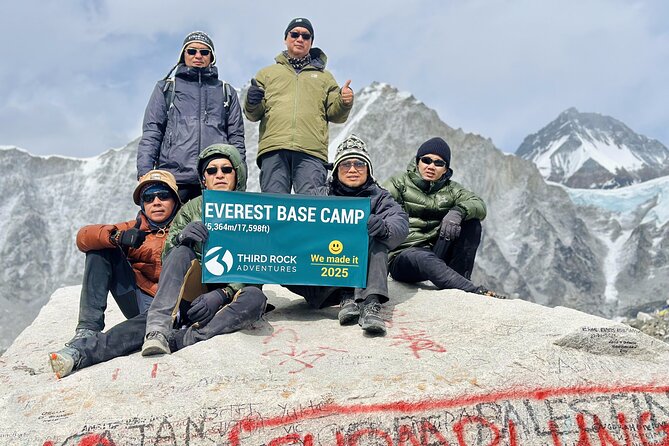
- Kala Patthar sunrise for 360-degree views of Everest and the Khumbu peaks
- Small group size (max 12) so the pace and logistics feel more controlled
- Porter ratio (2 trekkers : 1 porter) to keep your load sane
- Acclimatization days in Namche and Dingboche so you climb smart, not just fast
- Included park fees and community fee so you don’t have to track paperwork later
- Guides with first-aid tools (pulse oximeter, Diamox mentioned) for altitude reality
Kathmandu Arrival: Thamel setup and your trek briefing
Your trip starts in Kathmandu with an airport pickup, a private transfer to your hotel, and a proper meeting with your trek leader. This matters because Everest treks succeed on details: what you bring, how you dress in layers, and how you pace yourself once you’re in thin air.
Day one is also your gear runway. You’ll have time to check what you’re taking into the mountains and handle last-minute items in Thamel, the tourist neighborhood where trekking supplies, maps, and useful odds-and-ends are easy to find.
You can also read our reviews of more hiking tours in Kathmandu
The Lukla flight and the start of the Dudh Koshi route
On day two, you fly from Kathmandu to Lukla and begin walking right after you meet your crew. That first day matters because the trek doesn’t start with a dramatic climb—it starts with getting your legs moving while you follow the Dudh Koshi River corridor.
You’ll pass through Chauri Kharka and reach Phakding, a Sherpa village in the valley. The day is a classic on-ramp: long enough to feel like a trek, not so punishing that you’re already cooked. If you’re prone to overthinking, this is where you’ll be grateful for a paced start and a guide who keeps the group together.
Phakding to Namche Bazaar: suspension bridges and the big climb
Day three has two key ingredients: river crossings and the push toward Namche Bazaar. The suspension bridges are more than scenery; they force you to slow down, steady your feet, and keep your breathing calm.
Lunch is planned at Jorsale as you enter Sagarmatha National Park, then the real work begins with a steep climb to Namche Bazaar. You’re not just gaining altitude—you’re stepping into the Sherpa capital and trading hub of the Khumbu. By the time you arrive, you’ll feel both the geography change and the cultural shift.
Namche acclimatization day: markets, bakery breaks, and park views
Day four is your acclimatization day in Namche, and it’s one of the smartest parts of the whole plan. You get time to explore the Saturday Market (when it’s running), check out shops, and enjoy simple comforts like bakeries—small things, but big morale.
You also get a sunrise-style hike in the Sagarmatha National Park area for mountain views. This is the kind of half-day effort that helps your body adjust without turning your rest day into a punishment.
Practical note: acclimatization works best when you drink enough, keep your pace gentle, and avoid the temptation to sprint just because you feel okay.
Tengboche and Ama Dablam views: monastery day with big-photo potential
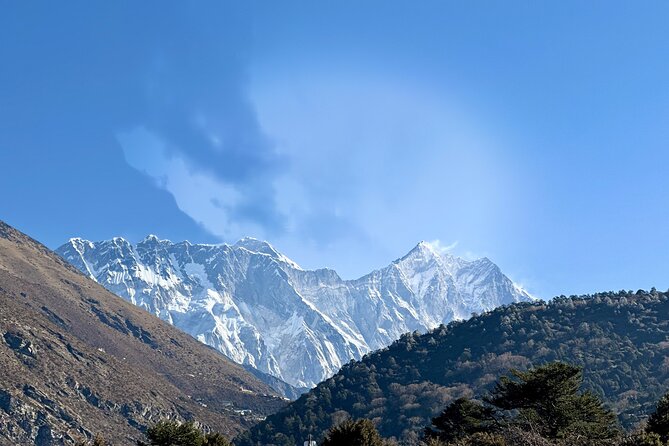
On day five, you hike through rhododendron and juniper forests while the mountains start showing more clearly. This is when I’d expect first-timers to get that “I’m really here” feeling—because Everest isn’t just an idea anymore.
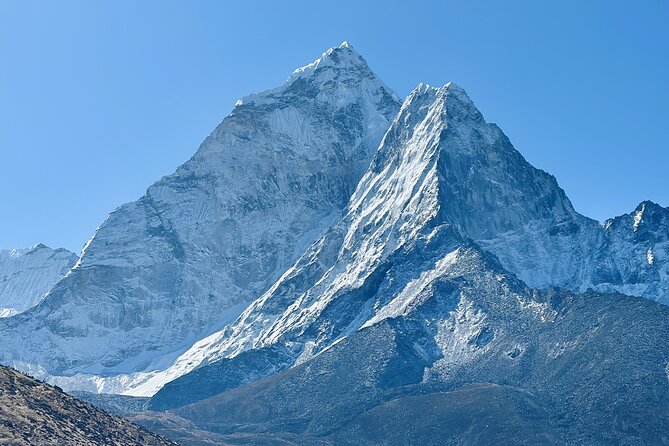
Tengboche is the highlight stop: home to the region’s largest monastery. The monastery adds meaning to the trek; it’s not just walking between teahouses. You’ll also get close-up views of Ama Dablam, which is one of the most recognizable peaks in the Khumbu region.
You’ll likely come away with that rare combo: a spiritual stop plus classic Himalayan scenery, both in the same day.
Pangboche to Dingboche: higher Sherpa settlements and glacier sightlines
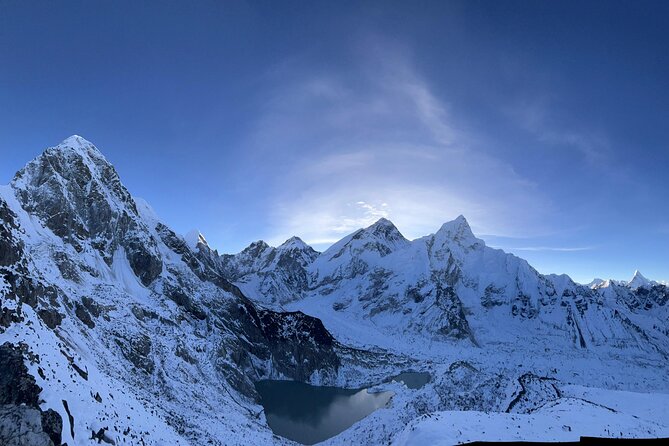
Day six crosses the Imja Khola and continues through Pangboche, described here as the highest permanent Sherpa settlement. That detail matters because it’s a reminder: people live at these elevations, and the trek follows their footsteps.
From there you reach Dingboche for the night, with views that can include Island Peak and Ama Dablam. Dingboche is also a good “settle in” location—altitude is real here, so your goal becomes rest, hydration, and sleep.
Nagarjun Hill day (5,100 m): panoramic payoff without rushing
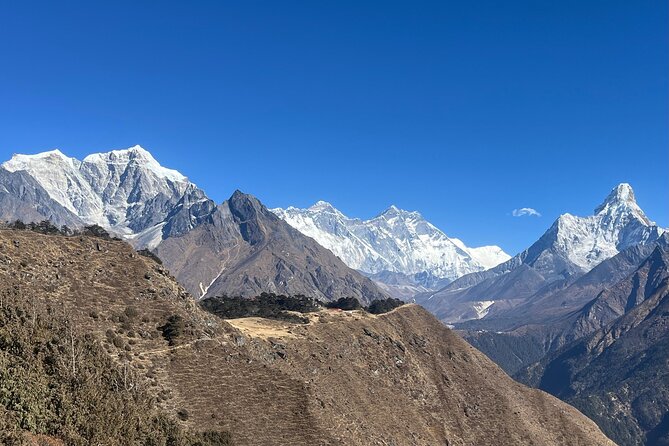
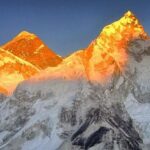
Day seven includes a hike to Nagarjun Hill at about 5,100 meters, plus afternoon downtime in Dingboche. The hill hike gives you panoramic views of Makalu, Lhotse, Ama Dablam, and Island Peak, and it also puts you near views of the Imja Glacier.
Then comes the important part: you’re not forced to keep pushing every afternoon. You get leisure time to rest or explore Dingboche, which is exactly how you should structure days when your body is adjusting.
Lobuche and Thukla Pass: memorial stops and harder terrain
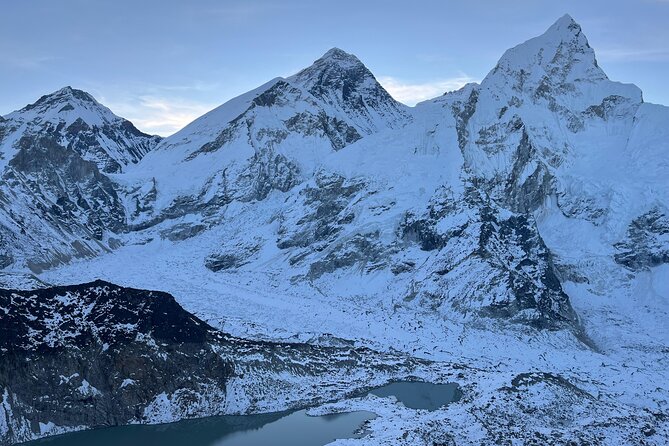
Day eight shifts toward Lobuche over rugged high altitude terrain, with about an 8 km trek mentioned along the way. Expect sweeping views over Lobuche, Pumori, and Nuptse, and you’ll pause at Thukla Pass where memorial stupas honor Everest climbers.
This is a sobering moment in an otherwise breathtaking trek. It also helps explain why the walking here feels different: the altitude is higher, the trails feel more exposed, and the memorials are reminders that the mountain demands respect.
Everest Base Camp push from Gorak Shep: Khumbu Icefall views
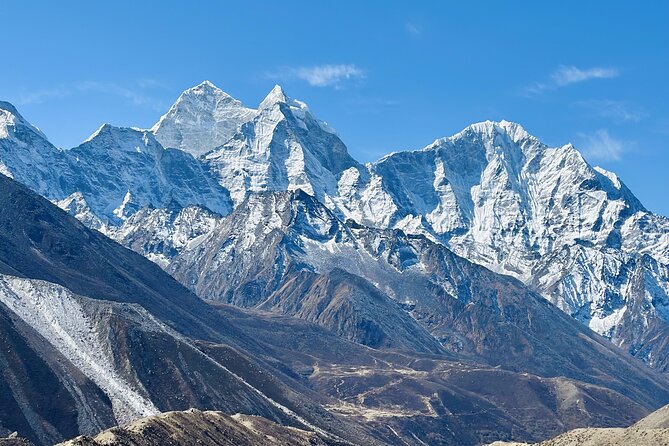
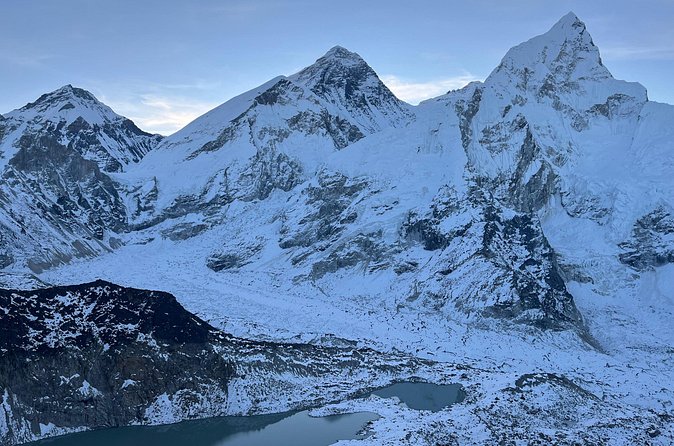
Day nine is the day you go from Lobuche to Gorak Shep, then continue alongside the Khumbu Glacier to Everest Base Camp. The itinerary is clear about what you’ll be looking at: the Khumbu Icefall and the surrounding peaks.
This is also the day where base camp feels less like a destination and more like a scale lesson. Even if you’ve studied photos for years, being there gives you a sense of how massive this region is—and how quickly the weather can change.
One tip for the “big moment” day: don’t spend the entire time standing still. Walk, look, take a few photos, then move before cold and fatigue take over.
Kala Patthar (5,550 m) at sunrise: your 360-degree moment
Day ten is the most famous add-on for a reason: you hike to Kala Patthar, the highest point of the trek here at about 5,550 meters. The goal is sunrise, and you get 360-degree views of Everest, Lhotse, Nuptse, and Pumori.
This is where the trek becomes a payoff machine. The morning light can turn the peaks into something sharp and dramatic, and the sense of distance shrinks because you’re standing so high.
Then you descend back toward Gorak Shep. Sunrise days are special, but they’re also exhausting—so plan to eat, warm up, and let your body recover.
Descending through Pheriche and returning to Namche
Day eleven brings a descent from Pheriche through scenic trails, passing Tengboche along the way, then climbing again briefly to Namche Bazaar. The stop-and-start nature is normal on the way back. You’re losing altitude, but trails still have ups and downs.
After arriving Namche, you get a village atmosphere evening and a proper rest. This is also a good time to check how your feet and lungs are doing, since your final mountain block is coming soon.
Namche to Lukla: Hillary Bridge and the last big trail section
Day twelve is a descent from Namche through local villages, including the Hillary Suspension Bridge crossing. Reaching Lukla in the afternoon is the emotional turn: the trek that started as a planned hike becomes a finished chapter.
Then you’re set for a final celebration night in Lukla before flying back. It’s worth keeping the final day simple—eat well, hydrate, and don’t overdo souvenirs until you’re back in Kathmandu.
Kathmandu return and Ason Market: finishing touches in the city
Day thirteen brings the flight from Lukla back to Kathmandu and a transfer to your hotel. You’ll have time to rest or explore nearby shops for handicrafts and trinkets, plus a visit to Ason Market for spices, tea, and decorative items.
If you like bringing home small, useful memories, this is a nice place to shop with less pressure than the airport area. You also get an evening meal option in Kathmandu, which helps you switch from mountain routines to city comfort.
On day fourteen, you’re transferred to the airport about three hours before your flight.
Tea house living, meals, and what’s actually included
Your trek nights are in tea houses, with “best available clean and comfortable” accommodation included. Breakfast, lunch, and dinner are included during the trek, and you’ll also get a cup of tea or coffee with meals.
That matters more than people think. At altitude, eating on schedule and having warm drinks can change how you feel for the next hiking stretch. It’s also a practical way to avoid constant cash handling for meals in small villages.
The gear support: sleeping bag, down jacket, and luggage sanity
Your package includes a down jacket and sleeping bag during the trek, with return after completion. You also receive a kit bag, plus a trekking map and a T-shirt, which are small items but convenient if you’re traveling light.
Porter service is included for your main luggage, with the stated ratio of 2 trekkers to 1 porter. That setup helps you keep your day pack reasonable, which is key for comfort on steep or rocky sections.
Guides, first-aid tools, and why names matter
This trek uses highly experienced, English-speaking, government-licensed guides trained in first aid, and the guide carries a first-aid kit plus a pulse oximeter. Medicines are specifically mentioned, including Paracetamol and Diamox, and essential meds are carried to address altitude issues.
Names from past departures also point to the kind of support you can expect. Gnawang and his porter Somdey were praised for being both knowledgeable and genuinely helpful, with a fun, calm approach. Deepak was highlighted for helping when poor weather affected the schedule. Dawa was noted for staying supportive when altitude sickness became an issue and for helping adjust plans as needed. And communication from Naba was described as clear and fast before the trip.
You still need to listen to your own body, of course. But having a team that can respond calmly makes a big difference.
Flights, weather, and how to protect your plan
Domestic flights include Kathmandu/Lukla routes, and the ground transport includes shared travel from Kathmandu to Manthali and back, as listed. This matters because Lukla access can be weather-dependent, and routing may shift.
So go in with flexibility. If you’re the type who panics at the first delay, consider building buffer time into your overall Nepal trip. This itinerary is designed for the trek itself, not for airline schedule drama—so your attitude on day one to day three matters.
Price and value: what $1,799 covers (and what it doesn’t)
At $1,799 per person, the real question is not whether the price is high or low. It’s what you’re buying: logistics, safety tools, guide staffing, park fees, meals, and core gear.
Included value highlights:
- Two nights in Kathmandu in 3-star deluxe with breakfast
- Domestic flights linked to the trek plan
- Tea house meals for breakfast, lunch, dinner (plus tea/coffee)
- Porter service and guide support with first-aid resources
- Sagarmatha National Park entry and community fee
What’s not included also affects your budget:
- Visa fee and travel/medical insurance
- Tips for guide, porter, and driver (tipping is expected)
- Extra Kathmandu nights if your flights don’t line up
- Personal costs like phone/internet/laundry/snacks, plus bottled/boiled water preferences
There’s also a helicopter option listed at about $1,200 per person, but it’s explicitly not included. That price tag is a clue: most people should plan for normal flights and be ready for altitude and weather conditions on the ground.
Net: this package is priced like a full-service trekking contract, not like a DIY expedition. If you want fewer moving parts and real support on the trail, it can feel like good value.
Season choice: when the views are most likely
Spring and autumn are noted as the best seasons for clear skies and strong mountain views. That’s not marketing fluff; clearer skies mean better sunrise visibility at Kala Patthar and more consistent peak visibility as you move through Namche, Tengboche, and Dingboche.
Still, the Himalaya isn’t predictable. Your best strategy is to bring the right layers, expect changing conditions, and treat the itinerary as a framework your guide helps keep realistic.
Who this Everest Base Camp trek fits best
This trek is graded moderate to difficult, with a note that it’s achievable with preparation and determination. If you have decent hiking stamina, can handle long walking days, and you’re willing to take acclimatization seriously, you’re in the right spot.
This is a great choice if you want:
- A structured route that includes acclimatization and rest windows
- Small-group pacing (max 12)
- Included meals and porter support
- Safety-first guide practices with altitude tools
If you’re someone who struggles with altitude quickly, make sure you’re medically cleared and keep an honest pace. The itinerary includes enough support structure to manage altitude concerns, but you’re still dealing with your own physiology.
Should you book this Everest Base Camp trek?
If you want the classic Everest Base Camp experience with a team that handles the paperwork, park fees, meals, and porter support—and you’re okay planning around Lukla weather—you should consider booking. The biggest reasons to go are the high-impact goals: Everest Base Camp and Kala Patthar sunrise, supported by acclimatization stops that make the climb smarter.
I’d book if you like clear structure, small-group travel, and a guide team that can adjust when conditions change. I’d think twice if you need guaranteed flight timing or if you hate uncertainty so much that it ruins your trip—because in the Everest region, that uncertainty is part of the deal.
FAQ
How long is the Everest Base Camp trek?
It runs for 14 days (approx.).
Where does the trek start and what city do you visit first?
You start in Kathmandu, Nepal, where you get an airport pickup and a transfer to your hotel before beginning the trek.
Are flights included for getting to Lukla?
Yes. Domestic flights are included for the route from Ramechhap/Kathmandu to Lukla, and return from Lukla back to Ramechhap/Kathmandu.
What kind of accommodations are included during the trek?
You stay in tea houses during the trek and have two nights in Kathmandu in 3-star deluxe accommodation with breakfast.
Are meals included?
Yes. All meals (breakfast, lunch, and dinner) during the trek are included, with a cup of tea/coffee during meals.
Do I get porter support for luggage?
Yes. Porter service is included to carry your main luggage, with the ratio stated as 2 trekkers to 1 porter.
What safety and medical items are included with the guide?
The package includes a first aid kit, a pulse oximeter, and essential medicines carried by the guide, with examples including Paracetamol and Diamox.