REVIEW · EVEREST BASE CAMP TREKS
Everest Base Camp Trek from Kathmandu 12 Days
Book on Viator →Operated by My Dream Adventure (MDA) · Bookable on Viator
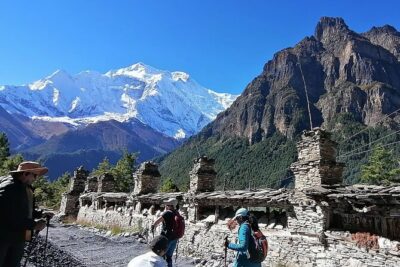
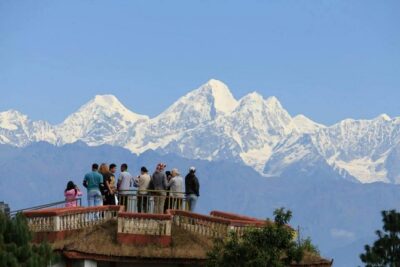
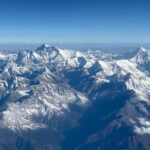
Everest feels close on this 12-day trek from Kathmandu. You’ll walk into the Khumbu region for towering views of Everest, Lhotse, Nuptse, Makalu, and more, plus Sherpa villages like Namche Bazaar and Tengboche with monasteries along the way. I especially like how the route balances effort with acclimatization, and how the guidance from Sherpa-led experts (people like Milan and Bikram have been praised) helps you understand what you’re seeing.
One thing to respect: this is a real high-altitude trek. The trip calls for strong physical fitness, and a few days involve long walks over rocky, sometimes rough terrain—so pacing and conditioning matter.
In This Review
- Key highlights to know before you go
- Entering the Everest Base Camp route from Kathmandu (and why it works)
- Kathmandu to Lukla: the fast start, the first steps, and the acclimatization plan
- Namche Bazaar and the Sherpa towns: your body adjusts while your views sharpen
- Tengboche monastery views: walking dust, then rewarding panoramas
- Dingboche to Lobuche: alpine villages, older monasteries, and tougher terrain
- Gorakshep to Everest Base Camp: the glacier-side approach and the moment you reach Base Camp
- Kalapatthar at sunrise: the finest viewpoint payoff, then the descent to Pheriche
- The return to Lukla and Kathmandu: Phakding’s terrain and a final mountain-flight feeling
- Price and value: what you’re paying for at $1,350 per person
- Who should book this trek, and who should reconsider
- Should you book My Dream Adventure’s Everest Base Camp Trek?
- FAQ
- How long is the Everest Base Camp trek from Kathmandu?
- What is the price per person for this trip?
- Are flights included, and where do you fly?
- Do you include hotel pickup and drop-off in Kathmandu?
- Is a trekking permit and TIMS card included?
- What kind of accommodation do you stay in during the trek?
- What fitness level do you need?
- What information do you need to provide for the permits?
- Can I get a full refund if I cancel?
- Is this a private trip?
Key highlights to know before you go
- Flight to Lukla, then staged trekking: you’re not thrown into the deep end on day one.
- Sherpa culture, not just views: village days and monastery stops shape the whole trip.
- Tengboche and Dingboche monasteries: good days for photos and calm moments.
- Gorakshep to Everest Base Camp: the “arrive, breathe, and absorb” part of the trek.
- Kalapatthar early-morning viewpoint: one of the finest spots for dramatic mountain sightlines.
- Private trip for your group: only your party participates, which usually makes logistics smoother.
Entering the Everest Base Camp route from Kathmandu (and why it works)
This trek is built around a simple idea: altitude goes up, so your day-to-day rhythm has to make sense. You start with a scheduled morning flight from Kathmandu to Lukla, then you hike in stages—shorter efforts early on, longer walks as your body adjusts. That pacing isn’t a luxury. It’s what makes the whole experience feel like a climb with a plan, not a random grind.
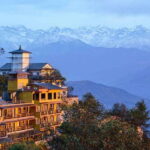
I also like that the tour is explicitly culture-forward. You’re not just “passing through” the Khumbu—you spend time in Sherpa towns such as Namche Bazaar, plus places like Tengboche and Dingboche where monasteries play a major role in daily life. When guides have strong local knowledge (as Milan, Bishnu, and Bikram have been credited for), those stops become more meaningful fast.
What keeps this trek feeling authentic is the mix of daily walking and frequent village interruptions. You’re always moving, but you’re also often reaching places where people live their normal lives—tea, prayer, chatter, and the slow rhythm of mountain communities.
You can also read our reviews of more hiking tours in Kathmandu
Kathmandu to Lukla: the fast start, the first steps, and the acclimatization plan
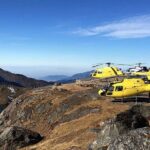
The journey begins in Kathmandu with hotel pickup and drop-off, then you head to the domestic terminal for your morning flight to Lukla. From there, the trek kicks off with the kind of first-day walk you’ll appreciate later: you reach Phakding after a few hours, and today is kept shorter to support acclimatization.
On day one, you’re essentially setting your baseline. You’re walking, you’re adjusting to the air, and you’re settling into the rhythm of thin-air trekking without burning all your energy right away. It’s also when your guide’s role becomes clear—English-speaking, organized, and focused on keeping the schedule realistic for the altitude.
You’ll sleep in guest-house accommodation, and that matters too. Guest houses along the route give you a consistent pattern each night: eat, rest, and repeat. The tour includes those stays (so you’re not scrambling for lodging decisions mid-trek).
Practical tip: keep your first day calm. Don’t try to “make up time.” This route’s early pacing is one of the quiet reasons people can enjoy the later, harder days.
Namche Bazaar and the Sherpa towns: your body adjusts while your views sharpen
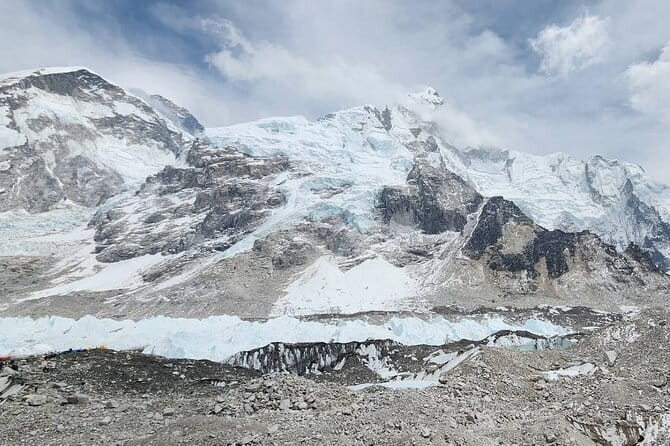
Namche Bazaar is where the trek starts to feel real. You walk through a pine forest and alongside the Dudh Koshi River, reaching one of the Khumbu’s best-known hubs. The scenery is already impressive, but the bigger value is the way the day is structured around getting used to altitude.
Day three includes a “stay active” idea. Instead of total idling, you either take a day hike option (like Thame) or explore Khunde, or simply explore Namche Bazaar. That’s smart. A full rest day can be helpful, but movement—at an easy pace—often helps your body feel less stiff and more ready for the days ahead.
You’ll also notice how the itinerary builds a rhythm of towns plus viewpoint moments. Namche is not just a stop for snacks and photos. It’s where you settle into the local culture and the pace of Sherpa life.
If you’re the kind of traveler who likes context—what you’re looking at, why towns are where they are—this part of the trek tends to deliver. When your guide has deep familiarity with the trail and local history, Namche becomes a living textbook, not a postcard.
Tengboche monastery views: walking dust, then rewarding panoramas
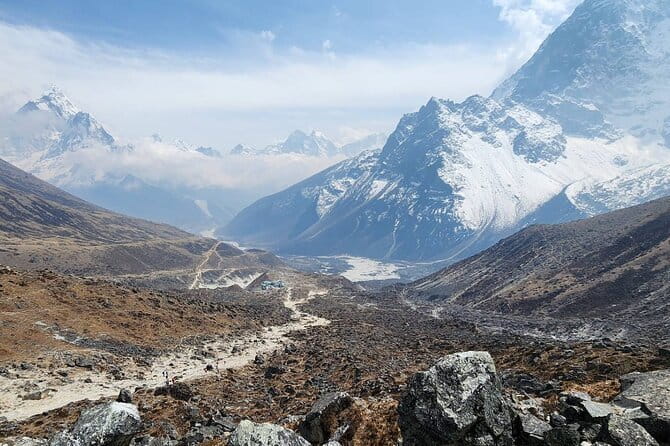
The trek from Namche Bazaar to Tengboche is described as dusty and winding. That’s useful to know upfront, because it sets expectations for what your legs and eyes will deal with. You’re not on a smooth path; you’re hiking a real mountain trail.
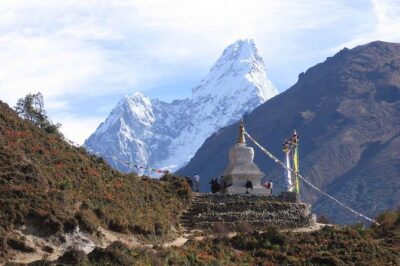
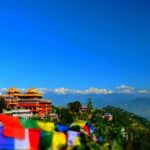
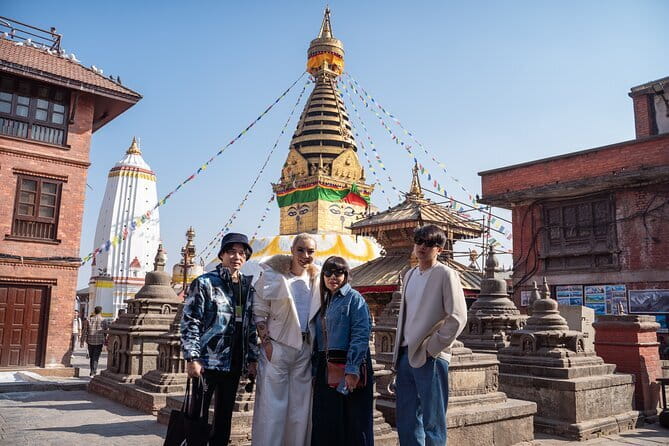
But Tengboche is the payoff. You reach the monastery area with panoramic views, and the schedule gives you time to focus on photography. That timing matters because in Everest regions, light changes fast—and if you arrive and rush out, you lose the best part.
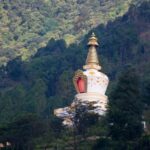
Tengboche is also where you’ll feel the trek’s cultural side most clearly. The monastery isn’t just an object to point at. It’s a place with presence in the community, and the guide’s explanations help you understand why it matters.
Practical tip: plan to move a little slower than you think you need on the winding segments. Dusty trails can make you push without realizing it, and then you arrive tired instead of ready for the viewpoints.
Dingboche to Lobuche: alpine villages, older monasteries, and tougher terrain
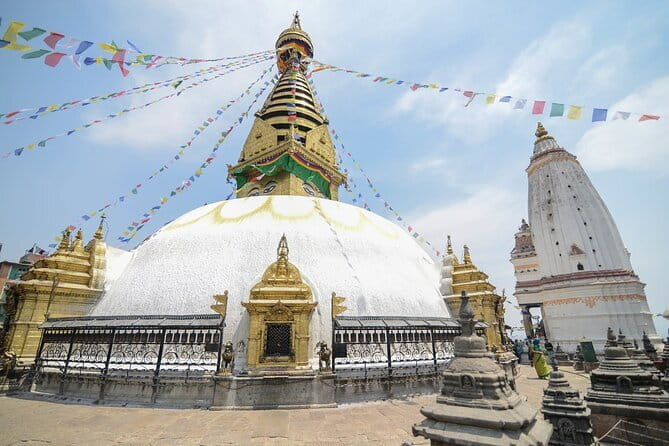
Dingboche is where the trek’s mood shifts. The walk toward Dingboche includes a visit to the region’s oldest Buddhist monastery (as described in the route), then you continue past Upper Pangboche and smaller settlements. This is a good blend of scenic hiking and cultural stops, which is exactly why the Sherpa village days are such a big part of the experience.
Day six gives you another chance to rest and choose what to do locally. You might visit Dingboche and surrounding villages or just recover. For many people, this is the day that helps the rest of the climb feel manageable.
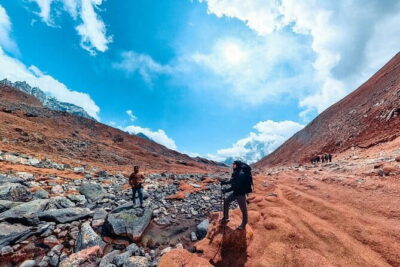
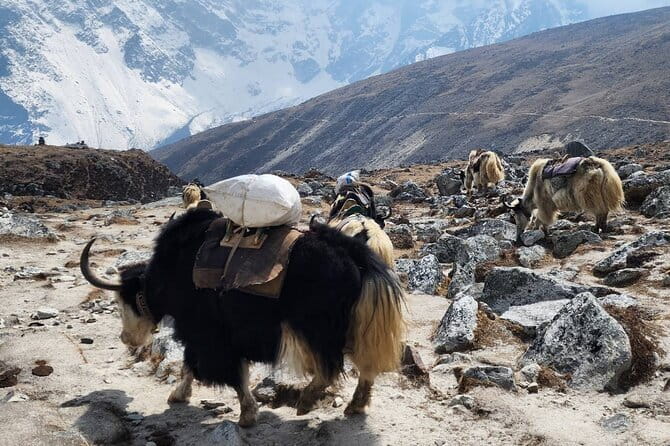
Then comes the more demanding leg toward Lobuche. The description highlights a climb through the Khumbu Khola valley, a shrinking valley as you near Dusa, and difficult walking with massive boulders plus mountain yaks moving around. That’s the kind of detail that tells you this isn’t a gentle walk in a theme park. It’s real trekking over changing ground.
This section is valuable because it builds resilience. You learn to keep moving despite uneven steps, and you get used to how the trail looks and feels as you approach the glacier zone later.
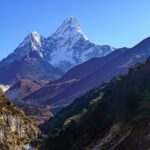
Gorakshep to Everest Base Camp: the glacier-side approach and the moment you reach Base Camp
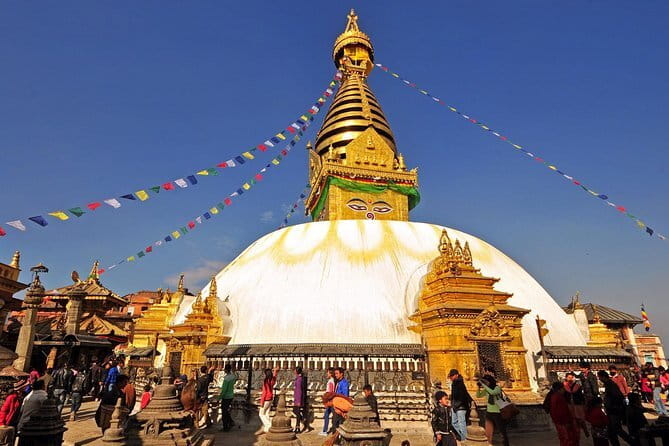
On day eight, your trail goes along the side of the Khumbu Glacier. You’ll pass the pyramid signpost, then work your way toward Gorakshep and continue onward. This part of the route feels different because the terrain and the atmosphere change as you near the Everest Base Camp area.
From Gorakshep, you trek to Everest Base Camp. The itinerary frames it as a destination moment—after the longer approach, you reach the site and get the rewarding views of Mount Everest plus surrounding peaks. Then you return to Gorakshep for an overnight stay.
What I like about this structure is that it gives you both arrival and recovery. Base Camp is the goal, but Gorakshep is where you can sit, look around, and let the moment sink in. When guides are organized and safety-focused, this also tends to feel smoother day-to-day, especially in high-altitude conditions.
Practical tip: at Base Camp-level elevations, timing and energy matter. Don’t treat the trek like a photo sprint. Plan to take breaks, drink water when you can, and keep your pace steady.
Kalapatthar at sunrise: the finest viewpoint payoff, then the descent to Pheriche
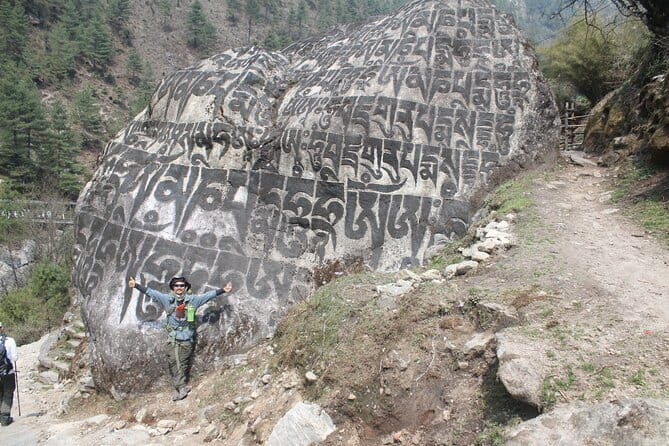
Day nine starts early for Kalapatthar. The route calls Kalapatthar one of the finest viewpoints in the Everest Base Camp trekking area, and the timing is set for dramatic mountain views. If you’re someone who cares about seeing the peaks with crisp light, this early start is the kind of choice that pays off.
After spending time at Kalapatthar, you descend back to Gorakshep and then gradually down to Pheriche for the night. This is a key transition: you’ve reached the big visual goal, and now your body gets a break through descent.
Descent days can still be tough on your knees and ankles, but the trade is worth it. The itinerary’s pace lets you come down in steps instead of dropping too fast.
You’ll continue seeing Sherpa villages along the way during the return, which helps keep the trip from feeling like an endless “up only” effort.
The return to Lukla and Kathmandu: Phakding’s terrain and a final mountain-flight feeling
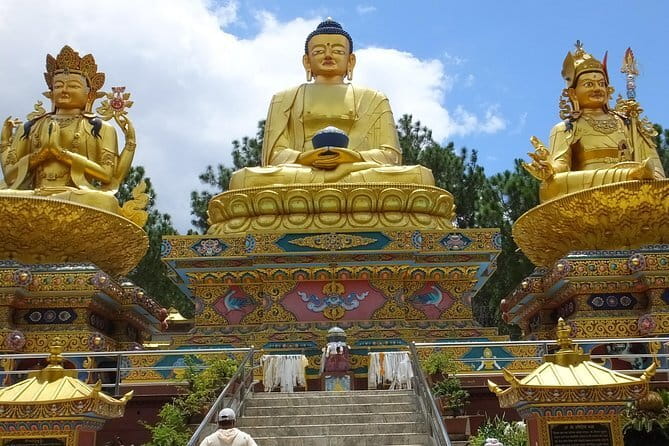
The return leg follows a similar route back, but it doesn’t feel like a repeat. By day ten, you’re moving through Sherpa villages again—passing Pheriche and continuing toward Namche Bazaar. It’s a chance to recognize places from earlier days and notice how the trek changes your perspective.
On day eleven, the trail descends steeply at first. The route notes you’ll need to walk slowly and under control because rocky terrain can make your legs shaky. That’s common on treks, and the advice here is straightforward: slow down and prioritize stability.
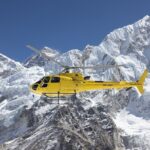
Then the trail becomes more level and natural before you reach Phakding and continue to Lukla for overnight. Finally, day twelve brings your morning flight back to Kathmandu. The flight from Lukla to Kathmandu is about 35 minutes, and you land at Tribhuvan International Airport, with the tour ending in Thamel.
I like ending in Thamel for one reason: it’s a real reset zone. You’re not stranded after days in the mountains. You can shower, eat normally, and process what you just did.
Price and value: what you’re paying for at $1,350 per person
At $1,350 per person, the value depends on what’s included—and this package covers the big moving parts.
Included items:
- Hotel pickup and drop-off in Kathmandu
- Round-trip flights between Kathmandu and Lukla
- Trekking permit and TIMS card
- English-speaking trekking guide
- Guest-house accommodation
- First aid kit (with guide)
- Private trip for your group
Not included:
- Personal expenses
Here’s the practical way to think about value. Flights and permits are often the hardest costs to manage yourself, and they’re the easiest to get wrong on timing. If the package handles those pieces and pairs you with an experienced guide, you spend more of your mental energy on walking and acclimatizing, not on paperwork and logistics.
Also, accommodation matters. Guest-house stays are part of the trek’s rhythm, and included lodging removes a lot of uncertainty midstream.
One more value point: having a first aid kit with your guide is included. It’s not the same as having a hospital, but it does signal that the operator plans for real trekking conditions.
Who should book this trek, and who should reconsider
This trek is a strong fit if you:
- Want iconic Everest-region scenery with real trail days
- Like Sherpa culture and want monasteries and villages to be part of your journey
- Prefer an organized plan with an English-speaking guide who supports acclimatization and safety
It’s also a good match if you enjoy steady effort. The itinerary includes active rest choices in Namche and Dingboche and builds toward Everest Base Camp and Kalapatthar.
You should think twice if you:
- Don’t have a strong physical fitness level (the trip explicitly asks for it)
- Prefer very easy walking and minimal altitude exposure
- Want a trip with lots of flexibility to change route daily (this is a set itinerary built around acclimatization)
The private format—only your group participates—can help if you want a calmer pace and less crowd pressure on photo moments and lodge logistics.
Should you book My Dream Adventure’s Everest Base Camp Trek?
If you want a well-run Everest Base Camp trek with flights to Lukla, permit handling, guest-house lodging, and an English-speaking guide, this is worth serious consideration. The 5-star rating with 14 reviews and a 100% recommendation score suggest consistent satisfaction, especially with guide support and organization.
From the guide names that show up in feedback—Milan, Bikram, Bishnu—you can also infer something important: the human side seems to be a strength, not an afterthought. A guide who stays kind, organized, and safety-minded makes altitude feel less chaotic.
My main “decision filter” for you is simple: be honest about fitness and your tolerance for rocky, high-altitude walking. If you’re prepared, this trek delivers the classic Everest-zone experience—views, Sherpa villages, monasteries, and the big payoff at Everest Base Camp and Kalapatthar.
If that sounds like your kind of travel, book it with confidence and spend your energy training for the days you’ll be tired, not just excited.
FAQ
How long is the Everest Base Camp trek from Kathmandu?
It’s about 12 days.
What is the price per person for this trip?
The price is $1,350.00 per person.
Are flights included, and where do you fly?
Yes. The tour includes round-trip flights Kathmandu to Lukla and back to Kathmandu. The itinerary also notes about a 35-minute flight from Lukla to Kathmandu.
Do you include hotel pickup and drop-off in Kathmandu?
Yes. Hotel pickup and drop-off are included.
Is a trekking permit and TIMS card included?
Yes. Trekking permit and TIMS card are included.
What kind of accommodation do you stay in during the trek?
You stay in guest houses.
What fitness level do you need?
You should have a strong physical fitness level.
What information do you need to provide for the permits?
You’ll need to provide passport details and a photo (a selfie also works) to issue the trekking permit.
Can I get a full refund if I cancel?
You can cancel up to 3 days in advance for a full refund. If you cancel less than 3 full days before the experience’s start time, the amount paid is not refunded.
Is this a private trip?
Yes. It’s described as a private tour/activity, and only your group will participate.