REVIEW · EVEREST BASE CAMP TREKS
From Kathmandu: Private 14-Day Everest Base Camp Trek
Book on Viator →Operated by Cordial Trek Pvt. Ltd. · Bookable on Viator
Everest Base Camp is a ticket to the roof of the world. This private trek from Kathmandu mixes classic Sherpa stops with big-altitude work so you can actually enjoy the scenery instead of just surviving it. You’ll fly into Lukla and then walk your way through the Khumbu heartland with trained support.
I especially like the way the plan builds in acclimatization days. Namche Bazaar is not just a pretty town break, it’s a planned altitude step, and Dingboche gets its own proper adjustment day too. That matters on Everest, where “too fast” can turn a dream hike into a problem.
The main thing to consider is that the trek depends on conditions. The Lukla airport can be tricky, weather can force changes, and you’ll need a moderate fitness level to handle long mountain walking at rising elevations.
In This Review
- Key highlights worth getting excited about
- Kathmandu to Lukla: the fast start that sets expectations
- Namche Bazaar acclimatization and the Everest View side trip
- Deboche and Dingboche: monastery vibes plus altitude discipline
- To Lobuche, Gorakshep, and Everest Base Camp at 5,364 m
- Kala Patthar sunrise: the payoff day you plan your legs for
- The return trek: Tengboche to Namche to Lukla
- Food, gear, and lodging: what is actually included
- Guide support and Sherpa porter help: why it matters on Everest
- Price and value: is $1,650 a fair deal for Everest Base Camp?
- Who this private 14-day EBC trek fits best
- Should you book Cordial Trek’s Kathmandu to Everest Base Camp route?
- FAQ
- What is the duration of the Everest Base Camp trek?
- Does the price include flights between Kathmandu and Lukla?
- What trekking gear is included?
- Are meals included during the trek?
- Do I need trekking permits and national park fees?
- Is travel insurance required, and what if weather changes?
Key highlights worth getting excited about
- The Lukla flight into one of the world’s most challenging airfields sets the tone fast
- Namche Bazaar acclimatization at 3,438 m with time to explore and settle
- Tengboche monastery area for culture and mountain views on the way through Khumbu
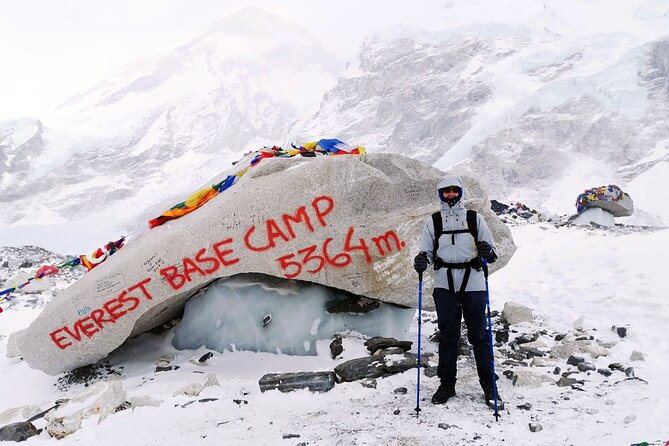
- Everest Base Camp at 5,364 m after the climb and the patient pacing
- Kala Patthar day with an early start and a steep payoff at 5,545 m
- Private guiding with Sherpa porter support, including trained checks on your well-being
Kathmandu to Lukla: the fast start that sets expectations
Your trip officially begins in Kathmandu, where you’ll land at Tribhuvan International Airport and meet a Cordial Trek representative for pickup and transfer to your hotel. This is one of the spots where a little organization pays off, because Kathmandu is busy and your first win is getting your bearings without stress.
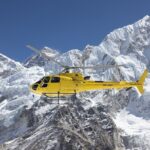
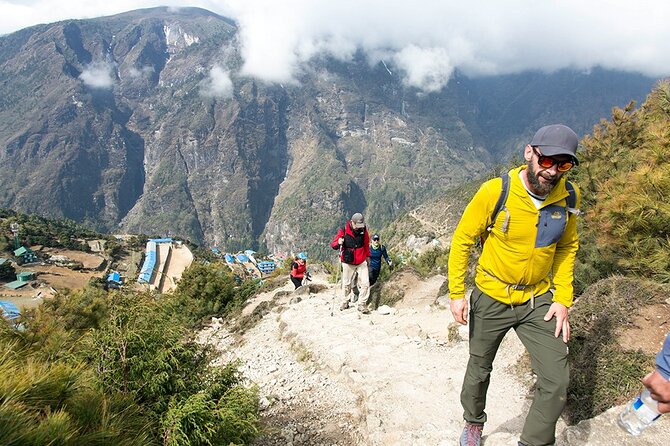
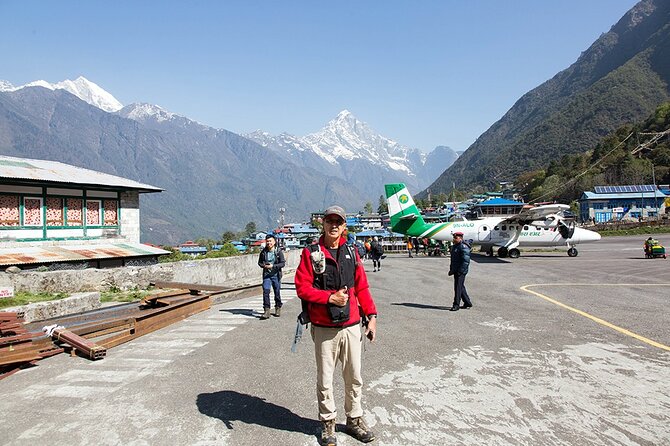
Day two is a 30-minute domestic flight from Kathmandu to Lukla’s Tenzing Hillary airstrip. Lukla is famous for being challenging, so treat that flight day like a “wake up, be flexible, and keep your calm” moment. Once you arrive, you’ll connect with your trekking team and head out on the route.
A useful detail: this package includes important gear like a down jacket, sleeping bag, and duffle bag. That doesn’t just save money. It helps you travel lighter and reduces the hassle of renting the right items at the last minute.
You’re also covered on the basics that often get forgotten in budget treks: airport transfers, permits and national park fees, and a guide plus a Sherpa porter. Private means your group pace is yours, not a shuffle through someone else’s schedule.
You can also read our reviews of more private tours in Kathmandu
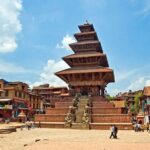
Namche Bazaar acclimatization and the Everest View side trip
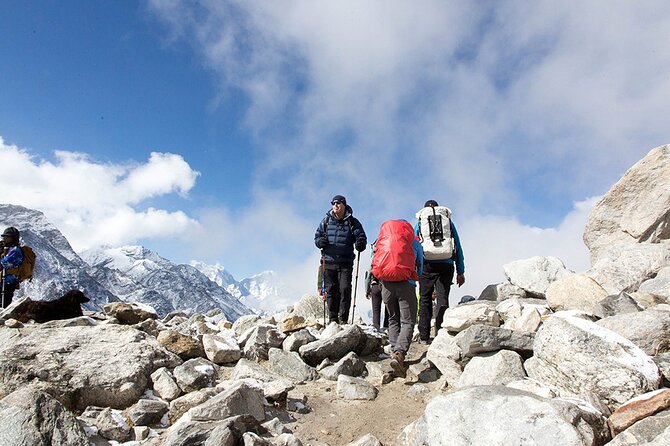
Namche Bazaar is the altitude “middle landing” for many Everest plans, and this one treats it that way. After trekking from Phakding (about six hours, with a max altitude around 3,438 m), you get your first taste of Sherpa life. Expect time for local exploration and walking that feels like a warm-up rather than a full send.
Day four is a dedicated acclimatization day in Namche. That’s a big deal. You’re at the altitude where people start to notice headaches, breathlessness, or sleep issues, and the only smart strategy is to move gently while your body adjusts.
You’ll also spend time at the Everest View Point area inside Sagarmatha National Park. The Hotel Everest View is known for its 360-degree mountain views, which is a fancy way of saying you get that “wow” feeling without necessarily gaining altitude that day.
One more practical note: Namche has the services you want during a trek, including cafes and spots to relax. After a couple of hard days, this kind of breathing room helps you keep the trip enjoyable instead of purely miserable.
Deboche and Dingboche: monastery vibes plus altitude discipline
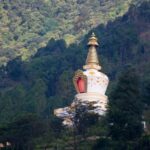
From Namche you’ll head toward Deboche for a trek day that climbs to about 3,820 m (roughly six hours). Deboche is where you start seeing the religious and cultural texture of the Khumbu. The program includes a stop around Tengboche Monastery—this is one of the best “why people love Nepal” moments on the route.
Then comes Dingboche, where the trekking continues to around 4,360 m. Day six is a steady climb, and day seven is another planned acclimatization break. At this stage, your body is learning the rhythm: slow uphill walking, hydration, and rest when you need it.
These acclimatization days are where private guiding becomes more than just comfort. A good guide will adjust your pace and recommend how hard to push. In the feedback shared for Cordial Trek trips, guides like Raj and Prakash Neupan are described as attentive and systematic—meaning they don’t just lead you forward, they keep assessing how you’re doing and guide decisions around your condition.
If you’re a traveler who wants structure (and prefers not to guess), this style of pacing is a real benefit.
To Lobuche, Gorakshep, and Everest Base Camp at 5,364 m
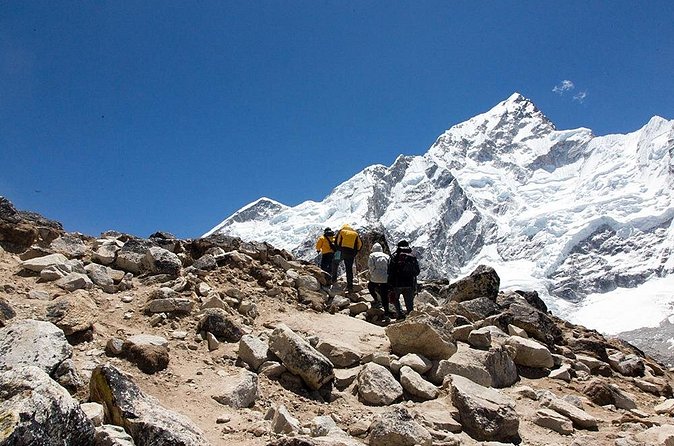
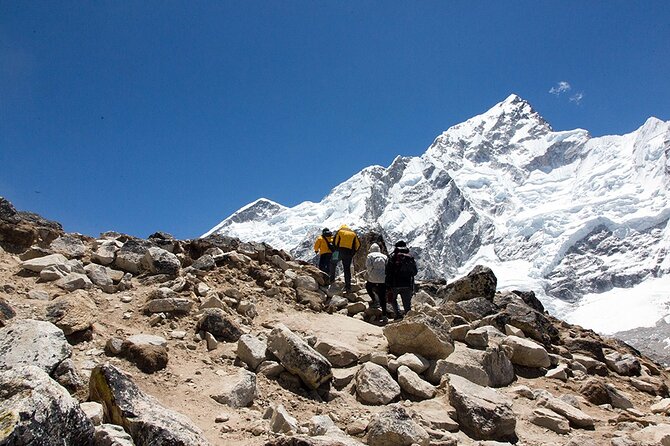
After Dingboche, the route continues toward Lobuche (around 4,940 m). This part of the trek starts feeling more “high and exposed.” It’s still the classic Everest trail, but the air gets thinner and the scenery gets harsher in a way that makes you notice every breath.
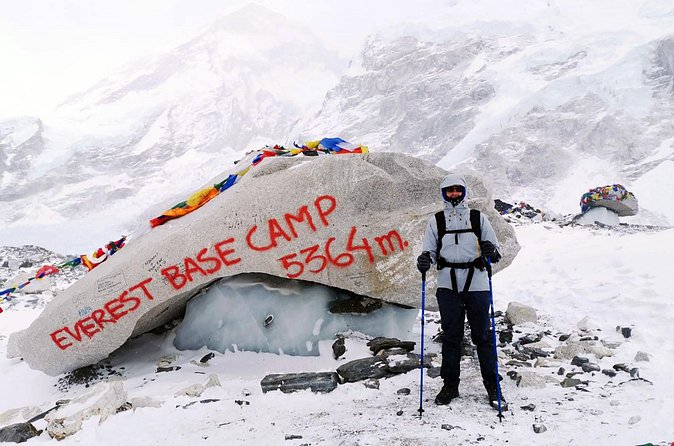
Day nine is a big moment. You’ll trek up to Gorakshep (about 5,164 m) and then continue toward Everest Base Camp at 5,364 m. This is not a gentle hike day. It’s a “you earned this” day.
Base Camp is inside Sagarmatha National Park, and it’s also one of the most popular destinations in the Himalayas. That popularity matters because you’ll see activity and energy around the area—this isn’t a silent, empty wilderness moment. What you should do is manage your expectations: Base Camp is a destination, but it’s also a working staging area for the larger Everest ecosystem.
The best way to enjoy this day is to keep your pace controlled and spend time looking, not racing. Your guide and Sherpa porter support can make the difference between a photo frenzy and a calm, steady arrival.
Kala Patthar sunrise: the payoff day you plan your legs for
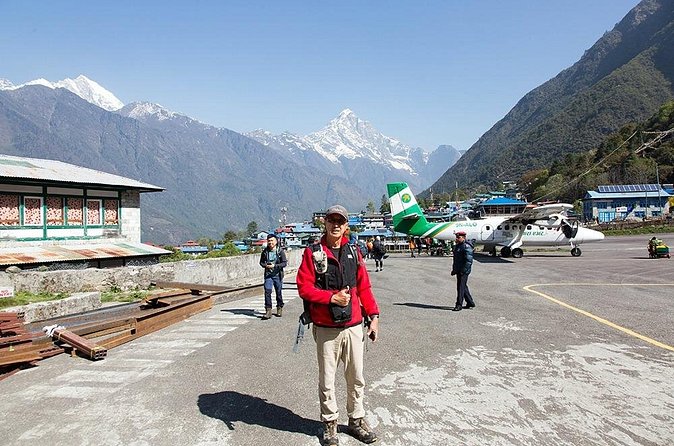
Day ten is the famous Kala Patthar push. It starts early, and you’ll go from Gorakshep and walk a round trip (about three hours) to a max elevation around 5,545 m. That number is where “breathe and focus” beats “push and panic.”
Kala Patthar is valued because it offers a dramatic mountain view perspective—often the kind of sight that makes the whole trek feel worth it. But you shouldn’t treat it like a casual stroll. You’re at altitude, walking uphill in the cold morning air, and the key is steady effort.
This is also where the gear included in your package becomes more than a perk. A down jacket and an appropriate sleeping bag help you stay warmer before and after the early hours. Warmth is not vanity out here; it’s how you protect your energy.
If you want the most memorable version of the day, go slower than you think you need to. When the view hits, you’ll have enough energy left to actually enjoy it.
You can also read our reviews of more hiking tours in Kathmandu
The return trek: Tengboche to Namche to Lukla
After Kala Patthar, the trek turns from “go higher” into “build momentum home.” You’ll head back toward Namche Bazaar via Pheriche and over to Tengboche, with a trek day that’s listed around six to seven hours.
There’s a good reason this return feels different. You already know the terrain style, so your brain can relax. You can look more and worry less about what’s around the next bend.
Day twelve brings you back toward Lukla via Phakding (about seven to eight hours). You’ll have time to visit the Lukla bazaar in the evening and settle into the final stretch. Then day thirteen is a flight back to Kathmandu, where you get free time and a hotel stay.
On day fourteen, you’ll be awarded a trip certificate and transferred back to the airport about three hours before your departure. It’s a small touch, but on Everest treks it signals something real: you finished the route.
Food, gear, and lodging: what is actually included
This package includes accommodations and a set number of meals: 11 lunches, 12 dinners, and 13 breakfasts. That’s helpful because it reduces spending and planning. It also lets your guide focus on the trek rather than stopping to hunt food.
You’re also given essential trekking gear: a down jacket, a sleeping bag, and a duffle bag. That’s a big value item for many travelers, especially if you’re traveling from elsewhere and don’t want to deal with rentals or bulky luggage rules.
Lodging on this route is typically simple and practical. The big goal is sleep and warmth, not luxury. If you take the trek seriously and plan for basic mountain comfort, you’ll feel more relaxed along the way.
Guide support and Sherpa porter help: why it matters on Everest
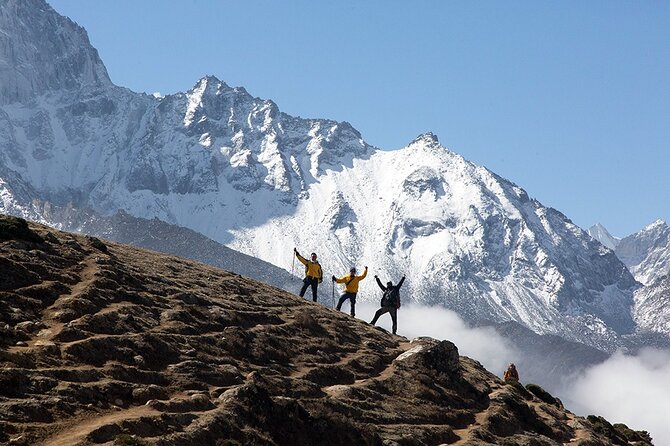
A private Everest trek is only as good as the human support behind it. Cordial Trek’s structure includes an experienced trekking guide and a Sherpa porter, and the feedback around the program highlights consistent attention to safety and well-being.
Names that come up in the shared experiences include guides such as Raj Tamang, Prakash Neupan, Raj, Pratip, and Nabin. Managers like Ramesh are also mentioned for attentive oversight. Porters like Surendra are praised for being helpful and knowledgeable.
Even without knowing a guide personally, you can use this as a checklist. You want someone who watches how you’re doing, helps you pace, and offers advice when conditions or energy levels change. On a trek like Everest Base Camp, that kind of support can help you avoid the common mistake: starting out too fast because the trail looks friendly.
Price and value: is $1,650 a fair deal for Everest Base Camp?
$1,650 per person can sound high if you think of it as a “walk to a mountain” trip. But when you break down what’s included, the value picture changes.
Included items you would otherwise pay for or organize yourself include:
- Domestic flights KTM–LUA–KTM
- Trekking permits and national park fees
- Accommodations, plus a set number of meals
- Guide and Sherpa porter support
- Airport transfers
- Down jacket, sleeping bag, and duffle bag
- Trekking map and a trip certificate
What’s not included is also clearly listed: Nepal visa, travel insurance, personal expenses, gratuities for guide/porter, and any unspecified meals. Travel insurance is not a small checkbox here. Everest-area trekking is physically demanding and weather-driven, so you want protection.
So is $1,650 worth it? For many travelers, yes—especially if you want a fully organized package with logistics handled and a trained team managing the pace. If you already have your own winter gear and you’re comfortable building your own permit/itinerary system, you might spend less. But you’ll spend more time managing details, and Everest doesn’t reward extra stress.
Who this private 14-day EBC trek fits best
You should strongly consider this trek if:
- You want a private setup, not a crowded group shuffle
- You prefer a plan with acclimatization days rather than a rushed climb
- You like having your flights, permits, and gear sorted in advance
- You’re capable of a moderate fitness level for long mountain walking
It’s especially good for travelers who want that classic Everest experience—Lukla entry, Namche acclimatization, monastery culture, Everest Base Camp, and the Kala Patthar viewpoint day—without having to run the logistics playbook.
If you’re prone to altitude issues or you’re unsure about your fitness, talk to a medical professional before you go and consider whether you need a slower itinerary. Everest rewards patience.
Should you book Cordial Trek’s Kathmandu to Everest Base Camp route?
I’d book this trek if your priorities are clear: solid guidance, planned acclimatization, and a package that handles the hard-to-organize parts like Lukla flights and permits. The included gear and meals also reduce the “what do I do next?” moments that can wear people down.
Skip this plan or ask a lot of questions first if you’re expecting a fully relaxed hike with minimal altitude challenge. This is Everest Base Camp: you’re climbing to well above 5,000 m, and you’ll earn every view.
One last tip: since weather can affect the route, stay flexible in your mindset. When the plan adapts, you’ll get better results if you keep your energy calm and cooperative.
FAQ
What is the duration of the Everest Base Camp trek?
The trek is listed as 14 days approximately, starting from Kathmandu and including flights to Lukla and back.
Does the price include flights between Kathmandu and Lukla?
Yes. Domestic flight tickets for KTM–LUA–KTM are included in the package.
What trekking gear is included?
The package includes a down jacket, sleeping bag, and a duffle bag.
Are meals included during the trek?
Yes. Lunches, dinners, and breakfasts are included for the scheduled trek days (listed as 11 lunches, 12 dinners, and 13 breakfasts).
Do I need trekking permits and national park fees?
You do. Necessary trekking permits and national park fees are included as part of the tour.
Is travel insurance required, and what if weather changes?
Travel insurance is listed as compulsory. The experience also requires good weather, and if it’s canceled due to poor weather, you’ll be offered a different date or a full refund.