REVIEW · EVEREST BASE CAMP TREKS
Everest Base Camp trek- 11 days
Book on Viator →Operated by Mount Face Nepal · Bookable on Viator
Lukla to Everest is a one-way ticket to awe. I love the built-in Lukla flight and early mountain views, and I really like how much the trip focuses on solid food, lodging, and pacing as you climb toward Everest Base Camp. The one thing to take seriously is altitude: you’re going up quickly, so you’ll need moderate fitness and to treat the acclimatization day in Namche Bazaar like it’s part of the main event, not a break.
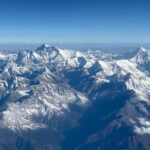
I’m also a fan of the human side of this trek—Sherpa towns, monasteries, and those huge sightlines of Everest plus Lhotse, Nuptse, Ama Dablam, Thamserku, and the Khumbu Icefall. With a guide named Dipu (also seen as Deepu in notes), you can expect attentive planning and practical support, especially around the mountain rhythm of each day.
In This Review
- Key highlights I’d mark on your map
- Everest Base Camp, but with the right rhythm
- Price and what you actually get for $1,699
- From Thamel to Lukla: the day the mountains grab you
- Phakding to Namche: your gateway to Everest country
- Tengboche to Dingboche: monastery views and a steady climb
- Dingboche to Lobuche: where the altitude starts to talk
- Gorakshep and Everest Base Camp: the “we made it” day
- Descent back to Namche and Lukla: regain comfort, keep the views
- Guide and porter setup: why it makes a difference
- What the cultural and monastery stops add (beyond photos)
- What to watch for before you book
- Should you book Mount Face Nepal for Everest Base Camp?
- FAQ
- What is the duration of this Everest Base Camp trek?
- Where does the trek start and when?
- Is pickup and airport transfer included?
- Are flights included in the price?
- How are meals handled during the trek?
- Do I need trekking permits?
- Is there a guide and porter?
- What’s not included in the package?
- Who is this trek best suited for?
- If I need to cancel, what happens?
Key highlights I’d mark on your map
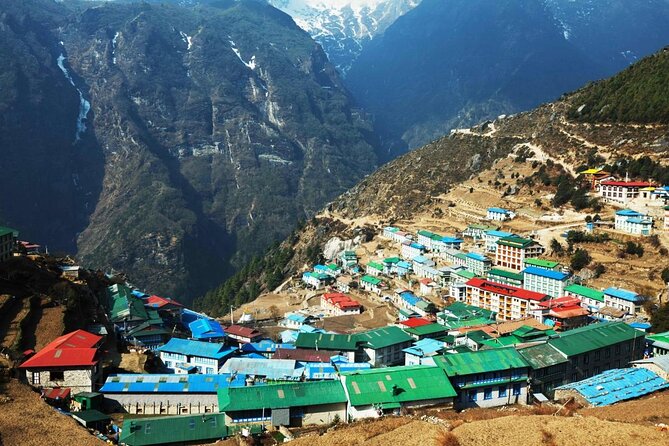
- Sunrise and views tied to the Lukla flight for an instant sense of scale
- Namche Bazaar acclimatization at 3,435m before higher climbs
- Tengboche monastery stop with big spiritual-and-scenic payoff
- Everest Base Camp day plus Gorekshep area for that real “we’re here” feeling
- Kalapathar at 5,545m as the best add-on viewpoint on the route
Everest Base Camp, but with the right rhythm
An Everest Base Camp trek isn’t just a hike. It’s a sequence of altitude, effort, and mental focus—stacked day after day. This 11-day route is designed around that reality. You’re not thrown straight from Kathmandu into the thin air; you start with the dramatic Lukla arrival, then you build height gradually and pause in the key places.
What makes this experience practical (and worth your time) is that the logistics are handled for you. You’re not organizing permits, food, guide credentials, or porter support on your own. The trip also includes full board meals during the trekking days, plus a government-licensed guide and a first aid kit.
You can also read our reviews of more hiking tours in Kathmandu
Price and what you actually get for $1,699
At $1,699 per person, you’re paying for more than “a place on a trek.” You’re paying for:
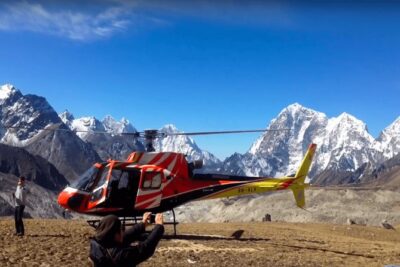
- Flights Kathmandu–Lukla–Kathmandu
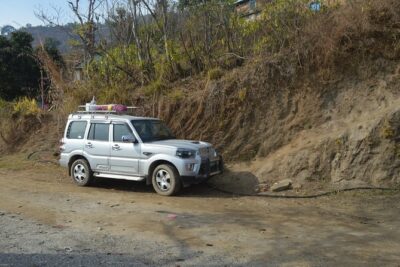
- Pickup and drop to the local airport for the Lukla flight
- Trekking permits needed for restricted area trekking, along with TIMS (Trekker’s Information Management System)
- Best-available accommodations during the trek
- A guide who’s government licensed plus a porter (typically 1 porter for 2 clients)
- Full board meals (breakfast, lunch, dinner) during the trekking period
- Transportation charges returning you back to Kathmandu
- A farewell dinner prior to departure
What’s not included matters too: lunch and dinner in Kathmandu, hotel in Kathmandu, travel insurance, and Nepal entry visa fees (plus international airfare and airport departure tax). Tips and drinks during the trek aren’t covered, and personal trekking gear is also not listed as included.
So here’s the honest value check: if you want a ready-to-go plan where you can focus on pacing, food, and the high-altitude days—this price can make sense. If you’re already set up with your own guide, permits, and logistics, you might find cheaper ways. But for most people, paying for the work to be handled is the point.
From Thamel to Lukla: the day the mountains grab you
The trek starts in Kathmandu at Thamel, with a start time listed as 7:15am. This matters because the first day is an early push from city to mountain logistics: pickup is included, and you’ll be transferred to the local airport for the flight to Lukla.
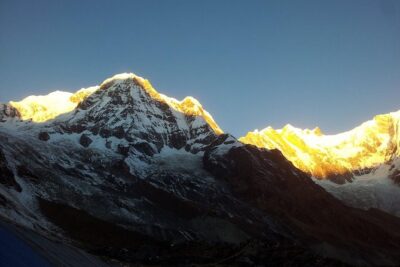
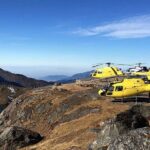
Day 1 is Kathmandu to Lukla (2,850m) by air, then a hike to Phadking (2,660m). That opening day is where the trip’s tone gets set. Lukla is famously small and dramatic, and the itinerary also highlights an early morning sunrise view over the snowcapped mountain. Even if you’re not chasing photo-perfect moments, that first look helps you understand what you’re working toward.
After landing, you transition into walking—practical trail time that lets your body settle in before you go higher. If you’re sensitive to motion sickness or nerves around flights, plan for that mentally. The trek assumes you’ll be able to handle the flight day and then keep moving on foot.
Phakding to Namche: your gateway to Everest country
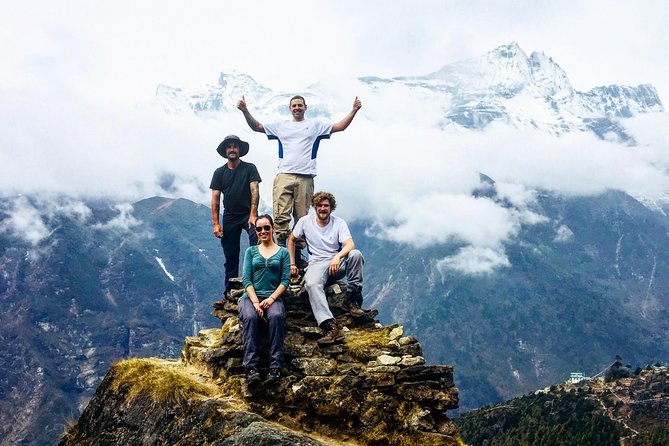
Day 2 is Phakding to Namche Bazaar (3,435m). Day 3 is a full acclimatization day in Namche at the same elevation. This is a smart structure. Namche isn’t just a place to sleep—it’s where you build altitude tolerance while still getting plenty of cultural and viewpoint payoff.
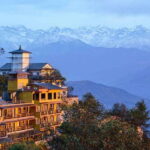
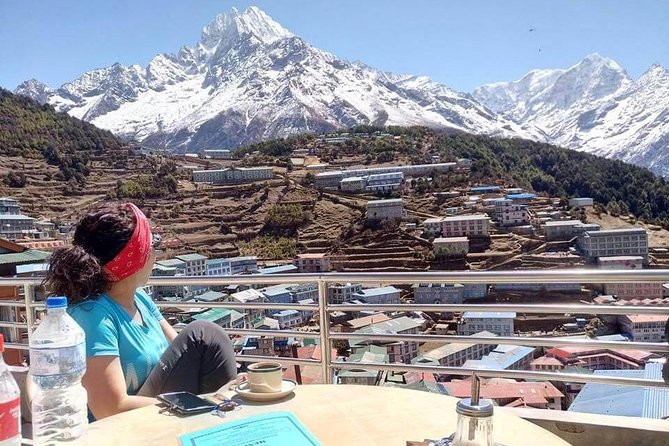
Namche Bazaar is described as the gateway to Everest Base Camp, and that’s exactly why it’s used here. You’ll see Sherpa home-town energy, plus monasteries and major panorama angles of Everest, Lhotse, Nuptse, Ama Dablam, and more. You’re also in an area where the culture feels present, not staged—use that day to walk a bit, breathe, and let the mountain altitude settle.
Here’s the possible drawback: the acclimatization day can feel like “wasted effort” if you’re in a hurry. Don’t treat it like that. Your next climb goes up fast.
Tengboche to Dingboche: monastery views and a steady climb
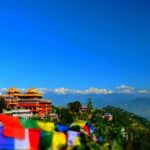
Day 4 takes you from Namche Bazaar to Tengboche (3,890m). Tengboche is famous for its monastery setting, and the itinerary highlights monasteries plus standout views across the high peaks.
Day 5 is Tengboche to Dingboche (4,400m). This is a classic Everest trek rhythm: a steady climb that’s manageable in chunks, but still a big jump in altitude.
In practical terms, the Tengboche stop gives you a mental reset. You’re higher than the early days, and the monastery setting tends to pull your focus toward stillness and perspective. The downside is straightforward: higher altitudes demand slower steps. If you try to match your low-elevation pace, you’ll feel it.
Dingboche to Lobuche: where the altitude starts to talk
Day 6 is Dingboche to Lobuche (4,910m). By now you’re in that zone where every uphill feels steeper and recovery takes longer.
Day 6 is also the stage-setter for what comes next: the higher trekking camp areas and the push toward Everest Base Camp and Kalapathar. The route uses the multi-day progression so you’re not making one giant altitude leap on a single day.
This is where you’ll appreciate having your meals and accommodations handled. It’s not just convenience. Good food timing helps your energy stay steady, and steady lodging logistics reduce stress when your focus is better spent on breathing, walking, and hydrating.
Gorakshep and Everest Base Camp: the “we made it” day
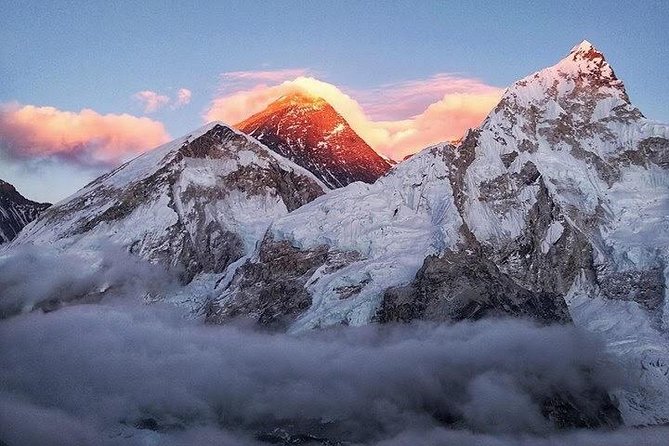
Day 7 is a busy, high-impact day: Lobuche to Gorakshep and Everest Base Camp (5,380m) to Gorekshep (5,180m). The inclusion of both Everest Base Camp and the Gorekshep area matters. Base Camp gives you the moment. Gorekshep helps you land the day’s logistics in a higher camp zone before the next viewpoint push.
Day 8 is Gorekshep to Kalapathar (5,545m) and Pheriche (4,320m). Kalapathar is described as the viewpoint where you can see the world’s highest peak. Even if you’ve seen Everest pictures before, there’s something about getting that close to the final viewpoint that makes the scale hit differently.
This is also where you’ll want to respect weather and energy. You don’t want to go too hard early just to “win the hike.” The route’s order is built for the fact that you’ll likely need energy conservation on the way to these high points.
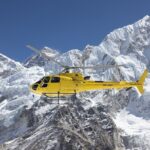
Also highlighted in the trek overview: you’ll get views related to the Khumbu Icefall and the kind of wildlife you can find in the natural park area. You won’t control what you see, but the trek sets you in the right geography for the real Everest atmosphere.
Descent back to Namche and Lukla: regain comfort, keep the views
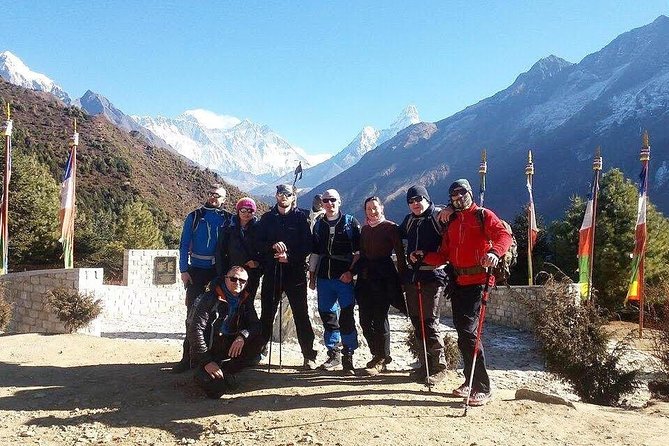
Day 9 is Pheriche to Namche (3,435m). This is a long relief after high days. Still, it’s not “easy”—downhills can be rough on knees and legs. The positive is you’ll be dropping altitude, so breathing typically gets less demanding.
Day 10 is Namche to Phadking and Lukla (2,835m). This is the day your mountain trek starts to feel like a journey back into normal routines. You’re moving between key stops that already shaped your first days.
Day 11 brings Lukla to Kathmandu by flight. The trek ends back at the meeting point. That final flight day helps you wrap the experience without adding extra trekking days after the hardest altitude blocks.
Guide and porter setup: why it makes a difference
This tour includes:
- A government license holder guide
- A porter for your baggage (normally 1 porter for 2 clients)
In an Everest Base Camp trek, your body is your most important tool. Reducing the mental load of “What do I carry?” and “Is my gear secure?” is huge. Reviews you’ll find about this operator emphasize that logistics stay under control and that the itinerary is planned and paced, not winged.
And your guide name shows up a lot in the feedback: Dipu. That’s a good sign, because on a trek like this, you want consistent communication and a guide who can adapt the day when altitude and energy demand it. Having a guide and porter system built into the plan means you can focus on the trail and the views.
What the cultural and monastery stops add (beyond photos)
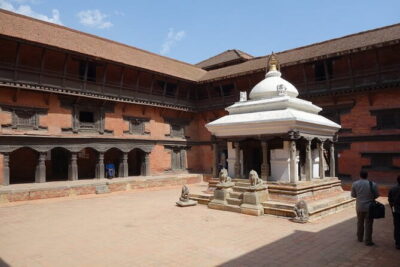
The itinerary isn’t only about getting to a point. It also threads in Sherpa culture and monastery visits—especially around Namche and Tengboche.
That matters because Everest country is not a theme park. These places are lived in. When you slow down for monasteries and community spaces, you get context for how people live at altitude—what matters to them, what rituals look like, and why this region has a spiritual depth that doesn’t feel like a marketing line.
You also move through a route described as having friendly multi-ethnic groups and visible cultures. When you’re already dealing with altitude fatigue, cultural context can make the days feel richer instead of just exhausting.
What to watch for before you book
Here’s the no-drama checklist based on the trip’s own framing:
- You should have moderate physical fitness.
- You need to be comfortable with an itinerary that climbs up to around 5,545m at Kalapathar and includes Everest Base Camp at 5,380m.
- The trekking days are fixed and altitude is planned, but you still need to listen to your guide and pace yourself.
- Pack for cold and wind for high viewpoints because the route spends real time above 5,000m.
One more practical point: the trek includes permits (including for restricted area trekking) and TIMS. That’s great, but it also means your passport details must match what’s submitted at booking time (passport name, number, expiry, and country are required). If your passport info is off, it can cause delays.
Should you book Mount Face Nepal for Everest Base Camp?
If you want an Everest Base Camp trek where:
- your flights, permits, and core logistics are already arranged,
- your trekking days include full board meals,
- you’ll have a government-licensed guide and porter support,
- and you care about pacing plus cultural stops (Namche and Tengboche),
…then I think this is a strong fit.
I’d hesitate if you’re looking to DIY everything, or if you’d rather manage permits and meal plans yourself. Also be honest about the altitude demands. This itinerary includes an acclimatization day, which helps, but it doesn’t turn the climb into a casual walk.
FAQ
What is the duration of this Everest Base Camp trek?
It runs for about 11 days, starting in Kathmandu and ending back in Kathmandu.
Where does the trek start and when?
The meeting point is Thamel, Kathmandu, with a listed start time of 7:15am.
Is pickup and airport transfer included?
Yes. Pickup and drop to the local airport for your Lukla flight are included, and ground transportation charges while returning to Kathmandu are also included.
Are flights included in the price?
Yes. Air fare for Kathmandu–Lukla–Kathmandu is included.
How are meals handled during the trek?
Full board meals (breakfast, lunch, and dinner) are included during the trekking period.
Do I need trekking permits?
Yes. Trekking permits needed for restricted area trekking are included, along with a TIMS card.
Is there a guide and porter?
Yes. You get a government license holder guide and a porter to carry your baggage (normally 1 porter for 2 clients).
What’s not included in the package?
Not included are lunch and dinner in Kathmandu, hotel in Kathmandu, travel insurance, Nepal entry visa fee, international airfare and airport departure tax, tips for staff, and drinks (hot/soft/cold), plus personal shopping and personal trekking equipment.
Who is this trek best suited for?
The trek is designed for people with moderate physical fitness. It also requires you to be comfortable with altitude changes throughout the itinerary.
If I need to cancel, what happens?
Free cancellation is available up to 24 hours in advance for a full refund.