REVIEW · ANNAPURNA BASE CAMP TREKS
Annapurna Base Camp Trekking
Book on Viator →Operated by himalayan sanctuary adventure private limited · Bookable on Viator
That first Himalayan morning has a pull to it.
This private Annapurna Base Camp trek strings together Kathmandu World Heritage sights, a Pokhara lake-view start, and then the steady climb into the Annapurna region with your own English-speaking guide. It’s built for people who want the planning handled, but still like the freedom to tweak day-to-day.
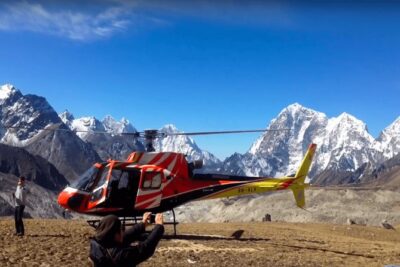
Two things I really like: first, you’re not just dropped on a trail—your team includes a guide and porters in a clear 2 trekkers to 1 porter setup, so you can focus on walking. Second, meals and lodging are handled in both Kathmandu and on the trail, with teahouse breakfast, lunch, and dinner during the trek. One thing to consider: some parts can be cold, wet, and steep (yes, even before you reach the big views), and hot drinks like soda and hot water are not included.
In This Review
- What You’ll Probably Enjoy Most (and why)
- Kathmandu: temples, stupa views, and getting your bearings
- Pokhara transfer: the calm before the footfalls
- Ulleri to Ghorepani: short days that build trekking rhythm
- Poon Hill sunrise: the view that makes early mornings worth it
- Tadapani to Chhomrong: terraced village vibes and big-mountain framing
- Chhomrong to Dovan: bamboo cold, river energy, and glacial-river views
- Deurali and the push toward Annapurna Base Camp: where the altitude feels real
- Bamboo backtracking, Chhomrong steps again, and the hot spring payoff
- Ride back to Kathmandu: a long bus day, then done
- Price and Logistics: what your $899 is buying you
- Who should do this Annapurna Base Camp trek
- Should you book this private ABC trek?
- FAQ
- How many days is the Annapurna Base Camp trekking tour?
- Where does the tour start and is airport pickup included?
- What does the tour include for accommodations?
- How do you travel between Kathmandu and Pokhara?
- Are permits included for the trek?
- What sightseeing is planned in Kathmandu before the trek?
- What is the fitness level needed for this trek?
- Does the price include meals?
- Is there free cancellation?
What You’ll Probably Enjoy Most (and why)
- Private guide attention: fewer logistics, more real-time help on pacing and route decisions
- Teahouses with full meals: breakfast, lunch, and dinner during trekking days means less daily hunting
- UNESCO Kathmandu warm-up: Pasupatinath, Boudhanath, Patan Durbar Square, and Swayambhunath set the tone
- Poon Hill sunrise stop: a high payoff morning with big-range views right off the trek
- Hot spring reset at Jhinu Danda: a rare comfort moment before the long ride back
Kathmandu: temples, stupa views, and getting your bearings
Day 1 is arrival mode. Your representative picks you up from Tribhuvan International Airport and transfers you to your hotel in Kathmandu, so you don’t waste your first day figuring out roads or language.
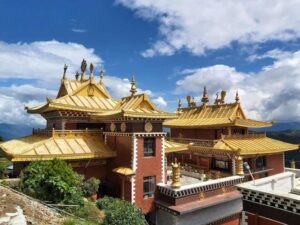
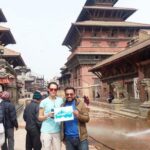
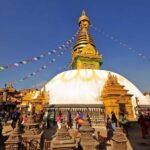
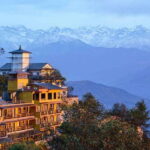
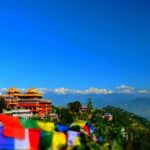
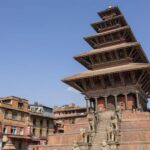
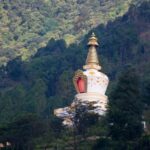
Day 2 is a full sightseeing day in the Kathmandu Valley’s UNESCO zone: Pasupatinath Temple, Boudhanath Stupa, Patan Darbar Square, and Swayambhunath (Monkey Temple). This part matters more than people expect. It helps you understand Nepal isn’t only mountains and trails—it’s also ritual, community, and everyday faith, all in walking distance. You also get a feel for hill-city traffic and altitude before you go higher.
The only drawback here is that entrance fees for sightseeing aren’t included. So budget a bit extra if you want to avoid any last-minute decisions.
You can also read our reviews of more hiking tours in Kathmandu
Pokhara transfer: the calm before the footfalls
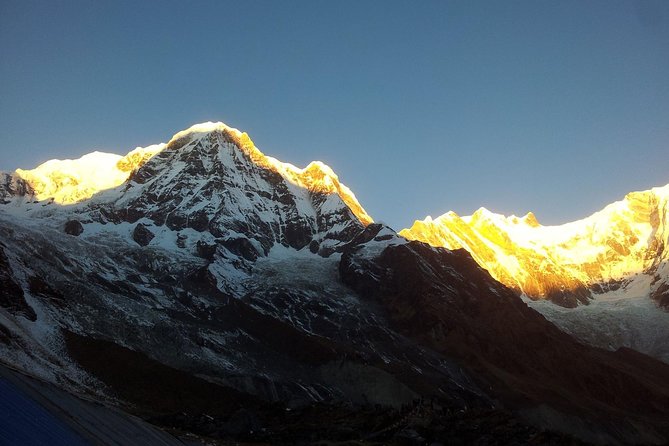
On Day 3, you leave Kathmandu early. Your trekking staff picks you up around 6:30 am and escorts you to the tourist bus station for the ride to Pokhara (the schedule lists departures around 7:00–7:30 am).
Pokhara is your staging area for the Annapurna Base Camp trek. The plan is set up so you arrive with time to settle in and prepare for the trail start. And Pokhara is not just a pretty stop: it’s where you start your mental switch from city movement to slow, steady hiking. If you’re the type who gets anxious when details are unclear, this transition day is comforting because everything is already organized.
Ulleri to Ghorepani: short days that build trekking rhythm
Day 4 begins the actual trekking. After a drive, you start near Nayapul, with a short walk along the Modi Khola to Birethanti (1,015 m). From there, you climb toward Hille (1,495 m) and then to Tikhedhunga (1,570 m). The big idea on this first trek day: you’re warming up. It’s described as a relatively short and easy prelude, which is exactly what you want before longer climbs.
Day 5 is your first real altitude effort. You trek from Ulleri toward Ghorepani (2,840 m). The route climbs through a Magar village and passes through forests of oak and rhododendron. You’ll go by Banthanti and Nangethanti before arriving in Ghorepani.
Why this matters: Ulleri-to-Ghorepani is where your body learns the rhythm—small efforts stacked all day, instead of one big heroic push. You’ll feel it later. Better to start “learning” early.
Poon Hill sunrise: the view that makes early mornings worth it
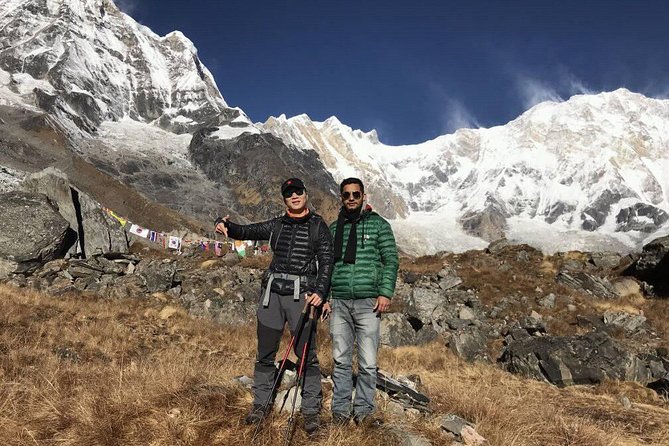
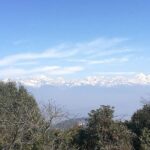
Day 6 is an early-morning mission to Poon Hill (3,210 m). The schedule is built around seeing sunrise over the high Himalayas, and Poon Hill is specifically described as a top spot for close-up views of the Annapurna and Dhaulagiri ranges. You also get wider sightings toward places like Mustang and more than 20 high peaks from the same viewpoint area.
After sunrise, you retrace back to Ghorepani for breakfast, then trek toward Tadapani (2,700 m). The route drops you into rhododendron forests and includes waterfalls on the way, which is a nice change from pure uphill grinding.
Practical takeaway: this day is a time-and-energy trade. You’ll earn it with one of the trek’s clearest view moments, but you also need to be ready for an early start.
Tadapani to Chhomrong: terraced village vibes and big-mountain framing
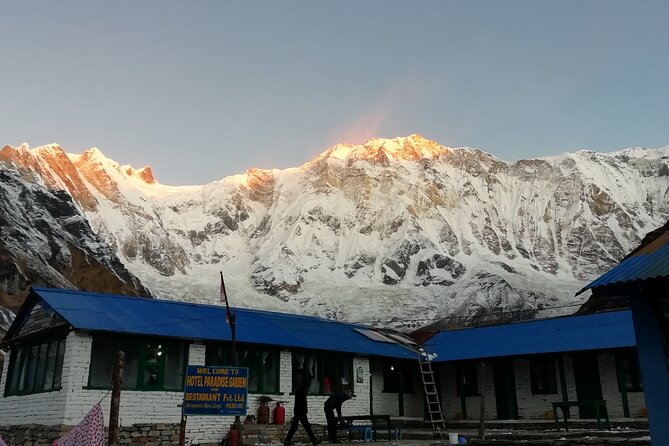
Day 7 continues the rhythm with a scenic descent through rhododendron forests, then you move into terraced fields and pass waterfalls. The route is described as passing through a suspension bridge area and reaching Chhomrong (2,170 m).
Chhomrong is a key photo stop because the village sits below the giant Annapurna massif. Even if you’re not a serious photographer, this is one of those places where the trek starts to feel real in a physical way. You’re no longer just walking through forest and villages—you’re walking beneath mountains.
One consideration: this is a day with descent and steps. That’s great for confidence, but it can be rough on knees if you go too fast. Your private guide can help you pace it.
Chhomrong to Dovan: bamboo cold, river energy, and glacial-river views
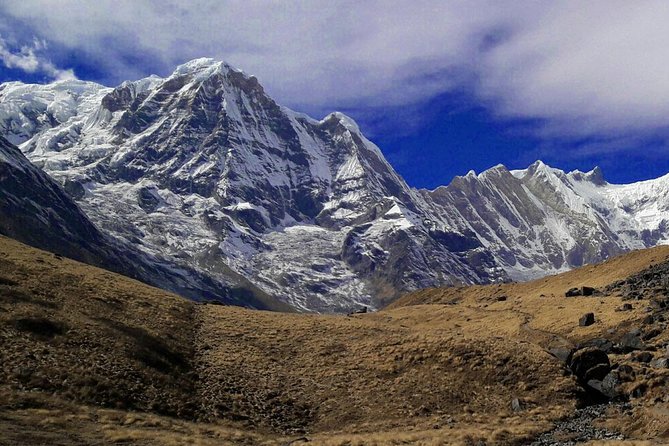
Day 8 shifts the tone. You pass through a bamboo forest that’s described as damp and cold, then you climb and later emerge into clearer sun views with glacial river energy below. There’s a steep climb at one point and the trek route moves toward Hinku Cave before descending and then ascending toward Dovan.
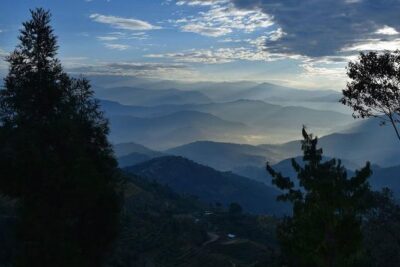
You’ll also be noticing how the vegetation changes as altitude increases and moisture shifts. The day’s description includes views toward Mt. Dhaulagiri and the sense that cliffs and waterfalls appear more often as the forests thin. That’s the kind of gradual environmental change that makes the trek feel like you’re genuinely moving through zones, not just repeating uphill and downhill.
Deurali and the push toward Annapurna Base Camp: where the altitude feels real
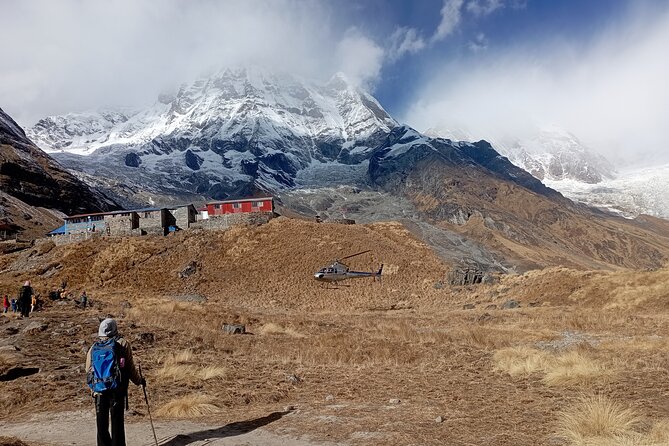
Day 9 treks from Dovan to Deurali. The route follows the valley trail in a steady climb and is described as sometimes steep, with sections sticking to a rocky cliff. This is the kind of day that tests focus: you keep moving even when the path gets less comfortable.
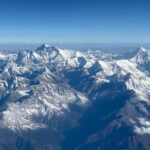
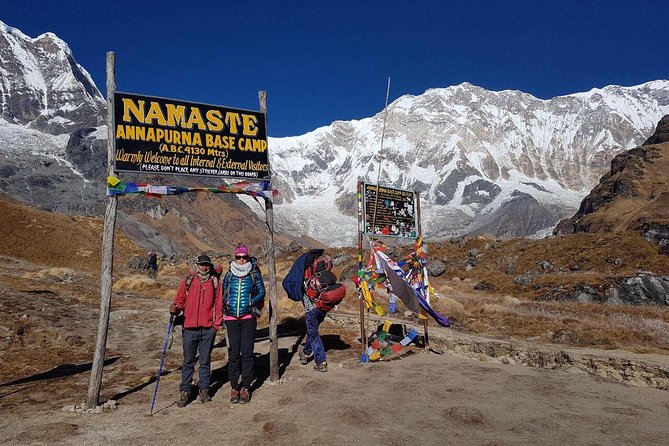
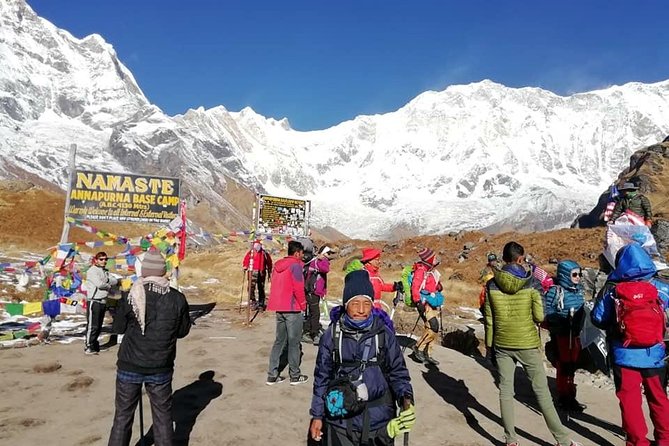
Then Day 10 is the big turning point—trekking to Annapurna Base Camp (described as about 5–7 hours). The plan emphasizes a rapid ascent toward ABC, which matches what you feel in your legs as the day gets higher. Your reward is the moment everyone comes for: the base camp area where the Annapurna massif becomes the main character.
After that, your next day’s description highlights a fast descent from the base camp zone past key landmarks like Machhapuchhre Base Camp, Deurali, Himalayan Hotel, Doban, and finally to Bamboo for the night. That downhill day is often easier in the cardio sense, but you still need good footing and smart pacing.
Bamboo backtracking, Chhomrong steps again, and the hot spring payoff
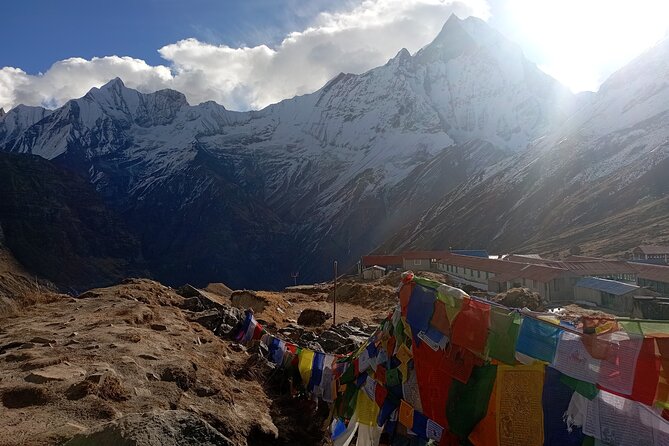
Day 11 is a long return flow. The trek retraces steps back to areas like Chhomrong, with a steep descent down to the Modi Khola valley. There are stone steps involved, and the description notes that they can feel tricky both directions.
Then Day 12 adds a rare comfort moment: trek to Jhinu Danda and the Jhinu Danda hot spring. It’s listed at about 5 hours, and you overnight at Jhinu. If you’ve been dealing with cold feet, sore legs, and damp trail days, hot springs here make a lot of sense. It’s not a luxury spa. It’s a simple, physical reset.
Day 13 drives you back to Pokhara after completing the trek, and you’ll overnight there. That ride is part of the emotional release—one day you’re watching mountains and following trail markers, the next you’re back in a town where you can actually eat without looking at altitude like it’s a homework assignment.
Ride back to Kathmandu: a long bus day, then done
Day 14 returns to Kathmandu after breakfast. The schedule notes a tourist bus ride that typically takes 7–9 hours from Pokhara to Kathmandu.
This isn’t the kind of day to book anything intense right after. Think of it as the final stretch where you’ll want a comfy hotel check-in and a real meal that doesn’t taste like trail calories.
Price and Logistics: what your $899 is buying you
At $899 per person for an about-two-week plan, the value isn’t just the itinerary. It’s the structure: pickups, guides, permits, lodging, and most of your day-to-day needs are bundled.
Here’s what you get that usually costs extra when you DIY:
- Airport pickup in Kathmandu and hotel transfers
- 3-star category hotels in Kathmandu and Pokhara, with breakfast included
- Teahouse lodging with meals during the trek (breakfast, lunch, dinner)
- Transportation by tourist coach Kathmandu–Pokhara–Kathmandu
- An English-speaking trekking guide plus porters (including their salary, insurance, equipment, and lodging)
- Paperwork for ACAP and TIMS, plus government and local taxes
- A mobile ticket and pickup support
What’s not included is also important because it affects your daily budget. Hot water, cold drinks (including soda and mineral water), phone calls, laundry, beer and bar bills are not included. Sightseeing entrance fees in Kathmandu are also not included, and breakfast is included—while lunch and dinner in Kathmandu and Pokhara are not.
My practical take: the price feels fair if you want a guided trek with less mental load. If you love planning and managing every detail yourself, you might find cheaper options. But if you want your energy on the trail, this bundle fits that goal.
Who should do this Annapurna Base Camp trek
This plan is described as requiring moderate fitness. The daily hiking blocks are mostly in the 4–7 hour range, with at least a few steeper or step-heavy days. If you can walk steadily for half a day and handle changes in altitude, you’ll likely be comfortable with the effort level.
It also fits you if you want:
- a private tour where only your group participates
- a guide who can help with pacing and make day adjustments when needed
- a trekking rhythm that mixes scenic highlights (like Poon Hill and Chhomrong) with practical village stops and teahouses
Should you book this private ABC trek?
I’d book it if your top priority is having the logistics handled and still getting the benefits of a private guide. The Kathmandu warm-up plus Pokhara staging plus a full teahouse-meals plan makes it feel less like a scavenger hunt and more like a guided hiking project.
Skip it (or at least think twice) if you hate early starts or you’re very sensitive to cold and wet conditions—Day 8’s damp bamboo forest and the cold mountain mornings can be a real factor. Also, if you want hot showers on demand, remember hot water is not included.
If you want a straightforward route to Annapurna Base Camp with a calm, guided flow from temple courtyards to mountain trails, this is a solid choice.
FAQ
How many days is the Annapurna Base Camp trekking tour?
The duration is listed as 14 days (approx.), with an overview that also calls it a 15-day trekking tour.
Where does the tour start and is airport pickup included?
The tour starts in Kathmandu, and pickup is included from Tribhuvan International Airport to transfer you to your hotel.
What does the tour include for accommodations?
You get 3-star category hotels in Kathmandu and Pokhara (including breakfast) and teahouse accommodation during the trek with breakfast, lunch, and dinner.
How do you travel between Kathmandu and Pokhara?
You use a tourist coach for Kathmandu–Pokhara–Kathmandu.
Are permits included for the trek?
Yes. The tour includes paperwork and permits, including ACAP and TIMS, plus government and local taxes.
What sightseeing is planned in Kathmandu before the trek?
The Kathmandu day includes sightseeing at Boudhanath Stupa, Pasupatinath Temple, Patan Darbar Square, and Swayambhunath.
What is the fitness level needed for this trek?
A moderate physical fitness level is required.
Does the price include meals?
Breakfast is included (listed as breakfast for 13), and during the trek, teahouses include breakfast, lunch, and dinner. Lunch and dinner in Kathmandu and/or Pokhara are not included.
Is there free cancellation?
Yes. You can cancel up to 24 hours in advance for a full refund.