REVIEW · HISTORICAL TOURS
Kathmandu Heritage Day Tour
Book on Viator →Operated by Blissful Himalayas · Bookable on Viator
Sacred sites, tidy timing. This Kathmandu Heritage Day Tour strings together four of the valley’s biggest spiritual and historic stops, so you can see a lot without playing taxi roulette. You get a smooth car-and-driver setup plus admission ticket coverage noted per stop, which keeps your day simple and focused.
I like two things most: the chance to build real context across Hindu and Buddhist landmarks in one run, and the help of Rajan, the proprietor, whose advice and plan tweaks can make your overall trip work better. I also appreciate that the car is described as air-conditioned, which matters when you’re moving through Kathmandu for hours.
One thing to consider: the package details say entrance fees may be included in the itinerary, but it also lists attraction entrance fees as not included. So before you go, I’d confirm what you’re actually paying for on the spot.
In This Review
- Key Highlights You’ll Notice Fast
- Why This Kathmandu Heritage Day Tour Works So Well
- Price and Logistics: What the $45 Covers (and What to Check)
- Pickup From Thamel Marg: Your Day Starts Without a Hunt
- The Driver’s Role: Comfort, Pace, and Photo Time
- Stop 1: Pashupatinath Temple and the Bagmati River Edge
- Stop 2: Boudhanath Stupa and the Buddhist Atmosphere
- Stop 3: Kathmandu Durbar Square and the Royal Palace Area
- Stop 4: Swaymbhunath (Monkey Temple) and Valley Views
- The Real Value: Rajan’s Advice and the Trip-Sense He Adds
- Comfort, Breaks, and Lunch Reality
- Who Should Book This Tour (and Who Might Skip It)
- Should You Book the Kathmandu Heritage Day Tour?
- FAQ
- Where does the tour start?
- How long is the Kathmandu Heritage Day Tour?
- What is the price per person?
- Is pickup offered?
- Is this tour private?
- Which stops are included?
- Are entrance tickets included?
- What’s included in the price?
- Is lunch included?
Key Highlights You’ll Notice Fast
- Four landmark stops in one practical circuit: Pashupatinath, Boudhanath, Kathmandu Durbar Square, and Swaymbhunath.
- Local guidance with Rajan’s personal touch: relationship-building, suggestions, and help adjusting plans.
- Comfortable car with a driver for the full 4 to 6 hours (parking fees covered).
- Admission tickets are stated per stop, but still worth verifying against the published inclusions.
- Pickup from Thamel Marg and a mobile ticket, so you’re not scrambling for details at the start.
- Private tour for your group while still offering group-discount style value.
Why This Kathmandu Heritage Day Tour Works So Well
Kathmandu heritage can be overwhelming on your own. One minute you’re trying to find a stupa, the next you’re negotiating distance and traffic, and soon the day is gone. This tour solves the big problem with one clear idea: pick four major anchors and connect them with a driver, so you can spend your energy on what you came for.
You’ll move between Hindu temples, Buddhist monuments, and royal-square history. That mix is the point. Nepal is not one single story, and seeing both religions side by side helps you understand why the Kathmandu Valley has so many layers.
The time window is also right. A 4 to 6 hour day tour gives you room to look, take photos, and still have energy afterward for food or a short extra walk. It’s the kind of plan that fits if you’re only in Kathmandu for a couple days, or if you want a day that feels structured but not exhausting.
You can also read our reviews of more historical tours in Kathmandu

Price and Logistics: What the $45 Covers (and What to Check)
The price is $45.00 per person, and the big value is what comes attached to it: a car with driver for the entire day and parking fees. When you’re in Kathmandu, that matters more than it sounds. You’re paying to remove the friction of driving, parking, and route planning.
There’s also a practical side to the booking setup: pickup is offered, and you’ll receive a mobile ticket. Those two details reduce uncertainty, especially if you’re arriving and still getting your bearings.
The only budget caution is entrance fees. The stop descriptions note admission tickets included for each stop, but the exclusions list attraction entrance fees as not included. That mismatch is the kind of thing that can cost you time (and sometimes money) at the wrong moment. Before your day starts, message and confirm what is covered for:
- Pashupatinath Temple
- Boudhanath Stupa
- Kathmandu Durbar Square
- Swaymbhunath
If you get a clear written answer, you’ll feel in control of your budget.
Pickup From Thamel Marg: Your Day Starts Without a Hunt
Your start point is Thamel Marg, Kathmandu 44600, Nepal. Thamel is where most visitors land, so this makes sense. You’re not crossing the city to meet a guide somewhere obscure.
Because pickup is offered, you’ll likely spend less time arranging transport before the tour begins. And since you’re on a timed circuit, that early convenience pays off later. You’re less likely to arrive flustered, which is important when you’re about to enter places where calm attention helps.
One more helpful detail: the tour is private for your group. That means you can ask questions without feeling like you’re competing for attention in a crowded group format.
The Driver’s Role: Comfort, Pace, and Photo Time
This is not a “run from stop to stop” tour. Each major stop is scheduled for about 1 hour, with the full experience running 4 to 6 hours including travel. That pacing is a good compromise. You’ll have time to walk around enough to feel the place, but you won’t be stuck for hours at one monument.
The car-with-driver setup also protects your time. Kathmandu traffic can make “close by” feel far. With a driver handling routes and parking, your schedule stays realistic.
In one description of the service, the vehicle is described as air-conditioned and comfortable. When you combine that with temple and stupa walking, you end up with a day that feels balanced: cool comfort in transit, time on foot at the sites.
Stop 1: Pashupatinath Temple and the Bagmati River Edge
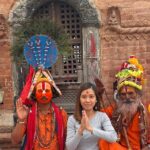
Your first major stop is Pashupatinath Temple, one of the holiest Hindu temples dedicated to Lord Shiva, on the banks of the sacred Bagmati River. This stop is often the biggest “aha” moment for first-time visitors because it immediately shows you how spirituality and daily life sit side by side.
What you’ll experience here is the grandeur of an ancient temple setting, not just a single photo spot. The waterfront location matters. You’ll feel the site’s presence as you approach, and the river setting helps explain why this area holds so much cultural weight.
This is one of those places where observation is part of the respect. You can take in the architecture, watch the flow of people, and get a sense of how visitors and worshippers share the same space.
What to watch for: because it’s a major temple complex, you may want to keep your timing flexible. Your hour can go quickly if you spend long moments at key viewpoints or if the area feels crowded. Go in ready to slow down a little.
Stop 2: Boudhanath Stupa and the Buddhist Atmosphere
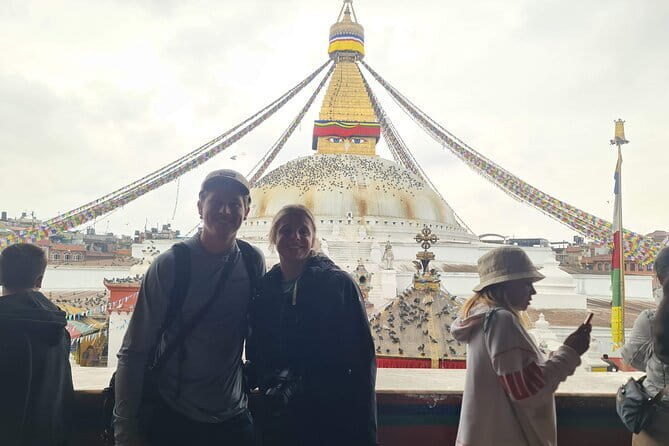
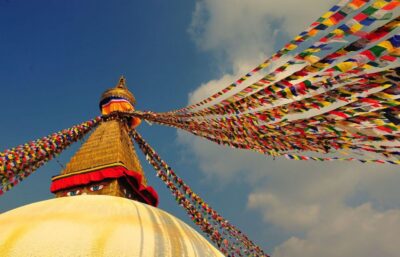
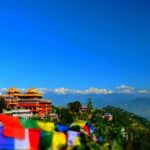
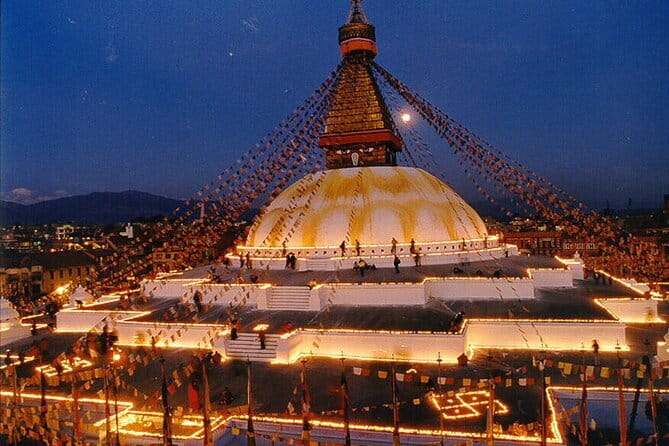
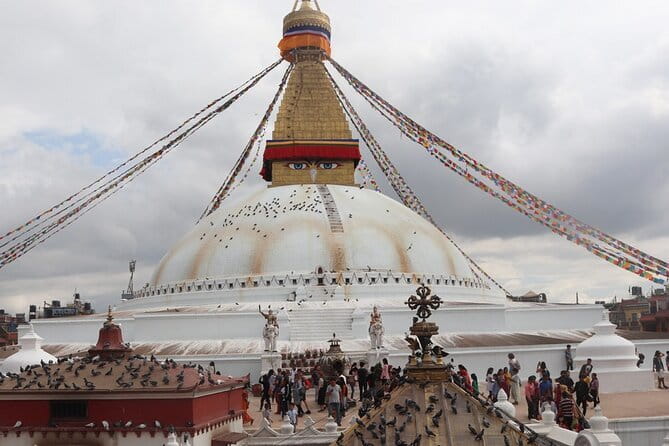
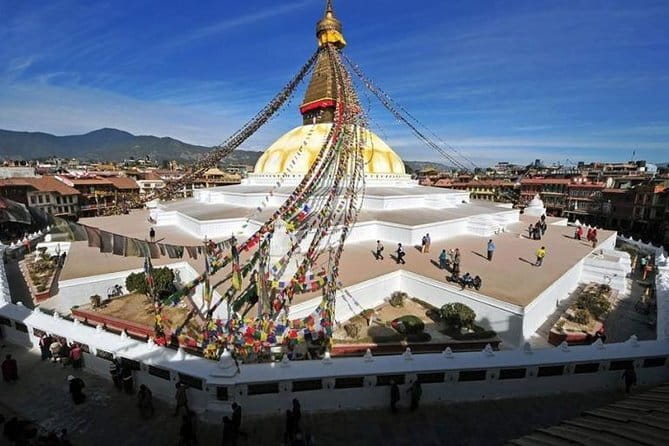
Next up is Boudhanath Stupa, described as one of the largest and most important Buddhist stupas in Nepal. Approaching it, you’ll notice prayer flags and a calmer mood that’s easy to feel. You may even hear chanting monks, which gives the stupa a living soundscape rather than a static view.
This stop is ideal if you like architecture, symmetry, and the “you can’t fully capture it in one angle” feeling. Stupas are designed for attention over time, and spending an hour here gives you enough space to walk around, pause, and take in details.
One practical tip: if you want photos without rushing, treat the first few minutes as settling time. By the time you’re oriented, you’ll know where to stand and where not to crowd.
Tradeoff to consider: this is a big, important monument. That’s great for atmosphere, but it can mean more people at the approach and around key viewing areas. If you prefer quiet, plan to come with patience for shared space.
Stop 3: Kathmandu Durbar Square and the Royal Palace Area
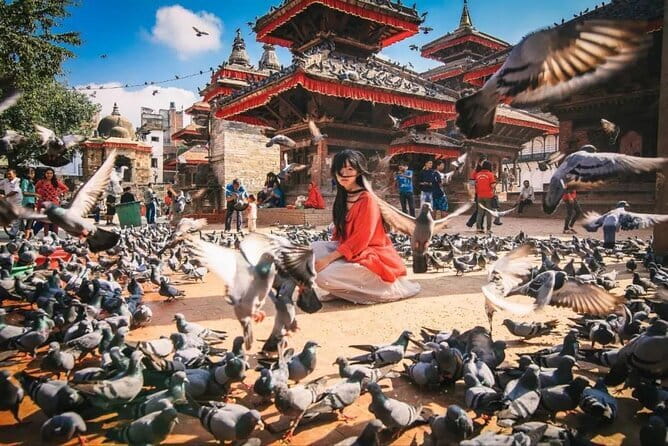
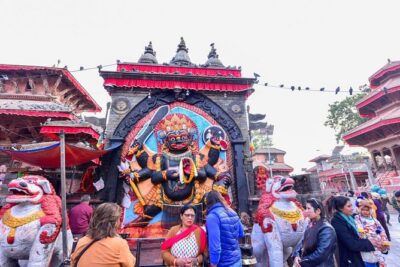
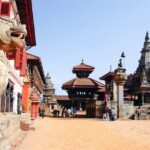
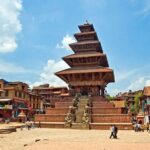
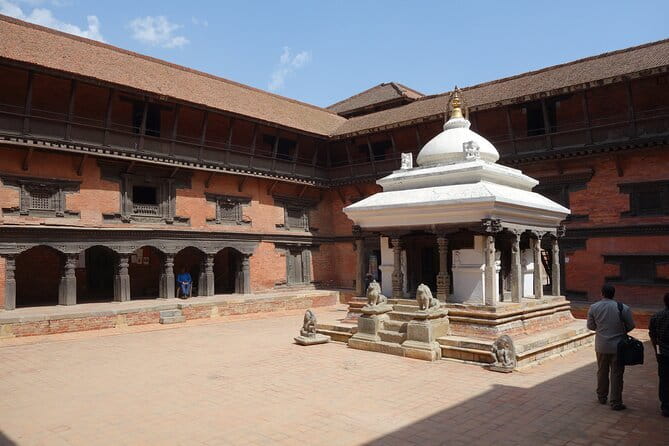
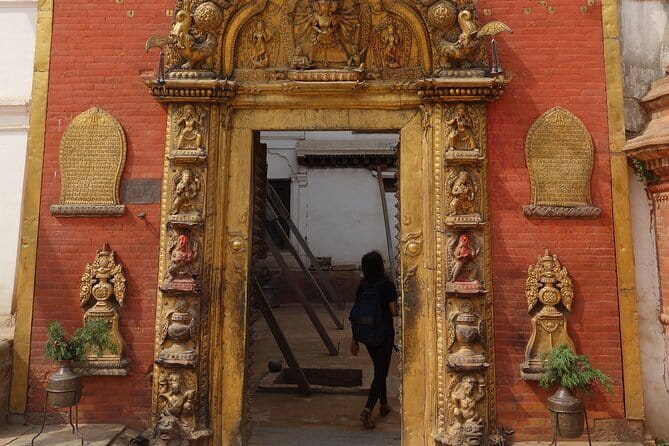
Then you’ll head to Kathmandu Durbar Square, the historical heart of the city where the ancient Royal Palace is located. Even if you’re not a museum person, a durbar square changes how you read a city. It’s where power, religion, and public life once collided in a very visible way.
The tour highlights the royal palace area and the surrounding cluster of temples. Built in the 1880s with influences of British architecture, it’s an unusual blend that helps you understand Kathmandu’s broader historical interactions.
If you want a “human” angle, durbar squares work because they’re not just about the past. People still move through these spaces, and you’ll see how historic structures function in daily life. That makes your photos feel less like a checklist and more like a story.
Possible drawback: because this is a central historic area, you might see more movement and more distractions than at a stupa on a hill. The solution is simple—focus on the palace area first, then expand out to temples if you still have energy.
Stop 4: Swaymbhunath (Monkey Temple) and Valley Views
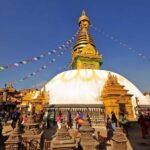
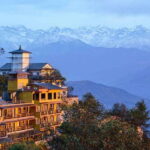
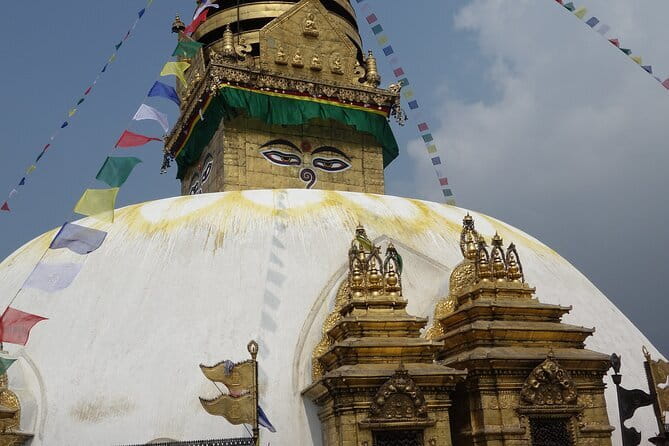
Your final scheduled stop is Swaymbhunath, also known as the Monkey Temple, perched atop a hill with views over the Kathmandu Valley. This is the kind of place where your reward is at the end: height, perspective, and the feeling of looking back over the city’s layers.
Swaymbhunath is a significant Buddhist pilgrimage site, so you’re not only there for scenery. You’ll be in an active sacred space, which adds meaning to your viewpoint time. It’s also a stupa setting that tends to keep attention on details—shapes, structure, and the way people interact with the site.
If you’re the type who loves panoramic moments, give yourself those last minutes. The drive back after Swaymbhunath is when you’ll wish you’d taken one more look.
Watch for timing: if your day runs long, Swaymbhunath can get rushed at the end. If you’re sensitive to that, ask the driver early to keep the schedule steady so you’re not sprinting.
The Real Value: Rajan’s Advice and the Trip-Sense He Adds
The tour’s biggest strength isn’t just the sites—it’s the guidance style. In feedback tied to this provider, Rajan is repeatedly described as helpful and personable: advice and suggestions that improved the overall Nepal trip, plus the ability to adjust travel plans when needed.
That matters because Kathmandu isn’t only about seeing landmarks. It’s about connecting your days so you’re not backtracking or misreading distances. If you’re open to recommendations, you’ll likely get better use out of your time beyond this 4 to 6 hour loop.
One review also notes that Rajan took someone to eat at a place only he knows. You should treat that as the kind of benefit you might receive, not as a promise. Still, it points to the core idea: the tour can be more than sightseeing; it can be a quick consultation with a local operator who wants your schedule to make sense.
Comfort, Breaks, and Lunch Reality
Lunch is not included. That’s not a flaw; it’s a flexibility point. A lot of tourists arrive hungry, then get stuck waiting for lunch decisions at the wrong time. With a sightseeing structure like this, you can choose where to eat based on your own preferences.
The flip side is that you’ll need to plan food on your own or take advice from your guide before you get stuck deciding mid-day. If you’re sensitive to hunger, bring a simple snack just in case.
Also remember: the tour includes car and driver plus parking fees, but your personal expenses and tips are not included. Keep a small buffer for water, snacks, and any small purchases you make at sites.
Who Should Book This Tour (and Who Might Skip It)
This tour fits best if you:
- Want a structured heritage day without driving yourself
- Are short on time in Kathmandu
- Like a mix of Hindu and Buddhist landmarks
- Prefer the comfort of a private group setup
- Appreciate a guide who offers trip advice, not just site directions
You might skip it if you:
- Want a deep, hours-long exploration at one single complex
- Plan to spend most of your day shopping and wandering independently
- Are looking for a strictly museum-style experience
Still, for most visitors, this tour hits a sweet spot: major highlights, a sensible pace, and enough guidance to keep your day feeling coherent.
Should You Book the Kathmandu Heritage Day Tour?
Yes, I think it’s a good booking for many first-timers—especially if you want a clean, efficient plan across key sacred and historic sites. The car-and-driver setup, comfortable ride, and private-group nature make it feel low-stress.
Just do one homework item before you go: confirm the entrance fee situation so you’re not surprised by what is covered for each stop. If that’s clear, you’ll walk away with a day that gives you bearings fast and a stronger sense of Kathmandu Valley’s layered culture.
FAQ
Where does the tour start?
The tour starts at Thamel Marg, Kathmandu 44600, Nepal.
How long is the Kathmandu Heritage Day Tour?
It lasts about 4 to 6 hours.
What is the price per person?
The price is $45.00 per person.
Is pickup offered?
Yes, pickup is offered.
Is this tour private?
It’s described as a private tour/activity, and only your group will participate.
Which stops are included?
The tour includes Pashupatinath Temple, Boudhanath Stupa, Kathmandu Durbar Square, and Swaymbhunath.
Are entrance tickets included?
The itinerary descriptions say admission tickets are included for each stop, but the package exclusions also list attraction entrance fees as not included. Confirm what’s covered before your tour.
What’s included in the price?
You get a car with driver for the entire day and parking fees.
Is lunch included?
No, lunch is not included.