REVIEW · HISTORICAL TOURS
Kathmandu World Heritage Full Day Culture Tour
Book on Viator →Operated by Himalayan Planet Adventures · Bookable on Viator
Four UNESCO stops. One full day.
This Kathmandu Valley tour is a smart way to see the big, iconic religious sites in a single go, with Swayambhunath, Kathmandu Durbar Square, Boudhanath, and Pashupatinath all on your route. You get a private vehicle and a guide who connects what you’re seeing—temples, sacred courtyards, and stupas—to what it means locally.
I especially like the hotel pickup and drop-off (inside the Ring road), because you don’t waste your morning figuring out transport. And I really like the private guide commentary, which turns each stop from photo-op mode into real understanding, including details like the Living Goddess experience at Kumari Chowk.
One thing to plan for: entry fees are not included, and the tour lists an admission cost of around USD 20 per person. So the $105 price is the start, not the finish, once tickets and your day snacks are accounted for.
In This Review
- Key highlights worth caring about
- Why this UNESCO Kathmandu Valley day works so well
- Getting picked up (and not losing time) inside the Ring road
- Swayambhunath Monkey Temple: stairs, monkeys, and big views
- Kathmandu Durbar Square: royal palace energy and temple density
- Kumari Chowk and Kaal Bhairab inside Durbar Square
- Pashupatinath Temple: a major Hindu pilgrimage stop
- Boudhanath Stupa: a calmer Tibetan Buddhist world
- Guide quality makes a real difference (Rabina and Rishi get named)
- Cost and value: $105 plus tickets, transport, and time
- Who this tour suits best (and who might want another plan)
- Should you book this Kathmandu Valley culture tour?
- FAQ
- How many UNESCO World Heritage sites are included?
- How long is the Kathmandu Valley culture tour?
- Is hotel pickup and drop-off included?
- Are admission tickets included in the price?
- Is food or drinks included?
- Is it a private tour or shared with other groups?
- What happens if the weather is poor?
Key highlights worth caring about
- Four UNESCO World Heritage sites in one long day, with stops that each feel like a full chapter
- Private professional guide who can explain what you’re looking at as you walk
- Monkey Temple at Swayambhunath with rhesus monkeys and a stair climb that gets the blood moving
- Kathmandu Durbar Square with close access to major royal and temple features, including Kumari Chowk and Kaal Bhairab
- Boudhanath Stupa for a Tibetan Buddhist pause from the city noise
Why this UNESCO Kathmandu Valley day works so well
Kathmandu Valley has a lot going on, and most people hit decision fatigue fast: Which temples first? Which area is easiest? Which sites are truly worth your time? This tour cuts through the noise by focusing on four UNESCO sites that cover Hindu and Buddhist Nepal in a single day.
The pacing is also realistic. You’re not trying to race through everything at once. Instead, you get guided time at each place that’s long enough to notice details—architecture, ritual spaces, and the way people actually move through these sacred areas.
And because it’s private, you can ask questions that come up on the spot. If something looks confusing—symbols, crowded courtyards, temple rules—your guide is there to translate the practical meaning, not just recite dates.
You can also read our reviews of more historical tours in Kathmandu

Getting picked up (and not losing time) inside the Ring road
The biggest practical win is that hotel pickup and drop-off are included, but only from within the Ring road area. That matters because Kathmandu traffic and street access can be a headache, and being outside the pickup zone can force you into awkward meet-up plans.
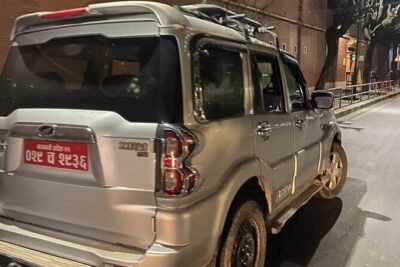
Expect a private vehicle for the day. This keeps your logistics simple: you arrive, you walk with your guide, and you head to the next site without juggling taxis or trying to match routes.
One more note: the tour is listed as requiring good weather. So it’s wise to keep your expectations flexible. If conditions are poor, the operator may offer a different date or a full refund—meaning you won’t get stuck with a wasted plan.
Swayambhunath Monkey Temple: stairs, monkeys, and big views
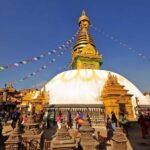
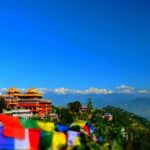
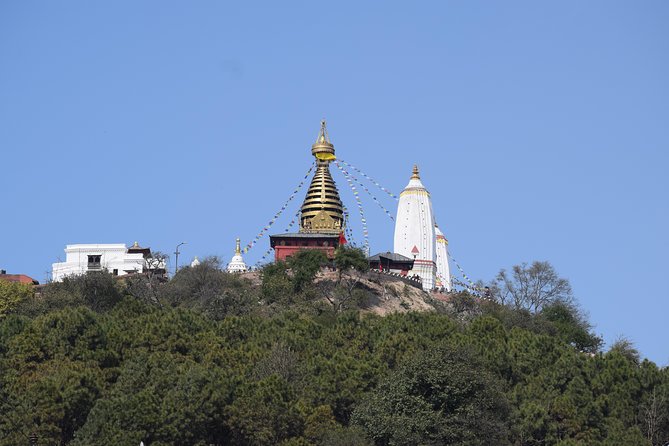
Swayambhunath, also called Monkey Temple, is where the day starts to feel alive. It’s famous for rhesus monkeys, and that’s not just a name gimmick—this is a place where animals are part of the atmosphere, along with pilgrims and temple visitors.
You’ll spend about an hour here, with admission tickets not included. That hour usually goes fast because you’ll be climbing the long stair approach, then taking time around the viewpoints and temple zones at the top.
Practical tip: keep an eye on your personal items around monkeys. I’m not saying you need to panic, but you do want to be mindful—zippers, phones, bags that can be reached. When you’re focused on the view, it’s easy to forget that you’re sharing the space with very curious locals.
What I like most about Swayambhunath is how it sets the tone for the day: it’s spiritual, scenic, and a little chaotic in the best Kathmandu way. After that, it’s easier to understand why the next stops are so important to so many people.
Kathmandu Durbar Square: royal palace energy and temple density
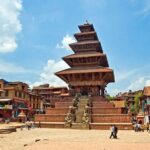
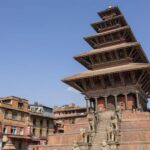
Then you move to Kathmandu Durbar Square, one of the Valley’s most visually packed heritage areas. This is the kind of place where you can look left and right for a long time and still feel like you haven’t fully scanned it.
The tour includes guided time at Durbar Square for about an hour. The site is known for an old royal palace area, a large concentration of temples, and key cultural points that connect directly to Kathmandu’s living traditions. It’s also where you get a real sense of how palace space and sacred space overlap.
If you’re a first-time visitor, Durbar Square is a fast way to get your bearings. You’ll see structures that people associate with kingship and religion at the same time, not as separate worlds.
The only caution I’d give: this area can feel busy. So wear comfortable shoes, keep your pace steady, and don’t try to sprint between details. With a guide, you can focus on what matters instead of getting swallowed by the crowd.
Kumari Chowk and Kaal Bhairab inside Durbar Square
Within the Durbar Square area, the tour includes a short stop at Kumari Chowk—the sacred courtyard and residence linked to the Royal Kumari, the Living Goddess of Kathmandu. Expect only about five minutes of focused time here, but it’s enough to understand why the place is treated with special respect.
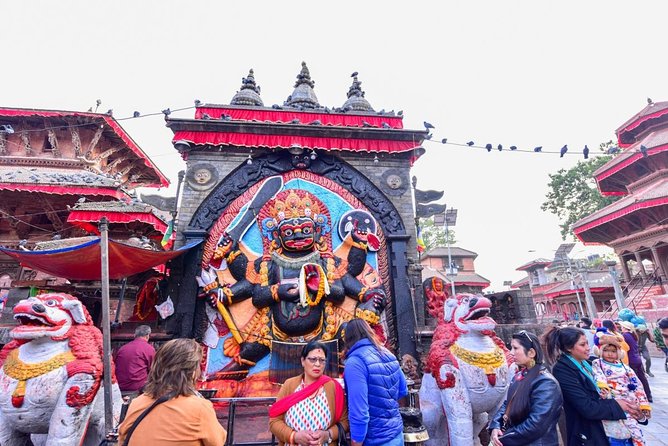
Then there’s Kaal Bhairab, where you’ll get around 15 minutes. This is the massive open-air statue of Kala Bhairav (often referred to as Black Bhairav). Even if you’re not a symbolism person, it’s hard not to feel the power of a statue like this once you’re close enough to see scale and carving details.
These two stops matter because they show different sides of Kathmandu’s spiritual life. Kumari Chowk is about an honored presence, while Kaal Bhairab is about a dramatic, physically imposing figure. Together, they help you stop viewing the valley as just a museum of buildings and start seeing it as a system of beliefs.
You can also read our reviews of more tours and experiences in Kathmandu

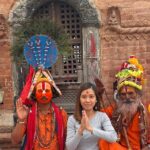
Pashupatinath Temple: a major Hindu pilgrimage stop
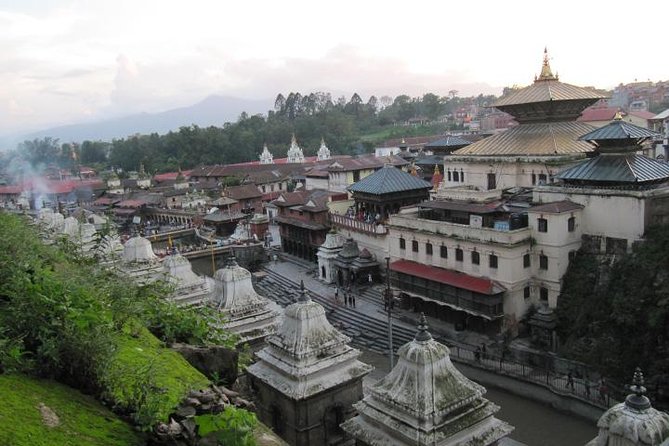
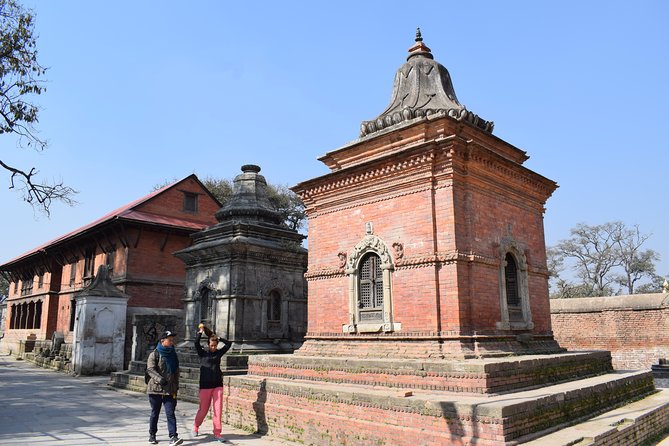
Next comes Pashupatinath Temple, Nepal’s most sacred Hindu site and a UNESCO World Heritage landmark. The tour spends about two hours total here, split into guided time blocks, with admission tickets not included.
This is the moment when the day stops being just sightseeing and starts feeling like you’re in a working religious landscape. People come with devotion. Ritual life is visible. Temple architecture and sacred spaces are central, not background.
What I appreciate is that the tour gives you guided interpretation, which helps you avoid the common mistake of treating a pilgrimage site like a normal attraction. Your guide can explain what you’re looking at and how the site functions for Hindu worshippers.
If you’re sensitive to crowds or strong religious imagery, take it slow. Step back when you need space. Use your guide to find the best spots to understand the layout without constantly pushing forward.
Also, remember that temple rules can change by area and moment. Since the tour is guided, you can follow instructions on the spot rather than guessing.
Boudhanath Stupa: a calmer Tibetan Buddhist world
Finally, you reach Boudhanath Stupa, where the vibe shifts. This stop is about one hour, and admission tickets are not included.
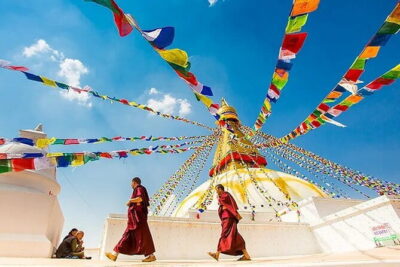
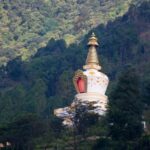
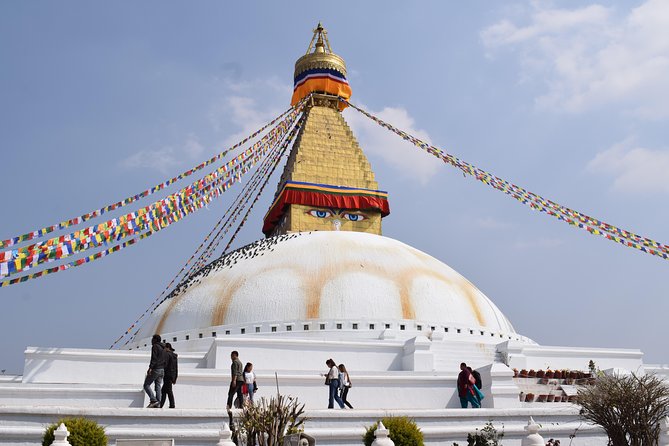
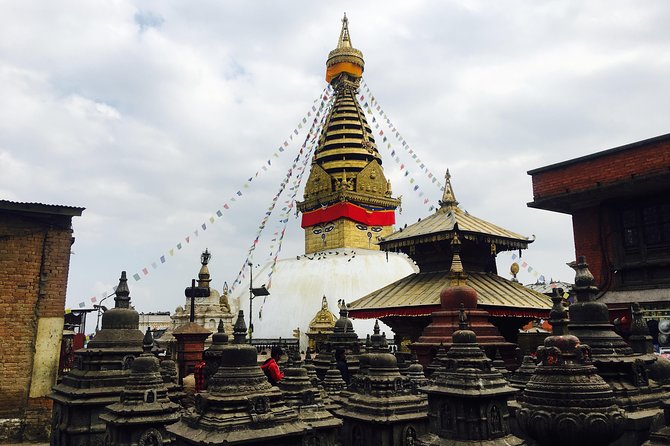
Boudhanath is known as Nepal’s largest Buddhist stupa and is among the largest in the world. What stands out immediately is the scale, and how the stupa becomes a center point for prayer and movement. It’s a place where you can slow down and watch how people interact with the religious space.
I like Boudhanath as a closing stop because it balances the earlier Hindu pilgrimage experience at Pashupatinath and the temple density of Durbar Square. It’s still spiritual and busy, but the rhythm feels different—more circular and steady, less crowded-in-your-face.
For photos, give yourself time to step away from the busiest angles. If your guide is there, ask where the best viewpoint is for understanding the structure. That extra context makes your photos better later, even if they don’t look perfect in the moment.
Guide quality makes a real difference (Rabina and Rishi get named)
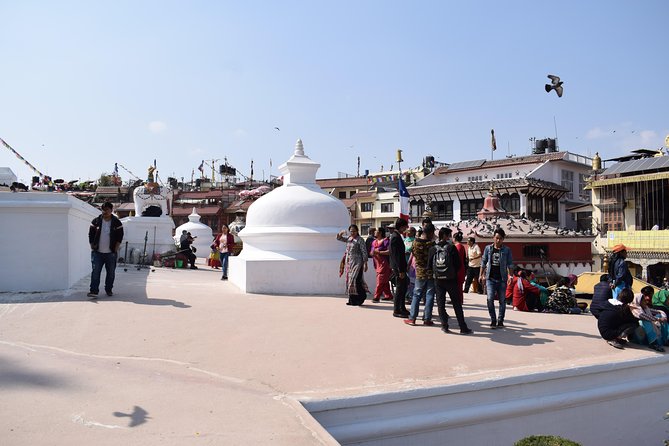
This tour leans heavily on one thing: your guide. And the reviews you’d expect for a private Kathmandu tour aren’t about juggling schedules—they’re about explanation, friendliness, and making time feel well used.
If you’re lucky, you may get Rabina, who’s praised for being friendly and knowing a lot. Another name that comes up is Rishi, highlighted for being amazing, knowledgeable, and for making the day feel personal while also taking plenty of pictures.
The practical value here is huge. In UNESCO sites across South Asia, it’s easy to see a temple without understanding why that temple matters. A good guide helps you recognize what’s important as you walk, so your time turns into memory plus meaning.
A small humor note: in a city where stairs and courtyards are everywhere, having someone who can keep you moving at the right pace helps you enjoy the day instead of feeling like you’re always behind.
Cost and value: $105 plus tickets, transport, and time
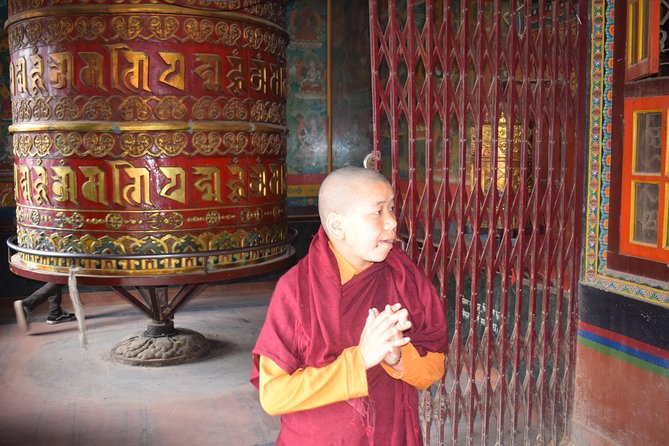
At USD 105 per person, this isn’t a cheap stroll, but it is strong value for what you’re getting: four UNESCO sites, private transportation, and a private professional tour guide.
The trade-off is the obvious one: food and drinks aren’t included, and admission tickets are listed around USD 20 per person. So if you budget $105 + about $20 for entry, you’re already thinking in the right range for a realistic total.
Where this tour earns its money is time and convenience. You’re not spending your day negotiating transport, trying to match opening hours, or waiting at confusing cross-streets. You also get guided context at multiple major heritage locations, not just one.
If you’re traveling with friends or family, group discounts can help. And if you want a private setup, this format often makes sense compared with piecing together separate taxis and separate guides for each site.
Who this tour suits best (and who might want another plan)
This is a strong fit for:
- First-time visitors who want a focused UNESCO overview in one day
- People who prefer a structured route with someone to answer questions while walking
- Anyone who values the meaning behind religious sites, not just photos
It may be less ideal if:
- You want a slow, independent pace with lots of free time at each location
- You hate crowds and don’t want to share space with pilgrims and other visitors
- You’re trying to keep the day strictly budget-only, since tickets plus food and drinks will add up
Also, because it’s listed as private and only your group participates, it’s great when you want control over your experience. You’re not squeezed into a large group where everyone’s interests compete.
Should you book this Kathmandu Valley culture tour?
I’d book it if your goal is simple: see the key UNESCO heritage sites in Kathmandu Valley with a guide, in one efficient day, without stressing about transport. The combination of private vehicle + hotel pickup/drop-off (Ring road) + UNESCO route makes it a practical choice, especially if you have limited time in the city.
I’d think twice if you’re allergic to temple entry fees and you don’t want to plan for them. Also, if you’re booking during uncertain weather, keep in mind the tour requires good conditions.
If you do book, do one thing that pays off immediately: wear comfortable shoes and come ready to walk. Kathmandu rewards patience, and this route gives you just enough time at each stop to appreciate what makes each site different.
FAQ
How many UNESCO World Heritage sites are included?
You’ll visit four UNESCO World Heritage sites in one day: Kathmandu Durbar Square, Swayambhunath, Boudhanath Stupa, and Pashupatinath Temple.
How long is the Kathmandu Valley culture tour?
The duration is listed as about 7 to 8 hours.
Is hotel pickup and drop-off included?
Yes. The tour includes hotel pickup and drop-off from inside the Ring road area. If your hotel is outside that area, you’ll need to coordinate pickup details with the operator.
Are admission tickets included in the price?
No. Admission tickets are listed as not included, with entry fees around USD 20 per person.
Is food or drinks included?
No. Food and drinks are not included, so you’ll want to plan for your own meals or snacks.
Is it a private tour or shared with other groups?
It’s private. Only your group will participate, with a private professional tour guide and private transportation.
What happens if the weather is poor?
The experience requires good weather. If it’s canceled due to poor weather, you’ll be offered a different date or a full refund.