REVIEW · SPIRITUAL & SHAMANISM TOURS
Kathmandu: Kopan Monastery, Swayambhu and Boudha Nath Stupa Tour
Book on Viator →Operated by Breakfree Adventures Pvt. Ltd. · Bookable on Viator
Three stupas, one afternoon of calm. I like the way this tour strings together Boudha Nath Stupa and Kopan Monastery, so you get big-scale pilgrimage awe and quiet learning in the same outing. I also like that it builds in moments for personal attention—pause for prayer-wheel spinning, and then take in the hilltop views at Swayambhunath without feeling herded.
Still, it’s a tight 5-6 hour circuit, so you’ll want realistic expectations about time at each site—especially since Swayambhunath sits up on a hill. It starts with hotel pickup/drop-off and a private English-speaking guide, and the history quality can be a highlight (I’ve heard a standout name: Madan).
In This Review
- Key things you’ll notice on this tour
- A 5-6 hour loop of calm, culture, and viewpoints
- Getting picked up and moving with a private guide
- Stop 1: Boudhanath Stupa and the pilgrimage scale
- Stop 2: Kopan Monastery for meditation and teachings
- Stop 3-5: Swayambhunath Monkey Temple and the hilltop views
- Prayer wheels, Tibetan culture, and how to act respectfully
- Price and value: what $70 buys you in Kathmandu
- How the route fits different travel styles
- What to bring so the day feels easy
- Who this tour suits best
- Should you book this Kathmandu stupa and monastery tour?
- FAQ
- What sites does this tour visit?
- How long is the tour?
- Is hotel pickup and drop-off included?
- Are entrance fees included?
- Is lunch included?
- Is this tour private?
- Is there a guide, and is English offered?
- Do I get a ticket on my phone?
- What is the cancellation policy?
Key things you’ll notice on this tour
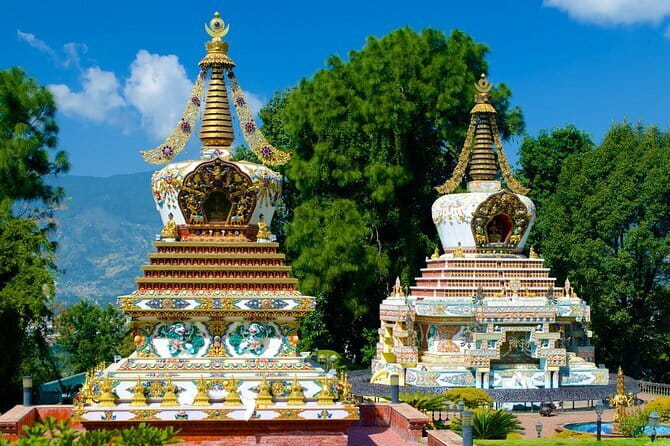
- A one-day trio of major UNESCO sites: Boudha Nath, Kopan Monastery area, and Swayambhunath complex
- Entrance fees included: you’re not juggling ticket counters during the visit
- Prayer-wheel and temple-stillness moments: time built into the route for spiritual atmosphere
- Swayambhunath’s hilltop payoff: panoramic views over Kathmandu Valley are part of the plan
- Private guiding with real Q&A: the best part is context you can ask about (Madan is one guide name to know)
A 5-6 hour loop of calm, culture, and viewpoints
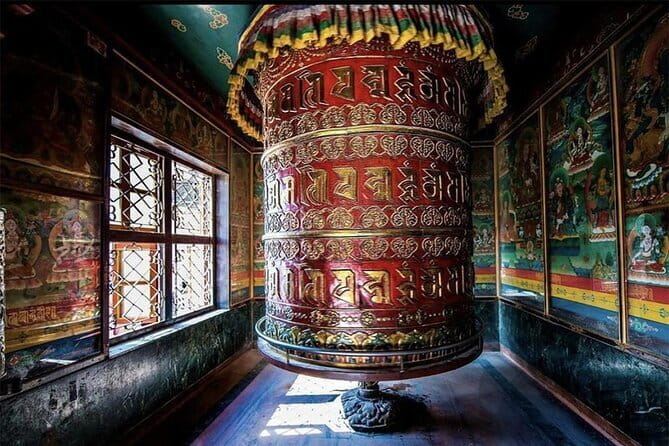
This tour is built like a gentle Kathmandu sampler, but it hits three very different spiritual settings. You start at Boudha Nath Stupa, switch gears to the peaceful learning atmosphere around Kopan Monastery, then finish at Swayambhunath—the famous Monkey Temple perched on a hill.
That order matters. Boudha gives you scale and devotion up close, Kopan shifts your focus toward meditation and teachings, and Swayambhunath ends the day with a big-picture view over the valley. If you’re only here for a short window, this route gives you a clear sense of how Buddhist practice shows up in daily life.
You can also read our reviews of more tours and experiences in Kathmandu.
Getting picked up and moving with a private guide
You’re not trying to solve Kathmandu logistics on your own. The tour includes hotel pickup/drop-off plus an air-conditioned private vehicle, and you travel with a private English-speaking guide.
This is exactly where the experience can feel worth the price. When you’re on foot near sacred sites, questions come fast—what you’re seeing, why it’s arranged a certain way, what different symbols mean. One guide name that stands out from past groups is Madan, and the big value is that you can go at your pace while he answers your questions.
You also get a mobile ticket, which cuts down on last-minute fuss. And the tour is private for your group, so it’s easier to adjust when you need a breather.
Stop 1: Boudhanath Stupa and the pilgrimage scale
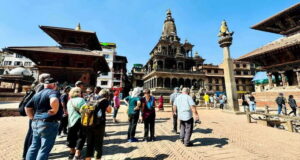
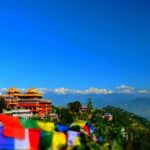
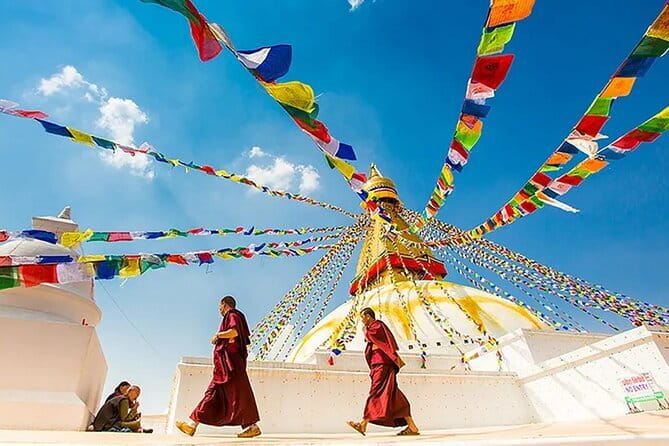
Your first major stop is Boudhanath Stupa (Boudha Nath), with about one hour on site and the admission ticket included. It’s described as a UNESCO World Heritage Site and one of the largest stupas in the world, and that reputation isn’t just marketing—it’s the kind of size that changes how you walk and look.
Boudha is a sacred pilgrimage destination for Buddhists, and you’ll feel that in the way people move around the stupa. This is one of those places where the environment does half the explaining for you. You’ll also get the chance to experience the calm spiritual ambiance that the tour highlights, including time where prayer-wheel spinning fits naturally into the flow.
What I’d watch for: Because it’s one of the most iconic stops, it can also be visually busy—eyes, objects, and activity everywhere. If you’re the type who likes to focus on one detail at a time, ask your guide to slow you down for a specific area view.
Stop 2: Kopan Monastery for meditation and teachings

Next comes Kopan Monastery, also with about one hour and admission included. It’s known as a Tibetan Buddhist monastery near Kathmandu, set on a hilltop, and the tour frames it around meditation and learning.
This stop feels like a reset after the scale of Boudha. Instead of the big stupa scene, the focus turns inward—how practice and teaching shape the daily rhythm of the monastery environment. If your goal is inner peace as much as sightseeing, this is the most direct match on the itinerary.
A practical note: Since it’s a monastery setting on a hilltop, expect temple-like rules and quieter spaces. I’d treat your time there as part of the spiritual experience, not just a photo stop. Let your guide set the pace so you can absorb what you’re seeing.
Stop 3-5: Swayambhunath Monkey Temple and the hilltop views
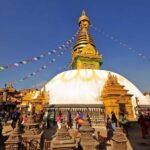
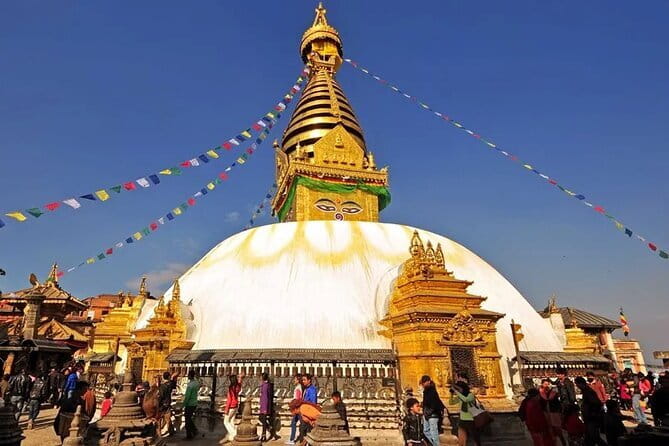
You’ll spend multiple segments at Swayambhunath—often described as the Monkey Temple—because the area has several parts worth separating. The itinerary breaks it into three chunks: Swayambhu (about 30 minutes, ticket free), Swayambhunath (about 30 minutes, ticket free), and Swayhu(b)hu Mahachaitya (about 30 minutes, admission included).
All of this sits on a hill with panoramic Kathmandu Valley views, which is the payoff. And the site is described as a blend of Buddhist and Hindu symbolism, which is one reason Swayambhunath can feel extra meaningful. You’re seeing the meeting point of traditions in the same space, rather than two isolated worlds.
What makes this portion work: Your guide can help you connect what you see—symbols, structures, and the overall layout—to the broader story you came for. The tour is short, so the difference between random wandering and guided understanding is huge here.
What to consider: Since the complex is on a hill, you’ll want comfortable walking shoes and a pace you can maintain. Even if you’re not a slow walker, plan for stairs and uneven paths around temple areas.
Prayer wheels, Tibetan culture, and how to act respectfully
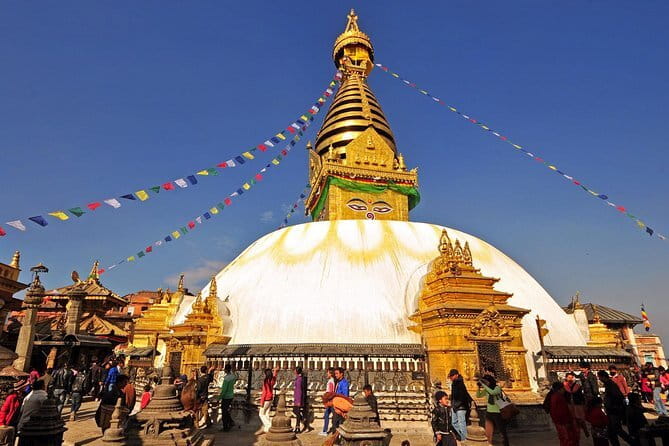
The tour’s overview calls out peaceful ambiance, prayer-wheel spinning, and vibrant Tibetan culture as part of what you’ll experience. That combo is powerful, but it also means you’re stepping into living spirituality, not a museum set.
Here’s how I suggest you handle it. Keep your voice down inside temple spaces, avoid blocking pathways while people are moving, and when you’re unsure what’s appropriate, just follow what the guide does and says. If prayer-wheel spinning is part of your time, treat it like a moment to participate calmly, not a performance.
If you’re coming from a more casual sightseeing mindset, this tour’s best moments happen when you slow down for the atmosphere. Ask your guide what to notice at each site. With a private tour, you don’t have to guess or rush.
Price and value: what $70 buys you in Kathmandu
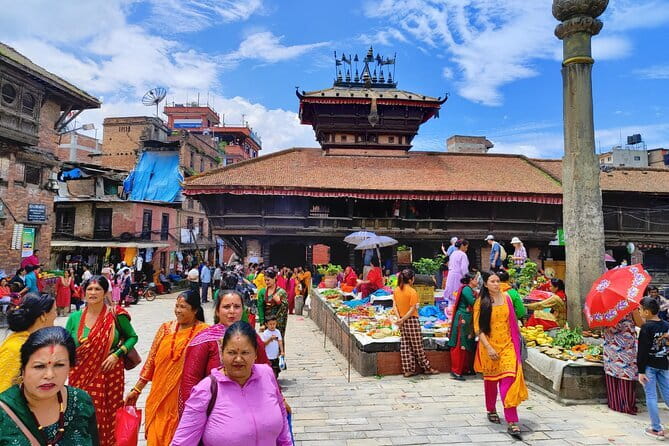
At $70 per person, this tour is positioned as a solid value for a guided, fee-inclusive day. The big thing is what’s included: monuments entrance fees, all fees and taxes, an air-conditioned private vehicle, hotel pickup/drop-off, and a private English-speaking tour guide.
If you were to assemble this on your own, the cost tends to creep up fast once you factor in entry tickets plus a vehicle plus professional guidance. Here, those parts are already packaged. It also helps that the tour runs about 5 to 6 hours, so you’re not paying for a full day just to tick a couple of boxes.
One more value angle: it’s typically booked around 47 days in advance on average. That doesn’t mean you can’t get it last minute, but if your dates are fixed, booking earlier can be safer—especially for a private experience.
How the route fits different travel styles
This is a good match for travelers who want structure without feeling trapped. It’s private, so you can ask questions and adjust your pace, and one of the key praises is that the guide can go at your speed while staying informative.
It’s also ideal if you want a spiritual itinerary without multiple separate tickets and confusing transfers. Hotel pickup and drop-off remove a lot of uncertainty, and entrance fees are handled as part of the tour.
If you’re the type who likes to linger long after a guided segment ends, you might feel slightly time-compressed at each stop. The itinerary is tight by design, so consider adding extra hours on either end of your day if you want deeper hanging-out time.
What to bring so the day feels easy
Even with a vehicle and a guide, temple tours are still sensory days. Bring water, use sunscreen if the sun is out, and wear shoes that handle uneven ground around hilltop areas.
Because meals and drinks aren’t included, you’ll likely want to plan for an optional break. The overview mentions you can enjoy lunch with a stunning view of Boudha Nath Stupa at a rooftop restaurant nearby. Since meals aren’t part of the package, you’ll pay out of pocket, but it’s the kind of upgrade that makes the day feel extra special.
If you’d rather skip lunch, that’s workable too. Just don’t arrive hungry, because the day’s focus is calmer and quieter than a typical city tour.
Who this tour suits best
Choose this tour if you:
- want Kopan, Boudha, and Swayambhunath in one guided afternoon
- appreciate context—how and why places matter, not just what they look like
- prefer private guiding where you can ask questions without waiting
- like spiritual sites, but still want a clear schedule so your day doesn’t sprawl
It’s also a good choice for first-timers to Kathmandu who don’t want to piece together transport between major monuments. For repeat visitors, it can still be worthwhile if your main goal is a guided interpretation rather than a second self-guided walk.
Should you book this Kathmandu stupa and monastery tour?
I’d book it if your goal is value plus structure. You get private guiding, hotel pickup/drop-off, entrance fees included, and a route that covers three of the biggest spiritual landmarks in the Kathmandu area—without wasting time figuring out logistics.
Skip it (or add time) if you know you want to linger for long stretches at one site. Swayambhunath is on a hill and the itinerary moves in segments, so you’ll get plenty, but not an all-day slow-study session.
Overall, this tour makes sense when you want a guided day that feels calm and meaningful. With a strong guide like Madan, the history and meaning can turn quick stops into understanding you carry home.
FAQ
What sites does this tour visit?
It visits Boudhanath Stupa, Kopan Monastery, and Swayambhunath (including the Swayhu(b)hu Mahachaitya portion).
How long is the tour?
The duration is about 5 to 6 hours.
Is hotel pickup and drop-off included?
Yes. Hotel pickup/drop-off is included.
Are entrance fees included?
Yes. Monuments entrance fees are included for the ticketed parts of the itinerary.
Is lunch included?
No. Meals and drinks are not included. There’s an option for lunch nearby with a view of Boudha Nath Stupa.
Is this tour private?
Yes. It’s described as a private tour/activity, so only your group participates.
Is there a guide, and is English offered?
Yes. A private English-speaking tour guide is included.
Do I get a ticket on my phone?
Yes. The tour includes a mobile ticket.
What is the cancellation policy?
You can cancel for a full refund if you cancel at least 24 hours in advance. If you cancel less than 24 hours before the start time, the amount paid isn’t refunded.