REVIEW · 4-DAY EXPERIENCES
4 Days Pikey Peak Trek : The Best View of Mt Everest
Book on GetYourGuide →Operated by Alpinist Club · Bookable on GetYourGuide
Everest dreams, in a short Himalayan package. This 4-day Pikey Peak Trek in Nepal’s Lower Khumbu mixes serious views with quiet trails and very human Sherpa culture. I like how the route stays approachable, so you get that big-mountain feeling without a long, punishing acclimatization schedule.
My other favorite part is the payoff. You hike through forests and alpine meadows, then climb to a summit point at 4,065m where the panorama can include Everest and a whole string of giants from west to east. One thing to plan for: the drive is long both ways (about 8 hours from Kathmandu to Dhap and back), and you’ll feel it.
In This Review
- Key things that make this trek worth your time
- Pikey Peak Trek: why the Lower Khumbu route feels different
- The long Kathmandu-to-Dhap drive (and how to handle it)
- Day-by-day: Dhap, Jhapre, Pikey Base Camp, and the Pikey Peak summit
- Day 1: Kathmandu to Dhap, then a hike to Jhapre (around 2 hours)
- Day 2: Jhapre to Pikey Base Camp (about 6 hours) at 3,640m
- Day 3: Pikey Base Camp to Pikey Peak, then back down to Jhapre
- Day 4: Jhapre to Dhap, then drive back to Kathmandu
- Sunrise over Pikey Peak: the Everest view without the heavy crowd scene
- Sherpa villages, monasteries, and the trail that teaches you how to look
- Lodges, food, and the reality of basic mountain comfort
- Price and logistics: does $350 feel like good value?
- Altitude, weather, and photo prep that actually helps
- What to pack (so you don’t regret it at 4,000m)
- Who this trek suits best (and who should skip it)
- Should you book the Pikey Peak Trek from Kathmandu?
- FAQ
- Where do you get picked up in Kathmandu?
- How big is the group?
- Is the trek appropriate for beginners?
- What is the highest altitude on the trek?
- Are meals included in the price?
- Do I need a porter?
- Will there be phone signal and places to charge devices?
- What’s the cancellation policy?
Key things that make this trek worth your time
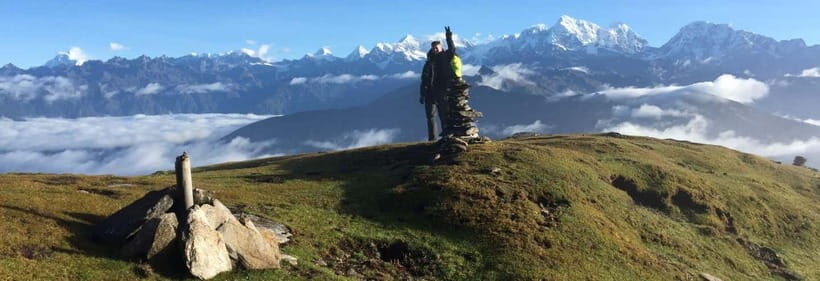
- A real sunrise payoff: Pikey Peak is known for stunning early light over the Himalayas.
- Everest views with less fuss: you’re close enough for the drama, without going full high-altitude expedition.
- Lower Khumbu culture, not a tourist corridor: villages, monasteries, and Tibetan-influenced stops along the way.
- Short hiking days for the heights: enough time on trail to feel the mountains, not so much that it becomes a slog.
- Small group pace (max 8): easier logistics, less waiting, and a guide who can actually watch your pace.
- Moderate altitude with real caution: you can still get mild AMS symptoms even at a comparatively “easy” altitude.
Pikey Peak Trek: why the Lower Khumbu route feels different
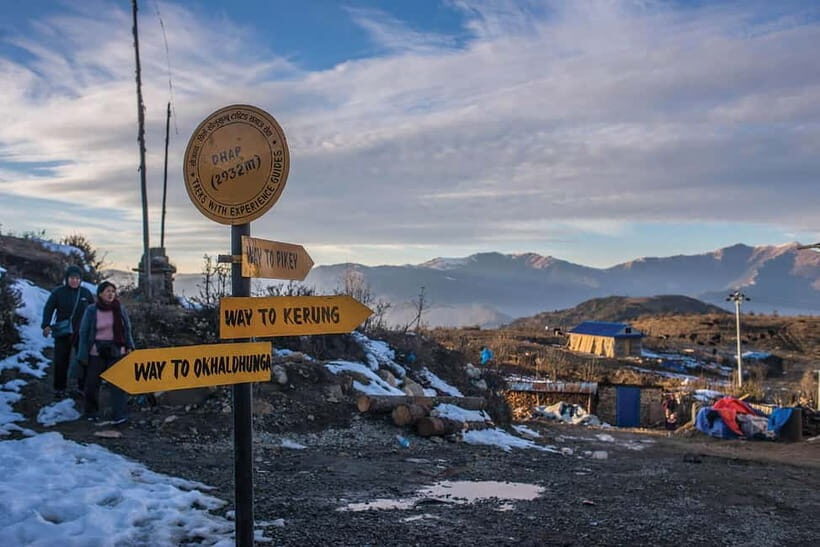
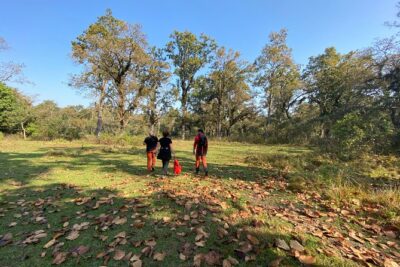
If you’re choosing between the big, famous treks and a shorter Himalayan hit, Pikey Peak hits a sweet spot. This is designed for people who want Everest-area views fast, plus the slower rhythm of village life. You’ll be hiking through rhododendron forests, alpine meadows, and ridgelines that feel calmer than the crowded routes.
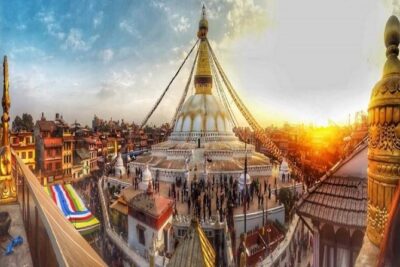
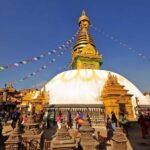
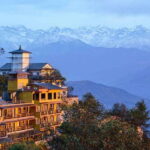
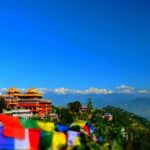
The other “different” factor is the mix of scenery and spirituality. You pass Buddhist monasteries and stupas, and you travel through Tibetan-influenced villages like Kerung. It’s the kind of place where your walk isn’t only for photos. It’s also for the small moments: prayer flags, stone walls, and locals going about their day while the mountains loom above.
You can also read our reviews of more hiking tours in Kathmandu
The long Kathmandu-to-Dhap drive (and how to handle it)
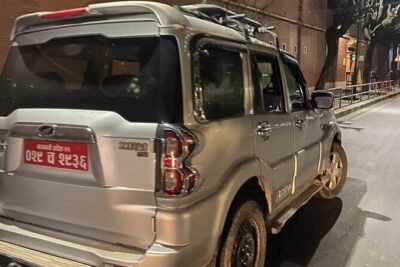
The itinerary includes a private jeep/van between Kathmandu and Dhap, plus pick-up and drop-off in Thamel. Expect around 7 to 9 hours of driving each way, even though your actual trekking time is just a few days.
So here’s how you make this work for you:
- Pack a small comfort kit for the vehicle ride (water, a snack, and something to keep warm).
- Don’t schedule anything intense immediately after you get back to Kathmandu. Your legs will still be “thinking” about the climb.
- Bring cash for small purchases during the trek since there are no ATMs on the trail.
Once you accept the drive as part of the deal, it makes sense. You’re trading extra hours on a road for altitude and views you can reach in only 4 days.
Day-by-day: Dhap, Jhapre, Pikey Base Camp, and the Pikey Peak summit
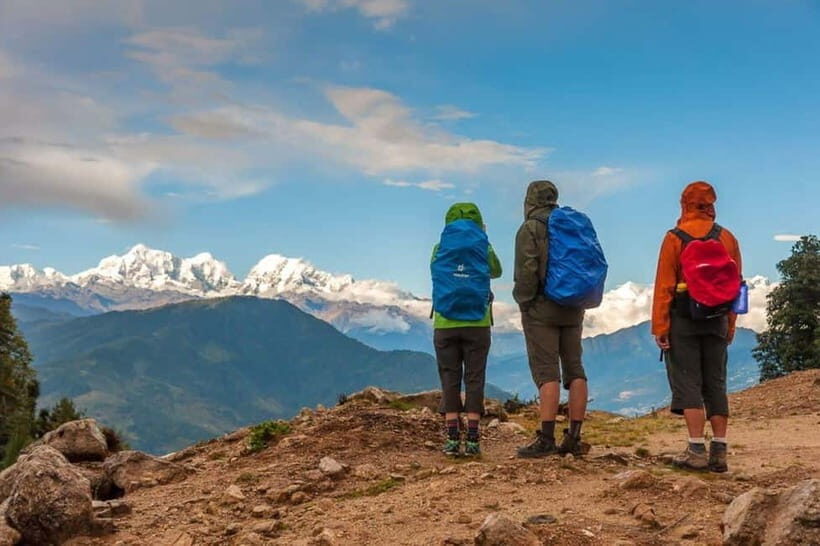
This is a straightforward plan with three hiking stages and one main summit day. The altitude steps are gradual, but you still need to respect the thin air.
Day 1: Kathmandu to Dhap, then a hike to Jhapre (around 2 hours)
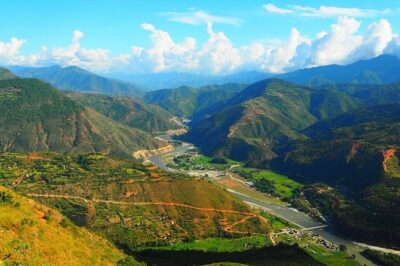
You start with a scenic drive from Kathmandu to Dhap Bazaar, following the trail along the Sunkoshi River. Along the way, you’ll pass forests, terraces, and riverside scenery that helps you ease into Nepal beyond the city.
After arriving at Dhap, you begin trekking toward Jhapre. On the way, the Tibetan-influenced village of Kerung and nearby Buddhist monasteries give the day meaning beyond just travel.
You finish at Jhapre (2,820m), usually with lodge accommodation for the night. It’s a good first-day reset: enough walking to feel productive, not enough to wipe you out before the higher climb.
Day 2: Jhapre to Pikey Base Camp (about 6 hours) at 3,640m
Today is your “go higher” day. The hike takes roughly 6 hours and climbs toward Pikey Base Camp (3,640m).
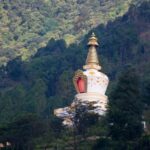
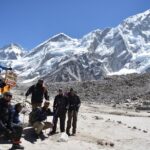
The trail includes stone walls, old stupas, and centuries-old monasteries. This is where the trek earns its spiritual and cultural tone. The higher you go, the more the route feels like a living religious corridor rather than a sightseeing hallway.
You end the day at Pikey Base Camp, described as the second-highest point on this trek. That matters because it gives you a peaceful high-altitude rest before summit day.
You can also read our reviews of more tours and experiences in Kathmandu

Day 3: Pikey Base Camp to Pikey Peak, then back down to Jhapre
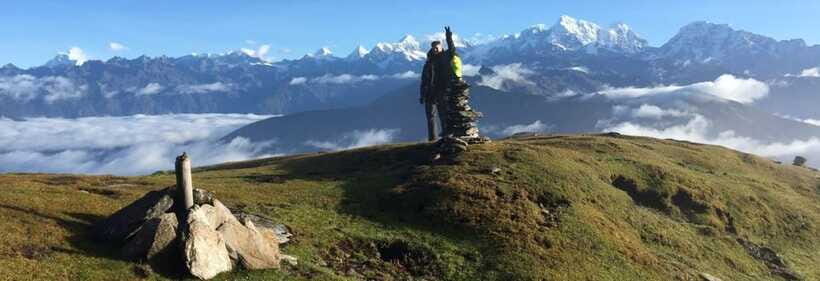
This is your main day. You go from base altitude up to Pikey Peak (4,065m), reaching the summit after about 1.5 hours of hiking from the higher point.
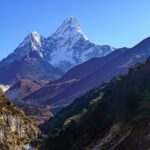
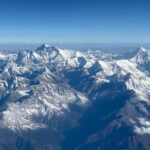
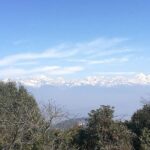
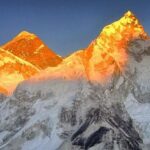
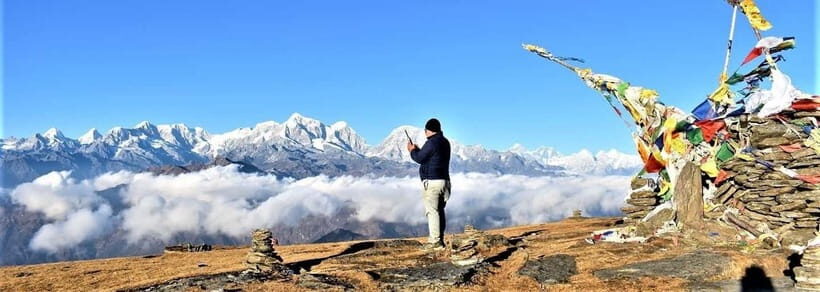
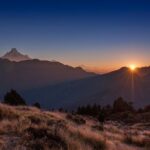
The views here are the headline. From this ridge, you can get a panoramic sweep that’s said to stretch from Kanchenjunga in the east to Dhaulagiri in the west, with a glimpse of Mt. Everest. That west-to-east framing is why photographers like this trek: you’re not staring at one peak only. You’re seeing the Himalayan array.
After soaking in the summit light, you descend back to Pikey Base Camp, then continue down to Jhapre (about 6 hours of hiking total). The practical trick: you’ll feel tired from the altitude push, so take it slow on the descent and keep your breathing steady.
Day 4: Jhapre to Dhap, then drive back to Kathmandu
After breakfast, you trek down toward Dhap (listed as a short walk), then the private vehicle takes you back to Kathmandu and drops you off at your hotel.
This last day is mostly about finishing strong, not “winning” fitness points. You’re closing the loop from monastery and ridgeline to city comfort.
Sunrise over Pikey Peak: the Everest view without the heavy crowd scene
Pikey Peak is famous for sunrise views, and the timing is part of the value. Early light can turn mountain details crisp, and it’s one reason photographers plan around this summit moment.
Even though Pikey Peak isn’t the highest altitude you’ve seen on the trek, the air still feels thin up top. The key is pace and safety. You’ll want to move calmly, especially in that last push to the summit.
A practical mindset shift helps: this is less about speed, more about conserving effort. A slower climb usually means you arrive more alert, not just more tired.
Sherpa villages, monasteries, and the trail that teaches you how to look
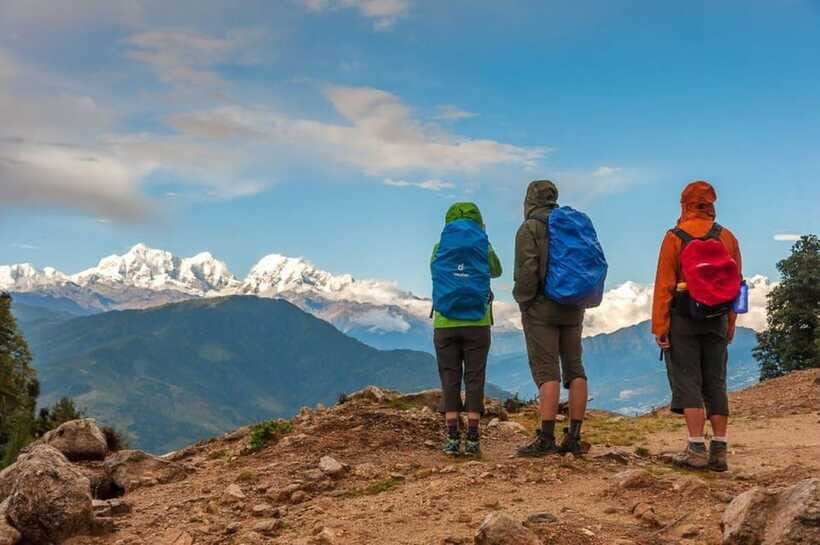
One of the most enjoyable parts of this trek is how often culture shows up right on the trail. You pass:
- Buddhist monasteries and stupas
- Tibetan-influenced village life (like Kerung)
- Local lodge communities along the way
These aren’t just “scenery stops.” They give context to what you’re seeing. When you reach higher areas and the Himalaya dominates your view, the religious symbols and village routines help you understand that this region isn’t only about mountain tourism.
Guide quality makes this even better. In the small-group format, you’re more likely to get personal attention and useful explanations. For example, one guide named Pemba was praised for making sure the trek feels enjoyable, while Sukbir Tamang was noted for keeping the experience enjoyable and well-paced. Another Sherpa guide, Ngima chhechi Sherpa, was highlighted as friendly and part of what made the views and trip feel wonderful.
Lodges, food, and the reality of basic mountain comfort
You’ll stay in teahouses/lodges during the trek, described as basic but cozy. Rooms are typically twin sharing, with blankets provided.
A couple of practical notes:
- Breakfast is included, but meals and beverages are not included for the rest of the day.
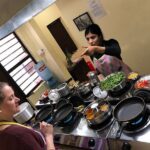
- Food options commonly include dal bhat, noodles, soup, eggs, potatoes, Tibetan bread, tea, and coffee.
- Hot showers are available in some lodges, and if you want one you may pay extra.
That means you should treat daily meals as your flexible budget line. If you’re the type who hates deciding each day, pick a “default” order strategy (often soup/tea and a simple main) and keep it consistent.
For sleeping: if you’re cold-sensitive, bring your own sleeping bag. The trek operator notes sleeping bags can be optional since lodges provide blankets, but conditions can change quickly.
Price and logistics: does $350 feel like good value?
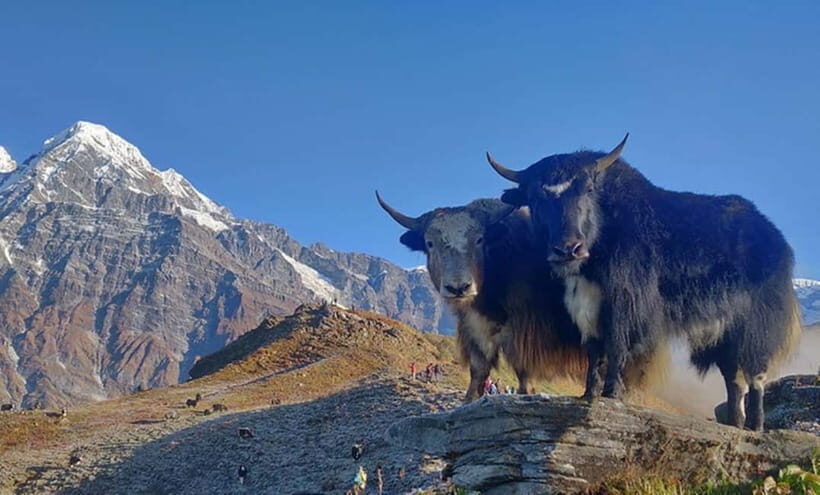
At $350 per person for 4 days, the value depends on what you consider “important” to include.
What you do get:
- An experienced English-speaking trekking guide
- Necessary permits and government taxes
- A private jeep/van Kathmandu–Dhap–Kathmandu
- Pick-up and drop-off in Kathmandu (Thamel)
- Lodge accommodation with breakfast
What you don’t get:
- Meals and beverages beyond breakfast
- Porter (so you’ll carry your own bag unless you arrange otherwise)
- Personal expenses
So, is it a fair deal? Yes, if you want the guide, permits, and the transport piece handled. The expensive part of short Himalayan treks often isn’t the hiking. It’s getting to the trailhead and coordinating permits. Here, that groundwork is included, which makes your trip less stressful and more efficient.
If you’re already comfortable organizing transport, permits, and lodge stays yourself, you might compare costs. But if you want a guided, small-group experience with logistics taken care of, $350 for four days feels reasonable for the region.
Altitude, weather, and photo prep that actually helps
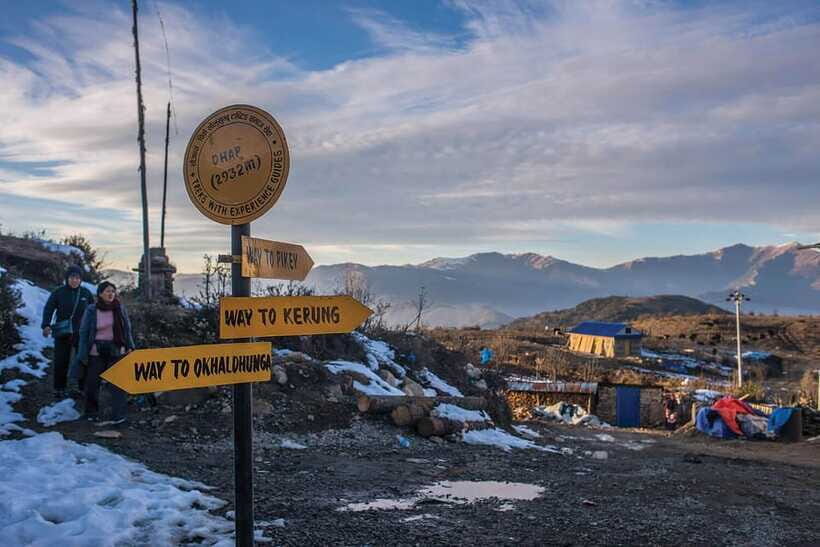
Even with “moderate” altitude, you need altitude respect. Pikey Peak sits at 4,065m, and mild AMS (headache, nausea, fatigue) is possible.
The operator’s altitude guidance is simple and practical:
- drink plenty of water
- walk slowly
- avoid alcohol
- sleep lower after the summit day
That last point matters because you descend to Jhapre after the summit, which helps recovery.
For weather, your best visibility windows are listed as:
- Spring (March–May): rhododendrons and generally clear views
- Autumn (Sept–Nov): best visibility and weather
Winter (Dec–Feb) can be cold but clear. If you go in winter, add warm layers and protect hands and ears.
For photos, bring gear you can use one-handed on windy ridges:
- a camera plus a way to keep it dry
- a headlamp (early mornings happen in the mountains)
- sunglasses and sunscreen (snow glare can be brutal even when skies seem clear)
- a power bank, since electricity is limited and charging depends on solar or short power windows
What to pack (so you don’t regret it at 4,000m)
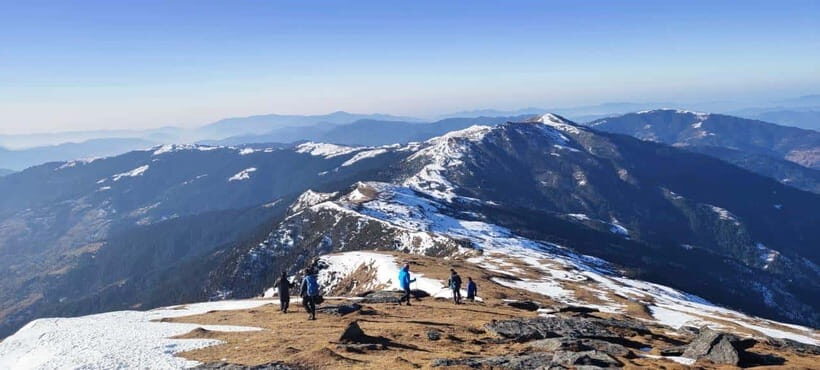
Even for only 4 days, conditions can shift fast. The checklist includes:
- trekking boots (broken in)
- layered clothing: base layer, fleece, down jacket, waterproof shell
- gloves, hat, and a buff/scarf
- sunglasses and sunscreen
- headlamp
- water purification tablets or a filter
- snacks like energy bars and nuts
- sleeping bag if you prefer your own
- a small first-aid kit, including altitude and stomach medicine
- power bank
This is also the trek where packing light still matters. Carrying a heavy backpack on a steep day feels like the mountain is laughing at your organizational skills.
Who this trek suits best (and who should skip it)
This trek is aimed at people who want a short Himalayan adventure with Everest-area views. It’s described as ideal for:
- beginners
- families
- anyone short on time (2–3 day trek close to Kathmandu is often what people compare it to, though this version runs 4 days)
- bird watchers and photographers
Not suitable: pregnant women.
Fitness reality check: you’ll hike for multiple days at 2,800m up through 4,065m, including days around 6 hours of hiking. If you can handle a long walking day and you’re comfortable with basic mountain lodges, you’re in the right zone.
Should you book the Pikey Peak Trek from Kathmandu?
Book it if you want:
- Everest-view ambition in a short 4-day window
- a guided, small-group trek (up to 8) with an English-speaking leader
- Sherpa villages, monasteries, and ridge views without the big-crowd feel
Skip it if:
- you don’t handle long drives well (the Kathmandu–Dhap–Kathmandu stretch is a big chunk of the trip)
- you need fully included meals and hotel comfort at every stop
- you are not comfortable with possible mild altitude symptoms at 4,065m
If you’re planning this as your Himalayan “taste,” Pikey Peak delivers a lot for the time you spend on it.
FAQ
Where do you get picked up in Kathmandu?
Pick-up is in Thamel, and the trek includes pick-up and drop-off at your Kathmandu hotel.
How big is the group?
It’s a small group limited to 8 participants.
Is the trek appropriate for beginners?
Yes. This trek is presented as ideal for beginners and people who are short on time.
What is the highest altitude on the trek?
Pikey Peak is 4,065m. You also reach Pikey Base Camp at 3,640m.
Are meals included in the price?
Breakfast is included with lodge accommodation, but meals and beverages are not included.
Do I need a porter?
A porter is not included. You should plan to carry your own essentials unless you arrange otherwise.
Will there be phone signal and places to charge devices?
NTC and Ncell can work in most villages but coverage is patchy. Electricity is limited; solar or limited power supply is used, so plan to charge when you can.
What’s the cancellation policy?
Free cancellation is available up to 24 hours in advance for a full refund.