REVIEW · EVEREST BASE CAMP TREKS
12 Days Everest Base Camp Trek from Kathmandu
Book on Viator →Operated by CAN Travels · Bookable on Viator
Base Camp is close enough to feel.
I like how this trek strings together Everest views with real Sherpa life, from Namche Bazaar down to tiny tea-house trails and back up again. I also like the practical support: a licensed English-speaking guide plus permits and guest-house lodging are handled for you. One possible drawback is the weather-and-flight reality of Lukla, so plan to be flexible on timing.
This is the kind of trip where the mountains do the talking. You get rhododendron forests, prayer flags at high passes, monasteries like Tengboche, and that step-by-step altitude rhythm that makes the goal feel achievable.
In This Review
- Key highlights you’ll feel day after day
- Price and logistics: what you’re really paying for
- Kathmandu to Lukla: the fast intro to a slow adventure
- Phakding to Namche Bazaar: entering Sagarmatha National Park
- Namche Bazaar acclimatization day: your insurance policy against altitude
- Tengboche monastery day: rhododendrons, steep moments, and spiritual calm
- Dingboche: suspension bridges and the long look at higher peaks
- Rest day in Dingboche: Nagarjun Hill and the value of planned recovery
- Dingboche to Lobuche: where the trail feels higher than the town
- Everest Base Camp: the long morning, Gorak Shep, and that final effort
- Kala Patthar: 360-degree views and why timing matters
- Trek back down: returning through Namche and Lukla without losing the magic
- The guides: why Prakash, Milan, and Dev keep showing up in good stories
- Guest houses and the rhythm of simple comfort
- Who this trek fits best (and who should think twice)
- Should you book CAN Travels for Everest Base Camp?
- FAQ
- What’s included in the trek price?
- Are meals included during the trek?
- How does the itinerary help with altitude?
- What are the flight days like?
- Does the trek reach Everest Base Camp and Kala Patthar?
- What’s the cancellation window?
Key highlights you’ll feel day after day
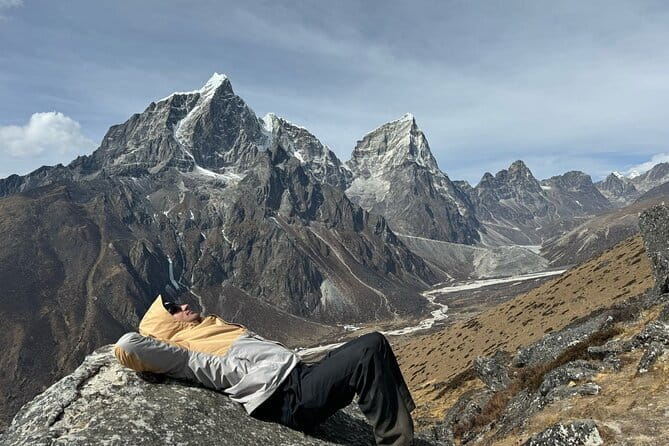
- Lukla to Phakding start: a classic first move along the Dudh Koshi River, with big scenery early.
- Namche Bazaar acclimatization: you get time to adjust before pushing higher, including an easy day trip.
- Tengboche monastery setting: rhododendron climb to an iconic spiritual stop with mountain views as your backdrop.
- Altitude adjustment in Dingboche: a planned rest day and a hike to Nagarjun Hill for big-peak sightlines.
- Everest Base Camp day: you’ll reach the famed area after a morning start and the last human stretch at Gorak Shep.
- Kala Patthar for the 360-degree payoff: a famous viewpoint above Base Camp that’s all about timing and breath control.
Price and logistics: what you’re really paying for
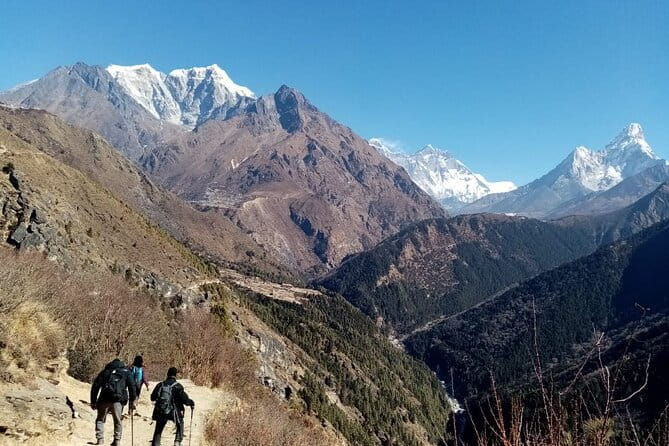
This trip costs $1,380 per person for about 12 days. On paper, that’s just a number. In real life, you’re paying for the parts that are expensive, complicated, and hard to DIY safely: the Kathmandu to Lukla to Kathmandu flights, official permits and documents, an English-speaking guide, and guest-house stays during the trek.
Food and drinks are not included, with an estimate of about US$25 per day. That’s normal for Nepal trekking, but it’s still worth budgeting so you don’t get surprised mid-trail. Gratuities are optional.
One other practical note: the operator offers hotel pickup/drop-off, group discounts, and a mobile ticket. Those details matter more than you’d think on travel days. When your schedule is tight (and it is, especially around flights), small friction turns into big stress fast.
You can also read our reviews of more hiking tours in Kathmandu



Kathmandu to Lukla: the fast intro to a slow adventure
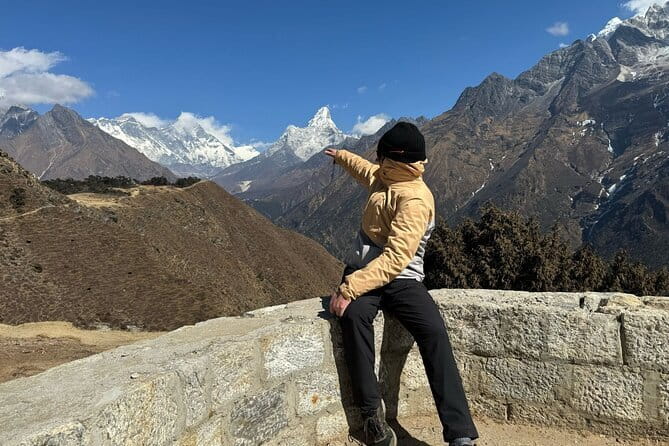
Your trekking story begins in Kathmandu, then moves quickly to the flight to Lukla. That short scenic hop puts you in the right mindset: you’re not easing into the mountains with a long road day. You arrive, meet the crew, and then get moving.
From Lukla, the first walking day takes you down through the Dudh Koshi River corridor toward Phakding. The trail starts with that satisfying mix of motion and views, and it’s a smart first step because you’re not jumping into high altitude gains immediately. Expect about 6 hours of hiking, which is a good warm-up if you’ve trained a bit.
Here’s the vibe you want on day one: settle in, sip water early, and don’t try to “win the day” by going fast. On Everest-region treks, being steady beats being ambitious.
Phakding to Namche Bazaar: entering Sagarmatha National Park
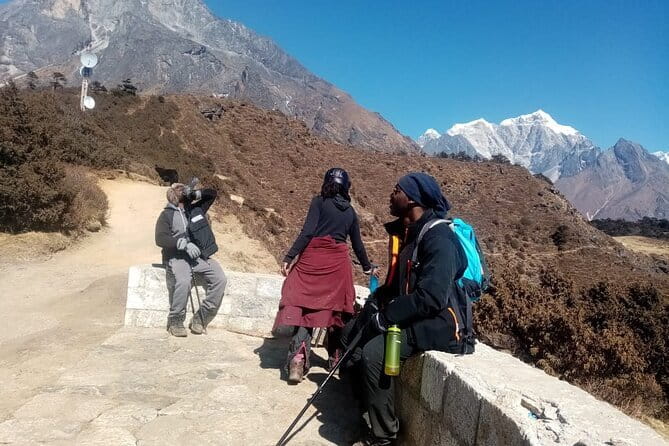
After Phakding, you’ll head toward Namche Bazaar, passing through Monjo and entering Sagarmatha National Park. This is where the trek starts feeling more wild and more protected at the same time—wildlife and flowers are part of the picture, and the terrain changes as you climb.
You’ll cross streams and small villages along the way. It’s about 7 hours of trekking, so you’ll feel the effort, but you’ll also get those “wait, I can see that peak” moments early enough to keep motivation up.
And then you reach Namche Bazaar, the gateway town for the Everest region. It’s busy by mountain standards—shops, bakeries, and tea-house energy—but it’s also the launchpad for your acclimatization. That matters because this itinerary builds in time to adjust, instead of pretending altitude is optional.
Namche Bazaar acclimatization day: your insurance policy against altitude
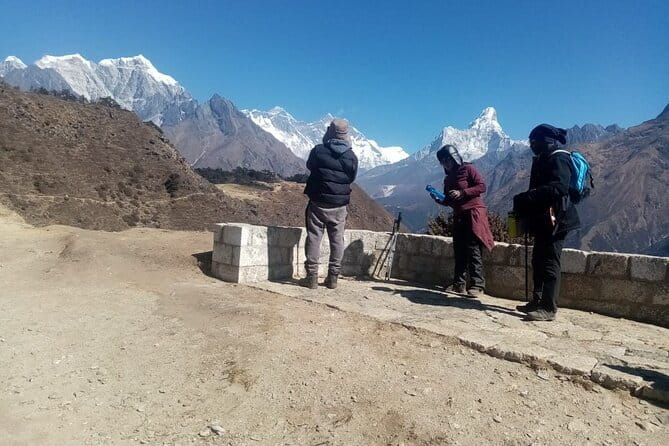
One of the smartest parts of this trip is the extra time in Namche Bazaar. You’ll spend a day exploring and acclimatizing before moving higher. Then there’s a shorter excursion option toward Syangboche Airstrip or the Everest View Hotel area.
This is a key reason so many people succeed on Everest Base Camp treks: you don’t just walk upward every single day. You get a “climb high, sleep low-ish” feel, which helps your body handle the next steps.
Practical tip: use this day to get your routine right. Eat something sensible early. Keep drinking steady. Try not to stash all your energy for the evening. Your future self on the higher days will thank you.
Tengboche monastery day: rhododendrons, steep moments, and spiritual calm
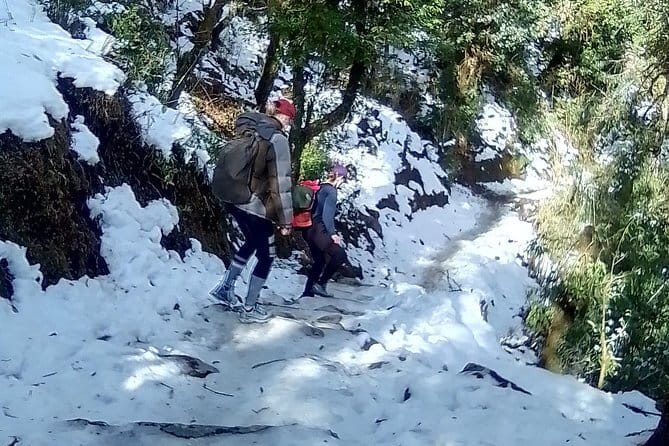
From Namche, the trail rises toward Tengboche through dense rhododendron forests. You pass by Imja Khola before reaching the Tengboche area. This day is about 6 hours, and it tends to feel like a proper “you’re in the Khumbu now” transition.
You’ll arrive near the Tengboche Monastery—one of the oldest monasteries in the Khumbu region. This isn’t just a photo stop. You’ll see Buddhist rituals and prayer wheels, and you can watch how the spiritual rhythm of the village runs right alongside trekking life.
Worth knowing: you don’t come here for long worship sessions. You come for the contrast. After hours of hiking, it’s grounding to slow down, spin a prayer wheel if that’s your thing, and take in mountain scenery in a quieter setting.

Dingboche: suspension bridges and the long look at higher peaks
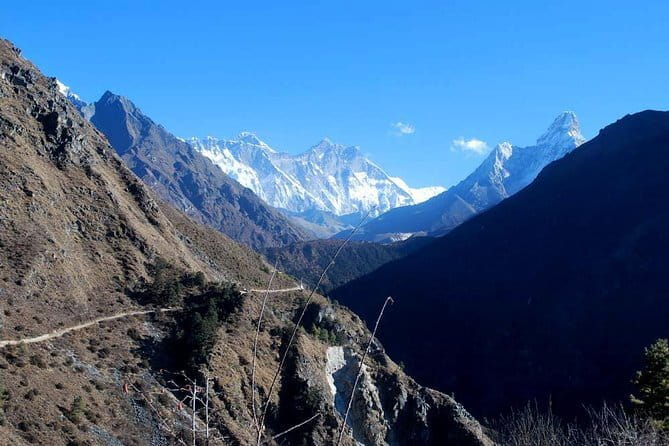
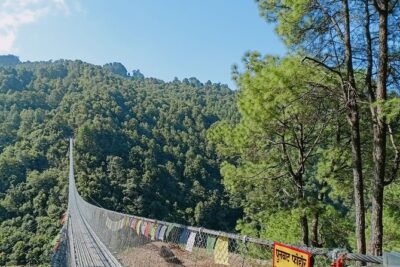
The next major shift is the walk toward Dingboche. Expect suspension bridges, small settlements such as Pangboche and Orsho, and plenty of religious markers—stupas and chortens along the way.
It’s about 6 hours, and the scenery starts to thin out from lush forests into higher-country textures. This is where your legs start learning a new rhythm: fewer soft landings, more “place your feet carefully” walking, and more attention to your breathing.
Dingboche is also where your altitude strategy turns from theory into body knowledge. Tea houses here are typically simple, and that’s fine. You’re not there for comfort upgrades. You’re there to arrive in a stronger position for Kala Patthar and Everest Base Camp.
Rest day in Dingboche: Nagarjun Hill and the value of planned recovery
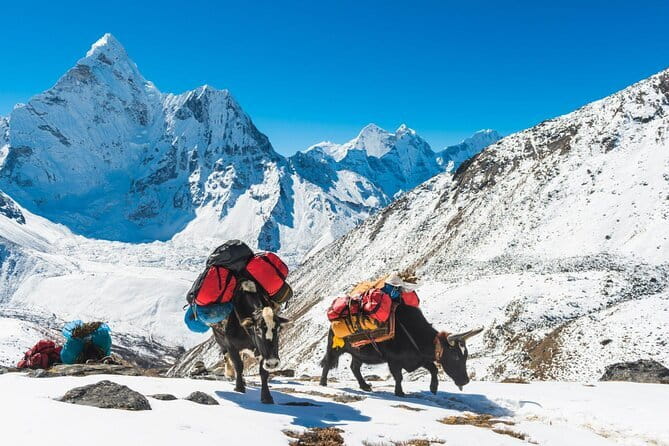
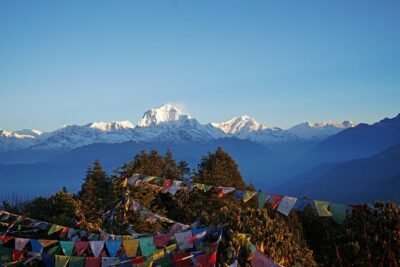
You’ll take a break day at Dingboche and adjust your body to the elevation. Then you hike to Nagarjun Hill for views of Everest, Lhotse, Ama Dablam, Nuptse, Thamserku, Pumori, and more.
This is the altitude “workout” you can handle because it’s structured. You’ll get movement, air time, and big sights, without forcing a full-on peak push.
A small but important mindset shift: treat the rest day as part of the trek, not downtime. If you spend it lying around and eating nonstop, your legs won’t feel great the next morning. If you move gently, hydrate, and keep the day light, you’ll often bounce back faster on Lobuche and beyond.
Dingboche to Lobuche: where the trail feels higher than the town
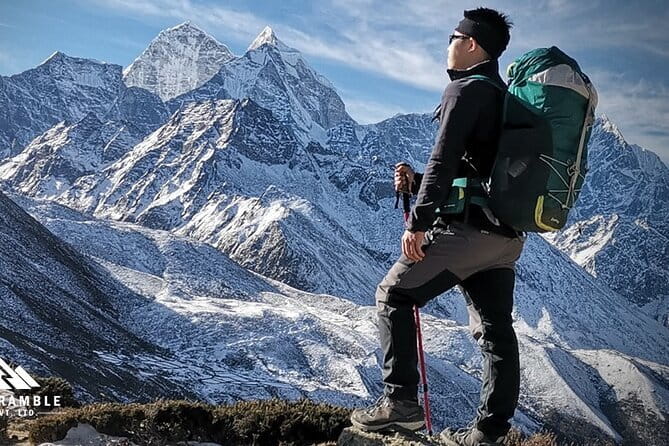
Next you’ll leave Dingboche and gradually ascend to Lobuche. The terrain changes from small settlements to a place with fewer trees and more sparse shrubs.
This segment is about 6 hours. The walking can feel tougher not because you’re doing something extreme, but because you’re now operating at higher altitude for longer stretches. Your pacing matters more than your ambition.
Lobuche villages are set in a dramatic high-country setting. Even if you don’t feel “stronger” yet, you’ll likely feel more prepared, because you’ve already done the acclimatization legwork.
Everest Base Camp: the long morning, Gorak Shep, and that final effort
The Base Camp day starts early. You trek toward Everest Base Camp, passing through Gorak Shep, described as the last human settlement area on the trail. This is a big mental marker. Once you pass through, it feels like you’re stepping into the working zone of climbers gearing up for the highest goal on Earth.
This day is about 8 hours. The real trick here is pacing. Don’t go hard on the early stretches just because you’re excited. Save enough breath for when the air thins and the ground feels more stubborn.
You’ll reach Everest Base Camp, the place where climbers prepare to conquer the world’s highest peak. Even if your personal goal isn’t summiting, standing at Base Camp is a milestone. It’s a clear “I did it” moment you’ll remember long after the photos.
Kala Patthar: 360-degree views and why timing matters
You’ll add a hike up to Kala Patthar to get the famous viewpoint with 360-degree views of Everest. This is a day that often defines the trip, because the viewpoint sits above Everest Base Camp and can show you far beyond the immediate peak-to-peak framing.
This is about 7 hours. It’s not just distance; it’s effort at altitude. You’ll want slow steps, steady breathing, and a calm head. If you’ve saved your energy on the Base Camp day, you’ll usually handle Kala Patthar better.
And yes, this is where the trip’s “value” turns visible: you’re paying for days like this—the kind of view money can’t really buy without the hard work.
Trek back down: returning through Namche and Lukla without losing the magic
After Kala Patthar, you start heading back. You’ll travel from the high area down toward Namche Bazaar, then further down to Phakding and eventually Lukla.
On the return day from the higher points, you’ll trek through dense forests and small villages again, following the Imja River at points. You’ll pass through Tengboche and descend via areas such as Phungki Thanka before dropping to Namche. It’s still long walking, but it can feel like the mountain “sighs” a bit.
The final full trekking days (to Namche, then to Lukla) are about retracing your steps with a difference: now you’re not just watching altitude come at you. You’ve already passed through it. That mental edge can make the descent feel less intimidating.
On the last day, you fly back to Kathmandu. You’ll reach the airport and then move to your hotel. The plan includes a farewell dinner and time to get ready to leave.
The guides: why Prakash, Milan, and Dev keep showing up in good stories
One of the strongest signals from the people who’ve done this trek is how much the guides influence your day-to-day experience. Names that come up repeatedly include Prakash, Milan, and Dev—and the common thread is safety plus calm confidence.
You’ll likely appreciate this most on days when altitude makes simple tasks harder. A solid guide helps with pacing, acclimatization ideas, and staying practical when things feel harder than planned.
You also benefit from the support style: patience, friendliness, and a focus on keeping you comfortable without turning the trek into a constant “chauffeured” experience. That balance is the sweet spot on Everest Base Camp treks—respect the mountain, but don’t guess your way through it.
If you’re nervous about logistics like timing, it’s also reassuring to know that other groups have noted smooth coordination and on-time execution, including flight timing and the rest of the operation around it.
Guest houses and the rhythm of simple comfort
Accommodation is in guest houses during the trek. That means you should expect basic rooms and hot water and power to be inconsistent. You won’t have luxury, but you also won’t be stuck in a chaotic setup.
This kind of lodging is part of the deal. You’re there to walk, breathe, and recover. Bring layers you can manage, and plan to wash up when it’s available rather than expecting it on schedule.
Also, don’t ignore the role of breaks. The itinerary builds in acclimatization stops in Namche Bazaar and Dingboche, which helps your body handle guest-house recovery days better. That’s not just comfort. It’s performance.
Who this trek fits best (and who should think twice)
This is a strong match if you want the classic Everest Base Camp experience with real cultural stops like Tengboche Monastery and Sherpa village life in Namche, Tengboche, and Dingboche. It’s also a good choice if you like structured trekking—clear days, planned rest, and an English-speaking guide who keeps things safe and steady.
You should think twice if you’re hoping for an easy hike or a very flexible schedule. The itinerary includes several long walking days (6 to 8 hours often), and altitude is a real factor. Also, Lukla flights are weather-dependent, so you’ll need a flexible mindset on travel days.
Should you book CAN Travels for Everest Base Camp?
If you want a well-run Everest Base Camp trek where the big-ticket parts are included—Lukla flights, permits, guide, and guest houses—this is a sensible option. It also looks like you’ll get real value from the guide quality people highlight by name (Prakash, Milan, Dev), especially around safety, patience, and keeping morale steady.
I’d book this when you’re ready for a physical challenge but you also want the logistics handled. I wouldn’t book it if you need guaranteed flight timing in your own schedule, or if your budget can’t absorb food and drinks on top of the trek price.
FAQ
What’s included in the trek price?
The package includes hotel pickup and drop-off, a government-licensed English-speaking trekking guide, Kathmandu to Lukla to Kathmandu flights, trekking permits and official documents, guest-house accommodation during the trek, a private tour setup, and an emergency normal first aid kit with the guide.
Are meals included during the trek?
No. Food and drinks are not included, and they’re available to purchase on the trail. The estimate provided is about US$25 per day.
How does the itinerary help with altitude?
You get planned acclimatization time in Namche Bazaar, plus a rest and adjustment day in Dingboche with a hike to Nagarjun Hill. These built-in breaks help your body handle the elevation before higher pushes.
What are the flight days like?
You’ll fly from Kathmandu to Lukla at the start, then fly back to Kathmandu on the last day. The flights are included, but they can be weather-dependent, so you should stay flexible.
Does the trek reach Everest Base Camp and Kala Patthar?
Yes. You’ll trek to Everest Base Camp, and you’ll also hike up to Kala Patthar for famous viewpoints with 360-degree views.
What’s the cancellation window?
You can cancel up to 3 days in advance for a full refund. If you cancel less than 3 days before the start time, the amount paid is not refunded.