REVIEW · MULTI-DAY NEPAL TOURS
8 Days Tour in Nepal (4 Star Accommodation)
Book on Viator →Operated by The Great Adventure Treks & Expedition - Private Day Tours · Bookable on Viator
Nepal icon-hopping can still feel organized. This 8-day Kathmandu-focused route strings together Kathmandu Valley temples and Chitwan National Park activities, then finishes with Pokhara’s best viewpoints. I like that you’re not left to guess logistics: pickup is offered, the schedule is set, and admission tickets are handled for most major stops. I also like the mix of spiritual sights and real-world experiences like Tharu culture in Chitwan.
One watch-out: this is a guided group itinerary, so you should expect shared timing and not private transportation. If you want lots of solo freedom or slow mornings every day, you may find the pace a bit tight—especially with early starts like the Sarangkot sunrise.
In This Review
- Key highlights you can plan around
- Getting Oriented: What the 8 Days Does for Your Stress Level
- Thamel First Night: Lodging, Location, and Why It Sets You Up
- Kathmandu Valley Temple Circuit: Boudhanath, Patan, Pashupatinath, Swayambhunath
- Boudhanath Stupa: Color, prayer flags, and a sense of rhythm
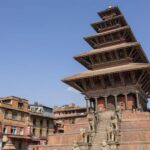
- Patan Durbar Square: More temples than you expect
- Pashupatinath Temple: Ghats and the Bagmati River
- Swayambhunath Temple: The hilltop with Buddha statues and Harati
- Through Dhading and Gorkha to Chitwan: How the Route Changes the Mood
- Chitwan National Park Without the Guesswork: Canoeing, Jungle Walk, Tharu Village, Jeep Safari
- Rapti River canoeing and the gentler start
- Jungle walk for real footing and close-up nature
- Tharu village tour: culture alongside wildlife
- Afternoon jeep safari: the classic payoff
- Road to Pokhara: Trisuli, Marsyangdi, and Daraudi on the Way
- Sarangkot Sunrise and Pokhara’s Water-and-Cave Stops
- Sarangkot sunrise: the early start you’ll be glad you took
- Devi’s Fall: water moving through a narrow gorge
- Gupteswar Gupha: a cave stop you can actually stretch time in
- World Peace Pagoda: a short hike with a viewpoint payoff
- Durbar Marg on Day 7: When you want a little city energy
- Meals, 4-Star Comfort, and What Your $1,080 Covers
- Safety and Guide Quality: Why Language and Organization Matter
- Who This Tour Fits Best (and Who Might Want a Different Style)
- Should You Book This Nepal 8-Day Tour?
- FAQ
- How long is the Nepal tour?
- Where does the tour start, and what time does it begin?
- What meals are included in the price?
- Are entrance fees included for the sights?
- Is pickup included, and do you get dropped off at the airport?
- Is private transportation included?
- What is the maximum group size?
- Can I bring a service animal?
- What is the cancellation window for a full refund?
Key highlights you can plan around
- Kathmandu Valley temple day with Boudhanath Stupa, Patan Durbar Square, Pashupatinath, and Swayambhunath
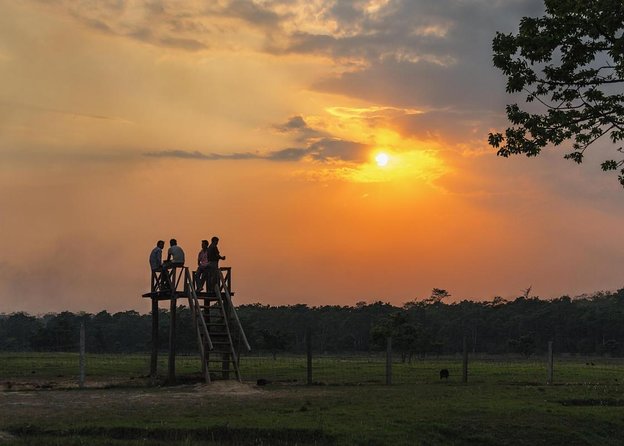
- Chitwan National Park with Rapti River canoeing, jungle walk, Tharu village visit, and an afternoon jeep safari
- Sarangkot sunrise built into the itinerary, with views toward Annapurna and Manaslu regions
- Pokhara time that isn’t only lakes: Devi’s Fall, Gupteswar cave, and World Peace Pagoda hike
- Small-group feel with a maximum of 30 travelers and included meals across the trip
Getting Oriented: What the 8 Days Does for Your Stress Level
This tour works best if you want Nepal to feel straightforward. You get a clear start in Kathmandu (9:15 am), structured days with guided sightseeing, and a predictable ending with an airport drop on Day 8. That matters in Nepal, where the hardest part for many visitors isn’t sightseeing—it’s juggling transport, timing, and entry fees.
You also get a useful balance: big-name sites in Kathmandu Valley, then nature and culture in Chitwan, and finally viewpoints plus water-and-cave stops in Pokhara. It’s a lot of ground, but the itinerary is built around “anchor moments” that are hard to replicate on your own.
You can also read our reviews of more tours and experiences in Kathmandu.
Thamel First Night: Lodging, Location, and Why It Sets You Up
Day 1 is all about getting your bearings. After pickup from your location, you’re sent to a hotel in Thamel, the practical base for many Kathmandu visitors. I like this approach because Thamel is where you can quickly find everything you might need: casual meals, simple shopping, and easy access to local streets for a first walk.
The plan gives you a couple hours in the area to settle in and do some shopping before the next day’s temple circuit. If this is your first time in Nepal, a low-pressure first afternoon helps you avoid the classic mistake of trying to do too much on Day 1.
Kathmandu Valley Temple Circuit: Boudhanath, Patan, Pashupatinath, Swayambhunath
Day 2 is the centerpiece for Kathmandu culture. It’s a long-ish day, but it’s also the kind of day you’ll remember because you’ll see Nepal’s spiritual architecture from multiple angles.
Boudhanath Stupa: Color, prayer flags, and a sense of rhythm
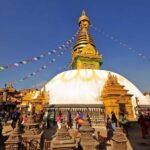
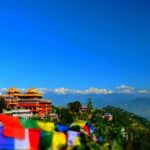
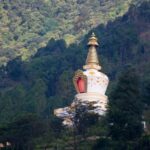
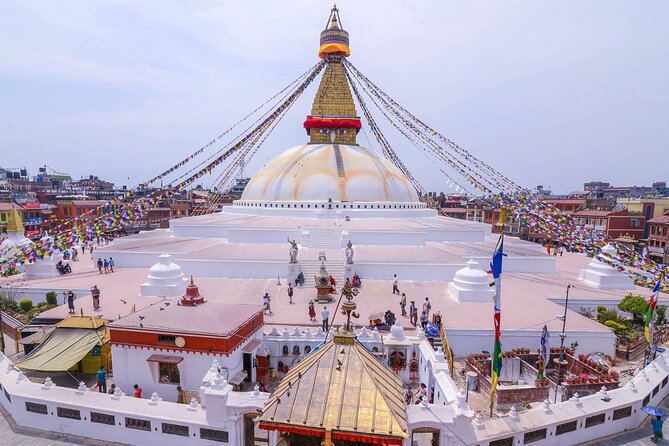
You start at Boudhanath (Boudha), the dome-shaped stupa decorated with colorful prayer flags. This is the sort of place where the experience isn’t only visual—it’s behavioral. People gather, they move, they pray, and the area has a steady flow rather than a rush.
Admission is included here, which is one less task for you to manage.
Patan Durbar Square: More temples than you expect
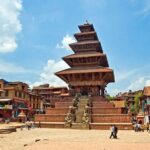
Next is Patan Durbar Square, a UNESCO-listed-style cluster with 55 major temples and 136 bahals (courtyards). That number alone tells you why this stop works: you’re not seeing one monument. You’re walking through a whole network of sacred spaces.
If you like details—carving, courtyards, and religious architecture—this is where you’ll feel the payoff.
Pashupatinath Temple: Ghats and the Bagmati River
Then comes Pashupatinath Temple, plus the ghats along the Bagmati River. Even if you’re not deeply religious, this site hits hard because it’s tied to everyday life and ritual river culture. The scenery is powerful, and the energy is different from the stupa and square you visited earlier.
Admission is included, and the stop description specifically mentions the ghats and the river, so expect to spend real time in that riverside atmosphere.
Swayambhunath Temple: The hilltop with Buddha statues and Harati
You finish at Swayambhunath, known for the thunderbolt symbol (Bajra) and for statues of Buddha, plus the temple of Harati. This is the “viewpoint” style stop: it’s not just about the building, it’s about the place sitting up on a hill with you in the middle of it.
Admission is included again, so the day stays easy on the logistics side.
Practical note: temple etiquette matters here. Plan to cover shoulders and knees, and keep your camera use respectful in active religious areas.
Through Dhading and Gorkha to Chitwan: How the Route Changes the Mood
Day 3 shifts from Kathmandu’s stone-and-spice world to travel through Dhading District and then into the Gorkha District as you drive. The itinerary highlights high hills and rivers, and that’s the key: your day is partly sightseeing from the vehicle.
This kind of transit day can be either tiring or quietly rewarding, depending on your expectations. If you accept that you’re mostly watching scenery and arriving for a nature-and-culture evening, it feels good. If you expect constant stops, you may feel the time passing.
The day ends in Chitwan National Park, with a Rapti River side walk, a Tharu culture view, and sunset. That combination works because it transitions you smoothly into the wildlife-focused days that come next.
Chitwan National Park Without the Guesswork: Canoeing, Jungle Walk, Tharu Village, Jeep Safari
Days 4 and 5 are where the tour earns its outdoor reputation.
Rapti River canoeing and the gentler start
On Day 4, you begin with canoeing in the Rapti River (45 minutes). This is the “slow down” moment. Instead of rushing straight into a jungle walk, you get a calmer feel for the park area first.
Jungle walk for real footing and close-up nature
After that, you do a jungle walk (2.5 hours). This is the part where shoes matter and your pace changes. You’ll be walking in a natural environment, so bring comfortable footwear and expect uneven ground.
Tharu village tour: culture alongside wildlife
Then there’s a Tharu village tour (30 minutes). This is a smart inclusion because it prevents the park from becoming just a safari checklist. The itinerary also calls out a Tharu culture view earlier on Day 3, so the theme builds instead of feeling random.
Afternoon jeep safari: the classic payoff
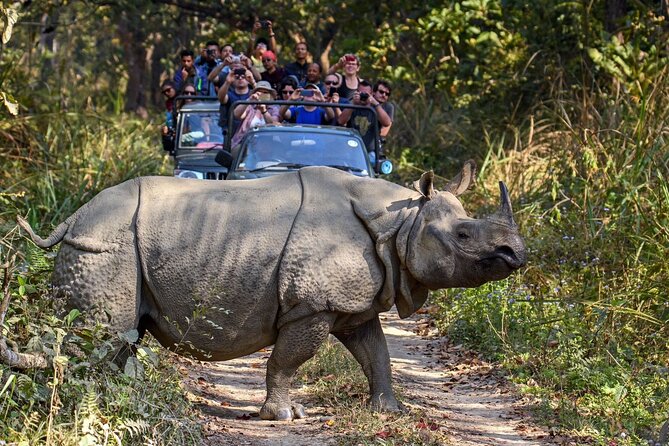
You finish with a jeep safari in the afternoon. This is where most people hope for wildlife sightings. Even if you don’t see everything you dream of, this segment is still worthwhile for how you experience the park from a guided vehicle route.
Admission tickets are included for these Chitwan activities, which is a real time-saver.
Road to Pokhara: Trisuli, Marsyangdi, and Daraudi on the Way
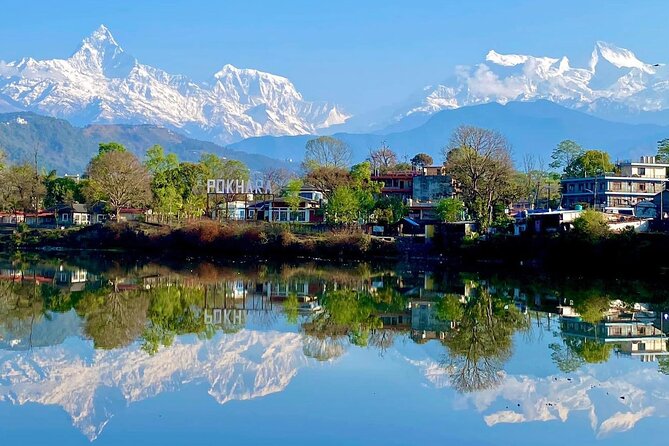
Day 5 becomes a travel-and-tease day. While going from Chitwan to Pokhara, you’ll see three big rivers: Trisuli, Marsyangdi, and Daraudi. Even if you don’t stop for long, knowing you’re watching major river systems gives you context for what you’ll experience later around Pokhara’s water features.
Then you land at Phewa Tal (Phewa Lake) for a stop (2 hours). The itinerary includes boating, so you’re not just taking photos from shore. This is a nice “reset” after wildlife-focused mornings—so you can enjoy scenery at a slower tempo.
Sarangkot Sunrise and Pokhara’s Water-and-Cave Stops
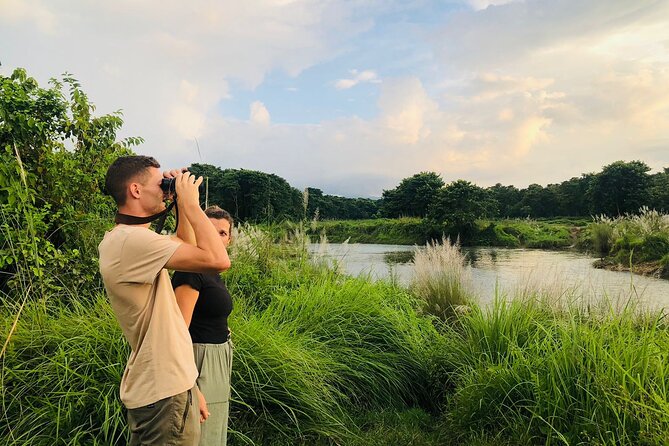
Day 6 is a strong mix of early morning beauty plus a sequence of varied attractions.
Sarangkot sunrise: the early start you’ll be glad you took
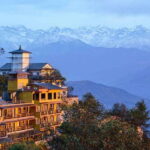
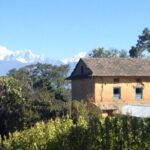
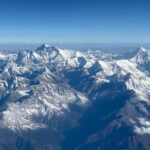
You travel to Sarangkot early in the morning for sunrise (1 hour). From there, you can observe Annapurna and Manaslu mountain regions along with views of the Pokhara valley.
This is the kind of moment that’s hard to plan well on your own because you need the timing. Here, it’s built in.
Devi’s Fall: water moving through a narrow gorge
Then you head to Devi’s Fall, where the description notes water originated from Phewa Lake, cascades through a narrow gorge, and flows into the Seti River. Expect a short visit (30 minutes) that feels more like a compact “how water works” stop than a long museum experience.
Gupteswar Gupha: a cave stop you can actually stretch time in
Next is Gupteswar Gupha, also known as Gupteswar Mahadev Cave. It’s described as the longest cave of Nepal, and you have about 1 hour. If you like to see places beyond viewpoints, this adds variety to a Pokhara itinerary that’s often only about the lakes.
Practical note: caves can be slippery or damp. Wear shoes you trust.
World Peace Pagoda: a short hike with a viewpoint payoff
You wrap up with World Peace Pagoda (about 2 hours) via a short hike. This is the stop that likely feels most “Pokhara-style”: effort going up, reward in the view.
Admission is included, so you can focus on the hike rather than paperwork.
Durbar Marg on Day 7: When you want a little city energy
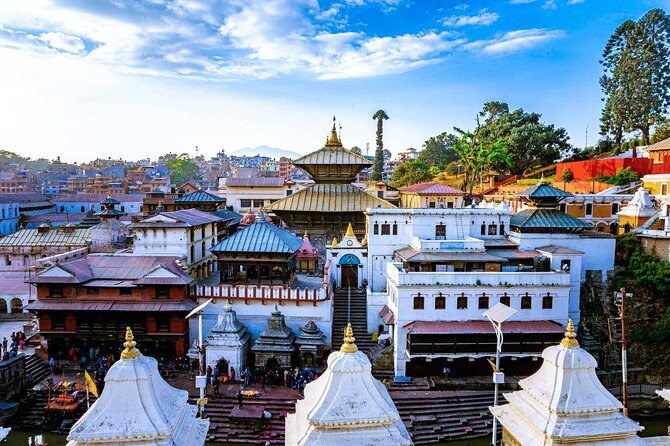
Day 7 keeps things lighter. You visit Durbar Marg, described as a destination for clubs, pubs, bars, and the Garden of Dreams. The plan gives you 3 hours and also notes that Durbar Marg is admission-free in the itinerary.
This is a good day to do what sightseeing days don’t allow: browse casually, snack, and pick up last-minute things. It also helps if you’ve been temple-spotting for two full days straight—your brain gets a breather.
Meals, 4-Star Comfort, and What Your $1,080 Covers
Let’s talk value, since that’s what you really want to know. The price is $1,080 per person for an ~8-day Nepal package with 4-star accommodation, a set route between Kathmandu, Chitwan, and Pokhara, and included meals. Specifically, you get 5 breakfasts, 2 lunches, and 2 dinners.
Admission tickets are marked included for many key stops (and some are free like Thamel, Sarangkot, and Durbar Marg). The fact that the itinerary calls out tickets reduces the time you’d otherwise spend buying entries at each location.
The big savings hidden here is time. If you planned this solo, you’d spend energy figuring out: where to stay each night, who to hire for guided days, and how to connect transport between cities and park areas. The tour reduces that friction.
One thing not covered is private transportation. So expect shared vehicles or group timing rather than a private car at your pace. If private, door-to-door transport is a must for you, that’s the main mismatch.
Safety and Guide Quality: Why Language and Organization Matter
Nepal can feel complex at first, especially if you’re navigating city traffic and long drives. This operator is described as being organized and safe enough for solo travelers, and their guides have been noted for professionalism and for working with different languages.
In particular, names like Mani (as an organizer), Sanjay (noted for fluent Chinese and English), and Sudam (noted for being thoughtful and helpful with local spots) show up in past feedback. I can’t promise which guide you’ll get, but it’s a helpful signal: this isn’t presented as a casual, hand-wavy operation.
Who This Tour Fits Best (and Who Might Want a Different Style)
This tour is a strong fit if you:
- Want guided Kathmandu Valley highlights without building your own map
- Like nature experiences that go beyond a single “quick safari” by including canoeing and a jungle walk
- Want Pokhara with variety: sunrise at Sarangkot, plus falls, a cave, and a pagoda hike
- Appreciate included admissions and selected meals to reduce decision fatigue
It may not fit as well if you:
- Want lots of downtime or freedom to skip stops
- Need a private vehicle for comfort or scheduling reasons (private transportation isn’t included)
- Get impatient with early starts, since Sarangkot sunrise is a key moment here
Should You Book This Nepal 8-Day Tour?
I’d book this if you want a solid introduction to Nepal’s top mix: Kathmandu’s sacred icons, Chitwan’s river-and-jungle life, and Pokhara’s viewpoint culture. The structure is clear, and the itinerary focuses on high-impact experiences that are hard to string together smoothly on your own.
I’d hesitate if you’re allergic to schedules. It’s not a slow wander trip. It’s a guided route with set stops, shared transport, and multiple “anchor moments” per day—great if that matches your travel style, less great if you prefer to drift.
If you go in with the right mindset—show up ready for early mornings, wear practical shoes, and keep expectations aligned with a group pace—you’ll likely find this is good value for the time and logistics it handles.
FAQ
How long is the Nepal tour?
The tour is approximately 8 days.
Where does the tour start, and what time does it begin?
It starts in Kathmandu with a start time of 9:15 am.
What meals are included in the price?
The package includes 5 breakfasts, 2 lunches, and 2 dinners.
Are entrance fees included for the sights?
Many of the listed stops include admission tickets, while some are marked free (like Thamel, Sarangkot sunrise, and Durbar Marg).
Is pickup included, and do you get dropped off at the airport?
Pickup is offered, and on Day 8 a staff member drops you at the airport.
Is private transportation included?
Private transportation is not included.
What is the maximum group size?
The maximum group size is 30 travelers.
Can I bring a service animal?
Yes, service animals are allowed.
What is the cancellation window for a full refund?
You can cancel up to 3 days in advance for a full refund, but within 3 days there is no refund.