REVIEW · HIKING & TREKKING
Langtang Valley Trek from Kathmandu
Book on Viator →Operated by Namaste Nepal Trekking & Research Hub Pvt. Ltd. · Bookable on Viator
Langtang Valley hits different the moment you step outside Kathmandu. This 8-day trek focuses on Tamang culture, quieter trails away from the Everest/Annapurna crowd, and the big payoff day around Kyanjin Gompa and viewpoint climbs. You also get the human side of Langtang through communities still rebuilding after the 2015 earthquake.
What I like most is the mix of cultural stops and solid hiking days. You’ll spend real time around stone-house villages, yak pastures, and monastery life, not just passing through scenery from a bus window. I also like that the package handles the practical stuff: permits like TIMS card and a trekking permit, plus an English-speaking guide.
One thing to consider: you’re trekking at moderate fitness level, and the days still add up. If altitude, cold mornings, or longer walking hours are hard for you, plan carefully and pack for early starts.
In This Review
- Key things to know before you go
- Langtang Valley: Tamang culture and a resilient trail
- Road to Syabrubesi: timing, comfort, and altitude basics
- Lama Hotel day: forests, bridges, and river rhythms
- To Langtang Village: yak pastures and earthquake-recovery communities
- Kyanjin Gompa and the cheese factory views
- Cherco Ri/Tserko Ri: the viewpoint day that makes the effort worth it
- Return down to Syabrubesi: why the last days feel lighter
- What’s included (and what you’ll pay extra) in this $1,110 package
- Should you book this Langtang trek with Namaste Nepal?
- FAQ
- How long is the Langtang Valley trek from Kathmandu?
- What’s the main highlight around Kyanjin Gompa?
- What meals are included, and what should I budget for extras?
- Do I need trekking permits, and are they included?
- How do transfers work from Kathmandu?
- What cancellation flexibility do I have?
Key things to know before you go
- Tamang heritage focus: you’ll see Tibetan-influenced culture in everyday village life, not just on a postcard.
- Kyanjin Gompa is a centerpiece: monastery atmosphere plus the famous cheese factory area nearby.
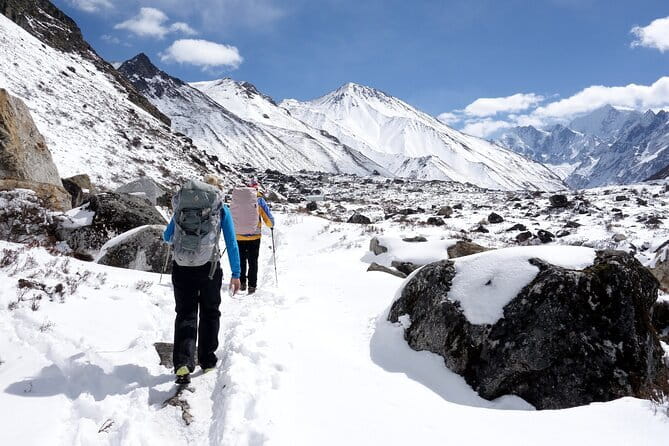
- Big views with smart effort: viewpoint climbing is optional (Kyanjin Ri or Tserko Ri/Cherco Ri) depending on your energy.
- Post-2015 recovery matters: you’ll pass through communities still healing, which gives the trek emotional weight.
- Permits and guide are handled: trekking permit and TIMS card are included, reducing admin stress.
- Comfort is guesthouse style: you’re sleeping in guesthouses during the trek, not trekking-camp luxury.
Langtang Valley: Tamang culture and a resilient trail
Langtang Valley is a strong choice if you want the Himalayas without the busiest trail feel. The route centers on Tamang villages and Tibetan-influenced traditions, so the trek teaches you how people live here—stone houses, prayerful monastery spots, and mountain economy built around herding and seasonal work.
There’s also a big emotional layer. The valley is still recovering from the 2015 earthquake, and you’ll see that resilience as you move through settlements along the way. It’s not a lecture; it’s visible in the pace of rebuilding and the way daily life continues.
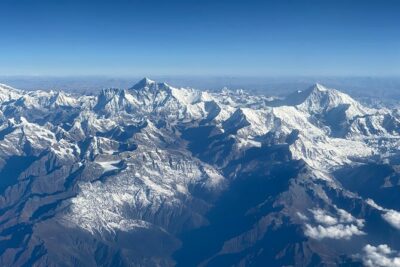
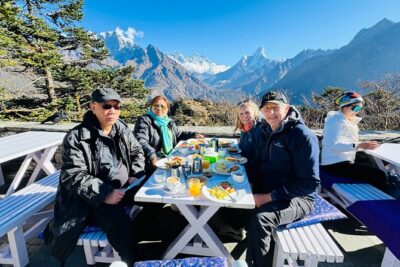
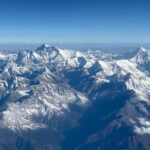
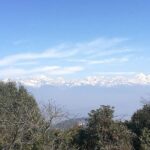
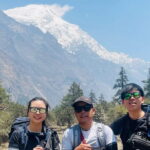
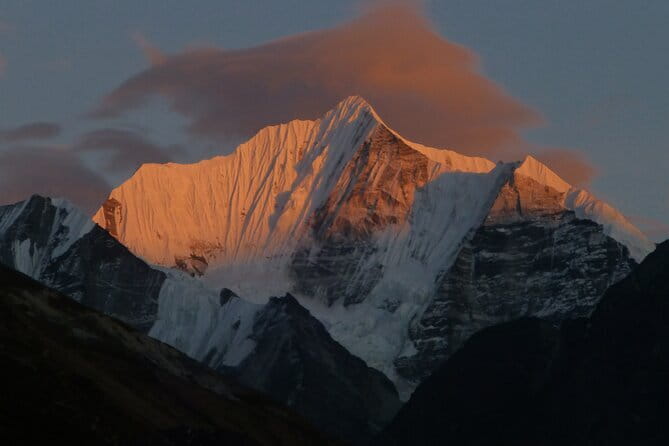
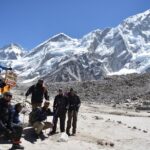
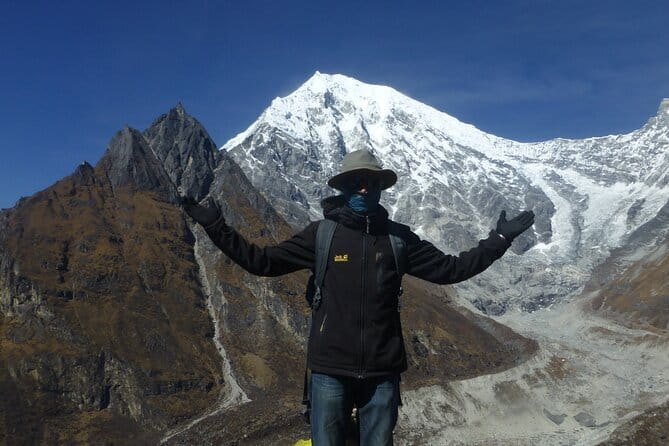
And yes, the mountain scenery is a major draw. From Langtang Lirung to Ganesh Himal and onward toward Shishapangma (across the border in Tibet), this area gives you wide-angle views that feel earned. The trek’s best days aren’t just about distance—they’re about reaching the viewpoint points when the air is clear.
You can also read our reviews of more hiking tours in Kathmandu
Road to Syabrubesi: timing, comfort, and altitude basics
Most people start in Kathmandu and move out toward Syabrubesi by shared bus/road transfer. The travel time is long—around 6 to 7 hours for the ride from Kathmandu to Syabrubesi, usually with breaks on the way. That matters because it sets your hiking expectations: you’ll be ready to walk on day one, but you won’t be flying into the mountains refreshed like a short hop.
The drive crosses varied terrain, including a stretch near the Trishuli river area. On a day like this, you’ll be picking up the rhythm of Nepal road travel—small stops, passing local villages, and constant scene changes. It’s not glamorous, but it is part of the “this feels real” build-up to the trek.
Practical tip for you: treat this ride as warm-up time. Drink water, eat something easy before you start walking, and get into a routine for cold mornings. Even on a trek labeled moderate, weather can turn fast in the Himalayas.
Lama Hotel day: forests, bridges, and river rhythms
After arriving at the trekking start, the next push is toward Lama Hotel, and this is where Langtang starts feeling like a true trail, not just a route on a map. You go through dense forest sections with sounds and smells that change as you climb—rhododendron, oak, bamboo, and the steady gushing flow of the Langtang River.
This day also includes suspension bridges. Even if you’ve walked across bridges before, they tend to slow you down in the best way. You’ll notice the valley squeeze a little tighter, you’ll hear water more clearly, and the trail becomes more about footing and balance than speed.
It’s also one of the more memorable “in-between” days. The goal isn’t one famous view; it’s the feeling of being inside the Langtang ecosystem. If you like trekking days where you can walk, look around, and breathe deeply, this is one of your favorites.
To Langtang Village: yak pastures and earthquake-recovery communities
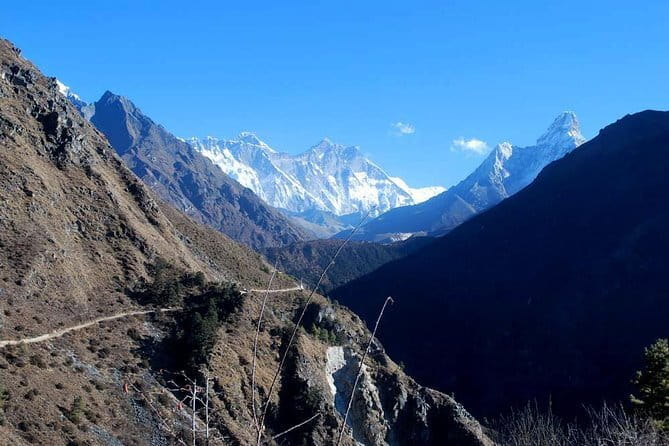
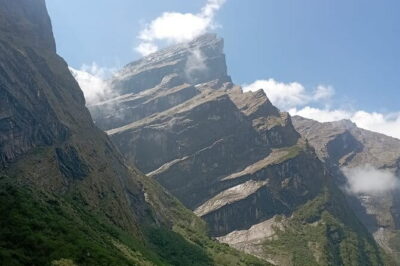
The trek’s core movement is from the forested approach into the Langtang Valley itself, reaching Langtang Village. Expect the landscape to shift as you climb: traditional stone houses appear more clearly, the valley opens up, and you start to see yak pastures and broader mountain angles.
This is also where the earthquake recovery becomes more than a line in a brochure. The area you’re walking through has been rebuilding since 2015, and the trail passes through settlements still shaping their next chapter. You don’t need a special “meaning moment” to get it; it comes from the fact that these are living communities, and their recovery is part of the trek’s story.
For your own enjoyment, plan to go slower than you think. The best photos often come when you take a few extra minutes near villages or path turns. And if you’re traveling solo, this part of the trek often feels grounding because the villages and monasteries are close enough to break the day into digestible sections.
Kyanjin Gompa and the cheese factory views
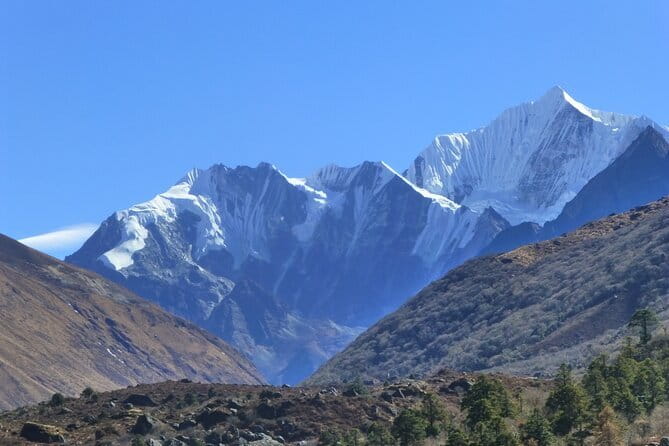
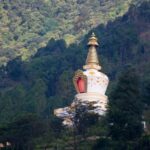
Kyanjin Gompa is the big spiritual and cultural anchor of this trek. You’ll walk to the monastery area and spend meaningful time near the ancient gompa setting, where the mountains feel physically close. It’s the kind of place where you understand why monasteries were built here: big quiet, weather windows, and views that change as clouds move.
There’s also a very practical, local-food angle in the nearby cheese factory area. That’s not a random tourist stop; it reflects how this region turns mountain resources into something people can trade and sustain. You get a fuller picture of daily life here—part faith, part survival, part local craftsmanship.
One note: your day schedule around Kyanjin Gompa is usually not a marathon. The pace gives you a chance to adjust, soak in the monastery vibe, and be ready for the viewpoint climb on the next morning.
Cherco Ri/Tserko Ri: the viewpoint day that makes the effort worth it
The most important trekking push for many people happens on the Cherco Ri day (often linked with the Tserko Ri viewpoint plan). You start early with packed snacks and climb from the monastery zone after crossing the Langtang River on a small wooden bridge.
This is one of those days where the climb is short compared to longer Himalayan treks, but the payoff is big. You’re working your legs while the sky and ridgelines start playing tricks with contrast. When you get the view, it tends to feel like the whole trek was building toward this moment.
If you’re deciding how hard to push, listen to your guide and your own body. The route is designed for moderate trekking, but viewpoint days can still be demanding in cold air. Your best strategy is steady steps, not speed.
Return down to Syabrubesi: why the last days feel lighter
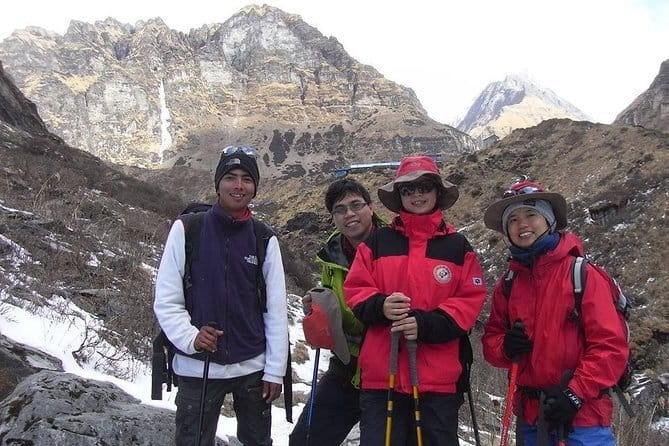
After the big viewpoint day, the trek eases back toward Lama Hotel and then down to Syabrubesi. The return route is mostly downhill, which is a real mental relief. Still, downhill trekking has its own challenge: foot fatigue and careful steps on uneven paths.
This is also the day range where you’ll notice the valley narrowing and opening again as you move through river-adjacent sections. Even when the walking feels easier, the sights keep changing—especially where forest lines meet open areas.
If you’re the kind of traveler who enjoys a satisfying finish, this portion helps. You’ll get that sense of accomplishment because you’re retracing steps while watching the altitude drop and the air soften.
What’s included (and what you’ll pay extra) in this $1,110 package
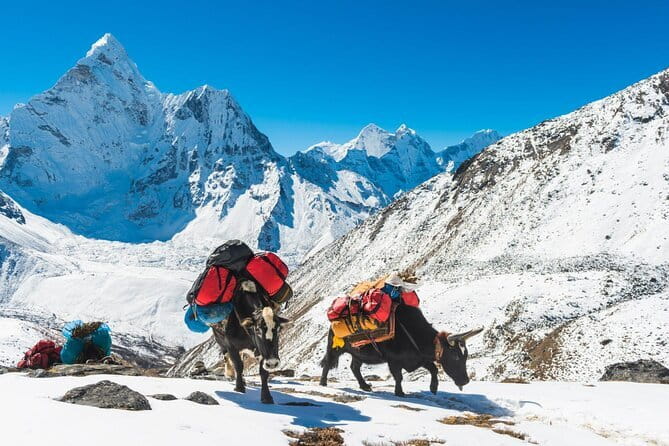
At $1,110 per person, the value depends on what you’re comparing it to. If you want a guided Langtang Valley trek that removes the admin work—permits, guide support, transfers, and guesthouse booking—this price makes sense. You’re paying for logistics and safe pacing, not just time outdoors.
Here’s what the package covers:
- Hotel pickup and drop-off in Kathmandu
- Round trip transfer by shared bus
- Trekking permit and TIMS card
- English-speaking experienced trekking guide
- Guesthouse accommodation during the trek
- First aid box (with the guide)
- Meals: breakfast (7), lunch (8), dinner (8)
What’s not included:
- Some meals you’ll cover on your own (the estimate given is about $25/day)
- Gratitude for your guide/crew (optional)
Two smart takeaways for you. First, having meals included on most days helps you keep energy stable for the climb days. Second, the permit coverage means you avoid the common travel headache of figuring out documentation while you’re already focused on trekking.
Also, the operator lists mobile ticket and group discounts, while the trip is effectively a private experience for your group. Translation: you’ll have your own group dynamics, and pricing may be friendlier if you’re trekking with others.
Should you book this Langtang trek with Namaste Nepal?
I’d book this if you want a culture-forward Himalayan trek that still delivers serious views—without trying to cram in too many “hardest hikes on Earth” moments. Kyanjin Gompa and the viewpoint day give you strong targets, while the rest of the trail lets you walk through forests, bridges, and village life at a pace that fits moderate trekkers.
I’d think twice if you know cold mornings, long walking days, or altitude sensitivity is a problem. The trip is built for a moderate fitness level, but it’s still a trek where you’re on the move for multiple days, and you’ll need to be honest about your limits.
A useful final note: the trip includes experienced guide support and a first aid kit, and the reviews point strongly toward feeling safe and well cared for—especially for people trekking solo. If that matters to you, that’s a good sign.
If your main goal is Langtang Lirung views, Tamang culture, Kyanjin Gompa spirituality, and a meaningful trail through recovery-focused communities, this is a very reasonable way to do it.
FAQ
How long is the Langtang Valley trek from Kathmandu?
It’s listed as 8 days (approx.). The schedule includes trekking days through the Langtang Valley and a return ride back to Kathmandu.
What’s the main highlight around Kyanjin Gompa?
You’ll reach Kyanjin Gompa, an important monastery area with panoramic mountain views. There’s also mention of the Kyanjin cheese factory area nearby, plus viewpoint options like Kyanjin Ri or Tserko Ri (linked with the Cherco Ri day).
What meals are included, and what should I budget for extras?
The package includes 7 breakfasts, 8 lunches, and 8 dinners. It also notes you should plan for other meals on your own, estimated at about $25/day.
Do I need trekking permits, and are they included?
Yes. The trek includes a trekking permit and a TIMS card, so you don’t have to handle that as part of your own planning.
How do transfers work from Kathmandu?
You get hotel pickup and drop-off in Kathmandu, plus round trip transfer by sharing bus. The ride to Syabrubesi takes about 6 to 7 hours, with breaks along the way.
What cancellation flexibility do I have?
You can cancel for free up to 24 hours in advance of the experience’s start time for a full refund.