REVIEW · ANNAPURNA BASE CAMP TREKS
Annapurna Base Camp Trek
Book on Viator →Operated by Touch The Himalaya Treks & Expedition · Bookable on Viator
ABC’s sunrise comes fast. You’ll cover classic Annapurna villages on the way to Annapurna Base Camp, with a plan that’s built for safety at altitude and real trail time. I love the local, first-aid trained guide team that handles permits and acclimatization planning, and I love the early rhythm of the trek—especially the hike up to Poon Hill for sunrise over Annapurna and Dhaulagiri. One thing to weigh: mornings start early (meeting at 6:15 am), and the days are often 5–7 hours of trekking, so you’ll want solid baseline fitness.
This is also the kind of trek where logistics matter. You’ll transfer from Kathmandu to Pokhara, trek stage by stage through Ulleri, Ghorepani, Tadapani, Sinuwa, and Deurali, then descend and recharge at Jhinu. The staff setup feels personal too: a point contact such as Mr. Madan Neupane is named in client feedback, and guides like Rishi and Roshan Pandey show up as examples of how the team supports trekkers along the way.
In This Review
- Key points worth knowing before you go
- Annapurna Base Camp in 10 days: what you’re signing up for
- Price and value: what $700 covers (and what doesn’t)
- Day 1: Kathmandu to Pokhara and why the journey matters
- Day 2: Ulleri via Nayapul—villages, river paths, and first steps
- Day 3: Ulleri to Ghorepani—forests and big-range views
- Day 4: Poon Hill sunrise, then Tadapani—short morning climb, long payoff
- Day 5: Tadapani to Sinuwa—descending through villages and forest
- Day 6: Sinuwa to Deurali—steady ascent and rugged terrain
- Day 7: Deurali to Annapurna Base Camp—Machapuchare Base Camp on the way up
- Day 8: Base Camp back to Sinuwa—recovering while you still enjoy the mountains
- Day 9: Sinuwa to Jhinu, then Pokhara—hot springs after the grind
- Day 10: Pokhara to Kathmandu—choose your pace and keep your last energy
- How the Touch The Himalaya team supports you on a tough route
- Packing and pacing tips that match this specific trek
- Who this Annapurna Base Camp trek is best for
- Should you book this Annapurna Base Camp trek?
- FAQ
- What is the meeting point for the trek?
- What time does the experience start?
- Is airport pickup and drop included?
- How long is the Annapurna Base Camp trek?
- Are meals included during the trek?
- Are permits and trekking fees included?
- Is this a private trek?
- Can I buy meals in tea houses during the trek?
- How far in advance can I cancel for a full refund?
Key points worth knowing before you go
- Local first-aid trained guide, with language support (English, Hindi, and Chinese government-licensed)
- Permits and trekking fees included, plus daily meals during the trek
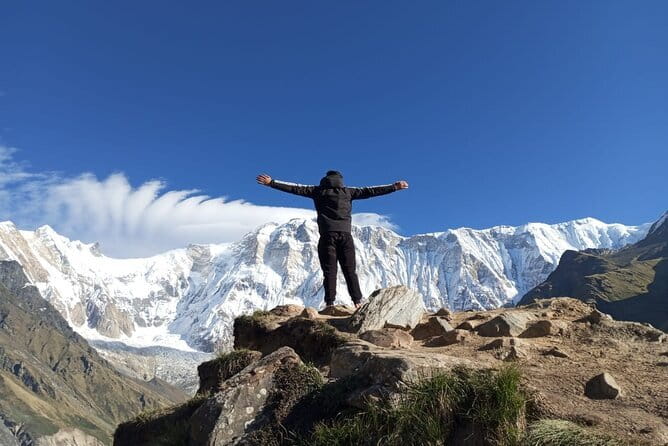
- Poon Hill sunrise is built in, then you move on toward Tadapani
- Duffel-bag system helps you keep your main carry organized on trek days
- Annapurna Base Camp route includes Machapuchare Base Camp along the way up
- Jhinu hot springs turns a tough day of walking into a recovery moment
Annapurna Base Camp in 10 days: what you’re signing up for
Annapurna Base Camp is a bucket-list destination, but it’s not a stroll. This trip is paced across about 10 days (including Kathmandu and Pokhara transfers), with trekking days that commonly run around 5–7 hours. You’ll climb steadily, spend a couple nights in mountain-area villages, then make the push to base camp before turning around.
What I like about this schedule is that it includes a scenic “warm-up” before the bigger altitude work. You get Ulleri and Ghorepani, then the Poon Hill sunrise morning. That means you’re building confidence and leg strength before the trek gets more rugged.
The other part that matters is the return loop. After you reach base camp, you don’t just “summit and vanish.” You trek back down to Sinuwa, then continue toward Jhinu for hot springs. That gives you a real recovery flow rather than a sudden stop.
You can also read our reviews of more hiking tours in Kathmandu
Price and value: what $700 covers (and what doesn’t)
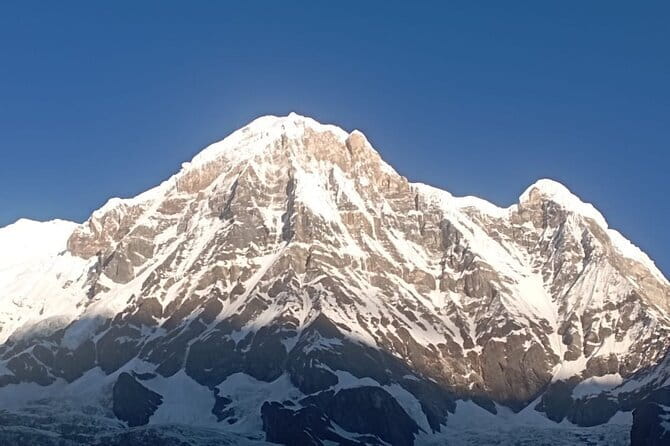
At $700, you’re not just paying for the trail. The package includes airport pickup and drop plus two nights accommodation in Kathmandu before and after the trek. It also includes breakfast, lunch, and dinner during the trek, trekking permits and fees, and the costs for your guide and porters (salary, insurance, equipment, transport, food, and accommodation).
That inclusion is what makes the price feel realistic for many budgets. You can plan around a single number instead of guessing what permits, guide time, and logistics will cost. You also get a duffel bag system (to be returned after the trip), trekking maps, and a basic first-aid kit carried by the guide.
What’s not included is the human factor at the end: tips and gratitude for guide and porters. Also, while meals are included during the trek, you can still buy additional food in tea houses, which can add small extras depending on your habits.
Day 1: Kathmandu to Pokhara and why the journey matters
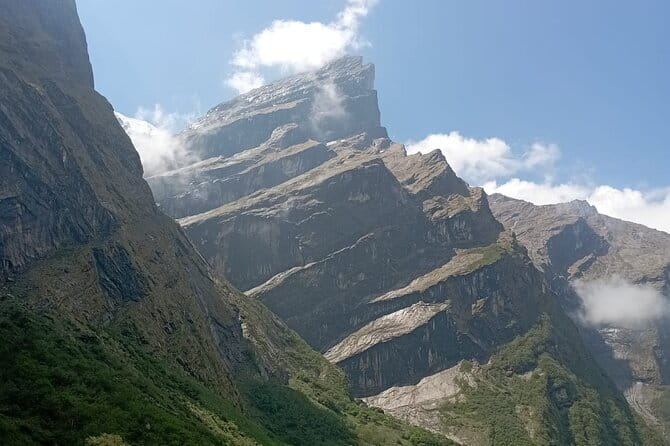
Day 1 is all about getting into the trek’s launch zone. You travel from Kathmandu to Pokhara by tourist bus, car, or flight. The most common overland option takes about 7 hours and follows the Trishuli River side with scenery along the way.
This part matters more than people expect. It’s not just transportation. It helps you start your trip with time to settle in, eat, and rest before a long chain of mountain days. Pokhara also gives you an easy first taste of Nepal’s travel rhythm—simple hotels, early meals, and a calmer vibe than Kathmandu.
If you’re prone to motion discomfort, plan to bring what you need for a bus ride (water, something to snack on, and a layer for cool air). Even if the plan includes different transport choices, the goal is the same: move you into Pokhara with enough energy left to enjoy the next morning.
Day 2: Ulleri via Nayapul—villages, river paths, and first steps
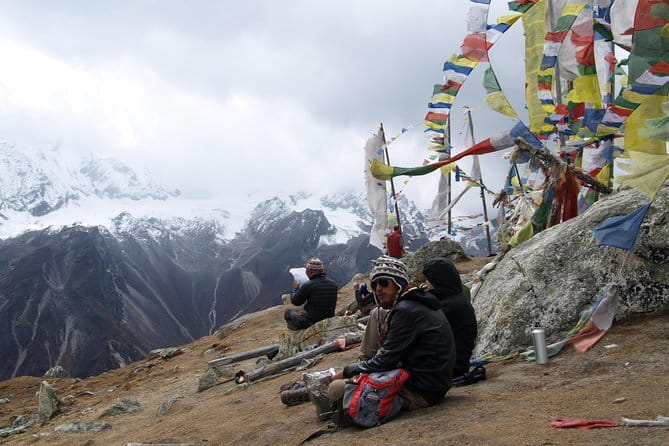
On Day 2, you drive to Nayapul (about 1 hour). Then you start trekking to Ulleri, roughly a 5-hour walk. The trail follows the Modi Khola River and passes through villages where you can feel the rhythm of daily life in the Annapurna region.
This is a smart “entry” day. You’re not thrown straight into the hardest climb. Instead, you’re walking through a mix of cultivated areas and forest edges, with plenty of chances to pause, breathe, and adjust to trekking pace.
A practical note: when you start this early in the trek, it’s easy to overdo it. Keep your effort steady, especially if you’re arriving from a long day of travel. Your guide’s job here is pacing and safety at altitude, but your job is to start too easy rather than too hard.
Day 3: Ulleri to Ghorepani—forests and big-range views
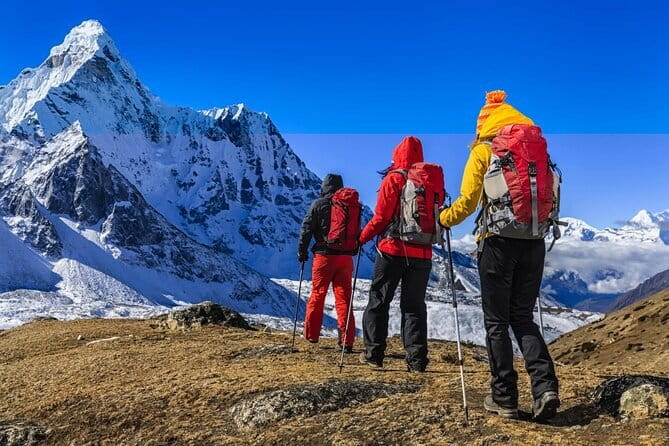
Day 3 takes you from Ulleri to Ghorepani in about 6–7 hours. The path moves through lush forest sections and then opens into more expansive scenery as you gain elevation.
Ghorepani is a key stop because it sets up the classic next morning. It’s also a village area where tea houses are common, so you can refuel without turning your whole day into a search-and-wait exercise. Even if you’ve never used tea houses before, this is a friendly day to learn how they work in practice.
One drawback to consider: forest trekking can be slippery and shaded, and the air can feel cooler than you expect. Pack for weather you might not see at home—light layers and decent sun protection still help.
Day 4: Poon Hill sunrise, then Tadapani—short morning climb, long payoff
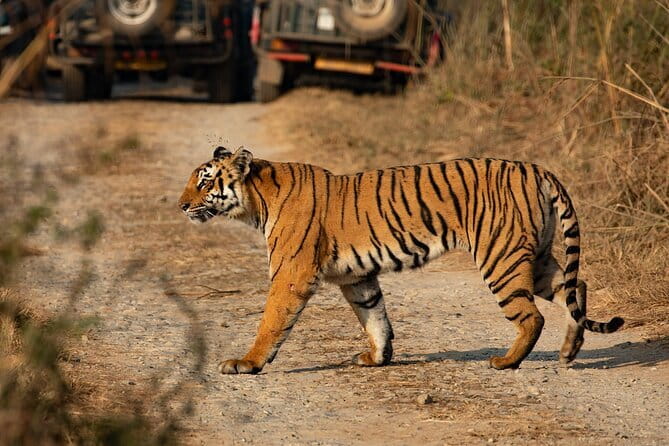
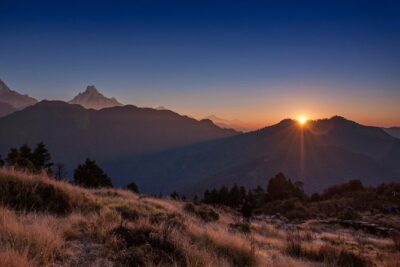
Early on Day 4, you hike up to Poon Hill for sunrise. After the views, you return to Ghorepani for breakfast, then trek toward Tadapani, about 4 hours.
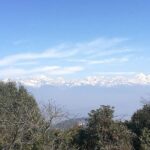
This is one of the best-designed days on the route. You get the effort of an early start, but the reward is a panoramic show over Annapurna and Dhaulagiri. Then the rest of the day isn’t an all-day grind. You shift to Tadapani at a calmer pace.
Why that matters: it lets you feel good about the trek’s bigger goal without draining yourself before the next altitude stretch.
Day 5: Tadapani to Sinuwa—descending through villages and forest
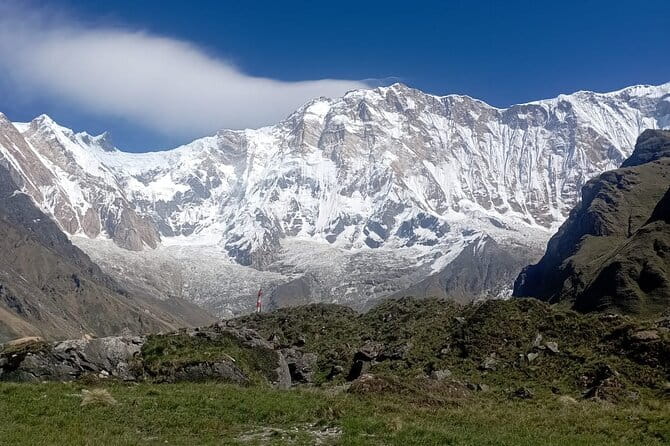
Day 5 runs about 6–7 hours from Tadapani to Sinuwa. The trail descends through forest and passes several small villages, with Annapurna views breaking in at intervals.
This day’s character is different from the earlier steps. You’re still working, but the walking feels more varied: climb-and-level segments, forest shade, and spots where you can see the bigger mountains ahead.
The tip here is simple: treat this as a “repositioning” day, not a day to chase speed. If you go too fast, your legs will pay for it later. If you go steady, you’ll arrive with enough energy to enjoy the evening routine—dinner, conversation, and sleep that actually restores you.
Day 6: Sinuwa to Deurali—steady ascent and rugged terrain
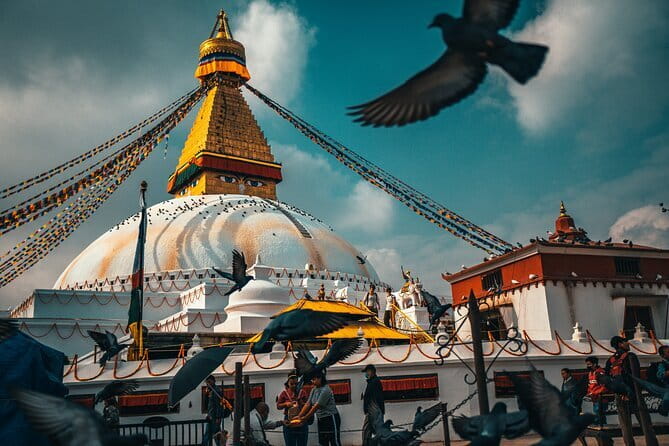
On Day 6, you trek from Sinuwa to Deurali for about 5–6 hours. The trail ascends steadily through forest and includes a crossing tied to the Khumbu Glacier area (as described in the route details). As you approach Deurali, the landscape gets more rugged.
This is where the trek begins to feel more serious. Even if you’re in good shape, rugged terrain can slow your pace and make your body work harder. The benefit is that you’re moving into a zone where the mountains feel closer and the route becomes more dramatic.
Altitude matters here even if you don’t feel it immediately. Your guide’s role—managing high-altitude conditions and acclimatization—becomes real on a day like this. Follow their pace cues and take rest stops when offered, even if you feel okay.
Day 7: Deurali to Annapurna Base Camp—Machapuchare Base Camp on the way up
Day 7 is the main push: Deurali to Annapurna Base Camp, about 6–7 hours. You pass through Machapuchare Base Camp along the route, then climb into base camp for the big moment.
This isn’t just a waypoint day. It’s the point where the trek’s payoff becomes visible. The walking up is demanding, but the reward is the sense of arrival—surrounded by the Annapurna massif and ready to soak in the atmosphere of a high-altitude base camp setting.
If you’re prone to getting emotional on big hikes, save it for after you arrive. The last stretch can be cloudy and windy, and you’ll want focus while you’re still moving. Once you stop, that’s when you can slow down, take photos, and breathe.
Day 8: Base Camp back to Sinuwa—recovering while you still enjoy the mountains
After enjoying base camp, Day 8 takes you back down to Sinuwa in about 6–7 hours. This is a classic downhill challenge: your legs work, but the muscles change. Your knees and calves feel it if you don’t pay attention to footing.
What I like about having this descent rather than a shorter “bounce back” is the mental rhythm. You can look back at the route you just walked and appreciate the progress. Your body is tired, but your mind gets a second chance to connect with the scenery.
Practical approach: walk like your shoes matter (they do), keep your steps short on steeper sections, and don’t rush. A good descent is controlled, not fast.
Day 9: Sinuwa to Jhinu, then Pokhara—hot springs after the grind
Day 9 moves from Sinuwa to Jhinu to Jhinu Hot Springs, about 5–6 hours, then drives back to Pokhara (about 1–2 hours). The hot springs are part of the plan, and they’re a smart reward after mountain days.
This day is also emotionally helpful. You get a finish-line feeling without immediately going back to city life all at once. The hot springs turn the trek from a blur into a memory you can enjoy.
If you’re planning to wear trekking boots most of the time, bring something to change into afterward and a towel if you can. Hot springs are a recovery tool, but they’re still wet and warm in a way that makes comfort matter.
Day 10: Pokhara to Kathmandu—choose your pace and keep your last energy
On the final day, you travel back to Kathmandu from Pokhara. You can take a scenic drive (about 7–8 hours) or a short flight. Once in Kathmandu, you get free time for shopping or exploring before your departure.
I like this flexibility because it respects different bodies and energy levels. If you’re ready for one last long road ride, the scenic option may feel like part of the holiday. If you’d rather get home faster, the flight saves your back and legs for the real end of the trip.
Either way, don’t plan anything intense immediately after arrival. You’ve earned a calmer afternoon.
How the Touch The Himalaya team supports you on a tough route
A big reason this trek earns strong ratings is how the operation shows up in day-to-day needs. The tour includes an English, Hindi, and Chinese government-licensed first-aid trained guide, and there’s a basic first-aid kit carried by the trekking guide. That kind of structure matters when weather shifts and routes change.
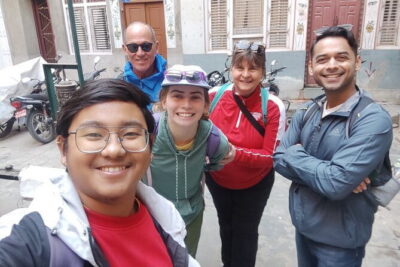
You’ll also be traveling with local expertise. The guides are native to the Annapurna region, which helps with trail knowledge and practical problem-solving—like where to slow down, when to stop, and how to keep the group moving safely.
From the way staff are described, the company also focuses on availability. Names like Mr. Madan Neupane come up as a key contact, and guides such as Rishi and Roshan Pandey are described as caring and attentive. Even if your experience differs, the overall idea is the same: you shouldn’t feel alone managing logistics at altitude.
Packing and pacing tips that match this specific trek
You’ll get better results if you pack for comfort rather than weight. The route is long enough that small upgrades matter.
Bring:
- A water bottle (and plan on staying consistent about drinking)
- Sunglasses and sun protection (Poon Hill mornings are bright)
- A way to charge your phone (charger included in your personal packing list)
- Light snacks and chocolate for energy on longer days
If you’re using the included duffel-bag system, keep your everyday items in a smaller day bag rather than shuffling everything around. The goal is to stay calm when you’re tired.
Most importantly: pace. This route has early starts and steady walking days. You’ll do best if you follow your guide’s timing, not your ego.
Who this Annapurna Base Camp trek is best for
This trip is a good fit if you want a classic Annapurna Base Camp experience with strong support. It suits people with moderate physical fitness who can handle 5–7 hour trekking days and early mornings.
You’ll also like it if you value organization. Airport pickup and drop, Kathmandu accommodation, permits and fees, guide and porter logistics, and daily meals during the trek are all handled. The private setup (only your group participates) is another reason it works well for couples, small groups of friends, and solo trekkers who want consistent attention.
If you hate early starts, this might not be the one. The trek starts with a 6:15 am meeting time, and Day 4 includes an early sunrise climb.
Should you book this Annapurna Base Camp trek?
I’d book it if your priorities are safety-focused local guidance, clean logistics, and a route that hits the Annapurna highlights without leaving you to figure everything out alone. The included permits, meals, Kathmandu stays, and guide/porter costs make it easier to budget and easier to enjoy the mountains without constant admin.
I wouldn’t book it if you’re hoping for a low-effort walk or if you’re sensitive to early mornings and long trekking days. And plan for small extras like snacks and tips, since those aren’t fully covered.
If you want a practical, well-run ABC trek with sunrise at Poon Hill, base camp time, and a real end-of-trip recovery at Jhinu hot springs, this one fits the bill.
FAQ
What is the meeting point for the trek?
The meeting point is Thamel, Kathmandu 44600, Nepal.
What time does the experience start?
Start time is 6:15 am.
Is airport pickup and drop included?
Yes. Airport pickup and drop are included, along with two nights accommodation in Kathmandu before and after the trek.
How long is the Annapurna Base Camp trek?
It’s listed as 10 days (approx.).
Are meals included during the trek?
Breakfast, lunch, and dinner during the trek are included.
Are permits and trekking fees included?
Yes. The package includes all necessary trekking permit and fees.
Is this a private trek?
Yes. It’s a private tour/activity, so only your group participates.
Can I buy meals in tea houses during the trek?
Yes. You can buy meals in the Tea Houses during the trek.
How far in advance can I cancel for a full refund?
You can cancel up to 3 days in advance of the experience for a full refund.