REVIEW · EVEREST BASE CAMP TREKS
Short Everest Base Camp Trek 10 Days
Book on Viator →Operated by Welcome Nepal Treks P.ltd · Bookable on Viator
Everest Base Camp hits fast, even on 10 days. I like that the package keeps the logistics tight: flights Kathmandu–Lukla–Kathmandu, permits, and lodge stays are all handled. You’ll also get a real guided pace with an English-speaking leader, and the highlight day is the sunrise climb to Kala Patthar (5545 m). The one thing to plan for is that this is a short trek, so the acclimatization window is tighter than on longer EBC routes.
What makes this trip feel worthwhile is how much of the classic Khumbu story you pack in—Dudh Koshi river valleys, Sherpa towns like Namche Bazaar, and the final glacial walk to Everest Base Camp. It runs with a small group (up to 15), starts early (6:15 am), and it’s built for travelers who want the big sights without stretching the vacation.
A possible drawback: meals during the trek aren’t included, so you’ll need to budget for breakfast, lunch, and dinner at tea houses. And because this is a mountain trek in Nepal, you should bring a strong fitness base and be ready for cold mornings, thinner air, and slower trekking days.
In This Review
- Key things to know before you go
- Entering Everest mode on a short 10-day timeline
- Day 1: Flying to Lukla, then easing into Phakding
- Day 2: Namche Bazaar and the Dudh Koshi corridor
- Day 3: The climb to Tyangboche’s panoramic viewpoint
- Day 4: Dingboche, rhododendron trails, and the Imja Khola bridge
- Day 5: Lobuche and the build-up toward the glacier zone
- Day 6: Gorakshep and Everest Base Camp via the Khumbu glacier
- Day 7: Kala Patthar sunrise (5545 m) and the descent to Pheriche
- Day 8: Back toward Namche via Sherpa villages
- Day 9: Lukla fly day and the final tea house night
- Day 10: Early flight back to Kathmandu and a farewell dinner
- Price and logistics: what you’re really paying for
- Your guide and group size: why it affects your safety and sanity
- Meals, porters, and the small decisions that change your comfort
- Pace and altitude reality checks (especially on a short trek)
- Should you book this Everest Base Camp trek?
- FAQ
- How long is the Short Everest Base Camp trek?
- Where does the trek start?
- Are flights included?
- What is the highest point on this itinerary?
- Are permits included in the price?
- Are meals included during the trek?
- Is a guide included?
- Can I hire a porter?
- Is travel insurance required?
- FAQ
- What’s the cancellation policy?
Key things to know before you go
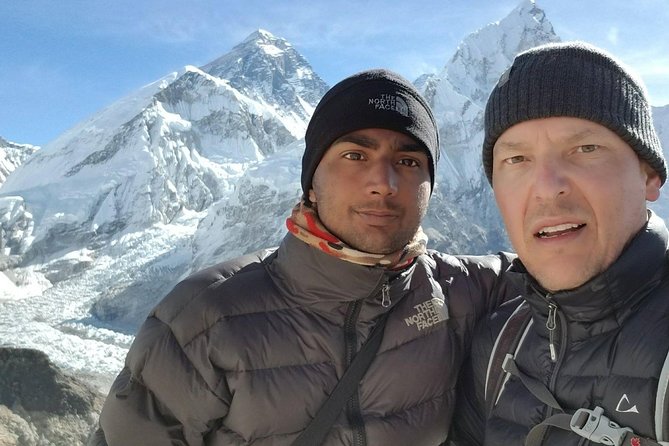
- 10 days to Everest Base Camp: fast timeline, big views, less recovery time than longer options
- Flights are included: commercial flights to Lukla, round-trip from Kathmandu with domestic airport tax
- Tea house style stays: accommodations are included, but you still pay for your own meals
- Kala Patthar is the sunrise day: a high viewpoint at 5545 m that often becomes the trip’s emotional peak
- Small group pace: max 15 travelers, with an experienced guide and optional porters at extra cost
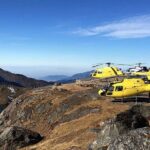
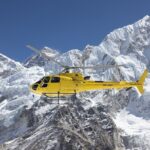
- Emergency helicopter is arranged through insurance: you must have travel insurance that covers high-altitude rescue
Entering Everest mode on a short 10-day timeline
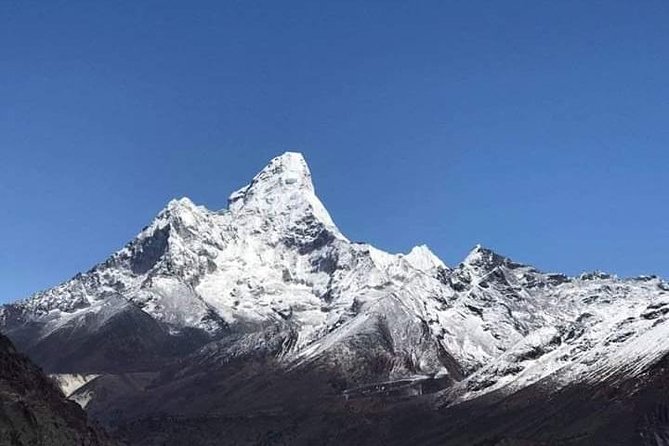
A “short Everest” trek can feel like a contradiction. The altitude doesn’t care about your calendar. Still, the schedule here makes sense for the right kind of traveler: you get the key towns, enough trekking time to acclimatize in stages, and the signature finale at Everest Base Camp and Kala Patthar without adding extra weeks.
This is also a route where a good guide matters a lot. In multiple reports, guides like Mohan, AJ, and Padam (including Padam Bahadur Bhujel) were praised for explaining the plan clearly, keeping a safety-focused pace, and helping trekkers move slowly slowly rather than rushing. That kind of coaching is exactly what you want when the air is thinner each day.
You can also read our reviews of more hiking tours in Kathmandu
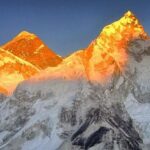
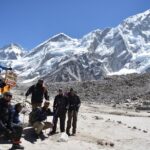
Day 1: Flying to Lukla, then easing into Phakding
Day one starts with the Lukla flight—using commercial carriers such as Tara, Summit, or Sita Air—then you begin trekking toward Phakding. The flight is short, but it matters because Lukla is the gateway to the entire Khumbu region.
After you land, you start with an easier day of walking: about 3.5 hours to reach Phakding. This stretch is your “get your bearings” day. You’re not just walking for distance; you’re also learning how your legs and breathing respond at elevation.
A practical thing to know: the trek begins early (meeting time is 6:15 am), so you’ll feel better if you’re mentally ready for an active day right away. If you tend to get groggy in the morning, set yourself up with a good night’s sleep in Kathmandu and keep expectations realistic.
Day 2: Namche Bazaar and the Dudh Koshi corridor
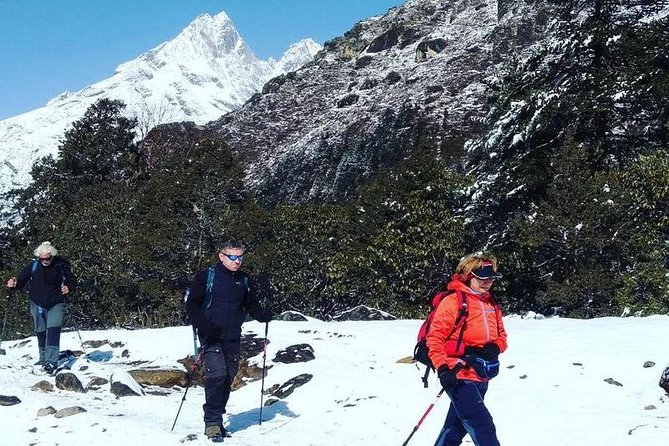
On day two you head to Namche Bazaar (3440 m), typically around 6 hours of trekking. The trail follows the right bank of the Dudh Koshi river, and you’ll see major peaks across the valley as you climb.
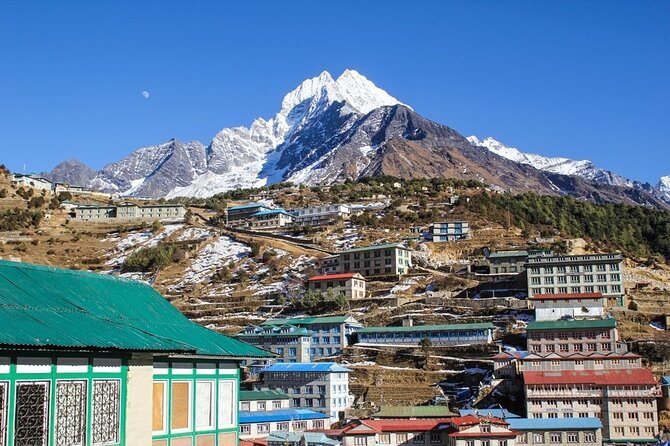
Namche is one of those places where the trekking feels like a journey, not just exercise. It’s a hub for Sherpa communities, trekking logistics, and acclimatization culture. You’ll get a taste of everyday mountain life, not just postcard views.
A small drawback: Namche sits at a height where you can feel the altitude quickly. Your best move is simple—don’t turn it into a speed contest. In a guided group, you’ll usually be able to keep the pace sensible, and that is a big reason people rate the operator highly.
Day 3: The climb to Tyangboche’s panoramic viewpoint
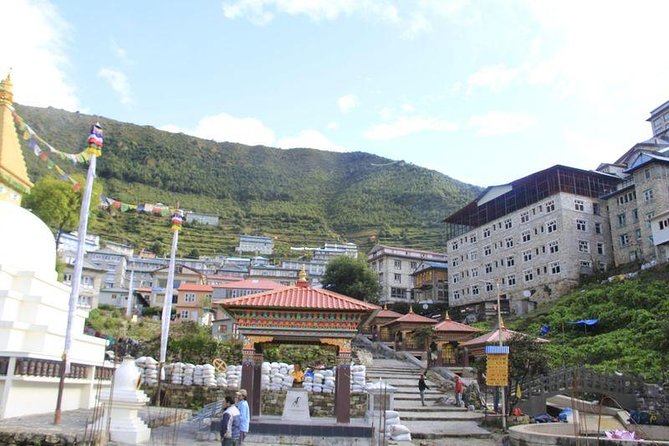
Day three takes you toward Tyangboche (3867 m), about 5 hours. The route has a dramatic feel as the trail heads through sections with steep drop-offs toward Dudh Koshi, while you look across at big Himalayan massifs.
Tyangboche is known for its viewpoint energy. The itinerary explicitly calls out broad panorama moments, and that’s exactly why people remember this day. It can feel like the trek turns a corner here—less village-in-a-valley, more wide-open mountain theatre.
Consideration: mornings and evenings can be colder higher up, and the emotional high can also make you forget to take it easy. If you’re the type who gets excited and speeds up, your guide’s job is to slow you down for safety. In the feedback you’ll see this theme: leaders prioritize steady pacing and health checks.
Day 4: Dingboche, rhododendron trails, and the Imja Khola bridge
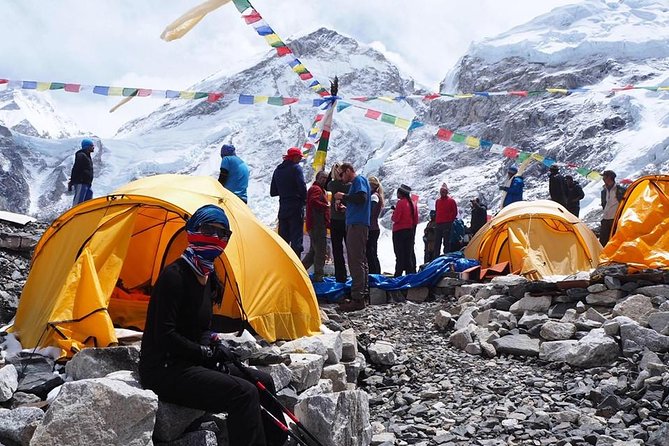
Day four moves from Tyangboche to Dingboche (4260 m) in about 5 hours. The trekking passes through rhododendron forest and includes a suspension bridge crossing at Imja Khola.
That bridge moment is more than scenery. It’s a reminder that this trek is “real infrastructure” in a mountain environment. Your footing and balance matter, especially when you’re tired.
Dingboche is a key acclimatization stop in many EBC itineraries, and even on a short schedule it helps you break the elevation into manageable steps. You’re not just pushing upward; you’re giving your body time to adjust.
Day 5: Lobuche and the build-up toward the glacier zone
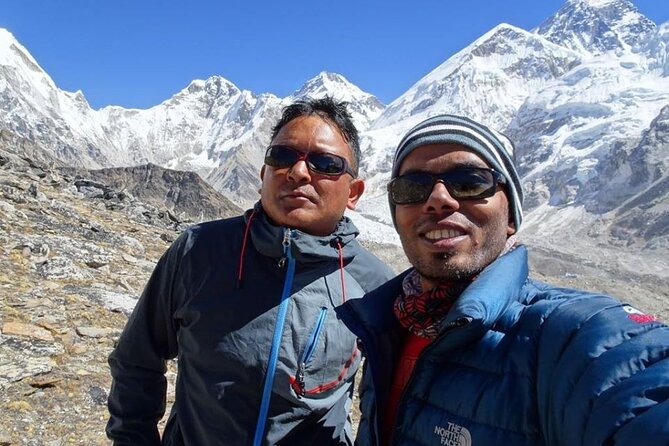
Day five takes you to Lobuche, about 5.5 hours. The route is described as gentle up to Pheriche village, which helps you avoid a too-steep jump on the way to the higher, harsher terrain.
Lobuche is where the trek starts feeling more rugged. The trail environment begins to shift toward the “approaching the glacier” mindset. If you’ve been thinking that this is all gentle tea houses and village steps, this day adjusts your expectations.
Also, because meals aren’t included, you’ll want to plan for how you’ll keep energy up. Tea house options typically vary, but your guide can usually help you choose sensible food for climbing days.
Day 6: Gorakshep and Everest Base Camp via the Khumbu glacier
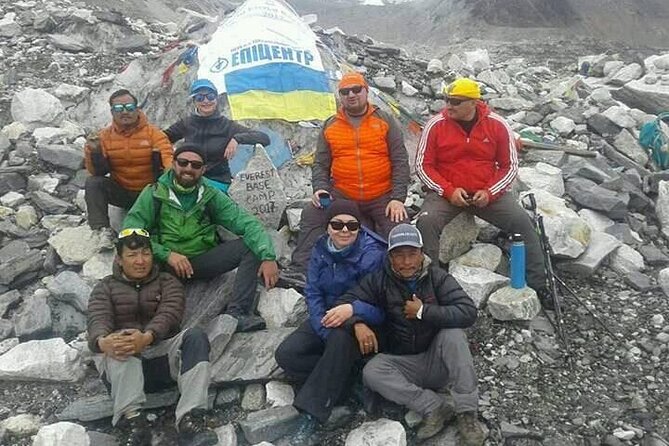
This is the big day: from Lobuche you trek to Gorakshep, then continue toward Everest Base Camp. The itinerary notes an 8-hour day and highlights the route as rocky with sections through the Khumbu glacier, plus glacier views and classic surrounding peaks like Nuptse.
This is the day where the trek stops being “the idea of Everest” and becomes “the ground under Everest.” You’ll feel it in your legs, in the colder air, and in how your attention locks onto the horizon.
One drawback to plan for: long walking days with late-day cold can be draining, especially on a 10-day schedule. You’ll get the best result if you keep your pace steady and don’t treat this like a casual hike.
Value note: accommodations are included on the trek, which matters here because Gorakshep and Base Camp areas are not places you want to be figuring out logistics.
Day 7: Kala Patthar sunrise (5545 m) and the descent to Pheriche
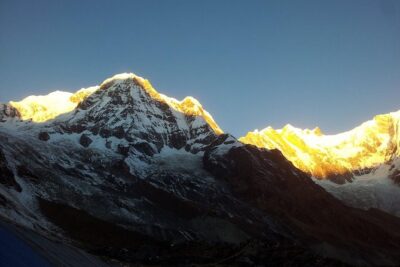
Day seven is a two-part day. Early on, you climb to Kala Patthar (5545 m) for sunrise views, then later trek to Pheriche (4243 m). The itinerary lists 7 hours total for the day and points to wide visibility of Mount Everest, Mount Pumori, and other Himalayan giants from the higher vantage point.
Kala Patthar is the emotional payoff many people chase. Even if you love Everest Base Camp, Kala Patthar can feel more intense because you’re looking over a wide area with more “shape” in the mountains.
Practical consideration: this is high. The “short” trek doesn’t remove the fact that you’ll be working near your personal altitude limit. If you’ve ever had altitude issues before, tell your guide early. The guides in the feedback (including Padam’s approach of careful pacing) are often praised for managing trekkers who need time to adjust.
Day 8: Back toward Namche via Sherpa villages
Day eight heads back toward Namche Bazaar (3440 m), and the itinerary mentions a stop through traditional villages such as Khumjung and Khunde. This is about shifting from high-exertion days back toward a more human, village rhythm—while still walking.
It usually takes about 4.5 hours to reach Namche from Tyangboche per the route description, but the key idea for you is that today balances views with recovery. Namche also gives you access to basic trekking comforts and a chance to slow down after the Kala Patthar high.
If you’re traveling with a group, this is a good day to do small things: re-check your gear, sort out blister care, and eat like you actually want to climb tomorrow.
Day 9: Lukla fly day and the final tea house night
Day nine is a trek back to Lukla from Namche, about 7 hours, with lunch served on the way. Then you arrive, refresh, and overnight at a tea house lodge.
This day is where the trek becomes a logistics test. You’re tired, you might have minor aches, and you may feel like you want to sprint to the finish. Don’t. The Lukla return is long enough that steadiness still beats pushing.
A nice thing about finishing in Lukla is mental closure. Even if sunrise days stole the show, the trek ending means you can finally breathe out and accept the mountain is done for this trip.
Day 10: Early flight back to Kathmandu and a farewell dinner
On day ten you take an early flight from Lukla to Kathmandu, arriving at TIA. Representatives meet you, you transfer to your hotel, and there’s a farewell dinner served in a Bhojan Griha setting.
This is a gentle landing back into city life. You’ll likely feel a mix of relief and sadness—because if you connected with the mountains, it’s hard to switch off right away.
For your planning: if you can, schedule a low-stress evening in Kathmandu after you return. You’ll want time for showering, laundry, and sorting your photos before you jump into the next part of Nepal.
Price and logistics: what you’re really paying for
The price is $1,400 per person for a roughly 10-day trek. On paper, it’s a simple number. In practice, value depends on what’s covered and what isn’t.
Here’s what your package includes:
- Flights (Kathmandu–Lukla–Kathmandu) with domestic airport tax
- Private vehicle transfers for domestic legs and airport pickup
- Lodges / tea house accommodations during the trek
- All trekking permits and government taxes/service charges
- One English-speaking trekking guide, including expenses, food, drinks, and accommodation
- An arrangement for emergency helicopter service, but it’s paid by your travel insurance company
And here’s what you should budget separately:
- Meals during the trek (breakfast, lunch, and dinner are not included as standard)
- Porters (available at extra cost; noted as 1 porter for 2 people)
- Travel insurance that covers emergency high-altitude rescue and evacuation
- Personal expenses, plus tips for the guide and porter
So is it good value? Usually, yes, if you want a tidy, guided experience where you don’t negotiate permits, lodge beds, or flight timing yourself. If you already plan to carry everything and organize flights and permits, then the value calculus changes. But most people doing Everest Base Camp want the stress removed, and that’s what this package targets.
Your guide and group size: why it affects your safety and sanity
This trek runs with a maximum of 15 travelers. That size usually keeps things manageable: you’re not stuck in a massive crowd, and your guide can still watch pacing and breathing.
The reviews point to a clear pattern: guides like Mohan, AJ, and Padam are praised for being patient, flexible, and focused on safety. One of the best signals is the consistency in the way day planning is handled—there’s mention that the guide explains the day plan in the evenings, which helps you wake up with clarity instead of confusion.
Some reports also mention the operator loaning gear without charge. That’s not something you should assume for your trip, but it’s a good sign that they may try to help when equipment issues pop up.
Meals, porters, and the small decisions that change your comfort
Because meals are not included, you’ll likely be buying your daily food at tea houses. That means you’ll want to:
- stick to simple, warm meals that don’t upset your stomach
- drink enough fluids even when you’re not thirsty
- keep snacks handy for waiting moments (especially around acclimatization stops)
Porters are optional and cost extra. If you’re carrying a heavy pack, your legs pay the bill at elevation. If you can afford it, a porter can turn the trek into a cleaner experience. If you’d rather keep independence, that’s also fine, but pack smart because this is still a long walk.
Pace and altitude reality checks (especially on a short trek)
A short Everest Base Camp trek is still a serious high-altitude trek. The itinerary shows high points early in the EBC build-up, including Gorakshep at 5140 m and the big climb to Kala Patthar at 5545 m.
Your job is not to prove toughness. Your job is to arrive at Everest Base Camp and still feel okay the next morning for Kala Patthar. A good guide helps you do that with pacing and health advice, which is exactly what you see in the feedback about patience and careful movement.
If you’ve had altitude headaches, nausea, or breathing issues before, tell your guide upfront and be ready for a slower rhythm than you might expect. The whole route benefits from “steady wins,” not heroic speed.
Should you book this Everest Base Camp trek?
You should book this trek if you:
- want Everest Base Camp in 10 days with a guided plan
- prefer having flights, permits, and lodge stays handled
- like the idea of a small group and a guide who explains the daily rhythm
- can budget for meals and are comfortable arranging your own travel insurance for high-altitude rescue coverage
You might skip it (or consider a longer itinerary) if you:
- need more time for acclimatization before pushing to the highest viewpoints
- want a fully meal-included package price
- don’t have strong fitness or aren’t comfortable with cold, thin-air mornings
If you’re choosing between a short EBC and a longer one, think about your body and your goals. If your goal is seeing Everest Base Camp and getting to Kala Patthar, this trip is built for that. Just treat the mountain with respect, and you’ll get the payoff without the scramble.
FAQ
How long is the Short Everest Base Camp trek?
The trek is listed as 10 days (approx.).
Where does the trek start?
It starts in Kathmandu, Nepal, with domestic transfers and an early schedule (meeting time 6:15 am).
Are flights included?
Yes. The package includes flight fare (Kathmandu–Lukla–Kathmandu) and domestic airport tax.
What is the highest point on this itinerary?
The itinerary includes a climb to Kala Patthar (5545 m).
Are permits included in the price?
Yes. All necessary trekking permits are included, along with government taxes and official charges.
Are meals included during the trek?
No. Standard meals (breakfast, lunch, and dinner) during the trek are not included.
Is a guide included?
Yes. You get one experienced, English-speaking trekking guide, and the guide’s expenses are included.
Can I hire a porter?
Porters are available at an extra cost. The note provided is 1 porter for 2 people.
Is travel insurance required?
Travel insurance is not listed as included. The itinerary also notes emergency helicopter service arrangement will be paid by your travel insurance company, and it specifically says insurance covering emergency high-altitude rescue and evacuation is not included.
FAQ
What’s the cancellation policy?
The experience has free cancellation. You can cancel up to 24 hours in advance for a full refund, and cancellations within 24 hours are not refunded.