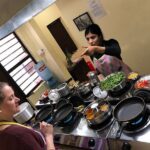
Masala chai starts the lesson right. At Namaste Cooking School in Thamel, local women guide you through a hands-on Nepali menu that’s built around real ingredients from nearby farms.
I especially love how friendly and upbeat the teaching feels, with Sabita and Sushila leading the room and making it easy to cook even if you’re traveling solo. I also love the focus on local farmers’ ingredients, because it shows in the flavor instead of feeling like a generic cooking demo.
One consideration: the class is weather-dependent, so if conditions are poor you may need to shift dates.
In This Review
- Key things to know before you go
- Thamel’s Nepali Kitchen Class, Run by Women
- Your Welcome Includes Masala Chai
- Pick One of Three Menus, Then Set Your Dietary Limits
- The Spice Lesson That Helps You Cook Like Locals
- Hands-On Cooking: You Cook, They Guide, Cleanup Stays Off Your Plate
- What Happens After You Finish Cooking (and Why the Recipe Book Helps)
- Lunch Included: Fresh Food and a Real Sense of Reward
- Group Size and English Instruction: Easy for Solo Travelers
- Price and Value: Is $30 a Fair Deal?
- Weather, Timing, and How to Plan Your Kathmandu Afternoon
- Who Should Book This Class (and Who Might Skip It)
- Should You Book Namaste Cooking School?
- FAQ
- How long is the cooking class in Kathmandu?
- What is the price per person?
- Is lunch included?
- Do they offer pickup?
- What language is the class taught in?
- Are there menu options to choose from?
- Do you get a cookbook to take home?
- What happens if weather is bad or you need to cancel?
Key things to know before you go
- Women-led cooking with a cultural vibe: the lesson is serious about food, but it stays warm and fun.
- Three menu choices: you pick your dishes first, then you cook them yourself with guidance.
- Masala chai welcome: you start with the classic Nepali hospitality drink.
- Spice focus you can reuse at home: you learn what key regional spices do and why they belong in Nepali cooking.
- Lunch included, plus a recipe book: you leave fed now and equipped for later.
- Small group size (max 16): it feels personal, not rushed.
Thamel’s Nepali Kitchen Class, Run by Women
If Kathmandu has a place for comfort-food warmth and real technique, it’s this style of cooking class in Thamel. Namaste Cooking School is positioned right in the heart of the tourist zone, so you’re not sent across town just to learn how to cook. That matters: you can fit this into a normal day of walking, temples, and café breaks.
What makes the whole thing feel different is the leadership. The class is run by women with pride in teaching Nepali culinary heritage, and the approach stays practical from the first minutes. You’re not watching someone else perform; you’re cooking along with clear instructions, in a clean, bright setting.
For me, the best sign that a class has its act together is when you feel comfortable in the kitchen quickly—and this one does that. They greet you, explain the plan, and then get you working without a lot of fuss.
You can also read our reviews of more cooking classes in Kathmandu
Your Welcome Includes Masala Chai
The first step is simple and very Kathmandu: you arrive and get a warm welcome with a traditional cup of masala chai. It’s not just a drink for the photo. In Nepal, chai is hospitality, a way to say you’re cared for before you start doing anything else.
This is a small moment, but it sets the tone. You’ll likely notice it right away if you’re a solo traveler: you’re not dropped into a cold, formal class. You’re pulled in, welcomed, and guided into the rhythm of the session.
After that, the pace stays friendly. The women leading the class keep the mood upbeat while still giving you useful cooking direction.
Pick One of Three Menus, Then Set Your Dietary Limits
Before you get into cooking, you choose from three carefully selected menus. That choice is important because Nepali cuisine can range from mild to spicy, and preferences vary a lot. Having multiple menus means you’re more likely to cook something you actually want to eat.
They also ask about dietary restrictions and allergies before cooking begins. That’s not fluff. When someone takes allergies seriously early on, it reduces stress later when you’re handling ingredients in the middle of a busy kitchen flow.
This is also where you should decide your expectations. If you want a hands-on class, you’ll be happy here. If you were hoping for a mostly observing experience, you’ll still be part of the cooking process, since the lesson is designed around doing the work yourself.
The Spice Lesson That Helps You Cook Like Locals
Next comes a regional spice introduction—one of those parts that sounds like a theory segment until you realize it changes how you cook everything after. You learn about the spices that are integral to Nepali cooking and how they shape flavor.
Why that matters for you: once you understand the job of the spice, you stop guessing at home. You can also make smarter substitutions if you can’t find every ingredient in your home country. Even if the exact spice brand changes, the flavor logic remains.
This part also helps the cooking stage go smoother. Instead of feeling like you’re dumping ingredients blindly into a pot, you get context. You can connect what you smell and taste to the choices you made.
Hands-On Cooking: You Cook, They Guide, Cleanup Stays Off Your Plate
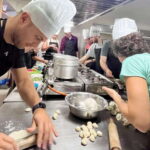
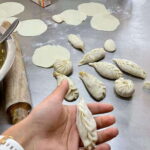
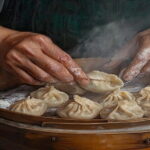
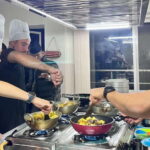
The core experience is hands-on cooking, with guidance at each stage. You’ll be actively involved, not just standing by. That said, you’re not thrown into chaos either—instructions are given step by step.
A standout detail from the experience is the comfort factor. Many classes make you cook and then leave you with the kitchen mess afterward. Here, the session is run so that cleanup isn’t your responsibility. In one account, the teacher team handled the cleanup so the participant didn’t have to deal with it.
That’s a big deal if you’re on vacation and you’d rather spend your energy learning and eating than scrubbing pots.
You’ll also likely notice the teaching style stays upbeat. The women leading the class are described as joyful and attentive, and the whole session tends to feel relaxed rather than rigid.
You can also read our reviews of more tours and experiences in Kathmandu
What Happens After You Finish Cooking (and Why the Recipe Book Helps)
Once the meal is done, you don’t just walk out with food in your stomach. You receive a Namaste Cooking School recipe book as a keepsake and a resource for recreating what you cooked at home.
That recipe book adds real value because it turns your memory into repeatable skill. The best souvenirs are the ones that get used, and this is designed for that purpose. You’ll remember the taste longer when you have the method in front of you.
If you like cooking, it also gives you a reference point for spice combinations and technique. Even if you don’t cook every week, having a guide means you can recreate the same flavors instead of trying to remember everything from scratch.
Lunch Included: Fresh Food and a Real Sense of Reward
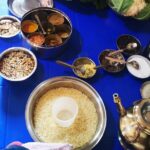
The class includes lunch, and you get to eat what you cooked. That’s not only convenient, it also makes the whole session feel satisfying in a way that restaurant meals don’t.
A good cooking class ends with a payoff: the food should taste like it belongs in Nepal, not like a generic international dish. Accounts of the experience emphasize that the food is fresh and delicious, and that you won’t leave hungry.
And there’s a social element too. Some participants describe laughter, sharing stories, and even dancing and singing during the experience. That’s not the main reason to book the class, but it does change the vibe from structured to genuinely human.
Group Size and English Instruction: Easy for Solo Travelers
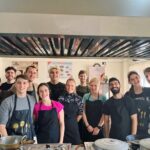
This is capped at 16 travelers, which keeps it manageable and helps ensure you actually get attention while cooking. Smaller groups usually mean fewer long waiting gaps and more time for questions.
The class offers English, which is exactly what you want if you’re not fluent in Nepali. Also, if you’re the type who enjoys language exchange, you might find the experience naturally encourages it. One participant noted working on English while learning some Nepali words, so the class can feel like a cultural swap, not just a cooking lesson.
If you’re a solo traveler, this type of class is often one of the easiest ways to meet people in Kathmandu. You’re doing something together, asking questions together, and eating together. It’s not awkward, because the activities fill the gaps.
Price and Value: Is $30 a Fair Deal?
At $30 per person, this is priced like a practical half-day activity rather than a luxury workshop. The value comes from several things working together:
- You get lunch included, so you’re not paying separately for a meal.
- You cook yourself with guidance, which is more memorable than a meal you only observe.
- You take home a recipe book, which extends the benefit beyond your time in Kathmandu.
- The class is women-led, with local ingredient sourcing, so it isn’t just a generic cooking show.
Could it feel pricey compared to cooking at home? Sure. But in Kathmandu, you’re paying for ingredients, instruction, and the cultural experience of learning Nepali flavors the way local cooks pass them along.
If you want an afternoon plan that turns knowledge into something you can actually taste and reproduce, this is a strong use of budget.
Weather, Timing, and How to Plan Your Kathmandu Afternoon
This is an approximately 4-hour experience, so you can treat it like a half-day anchor. It’s also described as being near public transportation, which gives you flexibility if you’re not staying exactly next to Thamel.
Just remember the big planning factor: it requires good weather. If conditions are poor, you may be offered another date or a refund. That means you’ll want to book it on a day where you still have some breathing room in your schedule.
As for where you start, the start point is listed at Tribhuvan Airport in Kathmandu, and the experience ends back at the meeting point. Pickup is offered, and you’ll get confirmation at booking time. In other words: plan to follow the directions you receive, so you don’t waste time trying to guess the exact pickup flow.
Who Should Book This Class (and Who Might Skip It)
You should book this if you want a hands-on way to understand Nepali food beyond what you can order in a restaurant. It’s especially good for people who like structured cooking classes, people who enjoy spices, and anyone who wants to bring something home besides photos.
It’s also ideal if you enjoy meeting local hosts in a small setting. The teaching team is described as cheerful and welcoming, and the energy is part of why people recommend it.
You might skip it if:
- you dislike cooking or prefer an observation-only experience,
- you’re traveling only with one tight schedule slot and can’t handle a possible weather-related shift,
- you want a very specific cuisine focus not covered by the menu choices.
Should You Book Namaste Cooking School?
In my view, this is an easy yes for most food-focused visitors to Kathmandu. The combination of women-led teaching, practical hands-on cooking, chai hospitality, and a take-home recipe book hits the sweet spot between culture and useful skill.
If you have a spare afternoon, it’s a great use of time, and it’s well matched to the value you get for the price. Just book it with a weather-aware mindset and follow the confirmation details so the pickup and timing feel smooth.
FAQ
How long is the cooking class in Kathmandu?
The class lasts about 4 hours (approximately).
What is the price per person?
The price is $30.00 per person.
Is lunch included?
Yes. Lunch is included with the experience.
Do they offer pickup?
Pickup is offered. The activity also starts at Tribhuvan Airport and ends back at the meeting point.
What language is the class taught in?
The class is offered in English.
Are there menu options to choose from?
Yes. You choose from three carefully curated menus.
Do you get a cookbook to take home?
Yes. You receive a Namaste Cooking School Recipe Book at the end of the course.
What happens if weather is bad or you need to cancel?
The experience requires good weather. If it’s canceled due to poor weather, you’ll be offered a different date or a full refund. You can cancel for a full refund up to 24 hours in advance, and confirmation is received at booking time.