REVIEW · ANNAPURNA BASE CAMP TREKS
11-Day Hike Tour to Annapurna Base Camp Bliss in Kathmandu
Book on Viator →Operated by Himalayan Vista Trekking Pvt. Ltd. · Bookable on Viator
Himalayas are quieter when you earn the view. This 11-day Annapurna Base Camp hike uses a Kathmandu-to-Pokhara setup, then strings together classic trekking days: suspension-bridge crossings, Poon Hill sunrise viewpoints, and a final push to a base camp at 4,130 meters. I love how the route is built around major viewpoint moments, and I also like the way the experience is guided with real day-to-day care—people in past groups named guides like Raju, Bishal, and Ramji for planning and keeping everyone steady on the trail.
One thing to think about first: this trip is weather-dependent. If conditions are poor, the organizer may switch dates or offer a full refund, so you’ll want a bit of flexibility—and you should be ready for cold mornings and long hiking days.
In This Review
- Key things that make this trek worth your time
- Entering Kathmandu mode: meeting points, the first night, and why it matters
- What you’re really paying for: $1,300 and where the value shows up
- Kathmandu to Pokhara: setting your body up for the trek
- Naya Pul, Tikhedhunga, and the Ulleri stair test
- Poon Hill views, rhododendron trail time, and Tadapani night vibes
- Chhomrong and cultural walking days (plus those Annapurna mirror views)
- Deurali day: rhododendron forests and Modi Khola pacing
- The approach to the base-camp amphitheater: Machhapuchare area and big-peak days
- Annapurna Base Camp sunrise day and the long descent to Sinuwa
- Jhinu Danda hot spring: the steep pay-off day
- Pokhara recovery: Devi’s Fall, Peace Stupa, and Phewa Lake
- Back to Kathmandu: Thamel and Ason shopping time
- The weather reality: when good plans meet mountain conditions
- Should you book this Annapurna Base Camp trek?
- FAQ
- Where does the trek start?
- What’s the trip duration and starting timing?
- What does the tour cost?
- Do I get help getting to and from Kathmandu?
- Is this a private tour?
- What meals are included?
- What’s the altitude of Annapurna Base Camp?
- Do I need a trekking stick?
- What happens if the weather is poor?
Key things that make this trek worth your time
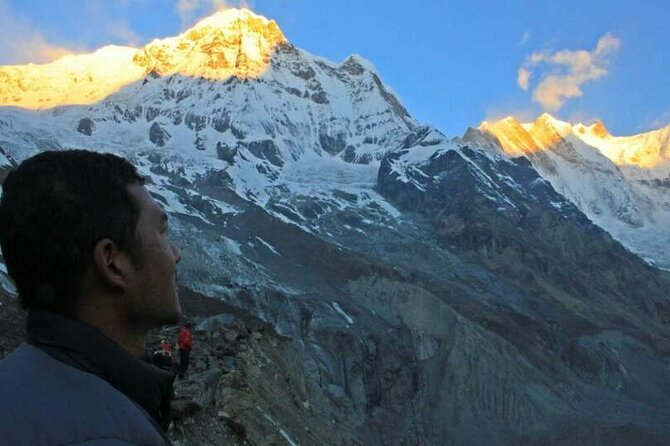
- Annapurna Base Camp at 4,130 meters, with the big “amphitheater of peaks” feeling
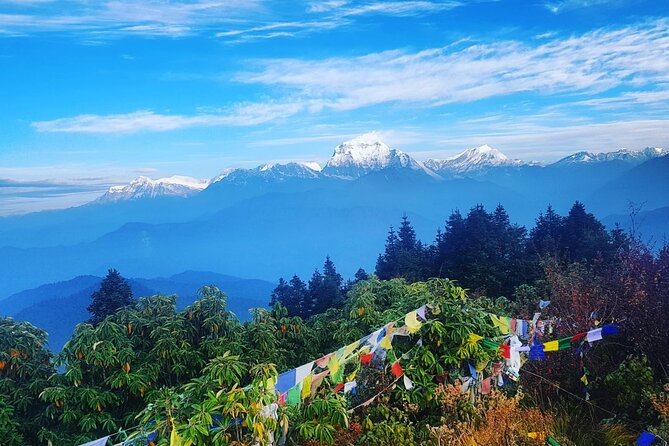
- Poon Hill sunrise and iconic mountain sighting early in the trek
- Support from guides and porters, including multiple named examples from past trekkers
- Jhinu Danda hot spring payoff after a steep descent day
- Meals included for most trek days (breakfast 11, lunch 11, dinner 10)
- Private tour structure, so it’s not a cattle-car group shuffle
Entering Kathmandu mode: meeting points, the first night, and why it matters
The trip starts in Thamel (Kathmandu). Your team meets you at Tribhuvan International Airport on your arrival date and time, then transfers you to a hotel by private vehicle. This matters more than it sounds. After a flight, you don’t want to spend your first evening figuring out transport or timing—especially before a domestic hop to the mountains.
Because this is listed as a private tour/activity (only your group), you’re also less likely to feel stretched thin by awkward coordination. Private doesn’t mean fancy; it just means the schedule is less chaotic.
There’s a practical note on timing too: the listing shows a late-evening opening window on Mondays (6:15 PM–10:45 PM). So when you’re lining up your travel, assume your “day one” rhythm may start after you’ve already arrived in Kathmandu, not at sunrise.
You can also read our reviews of more hiking tours in Kathmandu
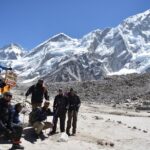
What you’re really paying for: $1,300 and where the value shows up
$1,300 per person isn’t cheap, but it’s not random. The value shows up in how much is already taken care of during the hard parts:
- Meals are included: breakfast for 11 days, lunch for 11 days, and dinner for 10 days. That’s a real savings when you’re trekking in tea houses.
- The program’s schedule includes Kathmandu ↔ Pokhara movement as well as trekking days with defined stop points and hiking durations.
- The experience is built around a guide team. In the feedback, people specifically called out guides like Raju (with porter Sandesh), Bishal, and Ramji (with porter Ishor). That kind of support can make the difference between finishing comfortably and feeling stressed.
The one cost you should expect outside the package: a trekking stick is suggested but not compulsory. You can find one around Thamel for about $3–$20.
If you’re budgeting, treat this as paying for reduced friction: fewer decisions, fewer logistics headaches, and more consistent help on altitude, pacing, and trail timing.
Kathmandu to Pokhara: setting your body up for the trek
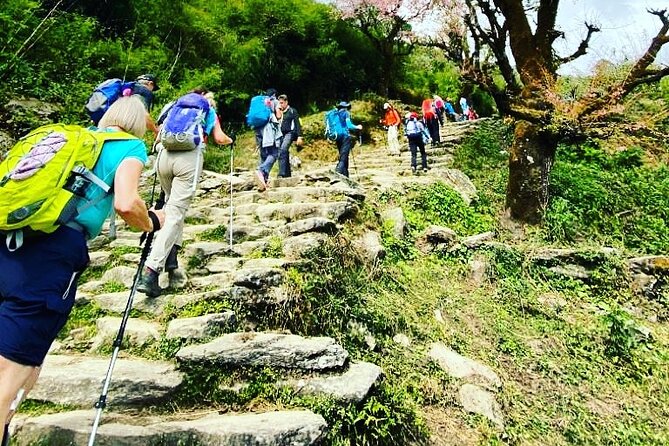
Day 2 is a key transition day. You fly from Kathmandu to Pokhara (with breakfast either on the way or at your hotel depending on flight timing), then the trek begins with movement toward the trail route. This part is valuable because it shrinks the “city time” and gets you closer to where your hiking days start feeling real.
Pokhara also gives you a softer landing. It’s not the Himalayas yet, but you’re already in the right region mentally: mountains are now part of your daily background.
A small word to the wise: if you arrive early enough, use the morning to eat properly and get your gear sorted. If you don’t, don’t try to sprint through packing. You’re saving energy for stair climbs and steep trail sections that come later.
Naya Pul, Tikhedhunga, and the Ulleri stair test
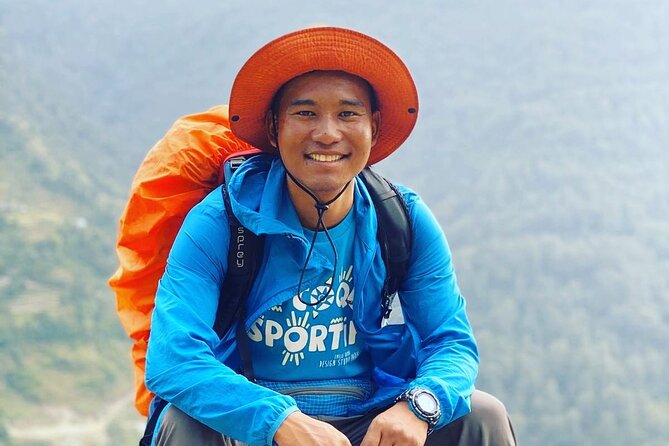
The trek day progression becomes clearer once you reach the first major trail segment around Naya Pul and Tikhedhunga. Tikhedhunga is a small village area in the Annapurna Conservation Area and a common starting point for trekking routes. Naya Pul is another familiar trailhead zone in Kaski District.
From there, the trail starts doing what this trek is famous for: real effort fast. On Day 3, you cross a suspension bridge over the Tikhedhunga stream, then climb toward Ulleri.
Here’s the moment you should mentally prepare for: you’ll tackle around 3,300 stone stairs toward Ulleri (listed at 2,080 m). Even if you’re fit, that kind of stair volume taxes your legs in a different way than flat walking.
Why this is worth doing with a guided setup: guides can pace you so you don’t burn matches on day one. In the feedback, multiple trekkers praised encouragement and patience, which matters most during climbs like this—when your body wants to complain loudly and your head needs a plan.
Poon Hill views, rhododendron trail time, and Tadapani night vibes
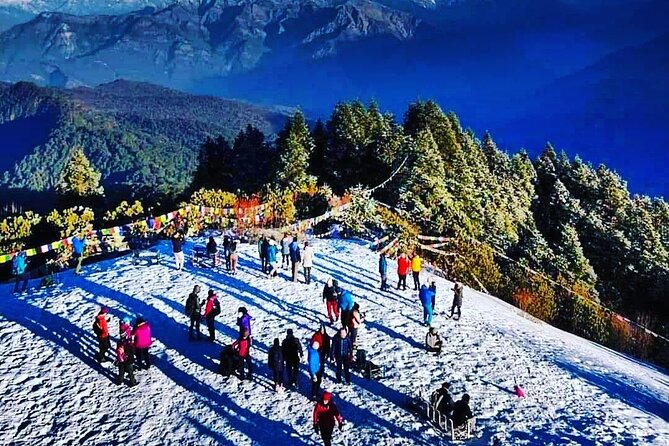
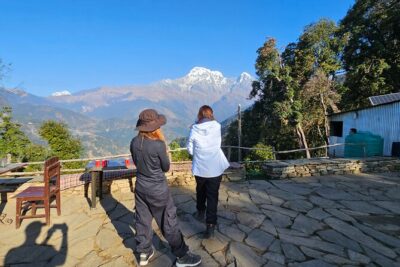
Day 4 is where the trek turns from effort to payoff. You hike up to Poon Hill for a top view moment featuring Mt. Annapurna and Fishtail. Then you descend to Ghorepani for breakfast and continue toward Tadapani, crossing rhododendrons and moving into more alpine-feeling walking.
Tadapani sits at about 2,590 m. That altitude alone doesn’t sound dramatic until you’ve been walking for days. The air gets cooler. Even if the sky is clear, you start feeling the mountain’s temperature shift.
One thing I like about this part of the route is how it balances big views with a normal trekking day. You’re not just climbing for one photo; you’re moving through a corridor of forest and seasonal plant life, then landing in a place where you can rest without feeling like you’re racing the clock.
Chhomrong and cultural walking days (plus those Annapurna mirror views)
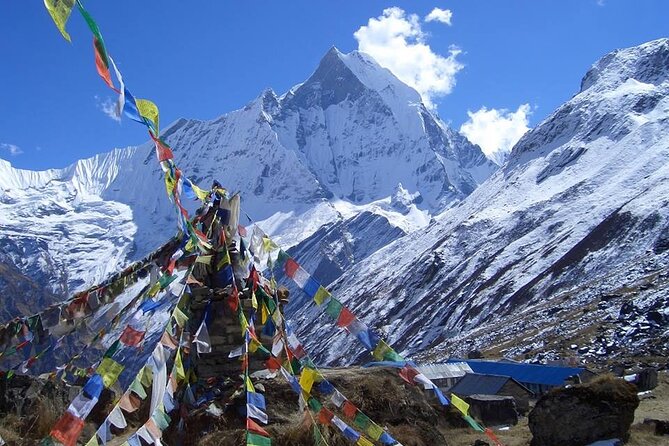
Day 5 introduces a different rhythm: descent and cultural context. You move down toward the Chhomrong area, and the description highlights the Gurung ethnic group culture there. Chhomrong is a popular village stop in the Annapurna Conservation Area and often acts like a “big landmark” on the ABC route.
You’ll also pass through areas where the mountains can look unusually close. The trail description calls out mirror-face views of Mt. Annapurna South and Hiunchuli from the Chhomrong area. Even if clouds come and go, the act of looking for those clear moments is part of the trek’s daily routine.
The practical takeaway for you: don’t plan on perfect weather. Instead, plan on walking, resting, eating, and watching the sky. On days like this, good light can be a bonus, not the main goal.
Deurali day: rhododendron forests and Modi Khola pacing
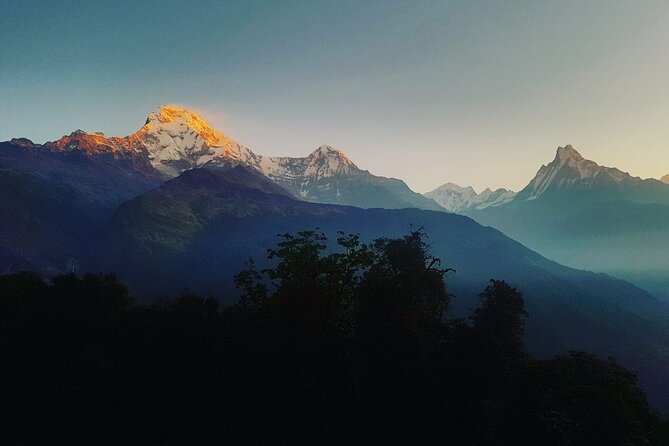
Day 6 is a long day by trekking standards (listed around 12 hours). After breakfast, you trek up to Deurali, moving through rocky trail sections in dense rhododendron forests alongside the Modi Khola.
This is a day where your effort matters more than your ability to “see everything.” When trails turn into forests and stone sections, the view may shrink, but your body is still working—so pacing is everything.
If you’re the type who gets frustrated when the scenery is blocked by trees, this is a good day to practice a different mindset. Focus on footwork, breathing, and steady speed. You’ll be glad you did when the trail opens up again later.
The approach to the base-camp amphitheater: Machhapuchare area and big-peak days
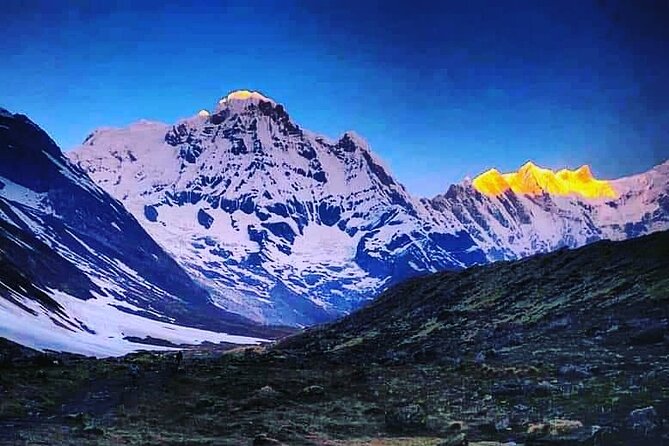
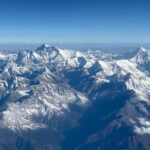
Day 7 is the “mountain eye-candy” day. The trek description emphasizes close encounters with a set of famous peaks in view: Mount Fishtail (6,993 m), Mount Annapurna III (7,555 m), Mount Gangapurna (7,455 m), and Annapurna I (8,091 m). It also mentions heading toward the Machhapuchre base camp area, then continuing toward the Annapurna Base Camp trek segment.
This is the day many hikers remember because it feels like the mountains stop being background and start becoming the entire room you’re in.
A small caution: with these peak names in sight, it’s tempting to push harder for faster gratification. But altitude changes are real. Even though the listing doesn’t provide a full day-by-day altitude chart, the base camp is high enough (4,130 m) that your best strategy is steady breathing and conservative speed. The feedback you have from past groups keeps circling back to patient guidance and care—exactly what you want on the approach day.
Annapurna Base Camp sunrise day and the long descent to Sinuwa
Day 8 starts early. You wake up to walk around the cliff of base camp for sunrise over Mt. Annapurna, then return for breakfast. After that, you hike down to Sinuwa, where there are tea houses for resting.
This sunrise routine is a huge reason this trek is popular. It’s also why you should plan your sleep like a pro. You may not get a full night’s rest in cold conditions, and you’ll feel it if you’re running on fumes.
Once you reach Sinuwa, you’re shifting from high-altitude intensity to recovery mode. This is a good point in the trek to think about your recovery habits: hydrate, eat what you can, and treat the rest of the descent like part of the accomplishment, not just the time before you stop.
Jhinu Danda hot spring: the steep pay-off day
Day 9 is the day with the emotional carrot: Jhinu Danda and its natural hot spring. The trail follows the same route back until Chhomrong, then the descent becomes very steep, heading for Jhinu hot spring.
Your reward here is explicit: you can take a bath in the natural hot spring. It’s listed as included with breakfast, lunch, and dinner for that day.
The honest angle: steep descents can be hard on knees and ankles. Hot spring time doesn’t cancel trail damage, but it can make you feel human again. If you’re nervous about your downhill legs, prioritize slow steps and short strides. You’ll get down. You don’t have to speed-run gravity.
Pokhara recovery: Devi’s Fall, Peace Stupa, and Phewa Lake
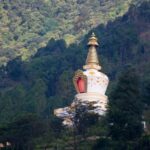
On Day 10, you move back toward Pokhara. After walking a bit and driving to Pokhara, you get sightseeing time: Devi’s Fall, Peace Stupa, and boating on Phewa Lake, plus time to experience the lakeside nightlife.
This is more than entertainment. It’s your mental reset. You’ve spent days focused on the trail. Now you can shift to normal-life sights and take photos without checking the sky every ten minutes.
If you want a useful approach, keep your plans light. You’ve just finished one of Nepal’s most famous treks, and your body needs a softer day than a full marathon of sightseeing.
Back to Kathmandu: Thamel and Ason shopping time
Day 11 brings you back to Kathmandu via domestic flight from Pokhara. Then you have time to hang around local markets like Ason and Thamel for shopping.
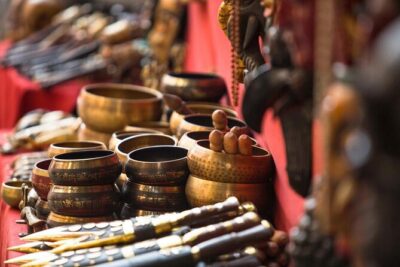
This matters because it’s how you turn the trek into a real travel memory. You don’t just arrive and leave—you get a day of local life. Pick up practical souvenirs: trekking gear basics, warm layers if you’ll return to cold climates, and small gifts you can actually carry without regret.
The weather reality: when good plans meet mountain conditions
The listing is clear that this experience requires good weather. If it’s canceled due to poor weather, you should be offered a different date or a full refund.
So how do you work with that? Keep your schedule flexible if you can, and pack for cold and wind. Even when the days are clear, nights can feel sharp at trekking altitude.
Also, treat the sunrise viewpoint days as weather-dependent. If the sky is cloudy, it’s still a rewarding trek—you’ll just enjoy different kinds of mountain scenes.
Should you book this Annapurna Base Camp trek?
I’d book it if you want a classic Annapurna Base Camp route with built-in viewpoint moments like Poon Hill, a real target day at base camp, and a memorable recovery stop at Jhinu hot spring. It also looks like a strong match if you want a guided experience with patient care—past trekkers specifically praised named guides (Raju, Bishal, Ramji) and porters for keeping things organized and supportive.
I’d think twice if you get stressed when plans shift due to weather, since the schedule depends on conditions. And if your knees are fragile, plan to take the steep descent days seriously, with slow foot placement and time for hot-spring recovery.
If you’re a moderate hiker with good motivation—and you like your travel with clear goals and real walking days—this is a solid value way to reach Annapurna Base Camp without having to manage every detail yourself.
FAQ
Where does the trek start?
The meeting point is in Thamel, Kathmandu (44600), Nepal, and the activity ends back at the same meeting point.
What’s the trip duration and starting timing?
It runs for about 11 days. The listing shows Monday start hours from 6:15 PM to 10:45 PM.
What does the tour cost?
The price is $1,300.00 per person.
Do I get help getting to and from Kathmandu?
Yes. Pickup is offered, and your team meets you at Tribhuvan International Airport in Kathmandu, then transfers you to your hotel by private vehicle.
Is this a private tour?
Yes. It’s listed as a private tour/activity, meaning only your group participates.
What meals are included?
Breakfast is included for 11 days, lunch for 11 days, and dinner for 10 days.
What’s the altitude of Annapurna Base Camp?
Annapurna Base Camp is at an altitude of 4,130 meters.
Do I need a trekking stick?
You may need one, but it’s not compulsory. You can find one around Thamel for about $3–$20.
What happens if the weather is poor?
The experience requires good weather. If canceled due to poor weather, you’ll be offered a different date or a full refund.