REVIEW · ANNAPURNA CIRCUIT TREKS
Annapurna Circuit Trek
Book on Viator →Operated by Adventure Bound · Bookable on Viator
Thorong La tests your lungs and patience. This guided Annapurna Circuit tour hands you a licensed guide and covers safety and logistics, so you can focus on the route, the changing terrain, and the communities you pass through.
I love that the trek is built for altitude reality, including an acclimatization day at Manang instead of rushing onward. I also like the practical value of what’s included: tea house lodging plus three standard trekking meals, along with permits such as TIMS and the Annapurna Conservation Park fee.
The trade-off is cold and altitude. One feedback note calls out nights dropping to around -20°C with strong wind (about 20 km/h), so you’ll want solid cold-weather readiness and a moderate fitness base before you go.
In This Review
- Quick hits: what makes this Annapurna Circuit tour worth your attention
- Why the Annapurna Circuit route hits so hard (in a good way)
- Price and what you’re really paying for (and what you’re not)
- Day-by-day: Kathmandu to Jagat, then up to Manang
- Day 1: Kathmandu to Jagat (via Besisahar), about 8–9 hours
- Day 2: Jagat to Dharapani, about 6–7 hours (up to 1,960m)
- Day 3: Dharapani to Chame, about 5–6 hours (to 2,710m)
- Day 4: Chame to Pisang, about 5–6 hours (to 3,300m)
- Day 5: Pisang to Manang, about 6–7 hours (to 3,540m)
- Day 6: Acclimatization day at Manang
- From Manang to the Thorong La start: Yak Kharka and Thorong Phedi
- Day 7: Manang to Yak Kharka, about 4–5 hours (to 4,120m)
- Day 8: Yak Kharka to Thorong Phedi, about 4–5 hours (to 4,450m)
- Thorong La to Muktinath, then down to Jomsom
- Day 9: Thorong Phedi to Muktinath via Thorong La, about 7–8 hours
- Day 10: Muktinath to Jomsom, about 5–6 hours (to 2,743m)
- Tatopani hot springs, Ghorepani, and the Poon Hill sunrise finish
- Day 11: Jomsom to Tatopani by drive, about 4–5 hours (to 1,290m)
- Day 12: Tatopani to Ghorepani, about 7–8 hours (to 2,750m)
- Day 13: Early hike to Poon Hill, then down to Nayapul; taxi to Pokhara, about 7–8 hours
- Day 14: Drive Pokhara to Kathmandu, about 3–4 hours (to 1,400m)
- Tea houses and meals: why included comfort changes your whole trek rhythm
- Your guide matters: names like Rabin, Santosh, Sandip, Ganesh Ji, and CK
- Weather, cold nights, and staying functional near -20°C
- Fitness reality: what the day times add up to
- Who this Annapurna Circuit trek is best for
- Should you book this Annapurna Circuit trek?
- FAQ
- Where does the Annapurna Circuit trek start and end?
- How long is the Annapurna Circuit trek?
- What’s included in the price?
- What’s not included?
- Do I need to arrange permits?
- What kind of lodging do you use on the trek?
- Are meals provided?
- Is pickup offered?
- What transportation is included between trekking areas?
- What is the cancellation policy?
Quick hits: what makes this Annapurna Circuit tour worth your attention
- Gov. licensed guide + private group so decisions and pacing don’t fall on you
- Acclimatization day in Manang before the big push higher
- Thorong La crossing via 5,416m (the day you plan for, not just walk through)
- Tea house accommodation + breakfast/lunch/dinner to keep each day moving
- Tatopani hot springs after the Jomsom drive, a welcome body reset
- Poon Hill early hike then downhill to Nayapul and a taxi to Pokhara
Why the Annapurna Circuit route hits so hard (in a good way)
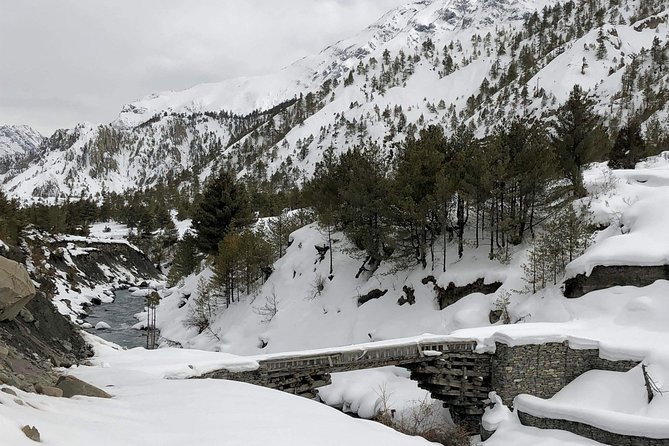
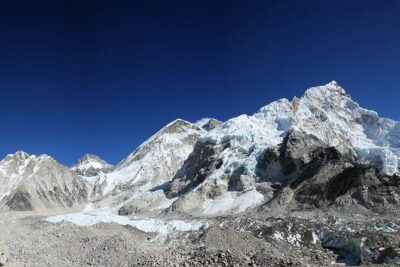
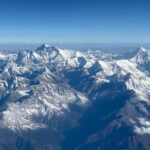
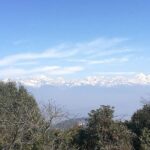
The Annapurna Circuit earns its reputation because it stretches through dramatic changes in altitude and environment. You start lower and work your way up through forests and waterfalls, then continue into higher country where the air thins and the views go big and sharp. You’ll also be moving through remote settlements where daily life looks very different from the tourist hubs.
This version is guided, which matters more than it sounds. When you’re climbing toward a high pass and moving between villages, good logistics and safety planning can save energy for the actual walking. That means you’re not spending your mental bandwidth on route-finding, permits, or figuring out where you’ll sleep.
You can also read our reviews of more hiking tours in Kathmandu
Price and what you’re really paying for (and what you’re not)
At about $1,175 for 14 days (approx.), this trek is priced like a full-service hiking package. The strongest value pieces are the items that usually cost extra or take time to sort yourself: tea house accommodation, three trekking meals per day, the Annapurna Conservation Park Permit fee, and the TIMS fee. You also get a trekking map and a first-aid medical kit, which is the kind of detail that feels small until you need it.
You’ll also save on transportation legs that add up fast on your own: the bus ride from Kathmandu to Jagat, the drive from Jomsom to Tatopani, and the private transfer from Nayapul to Pokhara. If you like the idea of showing up, walking, and letting someone else handle the handoffs, this pricing model fits.
What’s not included is also clear. You’ll still need to budget for things like travel and rescue insurance, personal expenses, tips, and porter support if you want one. Bottled or boiled water costs can add up too, since those personal items aren’t included.
Day-by-day: Kathmandu to Jagat, then up to Manang
Day 1: Kathmandu to Jagat (via Besisahar), about 8–9 hours
You’ll start with a long drive from Kathmandu to Jagat (1,100m) through Besisahar. This is a “wake up and transition” day. It’s not a workout day, but it’s important for getting settled before your first trek step.
Practical tip: after a travel day like this, it helps to keep your first evening calm. Your body will feel the altitude soon enough.
Day 2: Jagat to Dharapani, about 6–7 hours (up to 1,960m)
Today introduces your walking rhythm. You’ll climb from Jagat to Dharapani (1,960m) over roughly 6–7 hours. This is the kind of day where a steady pace beats hero mode.
Expect a mix of village life and trail views as you gain elevation. The gradual climb is a good test run for how your breathing adapts.
Day 3: Dharapani to Chame, about 5–6 hours (to 2,710m)
You continue upward to Chame (2,710m), with a slightly shorter day by time. This helps you keep momentum without stacking too much fatigue early on.
Chame is a classic staging area on the circuit, so it’s also where you’ll feel the trek “becoming real.” More trekkers, more gear talk, and more attention on what tomorrow’s altitude means.
Day 4: Chame to Pisang, about 5–6 hours (to 3,300m)
Today’s climb takes you to Pisang (3,300m). At this level, you’ll feel the altitude more clearly in your legs and lungs, even if the hiking time is similar to earlier days.
This is also one of those days where you’ll likely notice the trail shifting from lower greener country into higher, drier-looking stretches.
Day 5: Pisang to Manang, about 6–7 hours (to 3,540m)
You reach Manang (3,540m) after another full day of hiking. This is the point where the trek starts to ask for patience. The days are long enough that you benefit from moving consistently rather than sprinting between stops.
Manang is also where the itinerary gives you something many trekkers wish they had: time to adjust.
Day 6: Acclimatization day at Manang
This is a built-in buffer. You’re not just “passing through”; you get a full acclimatization day at Manang. That matters because the route then climbs toward Yak Kharka (4,120m) and the higher preparation zones.
A good acclimatization day usually means gentle movement and good hydration. Let your guide set your pace and you’ll be in a safer spot for the next segment.
From Manang to the Thorong La start: Yak Kharka and Thorong Phedi
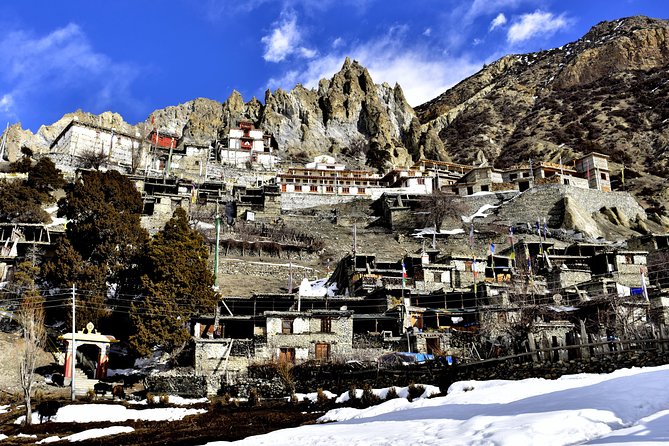
Day 7: Manang to Yak Kharka, about 4–5 hours (to 4,120m)
You go higher but keep the day’s time shorter: Manang to Yak Kharka takes about 4–5 hours. That reduced hiking duration helps you recover from the elevation of the last day rather than stacking exhaustion.
Yak Kharka is high enough that nights can feel serious. Plan for an early sense of wind-cold and keep your layers ready.
Day 8: Yak Kharka to Thorong Phedi, about 4–5 hours (to 4,450m)
Today climbs to Thorong Phedi (4,450m). This is classic “positioning for the pass” terrain. You’re getting yourself close to the start of the high crossing day so you can wake up ready.
If you tend to get nervous before big days, this is a normal moment to feel it. Lean on your guide’s plan, eat what’s offered, and protect your sleep.
Thorong La to Muktinath, then down to Jomsom
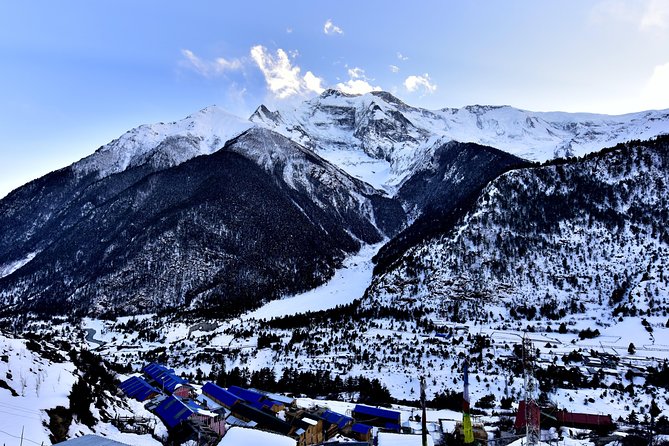
Day 9: Thorong Phedi to Muktinath via Thorong La, about 7–8 hours
This is the headline day: Thorong La (5,416m), then down to Muktinath (3,802m). The total day time is 7–8 hours, which means stamina and pacing matter.
This is also where cold and wind become more than a theory. One feedback note mentioned nights around -20°C with strong wind; while that’s not necessarily your exact day, it’s a strong reminder that weather at high elevation can bite fast. You’ll want layers you can manage on the move and off the move.
Day 10: Muktinath to Jomsom, about 5–6 hours (to 2,743m)
You drop in elevation as you hike from Muktinath to Jomsom (2,743m) over 5–6 hours. The change can feel dramatic: breathing gets easier, but you still have to be careful with your knees on downhill steps.
Jomsom is also where the itinerary shifts from full hiking days to more transport, so it’s a good place to reset your energy for what comes next.
Tatopani hot springs, Ghorepani, and the Poon Hill sunrise finish
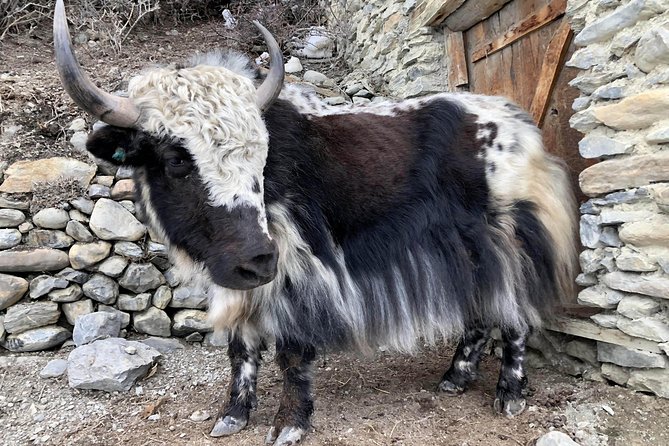
Day 11: Jomsom to Tatopani by drive, about 4–5 hours (to 1,290m)
Instead of another long walk, you’ll take a drive from Jomsom to Tatopani, around 4–5 hours. The key feature is that Tatopani is known for its natural hot springs.
This day can feel like a reward you earn. After the altitude work, relaxing your body matters.
Day 12: Tatopani to Ghorepani, about 7–8 hours (to 2,750m)
You return to hiking with Tatopani to Ghorepani (2,750m) for about 7–8 hours. This is a longer day, and you’ll be stacking some end-of-trek fatigue.
Keep your pace smooth. The win is staying steady long enough to reach Ghorepani without rushing.
Day 13: Early hike to Poon Hill, then down to Nayapul; taxi to Pokhara, about 7–8 hours
This is the classic finish style: an early morning hike up to Poon Hill (3,210m), then the descent to Nayapul (2,070m) and a taxi to Pokhara. Total time is listed at 7–8 hours, which can feel long after your earlier days.
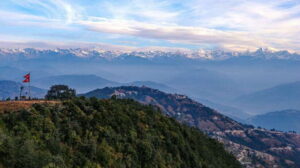
Poon Hill is worth it because it gives you a final high view before you fully come down. You’ll likely finish the day with that satisfying mix of tired legs and a big sense of completion.
Day 14: Drive Pokhara to Kathmandu, about 3–4 hours (to 1,400m)
The trek ends with a drive from Pokhara to Kathmandu, reaching about 1,400m. It’s a travel-day wrap-up, not a stamina day.
Tea houses and meals: why included comfort changes your whole trek rhythm
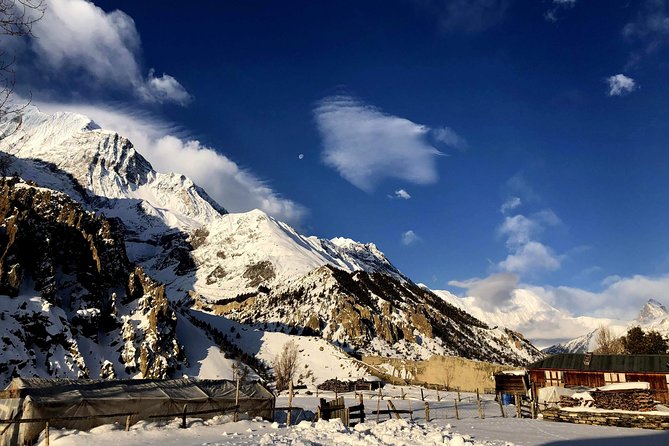
This trek uses tea house accommodation during the trek, and meals are part of the package: three standard meals (breakfast, lunch, dinner) during trekking. That can make a real difference. When food and lodging are handled, you spend less time negotiating or searching and more time walking and resting.
The trade-off is that you’ll still have personal costs. The tour doesn’t include personal expenses like battery recharge, phone calls, bar bills, laundry, shower costs, and any porter help you might want. Bottled or boiled water also isn’t included, so plan for that recurring expense.
If you like predictable daily routine, this format will feel comfortable. If you prefer total freedom to choose your own meals and rooms, you might miss that control.
Your guide matters: names like Rabin, Santosh, Sandip, Ganesh Ji, and CK
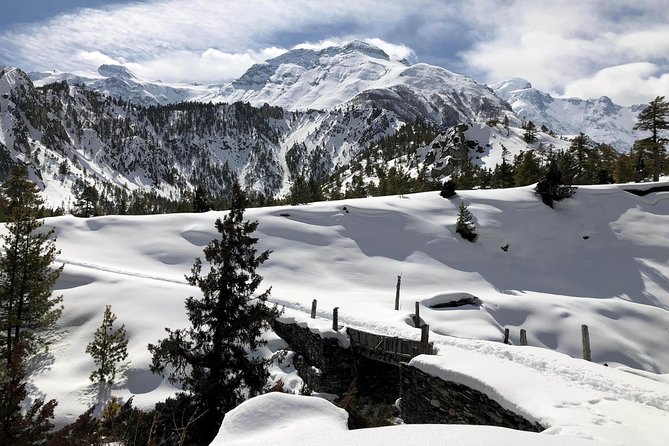
One reason this tour gets strong feedback is the guide involvement. You’re assigned a guide who handles safety and logistics so you can focus on the walk.
In feedback, I see guides described as hands-on and calm in real moments. Rabin is mentioned for being with the group step-by-step and helping make decisions feel easier. Santosh is praised for being attentive, knowledgeable, and easy to talk to. Sandip is highlighted as professional and caring, with attention paid to trails and local culture.
There’s also strong praise for the pass-day attitude. Ganesh Ji is mentioned as courteous and patient, with encouragement that helped people complete the trek and cross Thorang La Pass. Chakra, listed as CK, is noted for sharing traditions and even picking up some Nepali language along the way.
You’ll also see porter support mentioned (for example, Ramesh Ji). If you ever decide you want extra carrying help, it’s a good idea to ask early.
Weather, cold nights, and staying functional near -20°C
Altitude is one thing. Weather at altitude is another. One feedback note points to nights dropping to around -20°C with wind about 20 km/h, and even water freezing in a normal bottle. That’s a big warning sign.
So treat cold management as part of the trek plan, not a last-minute thought. Pack for layers that you can adjust during hiking and at night. If your body runs cold easily, plan to protect hands, feet, and airflow-exposed areas first.
Also, keep a simple system for your “must-use items” (the things you’ll need in the morning). When it’s windy and freezing, wasted time because gloves are soaked or water is frozen can drain your energy fast.
Fitness reality: what the day times add up to
The trek calls for moderate physical fitness, and the daily hike windows support that. Many hiking days sit in the 4–8 hour range, and you’ll be moving higher each time until the Thorong La day.
You don’t need to be a mountain athlete, but you do need consistency: comfortable uphill walking, no fear of a long day, and the willingness to slow down if your breathing demands it. The itinerary includes acclimatization, which helps, but it doesn’t remove the need for patience.
If you’re the type who pushes through discomfort, this trek will teach you new manners. Listen to your guide and keep your pace steady.
Who this Annapurna Circuit trek is best for
This tour fits best if you want an organized, guided route through one of Nepal’s most classic hiking circuits and you don’t want to juggle the details yourself. You’ll like the private tour format where only your group participates, plus the included permits and tea house logistics.
It also works well if you care about more than scenery. The route description includes walking through lush forests and past roaring waterfalls, plus time to learn about diverse ethnic communities. A good guide helps translate what you’re seeing into something you can actually understand.
Should you book this Annapurna Circuit trek?
Book it if you want value built around the essentials: a licensed guide, TIMS and park permits, tea house lodging, and set meals. The route choices also make sense for altitude management, especially with an acclimatization day in Manang before the higher segment.
Pass on it (or at least reconsider) if you know you won’t handle cold well. Feedback includes extreme-night cold and high wind, and the trek includes a high pass day via Thorong La (5,416m). If you’re unsure, choose your fitness and gear plan like the trek is real, not casual.
If you’re ready for a guided classic with real mountains days and a clear finish into Pokhara, this Annapurna Circuit option is a strong match.
FAQ
Where does the Annapurna Circuit trek start and end?
The trip starts in Kathmandu and ends back in Kathmandu. Along the way, you’ll drive from Pokhara back to Kathmandu at the end.
How long is the Annapurna Circuit trek?
It’s listed as 14 days (approx.).
What’s included in the price?
Included items cover bus transportation (Kathmandu to Jagat and Jomsom to Tatopani), private transportation (Nayapul to Pokhara), tea house accommodation during the trek, a licensed guide, permits (Annapurna Conservation Park and TIMS), a first aid medical kit, a trekking map, and government tax. Meals include breakfast, lunch, and dinner during trekking.
What’s not included?
Not included are travel and rescue insurance, personal expenses (phone calls, laundry, bar bills, battery recharge, extra porter needs, bottle or boiled water, shower costs), and tips for guides and porters.
Do I need to arrange permits?
No, permit fees are included: TIMS and the Annapurna Conservation Park permits fee.
What kind of lodging do you use on the trek?
You’ll stay in tea house accommodation during the trek.
Are meals provided?
Yes. During trekking, the tour includes three standard meals: breakfast, lunch, and dinner.
Is pickup offered?
Yes, pickup is offered.
What transportation is included between trekking areas?
Included transport includes a bus from Kathmandu to Jagat and from Jomsom to Tatopani, plus private transportation from Nayapul to Pokhara.
What is the cancellation policy?
You can cancel up to 6 days in advance for a full refund. For a 50% refund, cancel 2–6 days before the experience’s start time. If you cancel less than 2 days before, the amount paid isn’t refunded.