REVIEW · FOOD
Kathmandu: Guided Delicious Food Tour with 12+ Tastings
Book on GetYourGuide →Operated by Race Alpine Treks and Tours Pvt Ltd · Bookable on GetYourGuide
Kathmandu food tours can feel samey fast, but this one is built for variety: you’ll sample 12+ Nepali bites across several stops in about 2.5 hours, with a guide who talks while you eat. I like the format because it mixes classic comfort foods with regional standouts, and you get to slow down long enough to understand what you’re tasting. I also like the small-group setup (up to 6 people), which makes it easier to ask questions and actually hear the explanations. One consideration: you’re eating steadily for 2.5 hours, so come hungry and expect this to be more snack-and-sample than a sit-down full meal.
I especially appreciate how the tour leans into Kathmandu’s everyday food culture, not just the obvious hits. Items you might try include momo, chatamari, bara, lassi, selroti, and sweets like barfi, plus staples that taste very different from what most people expect. With a guide like Bibek leading the walk and explanations, you’re not just collecting bites, you’re building a mental map of Nepali flavors. The one possible drawback is that you’ll be moving through several food places, so if you hate crowds or short walking legs, you may want to consider whether this pacing fits you.
In This Review
- Key points to know before you go
- Why this Kathmandu food tour feels different from the usual grab-and-go
- The tastings: what you can expect to try (and what they’re good for)
- How the 2.5 hours works in real life (pacing and stop flow)
- The guide experience: why “food talk” is part of the value
- What the route teaches you about Nepali eating (not just Nepali dishes)
- Drinks, dessert, and the “don’t panic” snack strategy
- Value check: what $5 buys you in Kathmandu
- Who should book this tour (and who might not love it)
- Practical details: meeting point, end point, and logistics that matter
- Should you book this Kathmandu food tour with 12+ tastings?
- FAQ
- How long is the Kathmandu food tour?
- How many tastings and stops are included?
- Where do I meet the guide?
- Does the tour end back at the start?
- What drinks are included, and is alcohol included?
- What’s included in the price?
Key points to know before you go
- Up to 6 guests means a quieter, more conversational tour than the big groups
- 12+ tastings in 2.5 hours is a practical way to try lots of Nepal without committing to a long day
- Real Nepali snack culture shows up in pickles, khaja-style bites, and regional specialties
- English-speaking foodie guide who explains what you’re eating (and why it matters)
- 4–5 food stops with transport included, so you’re not constantly negotiating streets
- Separate-entrance access at applicable venues to help you waste less time in lines
Why this Kathmandu food tour feels different from the usual grab-and-go
This tour is built around a simple idea: in a city like Kathmandu, your best food education comes from sampling lots of foods in a short, guided circuit. You’re not stuck making hard choices at one restaurant. Instead, you get a chain of small bites that adds up to real understanding.
The small group size is a big deal. Up to 6 guests means the guide can slow down for your questions and adjust on the fly if you’re curious about something specific, like how a dish is assembled or how a snack culture works around tea and pickles. You’re also less likely to lose track of your group while you’re in backstreets.
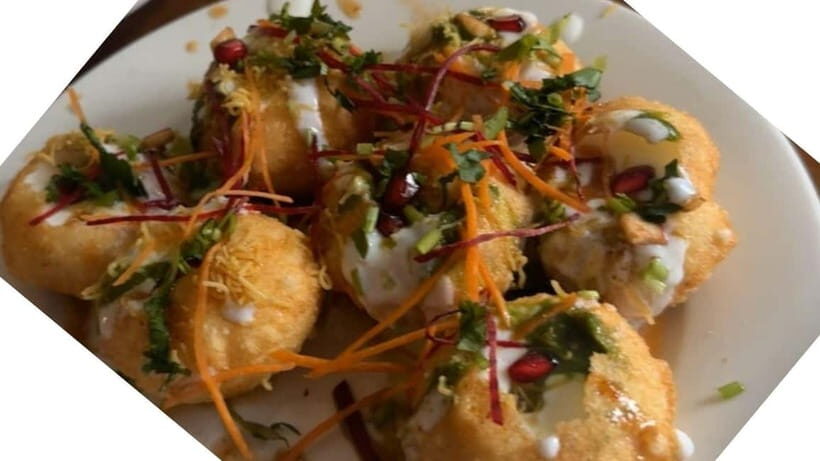
And then there’s the variety. Many tours promise a handful of dishes and call it a day. Here, the tasting count is 12+, and the menu range you might encounter is wide: savory snacks, street-style bites, drinks and fresh juice, and sweets. You’ll get a sense of what Nepalis reach for when they want something warm, handheld, fermented, creamy, or fried.
You can also read our reviews of more food & drink experiences in Kathmandu
The tastings: what you can expect to try (and what they’re good for)
Let’s talk food. You’ll likely run into a mix of Kathmandu classics and regional flavors. Based on what you’ll be offered, here’s the tasting profile you’re signing up for:
Momo (and more snack-sized savory foods)
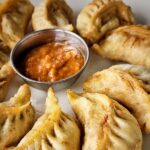
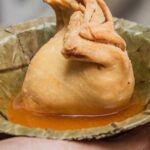
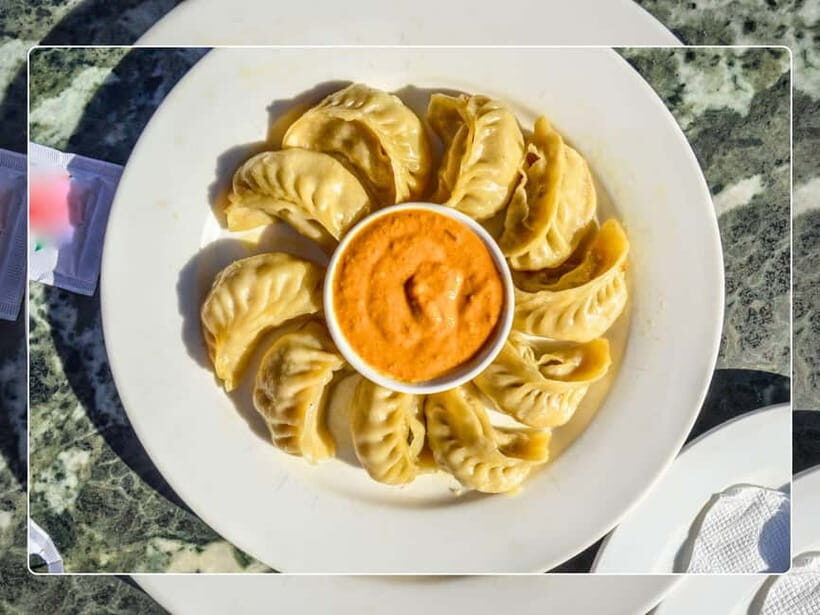
Momo is the obvious anchor, but the tour doesn’t treat it as a single-note dumpling stop. You’ll get momo alongside local pickles, which changes the whole experience. Pickles bring sharp, tangy flavor that makes the dumplings feel lighter and more snackable.
Chatamari, bara, and the fried/snack category
Chatamari (a savory rice-flour base topped with ingredients) and bara (a lentil-based type of snack) help you understand how street food in Nepal can be both filling and fast. These are the foods you’d usually grab on the move, but on a tour you get time to taste slowly and pay attention to texture.
Fermented favorites like Gundruk sadeko
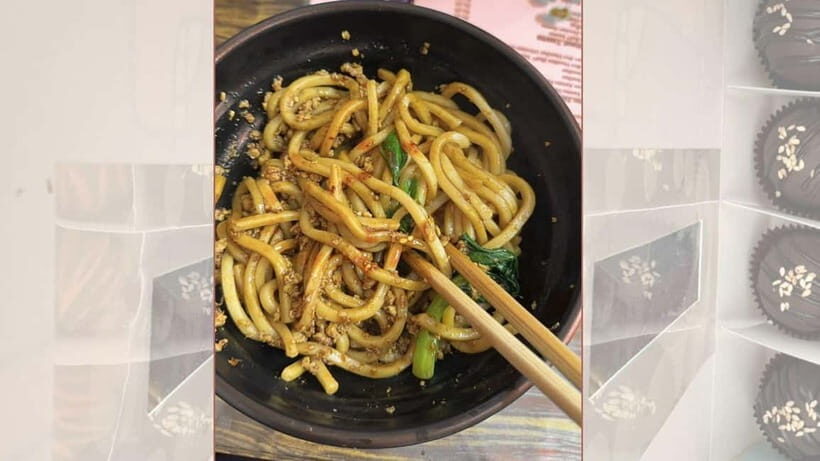
Gundruk sadeko shows up on the tour, and it’s one of those dishes that either makes you curious or immediately locks you in. It’s a fermented element, so the flavor leans tangy and deeply savory. If you’ve never had fermented greens, this is a low-pressure way to try it because you’re tasting it as part of a food route, not as a one-dish commitment.
Thakali flavors and Bhaktapur juju dahu
You may also get regional items, including Thakali-style flavors and Traditional Bhaktapur juju dahu. Bhaktapur juju dahu is a specialty that helps explain how Nepal’s food changes city to city. Even in a single day, you’ll feel the difference between Kathmandu’s go-to tastes and what other nearby food traditions are known for.
Selroti for a sweet-savory break
Selroti is another item you might try, and it adds a different kind of comfort. It’s not just dessert; it’s more like a festive snack that shows how Nepalese sweets often sit right next to savory foods in real life.
Lassi, fresh juice, and cooling drinks
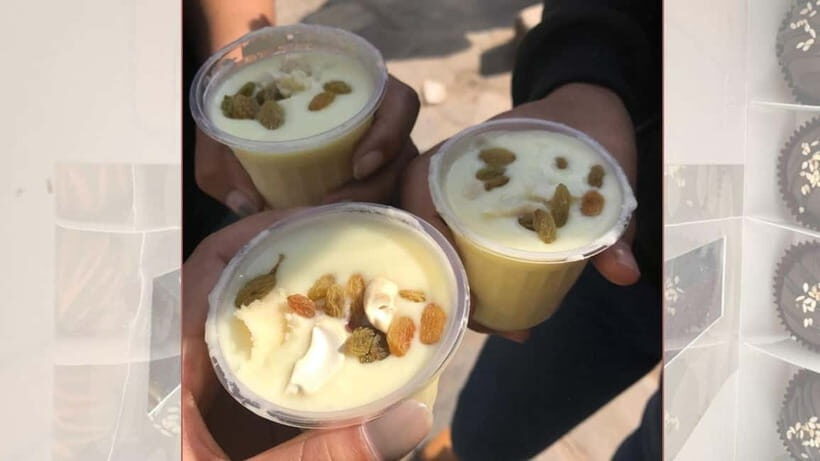
You’ll have local drinks and fresh juice, plus lassi. Lassi matters because it smooths out fried or fermented flavors. It also gives you a break without stopping the flow of the tour.
Dessert and sweets like barfi
If you like finishing with something sweet, you’ll be happy. Barfi is one of the sweets you may encounter, and it’s the kind of final bite that makes the whole tasting run feel complete rather than rushed.
How the 2.5 hours works in real life (pacing and stop flow)
This tour runs for about 2.5 hours, with 4–5 food stops. The time feels efficient because you’re not waiting around for one giant course to arrive. Instead, you’ll hop between venues and taste in small portions.
Here’s the best way to picture the pacing:
- You start at your pickup point around Thamel, where you can get oriented and meet your guide and group.
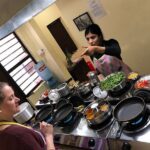
- You spend a big chunk of time at local food spots, including a longer restaurant-style segment (listed as a 2-hour restaurant portion). That’s where you’ll likely try multiple items in one go, especially the snack variety like momos plus the supporting savory foods.
- Then you wrap up back where you started, with the last tastings often leaning toward drinks and sweets, depending on the day.
Because the tour includes transportation, you’re not left doing the hardest part—figuring out where to go next while you’re hungry. Even if you love exploring solo, this is a good format when you want to maximize taste per hour.
One practical note: plan to keep your hands free. You’ll likely have to manage napkins, small plates, and drink cups while moving between stops. If you’re the type who likes a lot of photos, bring a simple crossbody bag so you can take pictures without juggling everything.
The guide experience: why “food talk” is part of the value
In a food tour, the guide can make the difference between eating and learning. This one is led by an English-speaking guide described as a professional foodie, and the vibe is friendly, patient, and question-friendly.
You may even meet Bibek, who has been highlighted for explaining dishes calmly and with lots of patience. When a guide takes time to talk through what you’re tasting, it changes how you eat. Instead of thinking, This is tasty, you start thinking, This tangy element comes from fermentation, this snack works because of its batter texture, and this pairing makes sense for balance.
That kind of talk is also what makes the tour useful after it ends. You leave with more than memories. You leave with a way to recognize foods on your own. The tour’s overall goal is to give you enough confidence to keep eating across Kathmandu without feeling lost.
What the route teaches you about Nepali eating (not just Nepali dishes)
Nepali cuisine is a lot more than a list of items. This tour helps you see how Nepalese eating often works as a snack rhythm—savory bites, pickles, cooling drinks, then sweets.
Local pickles are a quiet hero
Pickles show up as part of your tastings, and they’re not just an add-on. They add acid and punch, so fried or fermented foods feel more balanced. If you’ve only ever tasted pickles with burgers, you’ll notice how different the flavor logic is in Nepal.
Khaja-style food shows how people snack
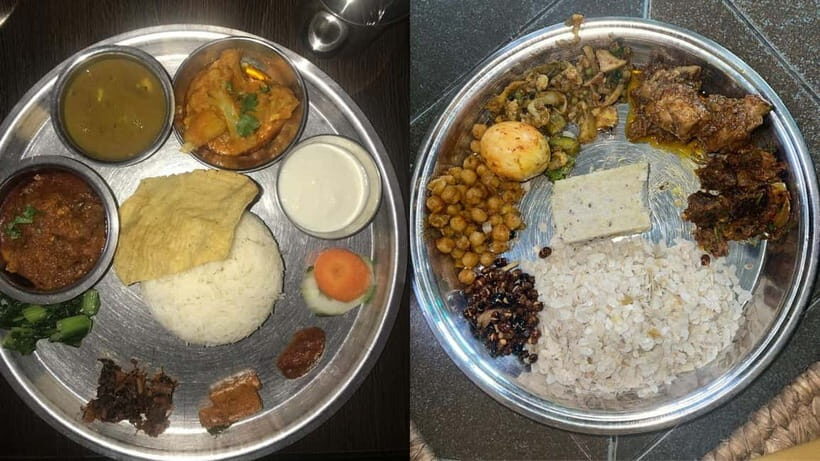
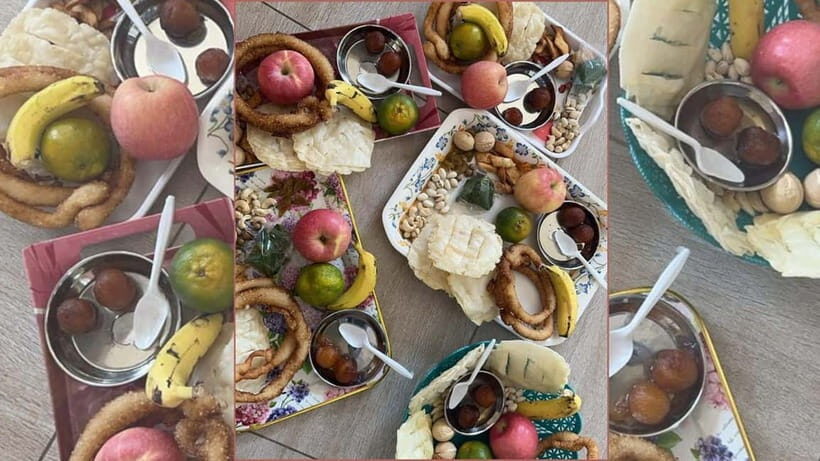
You may try a Nepali Khaja set, which is essentially a snack approach that feels social and flexible. It’s the kind of food culture you can recreate later by ordering a mix rather than committing to one dish.
Regional specialties make Kathmandu feel less generic
Traditional Bhaktapur specialties and Thakali flavors keep the tour from feeling like a single neighborhood repeating itself. Even with limited time, you get a sense that Nepal’s culinary identity shifts across regions.
And then there’s the dessert and tea rhythm. Selroti and barfi (plus lassi and juice) give you a fuller picture of how food moves from savory to sweet without a hard stop.
You can also read our reviews of more tours and experiences in Kathmandu
Drinks, dessert, and the “don’t panic” snack strategy
You’ll get local drinks and fresh juice as part of the tour. Alcohol is not included, so your drinks plan stays simple and straightforward.
From a practical standpoint, the safest strategy is to treat this as your main food experience for the day. If you try to squeeze in another big meal right after, you’ll likely feel stuffed before you’ve had a chance to enjoy anything else. The tour is designed for sampling, but the sampling adds up quickly.
Also, because you’ll have sweets like barfi and snacks like selroti, don’t assume the tour ends at the last savory bite. If you’re watching sugar, you can still enjoy small portions. But if you love desserts, you’ll be in good shape.
Value check: what $5 buys you in Kathmandu
At around $5 per person, the value is hard to ignore, especially because you’re not paying only for food. The tour includes:
- 12+ tastings
- 4–5 food stops
- Local pickles
- Local drinks and fresh juice
- Transportation
- A small group format (up to 6)
- An English-speaking guide
In other words, you’re paying for time saved. You avoid the guesswork of where to go, what to order, and how to understand dishes as you eat them. That’s the real cost difference between a random meal and a guided tasting: guidance and pacing.
The small group aspect also adds value. When a tour costs very little but still caps the group size, that’s often a sign the experience can stay personal.
Who should book this tour (and who might not love it)
This is a strong choice if you:
- Want a fast introduction to Nepali food in a single afternoon
- Like variety and don’t want to gamble on menus one restaurant at a time
- Enjoy learning while you eat, especially when your guide explains dishes clearly
- Prefer a quieter experience thanks to the up-to-6 group size
It might be less ideal if you:
- Prefer one substantial meal over many small tastings
- Don’t enjoy moving between multiple food places in a short window
- Want only a specific food category (like exclusively dumplings or only sweets)
If you’re unsure, think of it like this: the tour is ideal for building your food confidence. After it, you’ll know what you liked and what to look for again when you return to Kathmandu on your own.
Practical details: meeting point, end point, and logistics that matter
You meet your guide at the hotel area in Thamel, specifically in front of Hotel Marshyangdi. The tour also concludes back at the start, so you won’t need to figure out a final meetup spot after you finish eating.
Transportation is included, and the guide is English-speaking. In some cases, you’ll also use a separate entrance to help you skip the line where that applies.
If you like planning, aim to arrive a few minutes early. You’ll get the most out of the first tastings when you’re not rushing to find the group.
Should you book this Kathmandu food tour with 12+ tastings?
I’d book it if you want a high-variety Kathmandu food start that doesn’t eat your whole day. The combination of small group size, 12+ tastings, and a guide who takes the time to explain dishes (with Bibek specifically called out for patient, clear answers) makes it feel practical, not just fun.
If your travel style is more “sit, eat, and relax,” you might find the pace busy. But if you’re the type who loves sampling, pairing, and learning as you go, this tour gives you a clean path into Kathmandu’s everyday eating.
FAQ
How long is the Kathmandu food tour?
It lasts about 2.5 hours.
How many tastings and stops are included?
You’ll have 12+ tastings across 4–5 food stops.
Where do I meet the guide?
The meeting point is in front of Hotel Marshyangdi in Thamel.
Does the tour end back at the start?
Yes, the tour concludes back at the starting point.
What drinks are included, and is alcohol included?
The tour includes local drinks and fresh juice. Alcoholic drinks are not included.
What’s included in the price?
The tour includes 12+ tastings of traditional Nepali foods, local pickles, local drinks and fresh juice, transportation, and a small group with an English-speaking live guide.