REVIEW · YOGA & AYURVEDA RETREATS
200 Hours Yoga Teacher Training at Nepal Yoga Home (starts on 1st of everymonth)
Book on Viator →Operated by Nepal Yoga Home · Bookable on Viator
A 200-hour reset in Kathmandu starts every month. This 21-day 200-hour yoga teacher training at Nepal Yoga Home keeps things simple: all your practice and lessons happen in one calm base in the Kathmandu Valley, and the course runs from the 1st each month.
I especially like that the program bundles accommodation and all meals so you’re not budgeting and planning every day.
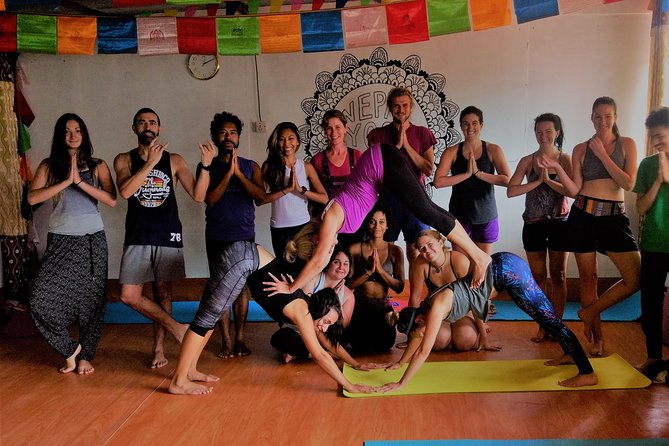
What also makes this stand out is the feel. People describe an atmosphere that’s warm, supportive, and professional, with teachers who focus on real instruction rather than just moving through poses. The food gets mentioned a lot too, with meals that support training and recovery.
One thing to consider: there’s no included sightseeing or trekking in the plan, so this is more “dedicated practice retreat” than “see everything” trip. If you want variety off-site, you’ll need to arrange extra time around the training.
In This Review
- Key things to know before you go
- Nepal Yoga Home as your Kathmandu Valley base
- How 21 days can translate into real teacher training
- Hatha and Ashtanga training: what you can expect to learn
- Philosophy, science, and meditation in daily practice
- Food and accommodation: the practical value of included meals
- Timing and on-site logistics inside Nepal Yoga Home
- Price: does $2,000 make sense for a 200-hour training?
- Who should choose this 200-hour program
- Practical planning tips before you book
- Quick FAQ
- FAQ
- When does the 200-hour yoga teacher training start?
- How long is the training?
- Where are the yoga sessions held?
- What’s included in the price?
- What is not included?
- What time does the experience start?
- Is there a limit on group size?
- What’s the cancellation rule if plans change?
- Should you book Nepal Yoga Home’s 200-hour YTT?
Key things to know before you go
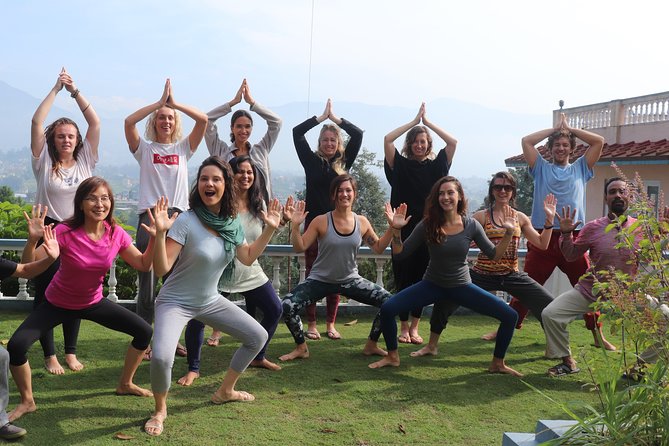
- Starts on the 1st of each month: plan around your calendar, since you can’t just join mid-month.
- All training happens at Nepal Yoga Home: fewer logistics, more routine.
- Hatha and Ashtanga focus: you’ll work within two major traditions.
- Includes accommodation and all meals: breakfast, lunch, dinner are covered.
- Small training groups (max 25): you’ll likely get more individual attention.
- Built around philosophy, science, and meditation: not just “stretching with structure.”
Nepal Yoga Home as your Kathmandu Valley base
For a 200-hour teacher training, your environment matters. Here, the big advantage is that Nepal Yoga Home is the place you live and practice, so you’re not constantly traveling across Kathmandu for classes. You start at 7:15 am and you’ll do your sessions at Nepal Yoga Home, so your days tend to follow the same pattern.
The meeting point is Nepal Yoga Home in Tarkeshwor (Kathmandu 44600). The course ends back at the same place, which is helpful when you’re trying to keep your schedule clean. And because it’s described as near public transportation, you’re not locked into private car transfers just to get around.
If you’re the kind of person who learns best through routine, this setup is ideal. You can show up, get your bearings fast, and let the training do its job.
You can also read our reviews of more tours and experiences in Kathmandu.



How 21 days can translate into real teacher training
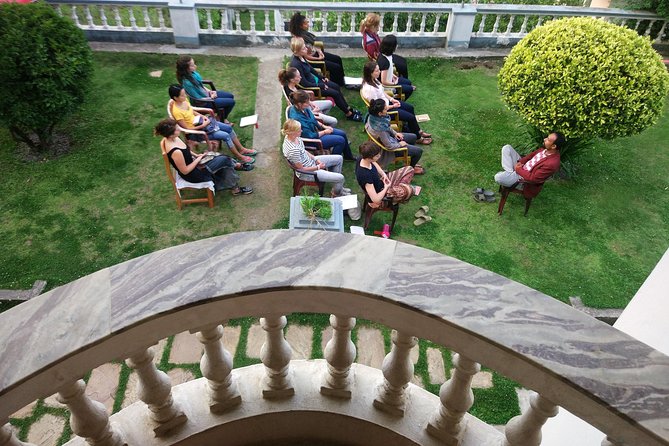
The course is listed as about 21 days, and it’s explicitly framed as a 200-hour yoga teacher training. That’s a big promise, but it’s also the right timeframe for learning without burning out.
Here’s the practical meaning of “21 days” for your schedule:
- You’ll likely spend most of your time in guided yoga sessions (movement practice).
- You’ll also work with the “why” behind yoga: the philosophy and science side.
- You’re training how to support students through their practice, not just how to do poses.
In other words, you’re not only building strength and flexibility. You’re building the kind of understanding that helps you talk someone through form, progression, and safety. That’s what turns a personal practice into teaching.
A good sign is that the training is described as teaching within Hatha and Ashtanga traditions, which usually means you’ll see both classical structure and a more energetic, disciplined approach to practice. And the program also includes meditation as part of the training, which matters because teaching yoga often requires you to understand attention, calm, and awareness as much as you understand alignment.
Hatha and Ashtanga training: what you can expect to learn
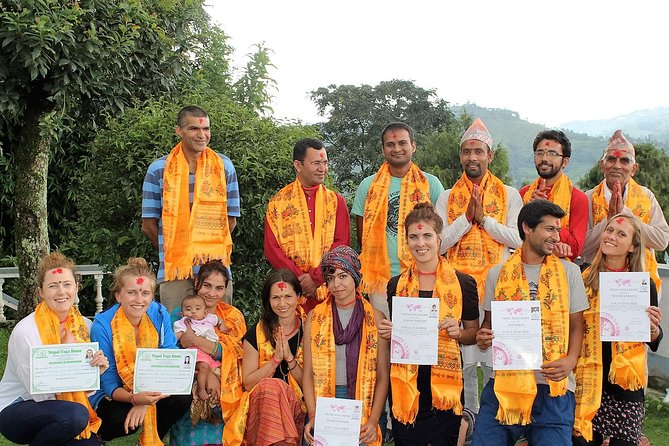
You should expect a blend of grounding work (often associated with Hatha) and more rhythmic, disciplined practice (often associated with Ashtanga). The course doesn’t claim to be only one style, and that’s a strength. Many students come in with a single approach, then leave with better options for meeting different bodies and different temperaments.
In plain terms, training in both traditions helps you learn:
- How to break movement down into teachable pieces.
- How to build a practice with structure rather than guesswork.
- How to think about breath and control as part of movement quality.
You’ll likely also get teaching cues and practice on how to guide others. That’s backed up by the course goal: you’ll learn skills to support students and teach from a place of understanding.
A balanced perspective: if you already practice one tradition heavily and you only want that one style, this course might feel broader than what you wanted. But if your goal is to become a more complete teacher, the mix is a smart use of limited time.
Philosophy, science, and meditation in daily practice
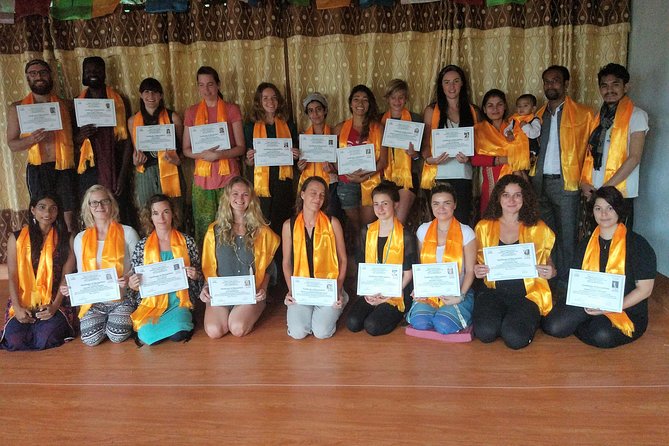
One of the most consistent themes in the feedback is the focus beyond physical practice. This training is described as covering yoga philosophy and the science behind yoga, and meditation is clearly woven in.
Why does that matter for you? Because when you teach, students don’t just need instructions for posture. They also need guidance for:
- how to relate to discomfort,
- how to pace their effort,
- how to pay attention during practice,
- how to keep a practice steady even when motivation dips.
Meditation work also changes how you lead. Even if you never teach meditation formally, training your awareness helps you cue more calmly, observe students more clearly, and create a safer class environment.
People also highlight the atmosphere as peaceful and the instruction as authentic. When a program is built around philosophy and meditation, it usually means you’re learning the deeper logic of yoga, not only chasing a strong pose.
Food and accommodation: the practical value of included meals
Let’s talk value, because this is where teacher trainings often feel pricey or fair. Here, the price includes:
- Breakfast, lunch, and dinner
- Accommodation
- All fees and taxes
That matters because your daily needs during training are specific. You need enough energy for practice, hydration and recovery, and food that doesn’t make you feel heavy or distracted during class.
The course overview notes that organic food is provided. Even without getting too detailed, it’s clear that nourishment is treated as part of the program, not an afterthought.
Accommodation is also mentioned positively in the feedback as lovely and comfortable. That might sound soft, but it’s actually important. You’re spending long hours training, and your lodging becomes a recovery tool. A place that helps you rest properly can make your final days feel clearer, not more drained.
One small caution: laundry is not included. If you’re someone who relies on frequent wash cycles, plan to handle laundry separately.




Timing and on-site logistics inside Nepal Yoga Home
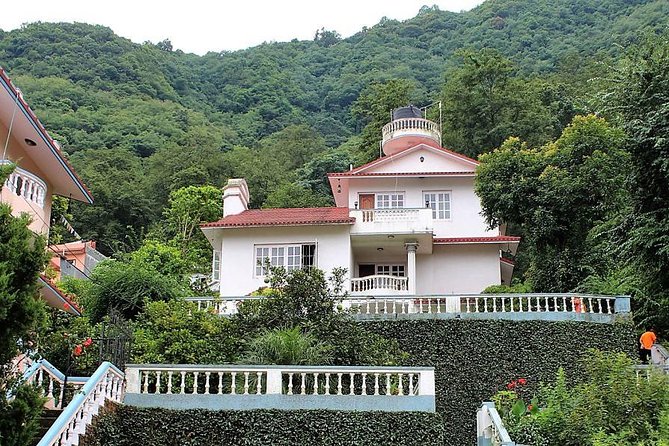
The course begins at 7:15 am, and that early start is typical for training formats that want you fully awake for practice. Since all yoga sessions are done at Nepal Yoga Home, your logistics become mostly internal: show up, eat, practice, study, rest.
A few practical points from the information you’re given:
- Group size has a maximum of 25 travelers, which keeps the training from feeling like a huge factory class.
- Service animals are allowed.
- The location is near public transportation, though private transportation is not included.
So if you’re thinking about adding extra Kathmandu exploration, you’ll want to schedule that outside the core practice days. The training itself is your main itinerary.
Also, the course likely depends on good weather. The program notes a weather requirement, with alternative dates or a full refund if it’s canceled due to poor weather. Since Nepal weather can shift quickly, it’s worth considering travel insurance if your plans are time-sensitive.
Price: does $2,000 make sense for a 200-hour training?
At $2,000 per person, this isn’t a casual weekend workshop. But it also isn’t just a class series. It’s a structured 200-hour teacher training with lodging and meals included.
Here’s the value math you can actually use:
- Many yoga programs charge separately for lodging and meals, then add fees.
- This one includes accommodation and all meals, plus all fees and taxes.
- You also get a small-group setting and a curriculum that includes Hatha and Ashtanga, plus philosophy/science and meditation.
Where you might feel the extra cost is in what’s not included. Private transportation is not included, and there’s no built-in sightseeing/trekking plan. If your idea of travel is daily outings, you could spend extra to match that style. If your idea is deep focus on yoga over three weeks, the structure is already doing the heavy lifting.
The strong 5-star rating and high recommendation rate point to satisfaction, but you should still match the program to your goals. Money-wise, this works best when you’re happy to stay put and practice.
Who should choose this 200-hour program
This course tends to fit best if you:
- want a serious teacher training with daily structure,
- prefer one home base instead of constant commuting,
- like learning both Hatha and Ashtanga traditions,
- value philosophy, science, and meditation as part of your yoga identity.
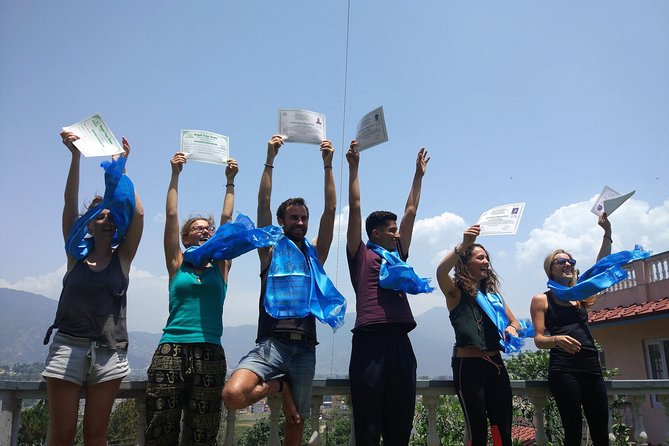
It also sounds like a good option for solo travelers who want support. The feedback specifically calls out that female solo travelers felt comfortable and that the team made people feel supported from day one. That matters, because a teacher training can be emotionally intense even when it’s physically gentle.
Who might think twice:
- If you want a trip packed with sightseeing, trekking, and off-site adventures, this isn’t built as that kind of itinerary.
- If you only want one specific style (only Hatha or only Ashtanga), the mixed approach may not match your expectations.
Practical planning tips before you book
These aren’t big surprises, but they’re the kinds of details that keep your trip smooth.
- Pick your month: courses start on the 1st of every month, so choose dates based on your calendar, not the weather you hope for.
- Plan for included days: the plan covers meals and accommodation, but it does not include sightseeing, trekking, or private transportation.
- Bring what you need for daily practice: even if the program covers training sessions, you’ll still need your own yoga essentials.
- Budget for laundry: laundry is not included.
- Be ready for a routine: early start, on-site sessions, and a concentrated training environment.
The best mindset is to treat the training like your main event. Kathmandu becomes the backdrop, not your daily distraction.
Quick FAQ
FAQ
When does the 200-hour yoga teacher training start?
Courses start on the 1st of every month.
How long is the training?
It runs for 21 days (approx.).
Where are the yoga sessions held?
All yoga sessions are held at Nepal Yoga Home.
What’s included in the price?
Included: accommodation, breakfast, lunch, and dinner, and all fees and taxes.
What is not included?
Not included: private transportation, food of your personal interest, tour/sightseeing/trekking, and laundry.
What time does the experience start?
Start time is 7:15 am.
Is there a limit on group size?
Yes, the program has a maximum of 25 travelers.
What’s the cancellation rule if plans change?
You can cancel for free up to 24 hours in advance for a full refund. If you cancel less than 24 hours before the start time, you won’t get a refund.
Should you book Nepal Yoga Home’s 200-hour YTT?
Book it if you want a focused teacher training where your days are built around practice, study, and meditation, with meals and accommodation handled. The on-site-only structure is a big deal for anyone who doesn’t want to micromanage travel logistics.
Skip it (or at least rethink it) if you’re coming to Nepal mainly for sightseeing and trekking. This is a training-first experience, and you’ll need to add city time separately.
If your goal is to become more confident as a teacher within Hatha and Ashtanga, and you want an environment people describe as welcoming and professional, Nepal Yoga Home is a strong match.