Binoculars and forest trails beat Kathmandu traffic. This private birding day in the Kathmandu Valley gives you real species-spotting time with a guide and a chance at Nepal’s national bird, the Himalayan monal. It’s also customizable, so you can steer the focus toward what you care about most, like calls, habitat, or just stacking sightings.
I like the private transportation because it saves you from wrestling with schedules in a busy city. I also like that the experience is built for people short on time but still want a proper hike in the foothills. One thing to watch: meals and bottled water are not included, so plan snacks or you’ll end up paying for convenience later.
In This Review
- Key highlights worth knowing
- Birding Day Outside Kathmandu: a quick break from city noise
- The hike at Shivapuri Nagarjun: foothill birds and the monal question
- If your route includes Chitwan: Spiny Babblers and raptor spotting
- The bird guide factor: more than species names
- Price and time: is $225 worth it for a private birding day?
- A simple way to judge value
- Getting the day to work with your schedule (pickup window matters)
- What to bring for a Himalayan-edge birding hike
- Who this tour fits best
- Should you book Nepal Birding in Kathmandu?
- FAQ
- How long is the Nepal Birding experience?
- Do I get pickup and private transportation?
- Is this tour private or shared?
- What’s included in the price?
- Are meals included?
- What birds might I see?
- What is the cancellation policy?
Key highlights worth knowing
- Customizable for your birding goals: tell the guide what you want most, and the day can flex around it
- Private guide focus: you’re not stuck filtering a group through the same fence line
- Forest foothills on Kathmandu’s edge: you get a break from traffic and city noise fast
- Himalayan monal odds: if you’re lucky, you’ll add Nepal’s national bird to the day
- Longer day options with serious bird lists: the route can include major parks where raptors and other birds come thick
Birding Day Outside Kathmandu: a quick break from city noise
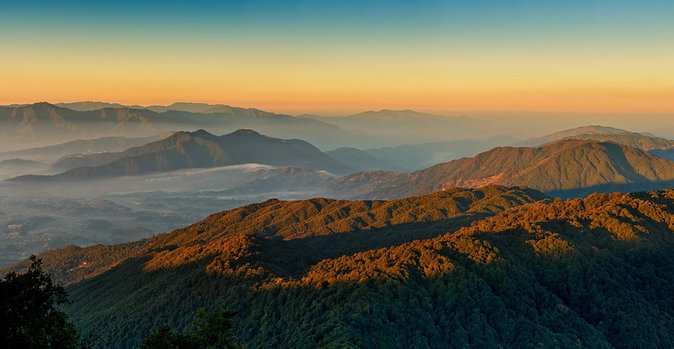
If you’ve ever tried to bird in a place that’s loud, crowded, and constantly changing, you know the frustration. This day plan helps you get the opposite: quiet forest edges, steady walking, and a guide who knows where the action tends to happen.
The biggest value here is not just seeing birds. It’s understanding what you’re seeing. With a bird guide on board, common things stop being random. You start picking out patterns—where birds feed, how they move, and what to listen for before you spot them.
And yes, the day is built to work for visitors who can’t spare a full week. You’ll be in and out within roughly half a day to a full day, depending on what you choose and how your pace goes. The time window runs from 7:15 AM to 3:15 PM, which also means you can often shape the day around your flight, trekking plan, or sightseeing schedule.
You can also read our reviews of more tours and experiences in Kathmandu.


The hike at Shivapuri Nagarjun: foothill birds and the monal question
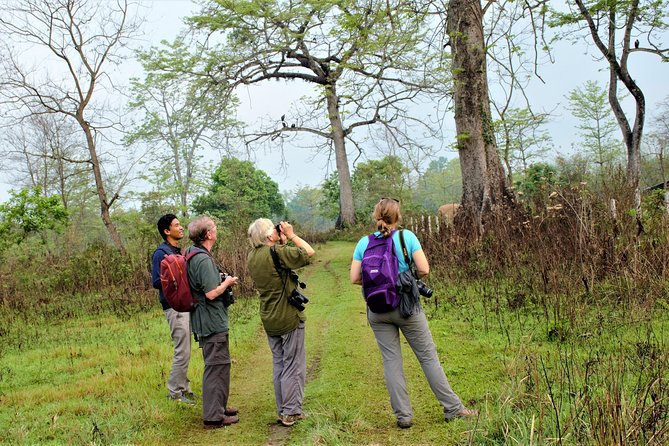
This is the kind of outing that feels simple until you’re actually in it. You’re walking forested foothills on the Himalayan edge, and the birding isn’t a one-stop photo moment. It’s more like a sequence of small wins: a call in the canopy, a movement on a branch, a brief view that only makes sense once your guide puts it into context.
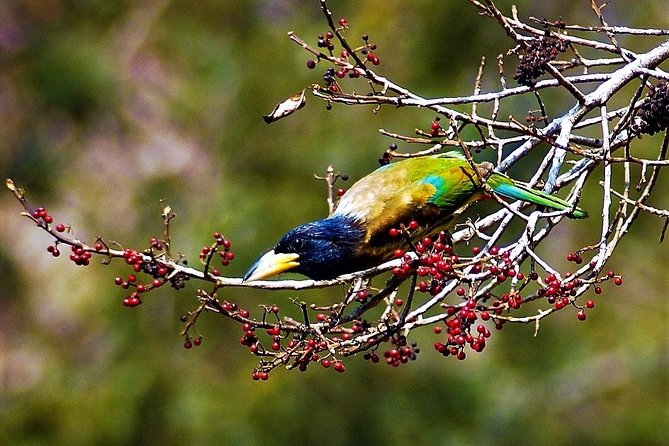
One bird name you’ll hear right away is Himalayan monal—Nepal’s national bird. The day doesn’t promise it, but it’s clearly a target. What helps your odds most is starting early and staying patient. Monal sightings (like many mountain birds) often come down to being in the right place at the right time and keeping your eyes up when the trail gets quiet.
Even when monal doesn’t show, you can still have a good birding day. The foothills have plenty of forest species, plus birds moving between feeding and resting areas. This is where a guide makes the difference. Instead of scanning wildly, you’ll learn to scan with purpose: check the canopy edges, listen for repeated calls, and look for how birds hold themselves when they’re alert.
Practical tip: wear shoes that handle uneven paths. Birding slows you down, which means you’re more likely to trip when the trail turns soft or muddy.
If your route includes Chitwan: Spiny Babblers and raptor spotting
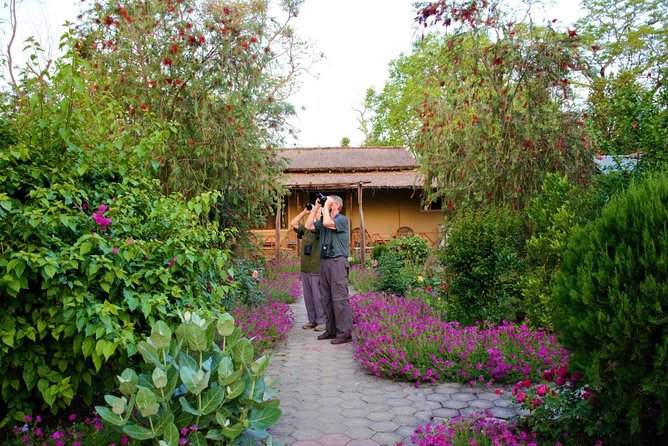
Your experience info also points to Chitwan National Park in the birding plan. If that’s the direction you take, expect a different rhythm than the Kathmandu-side foothills. Chitwan is about volume: more habitat variety in a compressed time window, and more opportunities to stack sightings.
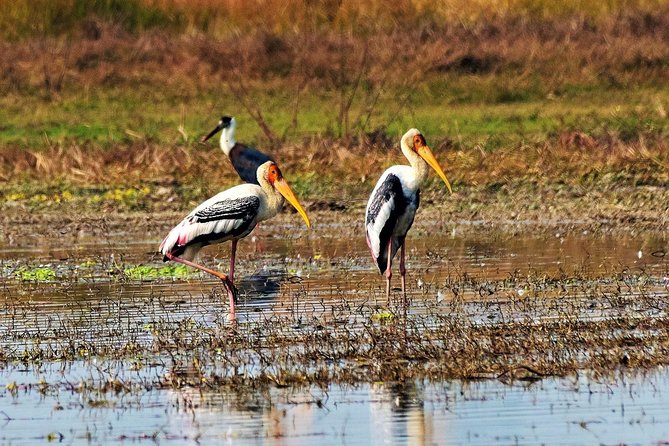
The bird targets highlighted for Chitwan are serious. The park is described as home to over 650 species of birds and 117 migratory birds. That matters because migratory periods can change what you see, and it also changes the kinds of calls you’ll be hearing in the morning.
One very specific standout mentioned is the Spiny Babblers, described as Nepal’s endemic bird. If you’re a list-maker, that’s the kind of species that makes a day feel like it had a mission.
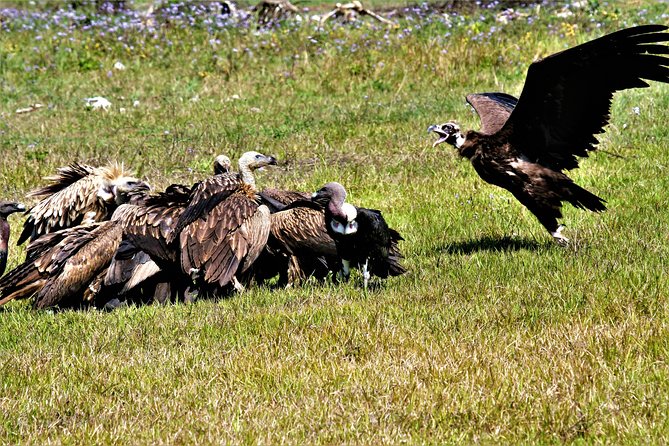
Chitwan also gets you into the raptor and aerial-view zone. Some of the species named include:
- Himalayan griffon, white-backed vulture, and black vulture
- beard vulture and dark kite
- hen harrier, goshawk, sparrow hawk, and sikhra
- common buzzard, Asian black eagle, and steppe eagle
That’s a lot of bird types packed into one day, and it can be mentally tiring if you go in with no plan. The smart way to handle it is to work with your guide: pick a few families you care about (vultures, raptors, babblers), and let the rest be bonus.
There’s also mention of a hike with views from Gadhi-Siraichuli IBA hills. If your route includes this, you’re not just sitting in one place. You’re combining birding with a scenic stop, which helps break up a long day.
The bird guide factor: more than species names
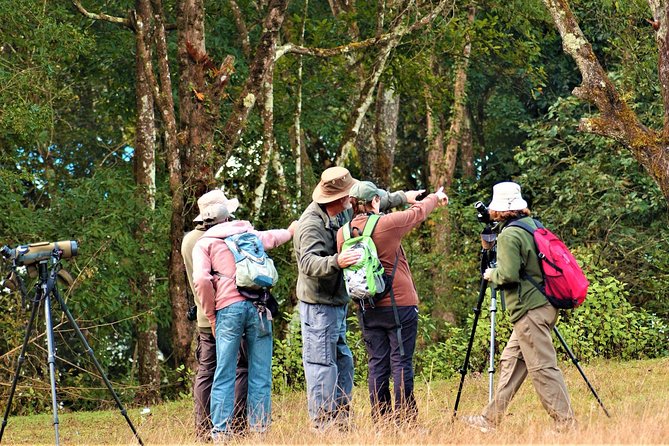
A birding guide doesn’t just tell you names. The best ones teach you how to look.
This provider’s guide network includes people like Bishnu Thapa, his son Krishna, Prem Thapa, Raju (mentioned in guide form), and Santa. Across the broader experiences associated with the company, the common thread is strong bird knowledge and the ability to work in different areas and conditions.
What I’d watch for, and what you should ask for, is the practical stuff:
- Can the guide explain the bird’s behavior in that exact moment?
- Can they tell you what to listen for when you can’t see well?
- Can they help you separate similar-looking species fast?
When the guide can do that, your day gets easier. You stop feeling like you’re relying on luck. Instead, you’re following a system—scan, listen, confirm, then move.
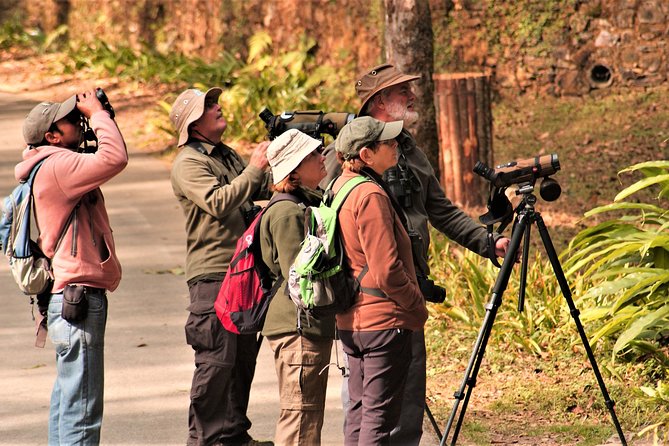
Also, because the tour is private, you don’t have to wait for someone else’s questions. You can spend extra time on a bird that’s half-visible, or skip ahead if your target is moving.
Price and time: is $225 worth it for a private birding day?
At $225 per person, this is not a cheap outing, but it’s not built like a luxury sightseeing package either. The value comes from three things you’re getting together:
- Private transportation to the birding area
- A bird guide who helps you find and identify
- All fees and taxes handled
So instead of paying for transport separately, buying guide time separately, and sorting fees yourself, you get a bundled day.
The trade-off is that your own day costs will rise if you forget the essentials. Breakfast, lunch, dinner, coffee/tea, alcoholic drinks, and bottled water are not included. That doesn’t make the tour bad. It just means you should budget for food and plan how you’ll handle drinking water on a longer hike.
Duration is listed as about 6 to 11 hours, which is a wide range. In practice, the length usually depends on where you’re going and how much time you spend on each stop. If you’re time-tight, use that custom element: ask for a pace that matches your energy and attention span.



A simple way to judge value
If you normally would book a driver for half a day plus pay for a guide separately, this starts looking like a sensible deal. The private format also matters. Birding is slow work. If you’re sharing the day, you lose time. Here, you don’t.
Getting the day to work with your schedule (pickup window matters)
This tour runs with an opening window of Monday through Sunday, 7:15 AM to 3:15 PM. That’s not just a random detail. A big part of birding is timing, and morning is often where calls start and visibility is best.
It also helps that pickup is offered, and the meeting info notes you’re near public transportation. So if you’re staying outside the central hotel zone, you’re not locked into only one location.
You’ll also get a mobile ticket, which is convenient if you don’t want to deal with paperwork.
One more scheduling perk: because it’s a private tour, the day can be shaped around your group’s pace, not a fixed crowd itinerary.
What to bring for a Himalayan-edge birding hike
This is the part people forget until they’re halfway up a hill wishing they’d packed better.
Bring:
- A water bottle (bottled water isn’t included)
- Snacks if you might get hungry during a 6–11 hour day
- A light rain layer, just in case
- Solid shoes for uneven ground
If you have your own binoculars, bring them. The tour description encourages getting a pair for active birding, and having your own setup usually makes it easier to focus quickly when a bird appears for seconds.
Also, be ready for a mental switch. Birding can make you want to check off species nonstop. I find it works better if you pick one or two targets for the day—like monal if that’s your dream—and let the rest become enjoyable bonuses.
Who this tour fits best
This is ideal if you:
- Want a private birding day without doing complex planning
- Are interested in the Kathmandu Valley edge habitats
- Like guided identification, not just casual sightseeing
- Have limited time but still want a proper hike
If you’re only looking for quick photos with minimal walking, this may feel like work. It’s a hike built for birding, not a drive-by.
If you’re a serious birder, the guide’s job becomes even more important. You’ll likely appreciate the way private time lets you focus on call recognition and small differences between species.
Should you book Nepal Birding in Kathmandu?
If your main goal is a guided birding day that gets you out of the city and into forest habitat, I think this is a strong choice. The private format plus bird guide support makes the experience easier to enjoy and more likely to produce meaningful sightings, whether you’re chasing the Himalayan monal or simply building a satisfying list.
Book it if you’re willing to plan food and water and you can handle a hiking day. Skip it if you need a fully catered day with meals included or you can’t spare the time window for a morning-to-afternoon outing.
In short: for $225, you’re paying for time, transport, and bird expertise. If those match what you want, it’s a good fit.
FAQ
How long is the Nepal Birding experience?
The duration is listed as approximately 6 to 11 hours.
Do I get pickup and private transportation?
Yes. Pickup is offered, and private transportation is included.
Is this tour private or shared?
It’s a private tour/activity. Only your group will participate.
What’s included in the price?
Private transportation, all fees and taxes, and a bird guide are included.
Are meals included?
No. Breakfast, lunch, dinner, coffee/tea, and bottled water are not included.
What birds might I see?
The experience notes a chance to spot Nepal’s national bird, the Himalayan monal. If your route includes Chitwan, it also highlights species like Spiny Babblers and several raptors.
What is the cancellation policy?
Free cancellation is available. You can cancel up to 24 hours in advance for a full refund.