REVIEW · COOKING CLASSES
Kathmandu: 3-Hours of Cooking Class with Meals
Book on GetYourGuide →Operated by Cordial Trek Pvt. Ltd. · Bookable on GetYourGuide
Cooking in Kathmandu beats eating out. In a few hours, you learn Nepali recipes step by step and then sit down to what you made, fresh and hot. It’s a fun, local-food style class in the Bagmati Zone that feels practical, not performative.
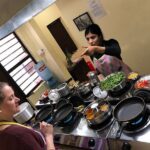
I really like the hands-on setup—no watching from a distance, you actually cook. And you’ll almost certainly leave with new confidence thanks to a chef who guides you through each dish while you adjust flavors to your liking (spice, salt, whatever fits your taste). Plus, momos are part of the deal, so it’s not just theory or a single “signature” plate.
One thing to consider: even though the overall time is listed as 3–4 hours, it can feel more like a class-and-meal flow than four straight hours of nonstop stove time. If you’re expecting nonstop chopping the whole time, plan for breaks while you learn the next steps.
In This Review
- Key things to know before you go
- Nepali Cooking That Feels Hands-On, Not Lecture-Style
- Three Menus, Four Dishes Each: The Value of Variety
- Momos and More: What You’ll Actually Eat
- Picking Fresh Ingredients: A Tactile Way to Learn
- Inside the Class: Step-by-Step Teaching and Flavor Control
- Meals, Drinks, and the Comfort-Food Factor
- Price and Value: Why This Can Be a Smart Kathmandu Deal
- Logistics That Actually Matter (And What to Bring)
- Who This Works For (and Who Might Want Another Option)
- Should You Book This Kathmandu Cooking Class?
- FAQ
- Where is the cooking class located?
- How long is the cooking class?
- What’s included with the price?
- Are momos included?
- Do I need prior cooking experience?
- What languages will the instructor speak?
- What should I bring?
- Is luggage or a large bag allowed?
- Are cold or alcoholic beverages included?
Key things to know before you go
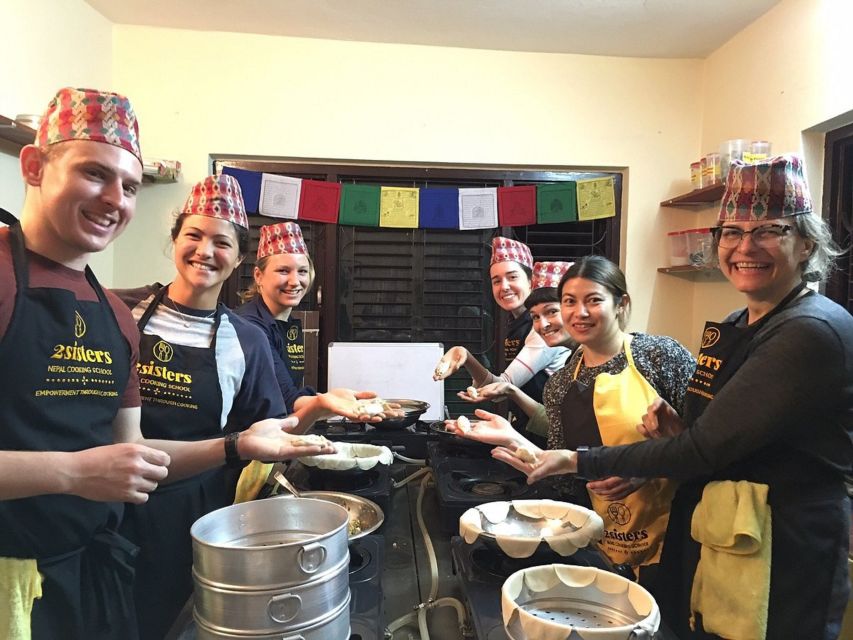
- You’ll cook real Nepali dishes under an instructor who stays with you through the steps
- Three menus, each with four dishes means lots of variety and something for different tastes
- Momos are included, so you get one of Nepal’s most recognizable comfort foods
- Flavor control is part of the lesson: you can dial the chili up or keep it mild
- You eat right away since you cook each course and enjoy it hot
- Pickup and drop-off are included, so you’re not juggling taxis on your own
Nepali Cooking That Feels Hands-On, Not Lecture-Style
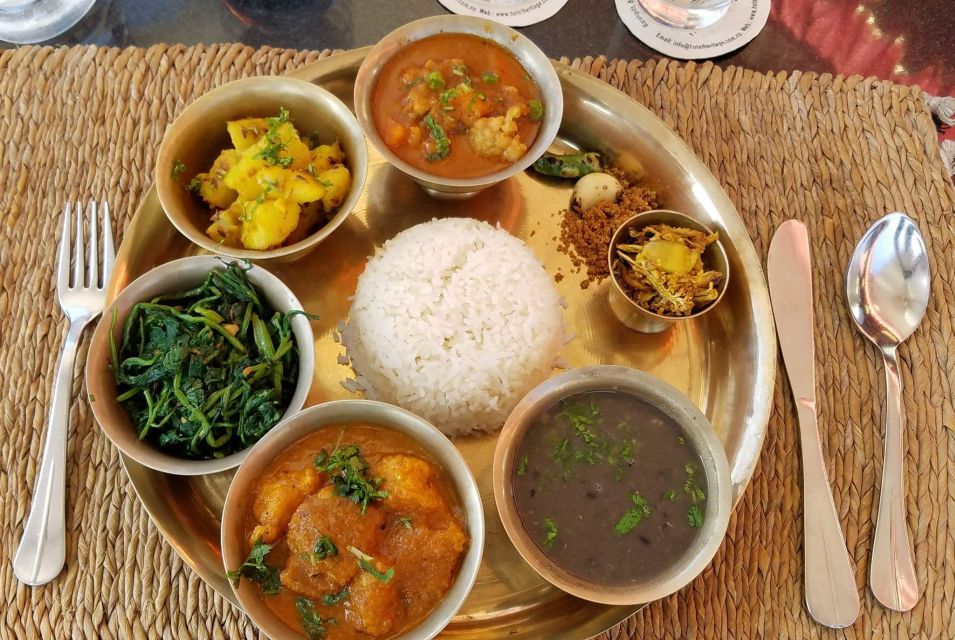
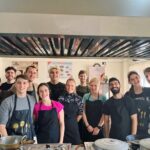
This class is built for people who want the food experience, not just photos. You’re in Kathmandu, in the Bagmati Zone, and the activity is designed around cooking from scratch with ingredients you can recognize and use again at home. The best part is that it doesn’t assume skill. If you can follow directions and taste as you go, you’re good.
The structure also makes it easier to enjoy. You’re not stuck with one dish for hours. Instead, you work through multiple dishes across three different menus, each menu offering four traditional items. That variety matters because it keeps the session lively, and it helps you learn how Nepali cooking changes across different ingredients and textures.
And yes, you’ll likely hear and taste the logic behind the flavors. Nepali cuisine often balances heat, acidity, and aromatics in a way that can surprise you if you only know it from restaurants. Having the chance to adjust the chili yourself is a big deal. You’re not stuck with someone else’s idea of spicy—you get to build your own version.
You can also read our reviews of more cooking classes in Kathmandu
Three Menus, Four Dishes Each: The Value of Variety
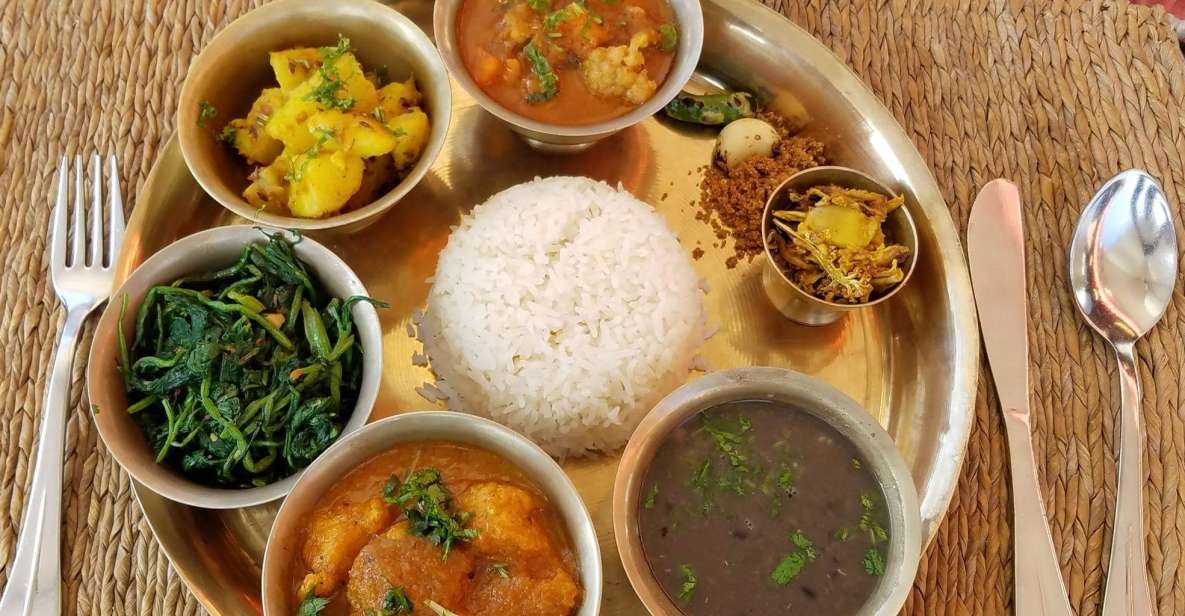
What makes this class especially worthwhile is how much you get to sample and repeat in your memory. With three menus and four dishes per menu, you’re not doing a one-note cooking workshop. You can pick what you want to focus on, and that choice helps the food land better for your personal tastes.
You’ll also see how Nepali dishes use different base flavors: things like spice mixes, aromatics, and sauces that behave differently depending on the dish. Even without a long “theory” talk, the workflow teaches you the order of operations—what needs to cook first, what goes in later, and what you should taste before you commit.
A practical plus: you cook one course and then eat it while it’s still hot. That keeps motivation high. It also means you learn faster, because the dish’s “finish” is right there in front of you. In most restaurant meals, you only get the final plate. Here, you get the process and the result in the same session.
One minor consideration: if your expectations are four uninterrupted hours at the stove, the timing may feel different. There’s step-by-step instruction and course transitions, so you may have short waiting moments while the next dish comes into play.
Momos and More: What You’ll Actually Eat
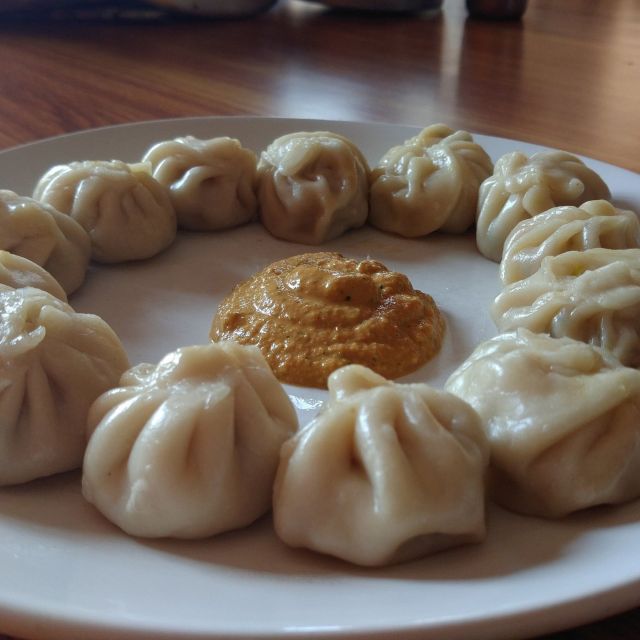
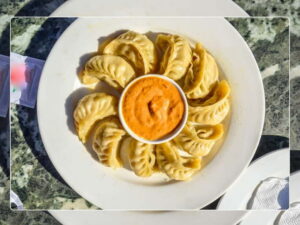
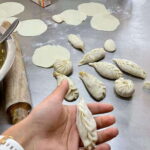
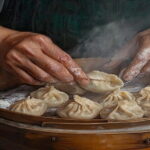
Nepal’s momos are included, which is a smart move by the organizers. Momos are widely loved and easy to recognize, so they make the class feel immediately satisfying. You’re not “earning” flavor through a single complicated dish—you get at least one crowd-pleaser that also teaches you something about Nepal’s culinary culture.
Beyond momos, the menus include multiple traditional Nepali dishes. The class is designed so no one gets stuck eating only one type of food texture or flavor profile. That matters if you’re picky, if someone in your group prefers mild spice, or if you simply want variety rather than one big challenge dish.
You’ll also get hot drinks as part of the meal. Masala tea is specifically included, and it’s a nice way to slow down and reset during the class. It also fits Nepal’s food rhythm—tea isn’t an afterthought here. It’s part of the way meals are enjoyed.
If you care about learning the “why,” the ability to customize flavors is key. The instructor guides you through steps for each dish, then you adjust based on your own taste. Love chili? Add more. Prefer mild? Keep it light. That’s how you turn “I followed instructions” into “I can cook this again.”
Picking Fresh Ingredients: A Tactile Way to Learn
One reason cooking classes feel different from eating tours is that your senses get involved early. This one is described as a hands-on class where you start with fresh ingredients and work through dishes step by step. And in at least some cases, you may go to local shops to see ingredients firsthand before you start cooking.
That can be a real advantage in Kathmandu, because local markets and ingredient choices can differ from what you find back home. Seeing what goes into the food helps you understand substitutes later, like which spices are essential versus which ones you can tweak. You also start to recognize the building blocks of Nepali flavor in a practical way.
Just keep expectations flexible if you’re traveling during festival season. One past experience notes that the market portion didn’t happen due to the festival calendar. That doesn’t ruin the class, but it can change how much time you spend on ingredient shopping versus getting straight into the kitchen.
So if your goal is pure learning in the stove environment, you’ll still get it. If your goal is also seeing ingredients in the local supply chain, expect that it may vary a bit day to day.
Inside the Class: Step-by-Step Teaching and Flavor Control
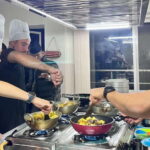
The instructor guidance is a core part of the value here. You don’t need cooking experience. The chef leads you through each dish in a way that keeps you moving, and you cook one course and enjoy it fresh. That “cook and eat right away” rhythm helps you feel progress fast.
The class language options are English and Hindi, which helps a lot if you don’t speak Nepali. Having the instructor communicate clearly makes a big difference when you’re learning cooking steps you can’t fully guess from visuals alone.
Here’s what you’ll likely enjoy most: flavor customization. This isn’t a rigid class where you must match a single predetermined spice level. You taste, adjust, and learn. If you want to keep things mild, you’ll learn how to do that without turning the dish bland. If you like heat, you’ll learn where chili fits so it boosts flavor rather than just burning your tongue.
A subtle benefit: you’ll also learn pacing and sequencing—what needs time, what needs attention, what can wait. That’s the difference between eating food that tastes right and cooking food that reliably turns out right.
You can also read our reviews of more tours and experiences in Kathmandu
Meals, Drinks, and the Comfort-Food Factor
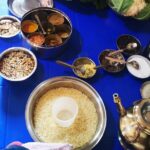
Let’s be honest: a cooking class has to end with food you actually want to eat. This one includes a lunch and hot drinks, including masala tea. That means you’re not paying for a brief taste and then scrambling for lunch elsewhere.
Eating what you make while it’s hot matters more than it sounds. It keeps the class satisfying and reduces the common disappointment of cooking for a long time only to get a lukewarm final plate. Here, the food is served fresh, and you get to experience it as intended.
I also like the overall balance: you get both the meal and the learning, without feeling like you have to “perform” as a cook. The class is described as family-friendly and fun, with a supportive team atmosphere. That kind of energy makes the whole thing easier if you’re traveling solo or you’re not sure how you’ll handle a hands-on activity.
One more practical note: cold drinks and alcoholic beverages aren’t included. That’s normal for many meal-included tours, but it’s good to know so you can plan if you want something specific.
Price and Value: Why This Can Be a Smart Kathmandu Deal
At about $2.15 per person, the pricing is unusually low for an experience that includes pickup, instruction, ingredients, and a full lunch with hot drinks. Even if you view the exact cost as variable depending on booking conditions, the big idea is the same: the value is in the amount of real food time you get for the money.
What makes that value believable is what’s included. You’re not just watching. You’re cooking with provided ingredients and equipment, and you’re eating what you make. Add the hotel pickup and drop-off, and you remove the hassle cost of finding transport across town.
If you compare this to paying restaurant prices for multiple Nepali dishes plus a tour fee, the math starts to look favorable quickly. You’re paying for skills too. Even if you never cook Nepali food perfectly at home, you’ll come away with a clearer sense of spices, techniques, and flavor balance.
Just calibrate expectations on cooking time. A few experiences note that it doesn’t feel like four full hours of nonstop cooking at the stove. But for most people, that trade-off is worth it because you still learn multiple dishes and get a complete meal out of it.
Logistics That Actually Matter (And What to Bring)
This is the kind of activity where small logistics can make or break your comfort level.
You’ll be picked up from your hotel and dropped back afterward. Plan to be ready about five minutes before pickup in your hotel lobby. That’s tight, but it’s typical for this style of local tour.
The class is described as not suitable for children under 5 and not suitable for people with mobility impairments. So if you’re traveling with family, consider age carefully. If anyone in your group has mobility limitations, this may not be the best fit.
What to bring is simple: a camera, comfortable clothes, and cash. Large bags or luggage aren’t allowed. If you’re doing Kathmandu like most people—checking out markets and temples all day—pack light for this segment so you’re not juggling a bag in a kitchen environment.
Also note the instructor’s languages are English and Hindi, so you’re covered there. If you prefer a specific language, you can ask when you book (based on availability).
Who This Works For (and Who Might Want Another Option)
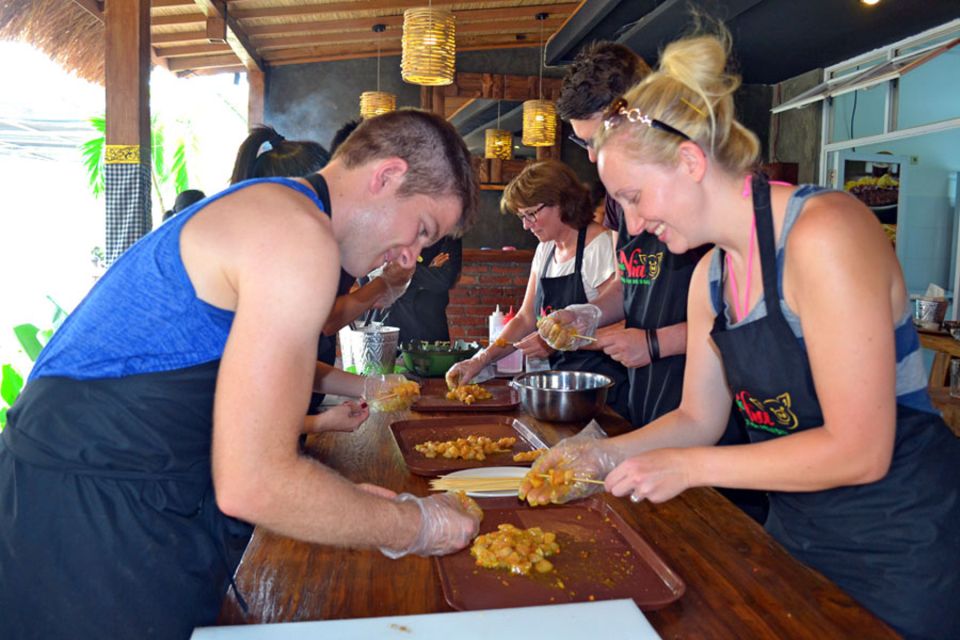
This class is ideal for food lovers who want something more personal than a restaurant meal. If you want a cultural experience you can taste and repeat, you’ll likely get a lot out of it. The hands-on nature helps even if you’re not a confident cook.
It also works well for small groups and family-style travel because it’s described as fun and beginner-friendly. You’re not expected to bring skills. You’re expected to participate.
If you’re the type who likes structured activities—clear steps, clear outcomes, and a meal at the end—you’ll enjoy the pacing.
On the flip side, if your main goal is extreme cooking depth—like learning advanced techniques, precise timings down to seconds, or professional-level knife work—you might find it more of a fun, guided workshop than a serious culinary course.
And if you need full accessibility or are bringing a lot of luggage, you’ll likely feel friction. The “no large bags” rule is one more reason to travel light.
Should You Book This Kathmandu Cooking Class?
I’d book it if you want a high-value, hands-on introduction to Nepali cooking that ends with a real lunch and includes momos. It’s also a great option if you’re curious about flavor control—because the class invites you to adjust the chili and tailor the taste instead of eating only what’s served.
Skip it if you’re expecting four hours of nonstop stove time, or if the activity would be difficult for someone under 5 or with mobility needs. And if you hate any kitchen mess at all, remember you’re cooking—so wear comfortable clothes you don’t mind potentially getting splattered.
If you’re in Kathmandu and want an activity that’s both practical and genuinely food-focused, this one is hard to beat for the price. You’ll leave fed, a little proud, and with recipes you can actually picture later.
FAQ
Where is the cooking class located?
The class is in the Bagmati Zone in Nepal.
How long is the cooking class?
It’s described as a 3–4 hour hands-on cooking class (with a duration listed as 4 hours).
What’s included with the price?
Hotel pick-up and drop-off, an expert cooking instructor, a 3–4 hour hands-on class, ingredients and equipment, lunch, and masala tea.
Are momos included?
Yes, Nepal’s famous momos are included.
Do I need prior cooking experience?
No prior cooking skills are needed. The chef guides you step by step.
What languages will the instructor speak?
The instructor teaches in English and Hindi.
What should I bring?
Bring a camera, comfortable clothes, and cash.
Is luggage or a large bag allowed?
No. Luggage or large bags are not allowed.
Are cold or alcoholic beverages included?
No. Cold and alcoholic beverages are not included. Hot drinks are included (including masala tea).