REVIEW · KATHMANDU
Jeep Trip to Upper Mustang
Book on Viator →Operated by World Himalaya Treks & Expeditions · Bookable on Viator
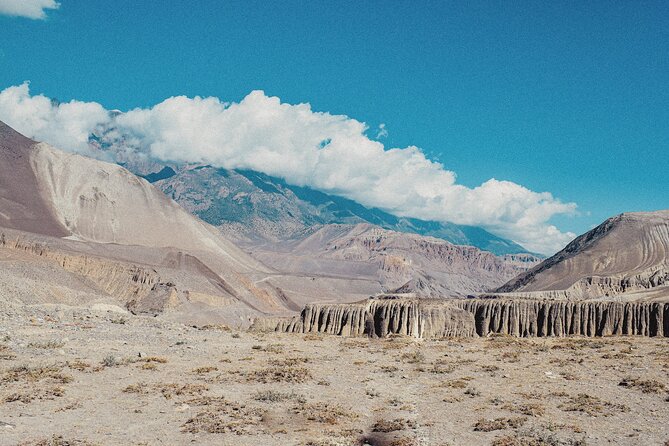
Upper Mustang by jeep feels like time travel. It’s a road trip through a stark, high-altitude Tibetan world, with Upper Mustang access paperwork handled and a route that trades trekking for 4×4 comfort. I especially like the focus on culture stops—from monastery compounds to the walled city lanes of Lo Manthang—without rushing you through the views. The main thing to consider is that this is still remote, so the ride can be bumpy off-road, and the whole plan depends on workable weather.
In other words: if you want Upper Mustang, but you don’t want to spend your days on a trek, this is built for you. You also get a private setup for your group, plus pickups and support from World Himalaya Treks & Expeditions, which many past groups describe as organized with friendly drivers and clean stays.
In This Review
- Key things that make this Upper Mustang jeep tour work
- Kathmandu to Pokhara: getting your bearings before Mustang
- Off-road Mustang begins on the Kali Gandaki route
- Marpha, Kagbeni, and the slow build of Upper Mustang culture
- Lo Manthang: the walled city part you came for
- Gompas, sky caves, and the Shija Jhung cave day
- Jomsom, markets, and the road-to-air return rhythm
- Pokhara and Kathmandu time: what you can actually do with free hours
- Price and value: what $2,200 is covering (and why permits matter)
- Who this jeep tour suits best (and who should think twice)
- Should you book this Upper Mustang jeep tour?
- FAQ
- What permits are included for Upper Mustang?
- How does transportation work during the trip?
- Are meals included?
- What’s not included for drinks and water?
- Is this a private tour?
- How far in advance do most people book, and what’s the duration?
- If weather is poor, what happens?
Key things that make this Upper Mustang jeep tour work
- Permits are built in: Upper Mustang restricted area permit fee (500 USD) plus Annapurna Conservation Area permit and TIMS card
- You skip trekking: it’s a jeep-based route through Mustang’s villages and dry terrain
- Lo Manthang is the centerpiece: walled-city wandering paired with monasteries like Jampa Gompa
- Caves and sacred sites: Namgyal Gompa, sky caves of Chhoser, and the Shija Jhong cave
- A smart rhythm for the return: after Mustang roads, you fly back to Pokhara in the middle of the trip
Kathmandu to Pokhara: getting your bearings before Mustang
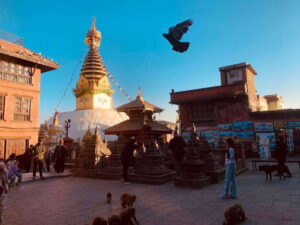
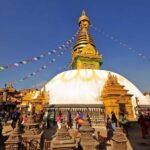
Most people start in Kathmandu with enough time to reset and get their eyes used to Nepal’s pace. You’ll have airport transfers to your Kathmandu hotel, then a welcome meeting in the evening. After that, you’ll tour major UNESCO sites around the valley, including Swayambhunath and Patan Durbar Square, plus Pashupatinath and Boudhanath Stupa.
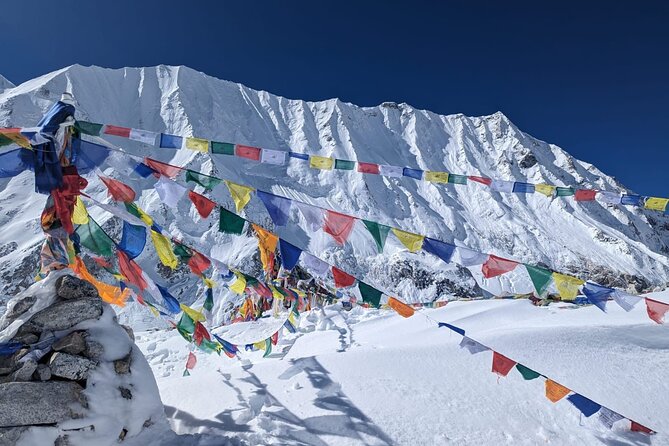
Why this matters: these days help you understand the religious and cultural setting you’ll see later in Mustang. When you’re staring at prayer flags and monastery walls in a drier, more Tibetan-looking landscape, you’ll recognize the patterns faster. It’s not just sightseeing. It’s context.
On the next day, you drive to Pokhara. The road shift is real: countryside, rivers, villages, farms, and mountain scenery. You spend a night in Pokhara so you’re not rushing into the Mustang dirt the moment you arrive.
What I like about the setup: you get a clean handoff. Hotel nights in Kathmandu and then Pokhara keep the trip from feeling like nonstop motion.
One practical consideration: Kathmandu admissions for some sights aren’t included, so it helps to budget a bit for temple entry where required.
You can also read our reviews of more tours and experiences in Kathmandu.
Off-road Mustang begins on the Kali Gandaki route
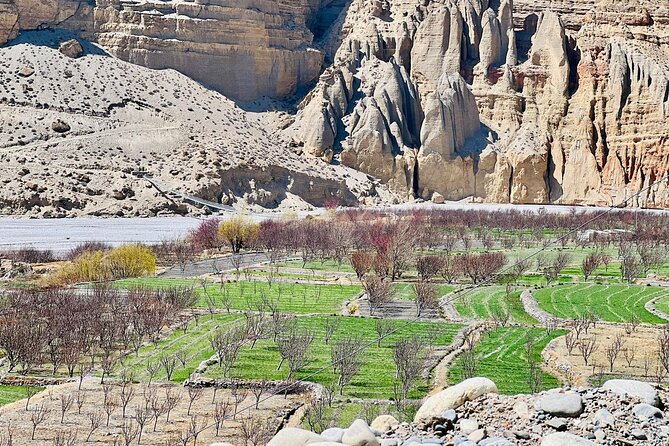
Day four is where the trip turns into something you’ll remember for the wrong reasons if you hate rough roads. First you drive west to Beni, then follow the Kali Gandaki River. After Beni, the route becomes off-road. That means vibration, dust, and plenty of bouncing around.
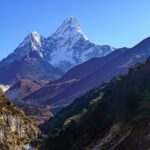
The tradeoff is worth it for the kind of terrain you’re chasing. The Kali Gandaki corridor is one of the big travel routes into Mustang, and seeing it from a jeep gives you a moving viewpoint without the daily effort of trekking. You pass traditional settlements, and your guide’s stop rhythm keeps you from feeling like you’re just staring out the window.
What to expect day-to-day on the “road days”:
- short breaks when you reach villages or key viewpoints
- slow stretches where you’ll feel each change in ground
- plenty of chances to photograph along the river and ridgelines
If you’re prone to motion sickness, bring what works for you. Also, pack for dust. Even if your vehicle is well maintained, Upper Mustang weather can be dry and abrasive.
Marpha, Kagbeni, and the slow build of Upper Mustang culture
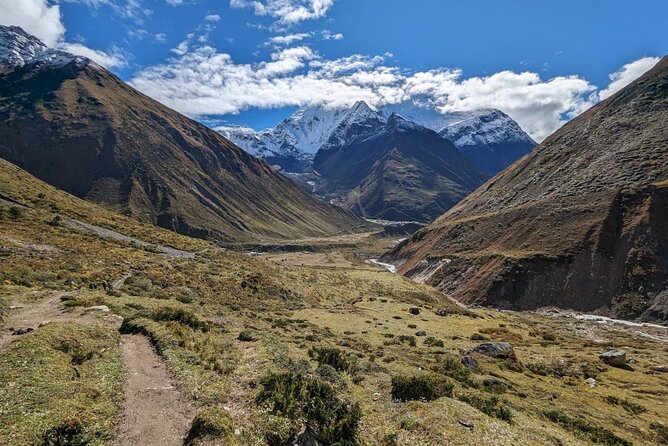
Before you reach the core Mustang region, you’ll visit some key character villages. Marpha is one of them. You drive through Kalopani and Ghasa, explore apple farming in Marpha, and check out the Jomsom local market. The route crosses through Kagbeni afterward.
This matters because Marpha and Jomsom are like the warm-up act. You start to see how Mustang life works: smaller villages, old farming rhythms, and stone architecture that looks built to handle harsh weather.
Then you reach Kagbeni, and this is a highlight for many people because Kagbeni feels like a border town in spirit. You’ll visit Kagbeni Monastery and a Buddhist school. Before you leave Kagbeni for Upper Mustang, your guide checks your special Upper Mustang permit and your journey officially shifts into restricted-area logistics.
That permit step isn’t just paperwork. It’s your signal that the trip has moved from normal travel corridors into the controlled, culturally protected Mustang zone.
A small heads-up: Kagbeni-style stops are active and tight. Wear shoes that handle uneven ground.
Lo Manthang: the walled city part you came for
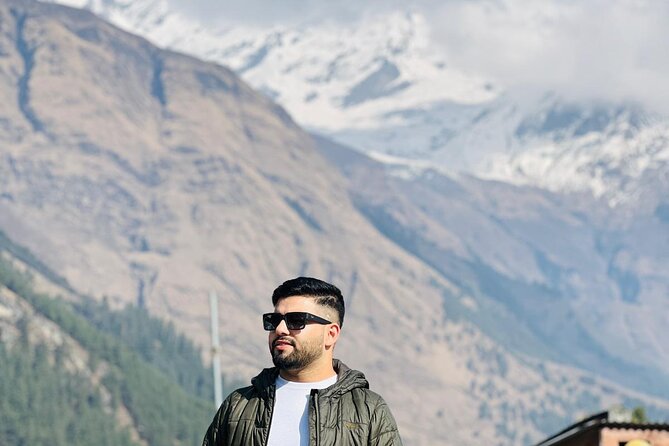
Lo Manthang is where the trip earns its name. You’ll spend time exploring the walled city and its narrow alleys, plus traditional architecture that reflects long-held Tibetan customs. This part of the journey feels less like hopping from attraction to attraction and more like learning the layout of a place.
You’ll connect with major monastery sites while you’re there. Key stops include Thubchen Gompa and other important monastery compounds in the Mustang area, such as Charang Monastery and Jampa Gompa. Jampa Gompa is noted as the oldest monastery built in the region (the specific detail provided in your tour materials is brief, but the age reference is clear).
Why I think this is the best value part of the trip: Lo Manthang isn’t just a town. It’s a surviving system—walls, streets, religious sites, and daily life that still follow ancient rhythms. A jeep tour helps because it keeps you in the city long enough to notice how people actually live there, not just to take a few photos and move on.
Drawback to plan for: Lo Manthang days are culturally rich, but they can also mean more walking on uneven surfaces. If you hate stairs or rough footing, keep that in mind.
Gompas, sky caves, and the Shija Jhung cave day
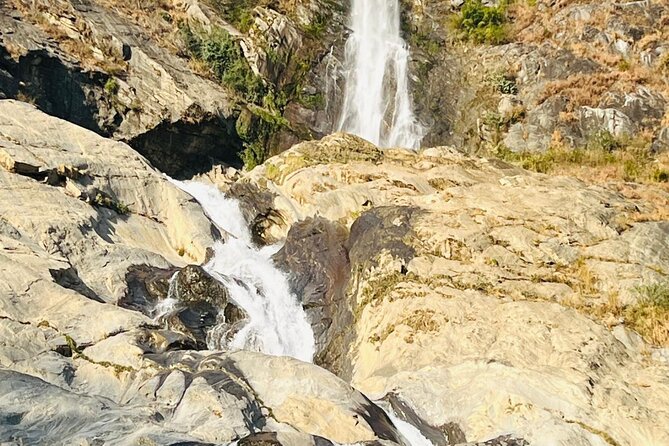
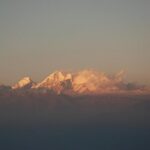
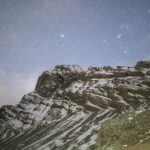
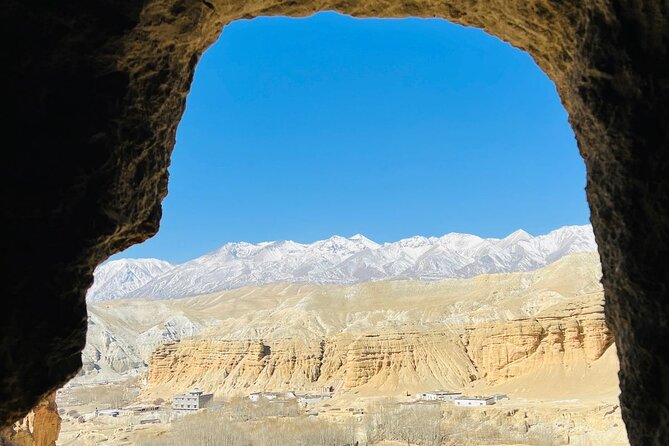
Past Lo Manthang, the tour shifts into “sacred geology” mode. You visit Namgyal Gompa and then head to sky caves of Chhoser. Another major stop is the Shija Jhong cave area, described as dating back over 3,000 years and associated with archaeological excavation.
This is one of the reasons a jeep tour can be smarter than a trek for some people. Cave days can be tiring, and the Mustang region is not gentle. Instead of a full hiking grind, you get transport support between sites and can spend more energy on the visit itself.
You’ll also see a mix of older religious sites and places where history is literally carved into rock. It’s not just scenic; it’s structured. Each site has a role in the broader Mustang story of Tibetan Buddhism and long-standing settlement patterns.
What I appreciate here: the tour doesn’t treat caves and gompas as a checkbox. The sequence makes sense. You go from monasteries to caves, so your brain starts linking spiritual practice with the environment that shaped it.
Jomsom, markets, and the road-to-air return rhythm
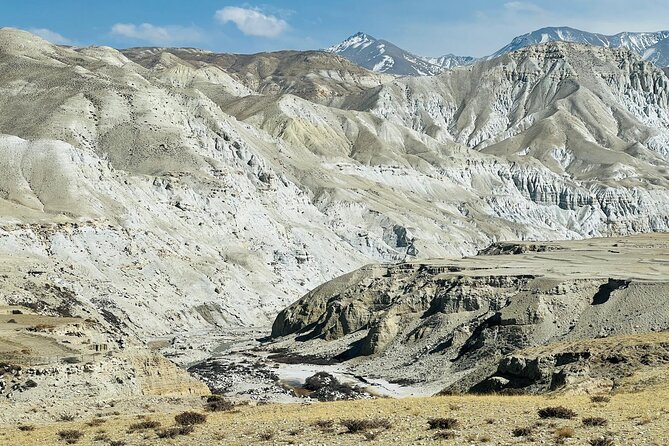
Eventually you head back toward Jomsom. On your way, you’ll drive past local villages along the Kali Gandaki River and see Buddhist stupas and monasteries. Once you reach Jomsom, you’ll have time to explore the local market.
Markets matter in Mustang because they’re where daily needs show up. You’ll see what people trade, how the town functions, and how travelers move through the area. It’s the more human side of a trip that otherwise feels like traveling through stone and wind.
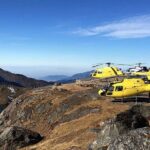
Then comes a useful twist: you fly back to Pokhara the next day, early in the morning. After that, you’ll do an afternoon Pokhara sightseeing tour focused on highlights around the lakeside area.
Why the flight helps: it prevents the trip from turning into a two-week loop of the same rough road conditions. You get a change of rhythm—less engine noise, more time to relax and absorb.
Pokhara and Kathmandu time: what you can actually do with free hours
Not everything in this tour is Mustang duty. You’ll have time in Pokhara for sightseeing after the return, and then a free day later in Kathmandu for shopping around Thamel.
That free time is practical. You’ll likely want to buy small travel items you didn’t pack the first time: chargers, layers, or gifts. Thamel is where Kathmandu gives you a little modern convenience after days of dust and remote stops.
If you like to plan ahead, use that free day to organize photos and double-check your travel documents. After a trip like Upper Mustang, you’ll come back with lots of images and memories—and it helps to sort them while you still have your notes fresh.
Price and value: what $2,200 is covering (and why permits matter)
At about $2,200 per person, this isn’t a budget hop. But it’s also not just paying for a car.
Your price includes:
- airport transfers and a Kathmandu sightseeing guide (English speaking)
- the Upper Mustang restricted area permit fee (500 USD)
- Upper Mustang-related permits and conservation paperwork, including Annapurna Conservation Area permit and TIMS card
- meals included on the route: breakfasts (13), lunches (10), dinners (10)
- medical supplies (a first aid kit is available)
- taxes and government/local charges
Permits are the big story here. Upper Mustang is restricted, and without the right access, you can’t do this trip the way it’s meant to be done. By bundling those fees, you avoid the scramble of piecing together paperwork and losing time.
What you should watch for on costs: lunch and dinner in Kathmandu and Pokhara are not included, and beverages plus mineral water/boiled water are not included either. If you’re the type who drinks a lot of water and avoids tap water, budget for that. Also, tips for staff aren’t included, so decide early what you want to give.
Bottom line on value: if you care about doing Upper Mustang with the right permissions, sensible meal coverage, and road transport that gets you between sites, this price starts making sense. If you want full self-guided travel and you already have permits lined up, then the value would be different. But for most visitors, this is a clean package.
Who this jeep tour suits best (and who should think twice)
This is a great fit if you:
- want Upper Mustang without the commitment of trekking
- like cultural stops as much as scenery
- feel comfortable on long road days with off-road stretches after Beni
- want a well-organized plan with permits handled for you
It may be a less ideal fit if you:
- get motion sick easily
- hate rough ground and long days with limited comfort
- want totally flexible, go-your-own-way routing
Also consider season and weather. The tour materials state it requires good weather. The plan can be adjusted or canceled if conditions aren’t right, and you’d be offered a different date or a full refund.
Should you book this Upper Mustang jeep tour?
If your heart says Upper Mustang, but your body says no trekking, I’d strongly consider booking. The biggest reasons are simple: you get restricted-area access built in, you reach Lo Manthang and major monastery/cave sites, and you’re not stuck reversing the same long road for every segment thanks to the flight back to Pokhara.
Book this tour if you like structure and don’t want permit stress. Skip it if you’re chasing total freedom or you can’t handle the reality of off-road jeep travel after Beni.
FAQ
What permits are included for Upper Mustang?
Your tour price includes the Upper Mustang restricted area permit fee of 500 USD, plus an Annapurna conservation area permit and a TIMS card.
How does transportation work during the trip?
You use private vehicles for airport transfers and Kathmandu sightseeing, and 4WD vehicles (including Land Cruiser/Mahindra Scorpio) for the route through the Mustang region. You also fly back to Pokhara in the middle of the trip (early morning from Jomsom).
Are meals included?
Yes. The included meals list covers 13 breakfasts, 10 lunches, and 10 dinners. Lunch and dinner in Kathmandu and Pokhara are not included.
What’s not included for drinks and water?
Beverages, alcoholic drinks, mineral water, and boiled water are not included, along with any food and drinks not listed in the itinerary.
Is this a private tour?
Yes. It’s described as a private tour/activity, so only your group participates.
How far in advance do most people book, and what’s the duration?
The tour is typically booked about 16 days in advance on average, and the duration is listed as 14 days (approx.).
If weather is poor, what happens?
The experience requires good weather. If it’s canceled due to poor weather, you’ll be offered a different date or a full refund. You can cancel up to 6 days in advance for a full refund.