That fast, high-altitude feeling is the whole point. This Everest Base Camp heli tour turns a multi-day trek into a 5–6 hour flight-and-photo circuit with big views and a real stop at Kala Patthar. I like the tight planning: small group size (max 5) and a route built around multiple lift-offs and landings at Everest-area airstrips.
Two things really sell it for me. First, you get a proper Everest Base Camp and Icefall aerial moment, not just a quick flyover. Second, you land at Everest View Hotel for breakfast with the mountains right there. One drawback to be aware of: the day runs early and fast, and photo stops are short—plus weather can force changes.
In This Review
- Key things to know before you go
- Why an Everest Base Camp heli tour feels different than a trek
- Price and value: what $1,800 covers (and what might cost more)
- The morning in Kathmandu: early pickup and a tight schedule
- Lukla and the first flight segment: Tenzing Hillary’s tough airstrip
- The Everest Base Camp and Icefall moment: what you’ll actually be looking at
- Kala Patthar step-out: 10–15 minutes at about 5,500 m
- Pheriche and the 3-passenger shuttle reality above 4,500 m
- Everest View Hotel breakfast: the calm break before the return
- The return flow: refuel at Lukla and back to Kathmandu
- Who this tour fits best (and who should hesitate)
- How to get the most from your Everest heli day
- Should you book the Everest Base Camp heli tour?
- FAQ
- What is the total time for the Everest Base Camp heli tour?
- Where does the tour start and when?
- Do you stop at Lukla and Kala Patthar?
- How long do you spend at Everest View Hotel for breakfast?
- How many people are in the helicopter?
- Are park and airport fees included in the price?
Key things to know before you go
- Max 5 travelers on the helicopter means less crowding at the most photo-hungry points of the trip.
- Kala Patthar step-out is only 10 to 15 minutes at around 5,500 m, so be ready when the doors open.
- Everest View Hotel breakfast is part of the experience, not an afterthought at the end.
- Pheriche shuttle reality: helicopter landing/takeoff limits above 4,500 m can split groups.
- Lukla starts the route (Tenzing Hillary), a famously challenging airstrip where timing matters.
- Park fees may be extra (Sagarmatha National Park and Pasang Lhamu RM fees), even though many taxes are handled.
Why an Everest Base Camp heli tour feels different than a trek
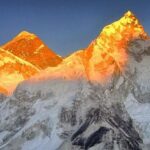
A helicopter day doesn’t give you the slow acclimatization rhythm of hiking, but it does give you something else: a concentrated hit of the Everest region from multiple angles. You’ll spend the day flying over and around iconic landmarks like Everest Base Camp and the Khumbu Icefall, then grab a high-altitude viewpoint at Kala Patthar.
This is also an “information transfer” kind of experience. When you’re that high, most people don’t want lectures—they want clear wayfinding and context. Guides associated with Ace the Himalaya have been praised for staying attentive and focused on safety, and for sharing background about the culture and environment you’re passing over.
You can also read our reviews of more tours and experiences in Kathmandu.
Price and value: what $1,800 covers (and what might cost more)
At $1,800 per person, this isn’t a cheap thrill. The value is mostly in three areas: logistics, access, and time. You’re paying for round-trip helicopter flights between Kathmandu and Everest Base Camp, plus the administrative work and taxes tied to the operation.
Included items you should clock:
- Airport pickup and drop-off by tourist vehicle from your Kathmandu hotel
- Round-trip helicopter fare between Kathmandu and Everest Base Camp
- Landing at Everest View Hotel for breakfast
- Fuel surcharge and administrative expenses/taxes
- Helicopter seats capped at 5 people
Things that may be extra (and matter if you’re budgeting tightly):
- Breakfast is listed as not included in the price details, but the itinerary and included section both point to breakfast at Hotel Everest View—so expect breakfast to be part of the planned stop there
- Sagarmatha National Park and Pasang Lhamu RM fees (NPRS 6,000) and airport tax (NPRS 500) are not included
- Personal gear and a down jacket aren’t included
- Alcoholic beverages aren’t included
The practical takeaway: even if the flight is the big-ticket item, your final bill may still climb with park/airport charges and any extras you decide you need at the last minute.
The morning in Kathmandu: early pickup and a tight schedule
The day starts very early—pick up around 5:45 am at Tribhuvan International Airport area, with the tour timing laid out from roughly 5:30 am to 6:30 am for airport formalities. You’ll get a transfer to the domestic terminal, complete the necessary airport steps, then be ready for the first hop.
The itinerary is built like a chain: each segment depends on the next. That’s why the tour duration stays around 5 to 6 hours overall. If you like a leisurely morning, this won’t be it. If you like efficient travel that gets you to Everest before the day turns cloudy, you’ll probably appreciate the push.
Lukla and the first flight segment: Tenzing Hillary’s tough airstrip
You’ll fly to Lukla (2,804 m / 9,199 ft), also known as Tenzing Hillary. It’s described as one of the deadliest airports in the world, and the nickname alone tells you the vibe: this is an airstrip where pilots earn their keep.
Your Lukla stop is short (about 15 minutes), and the key point isn’t sightseeing. It’s that this is where the route “sets the hook” into the Everest region. Expect a quick, controlled pause—enough to connect the dots for the rest of the day.
The Everest Base Camp and Icefall moment: what you’ll actually be looking at
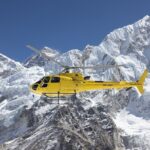
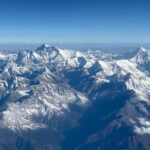
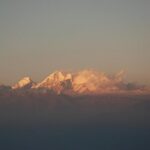
After Lukla, the most emotional part of the day is the aerial window. You’ll fly toward Everest Base Camp and Kala Patthar, including views over the Khumbu Icefall and enormous peaks around the Everest region. It’s not the slow reveal you get on foot, but it’s still a strong sense of place—Base Camp sits at 5,364 m, and the area around it looks surreal from above.
Because this segment happens in the air, your best tactic is simple: keep your camera ready but don’t freeze. You’ll want to watch the changing angles of glacier and icefall as your helicopter route moves, not just take one photo and move on.
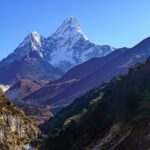
Kala Patthar step-out: 10–15 minutes at about 5,500 m
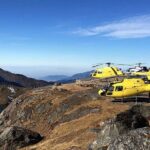
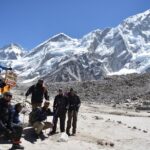
Kala Patthar is the Everest region’s famous high point above Base Camp trekking routes. You’ll step out there for photo ops for about 10 to 15 minutes, reaching roughly 5,500 m / 18,044 ft.
That short window is both the magic and the pressure. It’s magic because you get a high-altitude Everest photo moment without the trek. It’s pressure because weather, timing, and cold can shrink your comfort zone fast. Go in planning to act quickly: pick your photo angle, grab a few shots, then accept that the helicopter schedule runs the show.
Also, at this altitude, you’re not visiting with time for long wandering. The goal is photo-first, admire-while-standing, and then back aboard.
Pheriche and the 3-passenger shuttle reality above 4,500 m
One of the most useful details in the plan is the note about helicopter landing and takeoff limits above 4,500 m. The tour explains that if you’re in a group of 5, the operator shuttles flight in groups of 3 and 2 after landing/transfer needs at higher altitude.
In plain terms: this tour isn’t just “fly there, step out, fly back.” It’s an operations problem solved with extra coordination. If your mind likes clarity, this explanation helps: it means you should be prepared for slight routing changes depending on how passenger loads split to match altitude constraints.
Everest View Hotel breakfast: the calm break before the return
Later in the morning, you’ll fly to Hotel Everest View around 3,880 m / 12,730 ft. Expect a longer stop here—about 2 hours—with breakfast served while you take in the Himalayas from one of the region’s well-known viewpoint setups.
This is a smart inclusion. After the high, intense photo moments (Kala Patthar) and the flying time, breakfast is your chance to slow down, warm up a little, and reset. It also gives you a different viewing experience: instead of hunting for angles out of a moving window, you get a steadier “look and breathe” moment.
If you’ve read about guides like Raj and Narayan being praised for attentive care and keeping people safe, this is where that “care” tends to show. A good guide helps you time your meals and take the day at the altitude your body is handling.
The return flow: refuel at Lukla and back to Kathmandu
After the breakfast stop, the tour returns toward Lukla and then on to Kathmandu. The plan shows roughly:
- Fly from Everest View Hotel to Lukla (with refuel)
- Then return to Kathmandu
- Pick-up from the airport back to your preferred Kathmandu drop location
The total time stays tight, so don’t plan extra stops in the city that day. If your schedule includes dinner or a flight later that evening, this tour timing is usually workable—but it’s wise to leave some buffer so you’re not rushing after a long early morning.
Who this tour fits best (and who should hesitate)
This is a good option if you want Everest imagery without trekking days. It also fits well if you’re traveling as a mixed group where not everyone can hike. One review story (in general experience with Ace the Himalaya) highlighted taking kids and moving safely across different ages, which lines up with why people choose heli tours in the first place.
Here’s what you should check before you commit:
- Weight limit: the tour lists 176 lbs total weight per passenger. If you’re near or above that, confirm what the operator can accommodate.
- Cold and altitude tolerance: you’ll be at extremely high elevations, including around 5,500 m for the Kala Patthar stop.
- Weather dependency: the tour requires good weather, and poor weather can trigger a date change or refund option.
If you love long walks, gradual acclimatization, and lingering viewpoints for hours, a helicopter day may feel too short. But if you want a once-in-a-lifetime Everest sighting packed into one morning, this format is made for you.
How to get the most from your Everest heli day
You can’t control weather or flight schedules, but you can control how ready you are.
Bring what you’ll need because personal gear and a down jacket aren’t included. Also plan for a day that starts before most cities wake up. If you show up stressed, cold, or underprepared, the helicopter schedule doesn’t care.
When you’re at Kala Patthar, treat it like a photo window with a mission: aim first, shoot fast, then enjoy the view while you still have it. And when you’re at Everest View Hotel, use the breakfast time for what it’s there for—warming up, hydrating, and letting the morning’s intensity settle.
If you’re lucky enough to travel with a guide known for clear care and humor (names that have come up include Madan and Nimesh in other Everest-region experiences), you’ll likely find the day feels smoother and less scary. They’re praised for helping with pacing, staying safe, and giving people the right context without turning it into a lecture.
Should you book the Everest Base Camp heli tour?
I’d book it if your priority is Everest visuals with minimal time on the ground and you’re comfortable with a short, high-altitude photo stop. It’s also a strong pick if your group has mixed fitness levels and you still want everyone sharing the same Everest moment—without splitting into separate plans.
I’d think twice if the idea of a very early start, tight timing, and weather-dependent changes makes you uneasy. And if you know you don’t handle cold or altitude well, treat this as a serious trip, not a simple sightseeing flight.
FAQ
What is the total time for the Everest Base Camp heli tour?
The tour runs about 5 to 6 hours from early morning pickup through the return to your Kathmandu drop location.
Where does the tour start and when?
It starts at Tribhuvan International Airport area, with the tour start time listed as 5:45 am (airport formalities are planned from around 5:30 am to 6:30 am).
Do you stop at Lukla and Kala Patthar?
Yes. You fly to Lukla and then continue toward Everest Base Camp and Kala Patthar, where you step out for photo ops for 10 to 15 minutes.
How long do you spend at Everest View Hotel for breakfast?
You’ll have about 1 to 2 hours at Everest View Hotel, with breakfast included as part of that stop.
How many people are in the helicopter?
The helicopter seats are capped at maximum 5 people, and the activity has a maximum of 5 travelers.
Are park and airport fees included in the price?
No. The tour data lists Sagarmatha National Park and Pasang Lhamu RM fees (NPRS 6,000) and airport tax (NPRS 500) as not included.