REVIEW · HISTORICAL TOURS
Nagarkot Sunrise With 7 UNESCO World Heritage Private Tour
Book on GetYourGuide →Operated by Mount Glory Treks · Bookable on GetYourGuide
Sunrise over the Himalayas rewires your morning. This private day pairs Nagarkot sunrise with visits to Kathmandu Valley’s 7 UNESCO World Heritage Sites, so your trip is not just photos, but real temples, stupas, and everyday religious life.
I love how the tour is built for comfort and clarity: hotel pickup, an English-speaking guide, and a private AC vehicle keep the day from turning into pure logistics stress. I also like that the guide connections are practical, linking what you see to the big-picture themes of Hinduism and Buddhism, including the intense atmosphere around Pashupatinath.
One possible drawback: it’s a long 12-hour schedule packed with major sites, so expect stairs, early starts, and some fatigue even with a private car.
In This Review
- Key highlights you’ll actually feel
- How the Nagarkot Sunrise Sets the Tone for 7 UNESCO Stops
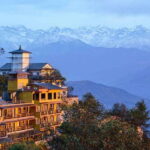
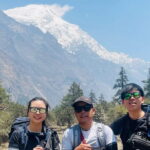
- Nagarkot at sunrise: the mountain view part you’ll remember
- Changunarayan Temple: an older, quieter kind of UNESCO
- Bhaktapur Durbar Square: a living museum of temples and palaces
- Patan Durbar Square: Newari craftsmanship in Lalitpur
- Boudhanath Stupa: Tibetan Buddhism in a massive, daily setting
- Swayambhunath Monkey Temple: the hilltop view and spiritual mix
- Pashupatinath Temple: Hindu devotion on the Bagmati River
- Kathmandu Durbar Square: Malla-era royal power meets living festivals
- Value for $172: what you’re really paying for
- Who this private sunrise-and-UNESCO combo fits best
- Should you book Nagarkot Sunrise with 7 UNESCO World Heritage Sites?
- FAQ
- How long is the Nagarkot sunrise and 7 UNESCO private tour?
- Where are hotel pickup and drop-off?
- Is this a private tour or a shared group?
- What’s included in the price?
- Are UNESCO entrance fees included?
- Is food or drinks included?
- Can I see Mount Everest during sunrise?
- What is the cancellation policy?
- Is the guide available in English?
Key highlights you’ll actually feel
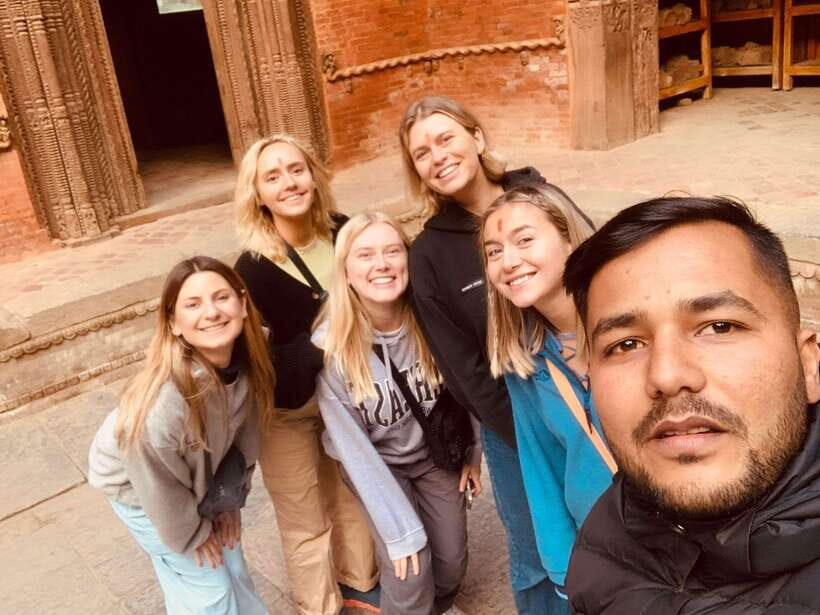
- Nagarkot at 2175m for a Himalayan sunrise view (and Everest can show up on clear mornings)
- Seven UNESCO World Heritage Sites in one guided day across Kathmandu Valley
- A calm, English-speaking guide who answers questions and explains what you’re seeing
- Pashupatinath’s sacred riverbank ceremonies that can be emotionally powerful
- Stupas and temples that show Hindu-Buddhist overlap in real life
- Private vehicle with AC plus bottled water, so you start the day better than most
How the Nagarkot Sunrise Sets the Tone for 7 UNESCO Stops
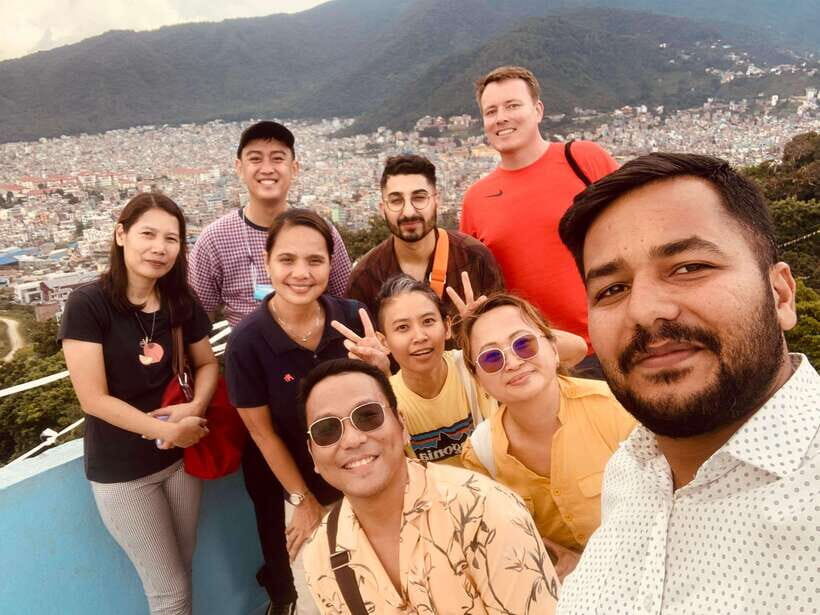
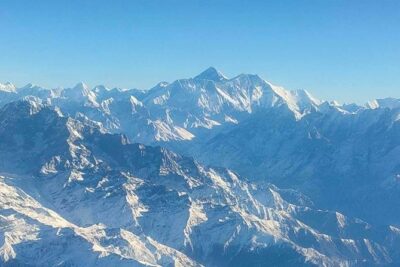
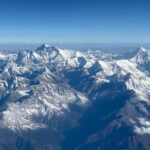
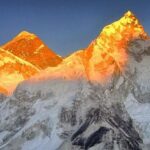
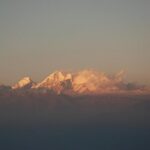
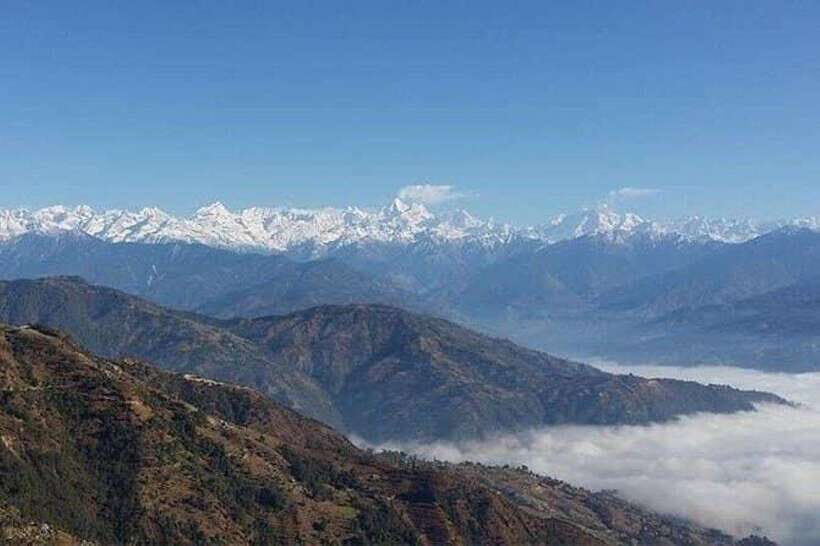
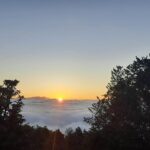
This is the kind of tour where the first scene matters. You begin in the hill station of Nagarkot, where sunrise light can turn mountain edges gold and make the Himalayas feel close enough to touch. Even if you know the photos online, seeing the range in morning haze has a different weight.
Then the day shifts from mountains to human culture. You’re not just checking boxes. You’ll move from palaces and temple squares to religious complexes and stupas that locals treat as living spaces, not museum pieces.
What makes the day especially good value is that you get a private rhythm: an AC vehicle, hotel pickup and drop-off within Kathmandu Valley, and an English guide who can connect the dots. When a guide like Santosh is on the schedule, it tends to feel less like a lecture and more like a conversation about rituals, worship, and why certain places matter so much.
You can also read our reviews of more private tours in Kathmandu
Nagarkot at sunrise: the mountain view part you’ll remember
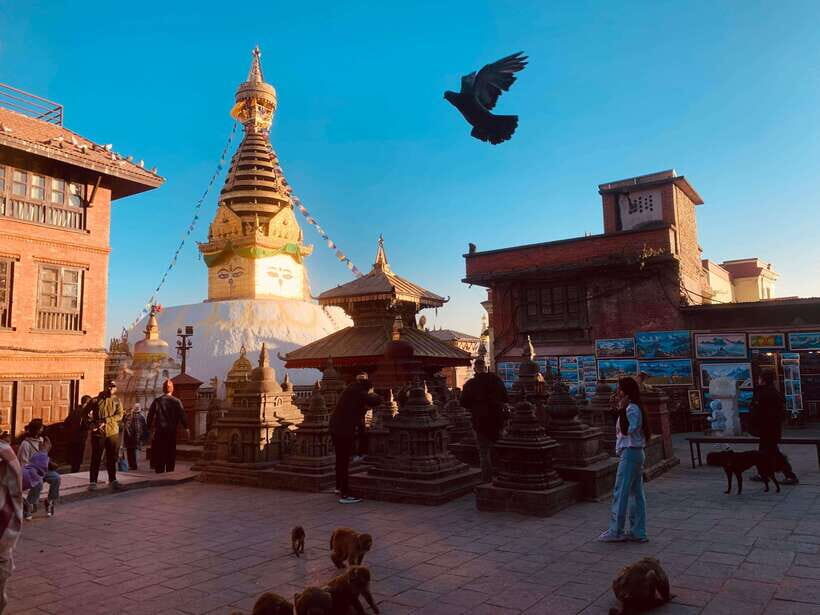
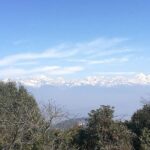
Nagarkot is famous for sunrise from about 2175m, and that’s exactly why this tour starts there. The goal is a clear view of the Himalayan range, and on good visibility you may even catch Mount Everest in the distance. Clear mornings are the key condition, so part of your success depends on the weather.
From a practical standpoint, think of sunrise as the engine of the whole day. It’s early, yes, but it gives your brain a reset before you spend hours walking temple courtyards and reading carvings. Also, the view gives context to later stops: you’re not only learning religious history in Kathmandu Valley, you’re learning it while surrounded by the physical scale of the region.
A small reality check: sunrise doesn’t mean guarantee. If clouds roll in, you’ll still see the hill-station experience and city-to-mountain drama, but the big mountain reveal can be reduced. Still, it’s a high-probability moment in a well-timed day.
Changunarayan Temple: an older, quieter kind of UNESCO
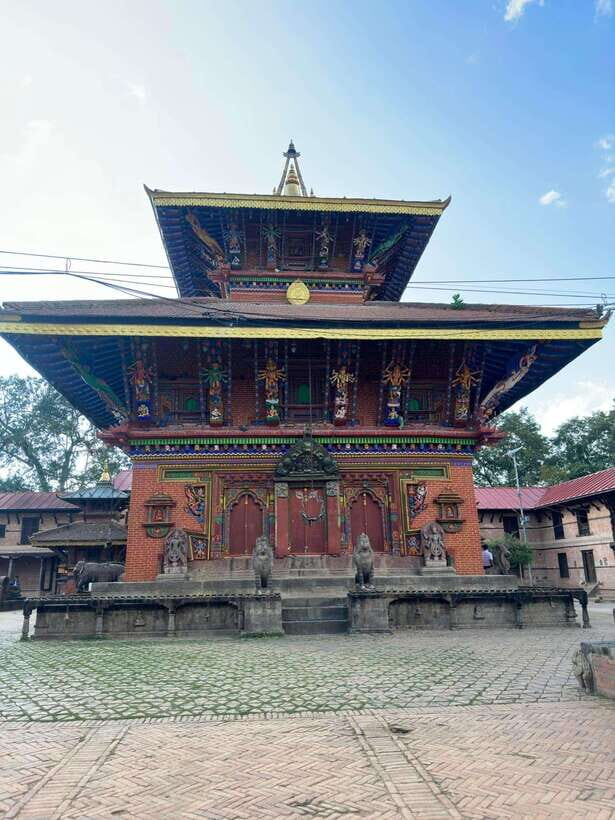
After the sunrise session, you’ll head to Changu Narayan Temple, a compact stop with serious age. This is the oldest Hindu temple in Kathmandu Valley, dedicated to Lord Vishnu, and it’s known for intricate carvings and traditional Nepali architecture dating back to the 4th century.
What I like about placing this stop right after sunrise is that it lowers the intensity. You go from looking at the mountains to looking closely at craft. The carvings and architecture reward slower attention, and a short 30-minute window can work if you’re willing to focus on details rather than rushing for the perfect angle.
The main consideration here is physical comfort. Any older temple site can involve uneven steps and short climbs. If you’re nursing tired legs already, treat this as a moment to take it steady and observe rather than sprint.
Bhaktapur Durbar Square: a living museum of temples and palaces
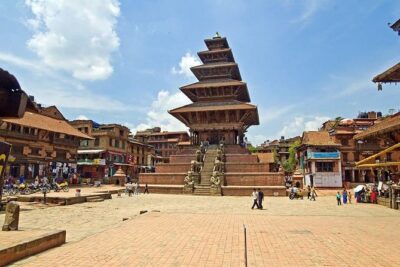
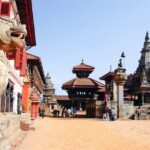
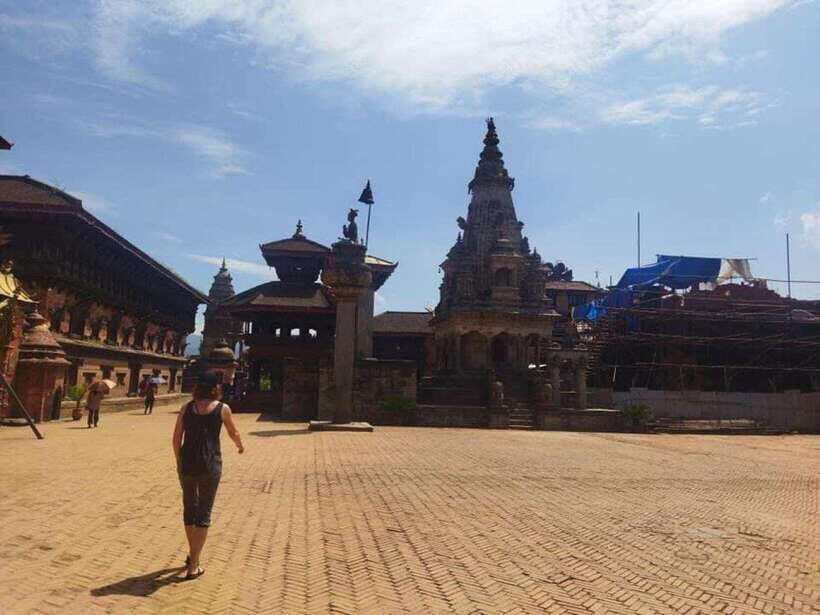
Next comes Bhaktapur Durbar Square, one of the best places in the valley for seeing how Newari art, architecture, and daily life grew together. This square is often described as a living museum, which is a good phrase because it’s not a fenced-off set. It feels like a neighborhood where history continues to play a role in how people move and gather.
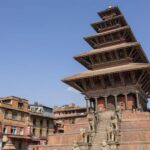
Look for standouts like the 55-Window Palace, the Vatsala Temple, and the Nyatapola Temple. Even if you don’t know every symbol, you’ll feel the craft: window rhythm, temple layering, and the way buildings frame courtyards.
Time is about 1.5 hours here, which is enough for a good circuit without making the day drag. Still, it’s also enough to get tired if you’re not used to temple-squares and stairs. Comfortable shoes help more than you think, especially later when you’ll still have big sites ahead.
Patan Durbar Square: Newari craftsmanship in Lalitpur
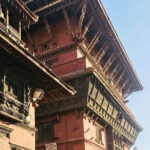
Then you’ll shift to Patan Durbar Square in Lalitpur. This is where you see how the valley’s royal-era design language traveled across cities. Patan is known for Newari architecture and palaces, plus a strong concentration of temples, including the revered Krishna Mandir.
The value of this stop is contrast. After Bhaktapur’s temple density, Patan can feel a bit more about sculptural focus: doors, pillars, temple facades, and the way the squares hold light. It’s also a chance to understand the Malla period influence that shaped Kathmandu Valley’s monumental style across multiple cities.
You’ll have about 1 hour here. That’s tight enough that you should choose your priorities. If you love architecture, spend extra time on doorways and stone details. If you prefer a big-picture understanding, use your guide to translate what you see into the story of rulers, devotion, and community.
You can also read our reviews of more historical tours in Kathmandu

Boudhanath Stupa: Tibetan Buddhism in a massive, daily setting
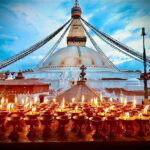
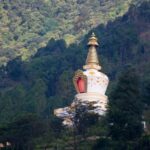
From Patan, the day moves toward Boudhanath Stupa, one of the largest stupas in Nepal and a focal point of Tibetan Buddhism. The big feature is its massive mandala and the sheer scale of the spherical stupa. Around it, monasteries and Tibetan culture create a setting that feels busy and devout at the same time.
You’ll spend about 1 hour here, which is a good match for this kind of place. Stupas are not just visual. They’re part of a routine: people circle, pause, and repeat acts of devotion. Your guide can help you connect the dots between Buddhist ideas and what you see in the physical space.
One consideration: the stupa area can be visually active, with lots of people and motion. If you’re sensitive to crowd noise, remember you’re here for religious atmosphere more than quiet sightseeing.
Swayambhunath Monkey Temple: the hilltop view and spiritual mix
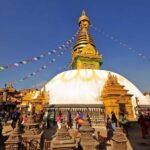
Then you’ll head to Swayambhunath Stupa, also called the Monkey Temple. This ancient religious complex sits atop a hill in Kathmandu Valley and is revered in both Buddhism and Hinduism. That overlap is one of the most interesting themes of the day: belief systems in this region have always interacted, and the architecture reflects that.
Expect features like the stupa itself, prayer wheels, and the monkeys living around the site. The panoramic city view from the hilltop adds a second layer to the experience. You’re not only learning about a sacred monument, you’re looking back over the city that grew around it.
Your time here is about 30 minutes. That’s enough for the key sights and the short viewpoint circuit. It can also be a little fast if you want long pauses for photos or if the monkeys slow your route. Keep your pace calm and let the hilltop breathe.
Pashupatinath Temple: Hindu devotion on the Bagmati River
Now you reach Pashupatinath Temple, dedicated to Lord Shiva and set on the banks of the Bagmati River. This is a major pilgrimage site, known for ceremonies, including traditional cremations along the riverbank.
This is the part of the day that can hit hardest. A Shiva-focused explanation from an attentive guide, plus the physical reality of rituals in progress, can make Pashupatinath feel less like a sightseeing stop and more like an encounter with belief as lived practice. In one recent experience of this kind, the impression of ceremonies and the riverbank setting was described as unforgettable and emotionally piercing.
Because this is a working sacred site, the atmosphere can be intense. You’ll want to approach with respect and emotional readiness. If you’re expecting a gentle temple walk, this might surprise you. It’s still deeply part of understanding Nepal, though, because it shows how religion and community are linked in daily life.
Time at Pashupatinath is listed as about 40 minutes in the plan. That’s short for the emotional weight of the place, so don’t rush your attention. Let the guide explain what you’re seeing rather than trying to figure everything out yourself in the moment.
Kathmandu Durbar Square: Malla-era royal power meets living festivals
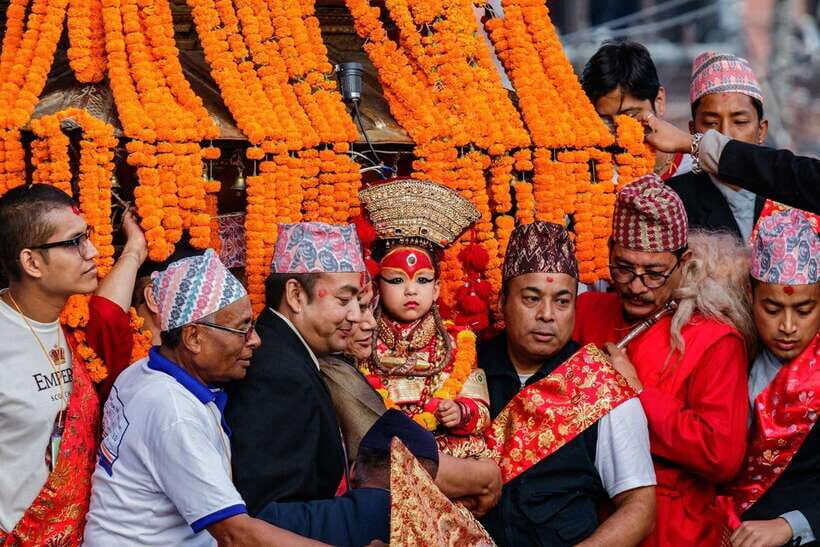
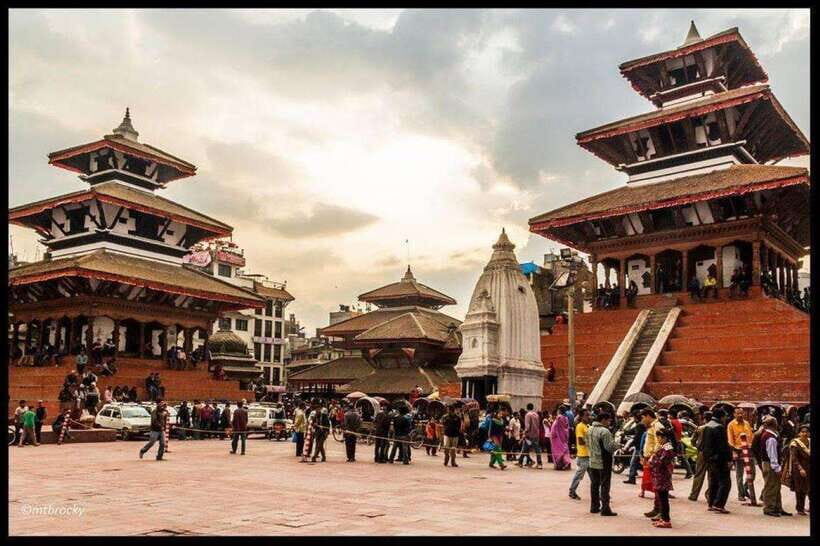
Back in Kathmandu, you’ll visit Kathmandu Durbar Square, a historic plaza in the heart of the city. This site is known for ancient palaces, courtyards, and temples. It also has a royal past, once functioning as the royal palace of the Malla kings, and it hosts important religious and cultural festivals.
This stop gives you a different texture. After riverbank ceremonies and hilltop stupas, Durbar Square brings you back to a royal-civic space shaped by power, artistry, and worship. The courtyards help you understand how these complexes were designed for movement and gathering, not just admiration from afar.
With about 1 hour here, you can cover highlights without feeling overwhelmed. But the square can involve uneven ground and busy foot traffic, so plan for patience as you weave through people.
Value for $172: what you’re really paying for
At $172 per person for a 12-hour private tour, the price makes sense only if you’re seeing the value in what’s included. You get a well English-speaking tour guide, a private vehicle with AC, and hotel pickup and drop-off within Kathmandu Valley. You also get bottled mineral water.
The biggest add-on cost is UNESCO entrance fees. Those are not included, and the estimate provided is around 6000 Nepali Rupee. If you’re budget-checking, treat that as part of the plan, not an optional surprise. Food and drinks are also not included, so plan for meals or carry simple snacks if your schedule won’t match restaurant timings.
So is it good value? For most visitors, yes, because you’re paying for private transport and guided explanations across multiple UNESCO sites. Without a guide, it’s easy to see temples and still miss the meaning. With an English-speaking guide, you can turn each stop into a clearer story about Hindu-Buddhist practice and Kathmandu Valley’s cultural evolution.
Also, the private setup matters at sunrise. Being able to start and end where you’re staying, without shared pickup chaos, helps you actually enjoy the day.
Who this private sunrise-and-UNESCO combo fits best
This tour suits you if you want a guided, structured day and you care about understanding what you’re looking at. It also fits well if you like the big hit moments: sunrise views first, then UNESCO sites that cover palaces, stupas, and temple complexes.
It’s especially good if you enjoy religious context. The day is designed to help you learn more about Hinduism, Buddhism, and the history tied to those places. If your guide is the chatty, explanation-forward type, like Santosh in one example, you’ll likely appreciate the way rituals and daily rhythms are connected to visible architecture.
Who might want to skip it? If you hate early starts, or if you prefer slow travel with fewer stops, this day could feel like too much. It’s long, and even though you’re in a private AC car, the sightseeing portions can be demanding.
Should you book Nagarkot Sunrise with 7 UNESCO World Heritage Sites?
I’d book it if your ideal Nepal day looks like this: start with a mountain moment, then spend time seeing how Kathmandu Valley’s major UNESCO sites function in real life, not just as names on a list.
You should think twice if you’re easily overwhelmed by crowds, stairs, or emotionally heavy sacred ceremonies. Pashupatinath is part of the package, and it can be intense. You also need to be comfortable with the tradeoff: you’ll cover a lot in 12 hours, which means less free time to wander alone.
If you’re traveling with the mindset of learning and seeing the valley in one strong day, this private tour has a smart backbone: sunrise plus guided context, delivered with a private car and an English-speaking guide.
FAQ
How long is the Nagarkot sunrise and 7 UNESCO private tour?
The tour duration is 12 hours.
Where are hotel pickup and drop-off?
Pickup and drop-off are inside Kathmandu Valley.
Is this a private tour or a shared group?
This is a private group tour.
What’s included in the price?
Included are an English-speaking tour guide, a private vehicle with AC, hotel pickup and drop-off within Kathmandu Valley, and a bottle of mineral water.
Are UNESCO entrance fees included?
No. UNESCO entrance fees are not included and are estimated to cost around 6000 Nepali Rupee.
Is food or drinks included?
Food and drinks are not included.
Can I see Mount Everest during sunrise?
The sunrise view from Nagarkot can include Mount Everest on clear days.
What is the cancellation policy?
You can cancel up to 24 hours in advance for a full refund.
Is the guide available in English?
Yes, the live tour guide is English-speaking.