REVIEW · LUNCH EXPERIENCES
Kathmandu: Top 4 UNESCO Tour with Lunch – Private/Group
Book on GetYourGuide →Operated by Luxury Holidays Nepal · Bookable on GetYourGuide
First thing: you walk through Kathmandu’s spiritual heart, fast. This tour strings together four UNESCO World Heritage sites into one smooth route, with a guide who explains what you’re actually seeing (not just where it is), plus an air-conditioned ride between stops. I like the mix of Buddhist and Hindu sites in a single morning, and I especially like that you get a planned lunch break instead of scrambling for food.
The second big win is practical comfort in a city that can feel chaotic. You’ll move by electric car, have bottled water, and get help navigating crowds and steep steps—plus real time on the ground at each site. One possible drawback: it’s not a sit-and-ride tour. Expect walking, stair clusters, and a pace that can feel like a workout, so plan for comfortable shoes and leave extra time if you’re slower on your feet.
In This Review
- Key highlights to notice before you go
- Four UNESCO stops, one day plan that actually works
- Swayambhunath Monkey Temple: the hilltop that frames the valley
- Patan Durbar Square: Newari artistry up close
- Pashupatinath Temple: Hindu rituals on the Bagmati River
- Boudhanath Stupa: calm time in a loud city
- Electric car logistics: comfort plus faster sanity
- Lunch and what’s really included for your money
- Who this tour is best for (and who should skip it)
- Best ways to make the day easier (and better photos)
- Should you book this Kathmandu UNESCO tour?
- FAQ
- How long is the Kathmandu UNESCO tour?
- Is this tour private or in a group?
- Which UNESCO World Heritage sites are included?
- What food is included for lunch?
- Are entrance fees included in the price?
- Do I get hotel pickup and drop-off?
- What language is the guide?
- What should I bring for the day?
- Is the tour wheelchair accessible?
Key highlights to notice before you go
- Four UNESCO sites, one guided circuit with clear explanations at each stop
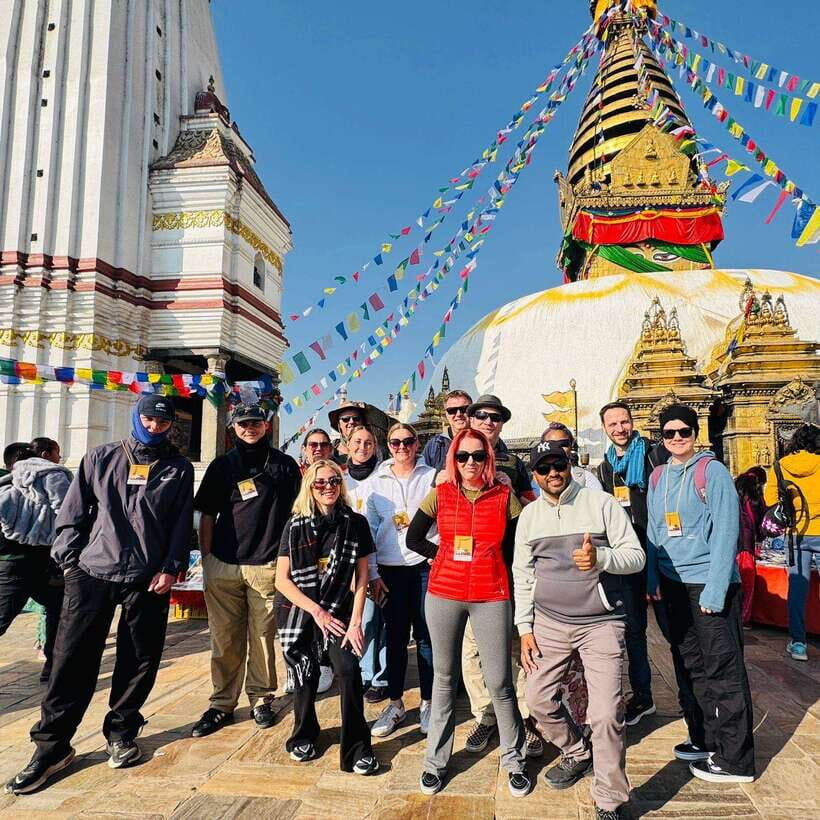
- Swayambhunath viewpoints over Kathmandu Valley, especially nice earlier in the day
- Patan Durbar Square details where Newari craftsmanship becomes the story
- Pashupatinath rituals by the Bagmati River—a powerful look at lived Hindu practice
- Boudhanath Stupa walking culture in a calmer pocket of the city
- Lunch options that keep you fueled (lunch box or a Nepali/continental set)
Four UNESCO stops, one day plan that actually works
Kathmandu can be overwhelming if you try to “DIY” this. Traffic is messy, signage is inconsistent, and you still need to understand the rules and meaning of what you’re looking at. This tour helps you solve the hard part: how to see the top UNESCO sites in a single stretch without wasting time figuring out the flow.
You’ll start with hotel pickup in Kathmandu Valley (and Thamel is one of the common pickup/drop-off points). Then you’ll hop in an air-conditioned electric car and head to the first site. The whole route is built around short guided walks plus enough time to see the key areas and take photos.
Timing varies depending on your chosen slot. The experience runs about 3 to 6 hours, so it can work as a half-day reset at the start of your trip—or as a condensed “best of Kathmandu” day when your schedule is tight.
You can also read our reviews of more private tours in Kathmandu
Swayambhunath Monkey Temple: the hilltop that frames the valley
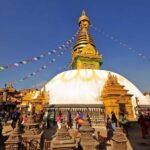
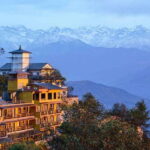
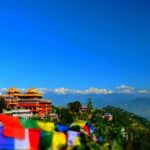
Swayambhunath is the kind of place that makes you stop moving. You climb up to the white stupa on the hill—often called the Monkey Temple—and the moment you reach the top, the Kathmandu Valley views put everything in context.
What I like here is the combination of spirituality and street-level reality. You’ll see pilgrims, notice prayer activities, and feel the steady rhythm of the site. Your guide’s job is to translate the symbols: the stupa’s shape, the meaning of the markings, and why this spot matters to Buddhists.
Practical note: expect steps and a bit of scrambling. The good news is that the hilltop is your reward. Also, early timing can make photos easier. One guest described getting there at 8am and being among the first foreign visitors of the day—meaning fewer people in the frame and more breathing room around the viewpoint.
Photo tip: don’t just shoot the stupa. Turn around and shoot the valley edges too. Guides often help with where to stand for the cleanest angles.
Patan Durbar Square: Newari artistry up close
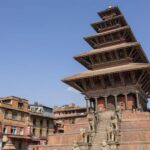
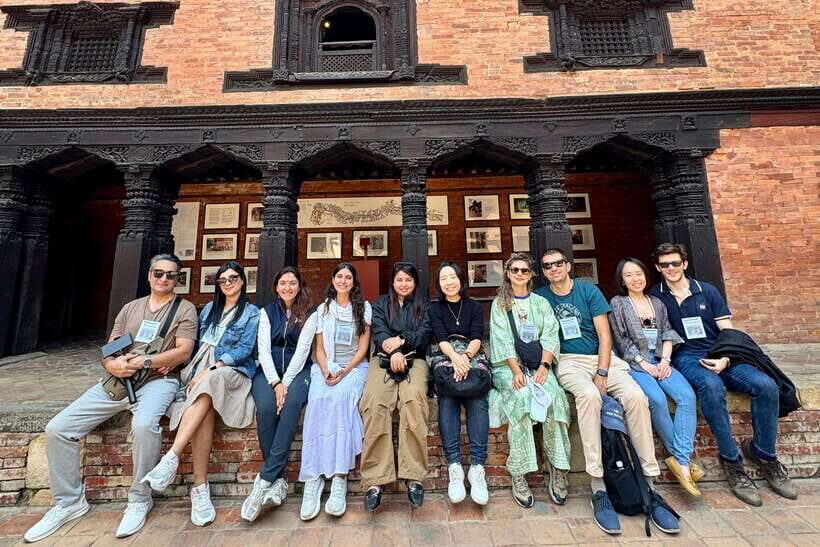
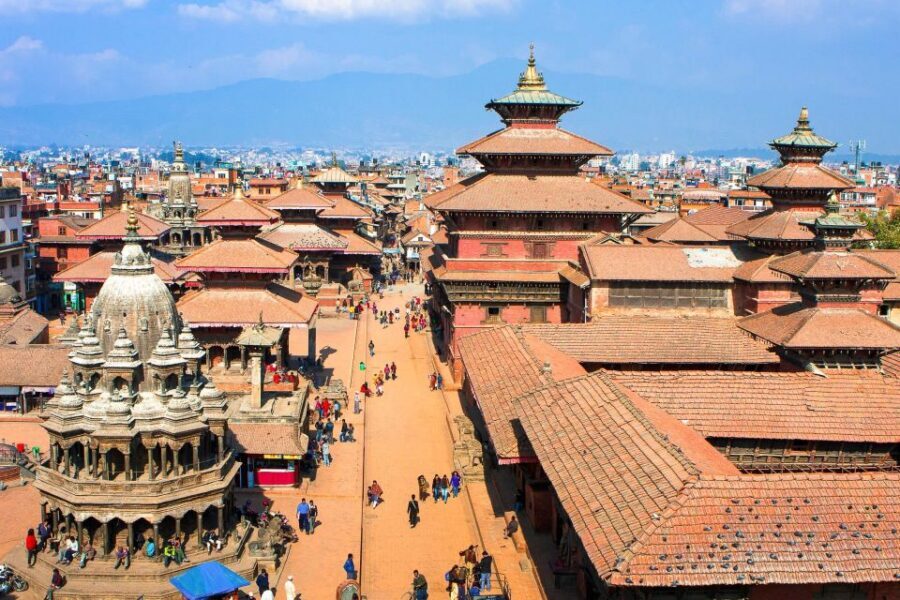
After Swayambhunath, you’ll head to Patan Durbar Square, one of the standout places for architectural detail in the Kathmandu Valley. This is where Newari craftsmanship becomes the main event.
You’ll walk through courtyards and temples in the square and learn how the artistry works—carved windows, deities, and remnants connected to royal life. A good guide makes this stop click. For example, guides like Punam and Sumit are praised for making history make sense on the ground, not as a lecture.
What to watch for:
- Courtyard compositions: look for how the temples frame spaces.
- Window carvings: small details often tell a bigger story than the main structures.
- Stone and wood contrast: Patan’s textures feel tactile when you’re close.
Potential drawback here is simple: it’s a lot to take in, and it’s easy to feel rushed if your guide is moving fast. The good sign is that many people come away saying they weren’t shoved along. If you prefer a slower pace, ask your guide on the day.
Pashupatinath Temple: Hindu rituals on the Bagmati River
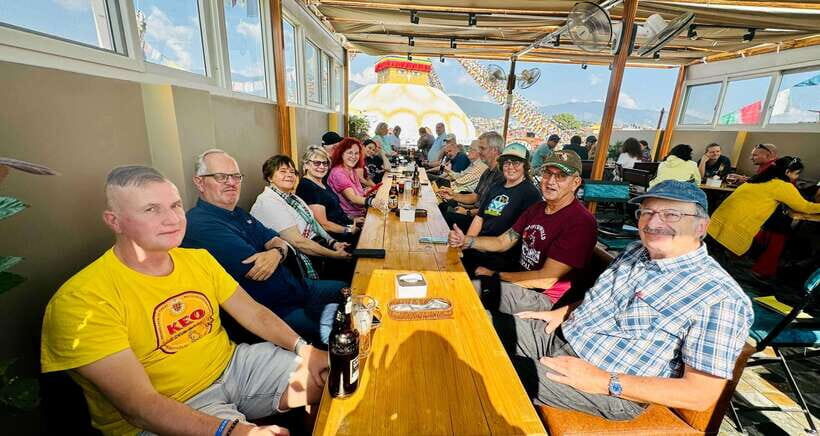
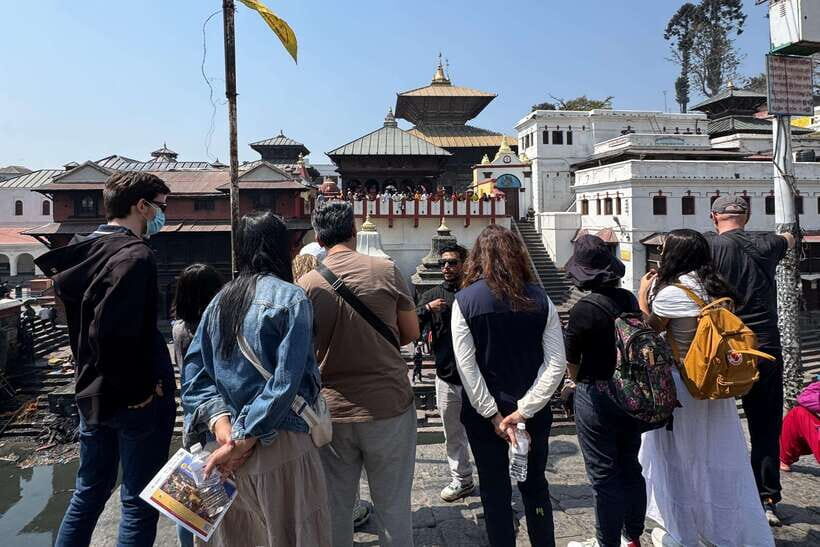
Next comes the emotional heavyweight: Pashupatinath. This is Nepal’s revered Shiva temple complex, set on the Bagmati River, and it’s busy with pilgrims and ceremonies.
You’ll join a guided visit through the temple area, and your guide helps explain what you’re seeing and why it matters. This isn’t abstract religion on a poster. It’s lived practice—people paying respects, following customs, and moving with purpose.
If you care about culture, this stop is where you get the most context for everyday faith in Nepal. The guide can also help you understand etiquette, what to observe closely, and how to navigate the area respectfully.
One note from experience-style feedback: some guides have helped guests catch the atmosphere of the evening aarati at Pashupatinath when timing allows. That’s not guaranteed for every schedule, but if your day’s timing lines up, it can be the most moving part of the whole UNESCO stretch.
Comfort tip: wear shoes that handle uneven stone and steps. Even with a guide, you’ll be doing real walking.
Boudhanath Stupa: calm time in a loud city
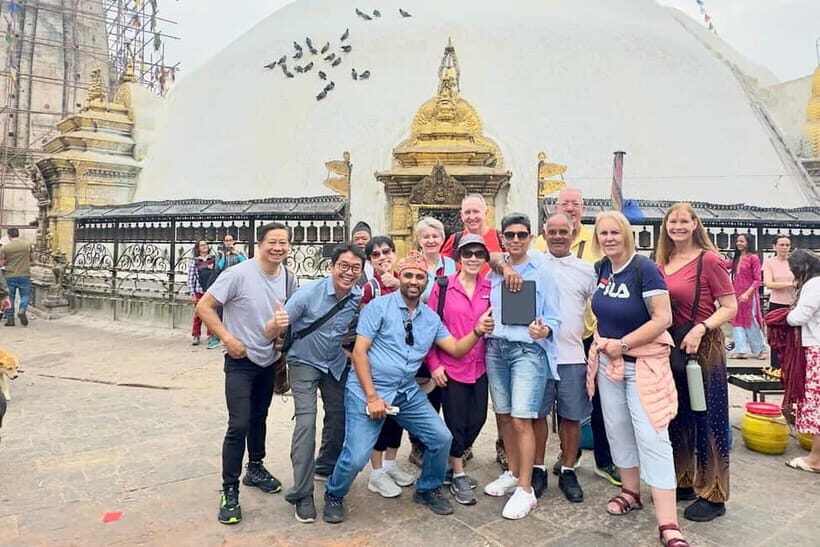
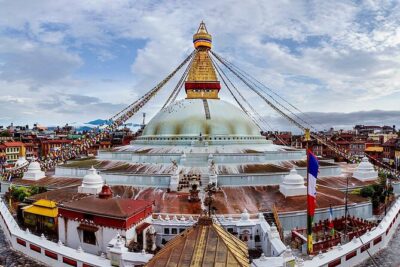
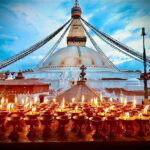
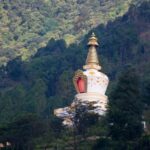
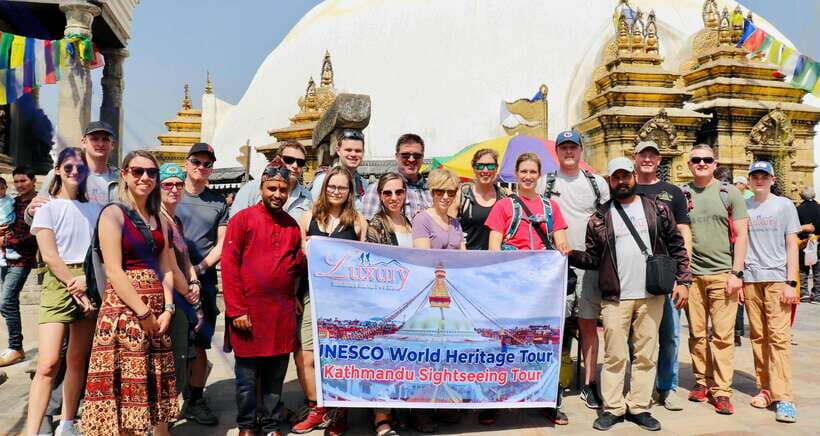
Then the tour shifts gears. Boudhanath Stupa is massive and unmistakable, and it’s one of the most important centers for Tibetan Buddhism in the area.
Here, you’ll learn how people practice around the stupa—especially the habit of walking clockwise. That simple movement changes the mood of the stop. Instead of “tour mode,” it becomes more like watching a daily ritual unfold.
I love that Boudhanath gives you contrast. Kathmandu street energy stays outside, and inside the stupa area you can slow down. If you’ve had a long day already, this stop is the one that helps you reset.
Photo tip: don’t force a single angle. Walk a bit, compare how the stupa looks from different positions, and watch where other visitors naturally stop for photos.
You can also read our reviews of more tours and experiences in Kathmandu

Electric car logistics: comfort plus faster sanity
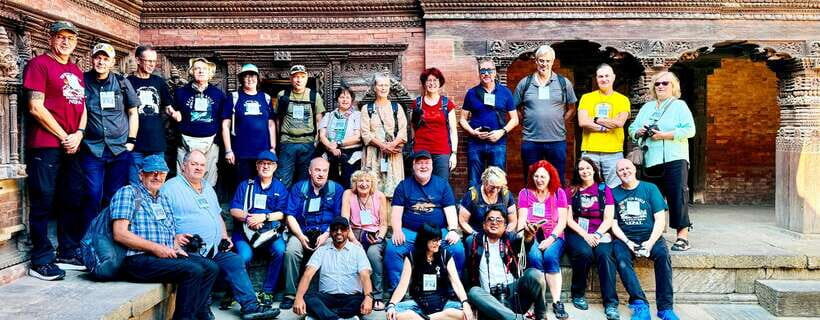
The route uses an electric car between the sites, with short ride segments and guided walks at each location. In a city where traffic can slow everything down, this helps you keep the day from turning into a grind.
One thing I really appreciate is that you’re not just handed a map. Your driver gets you to the right area each time, and your guide handles the on-the-ground flow. People consistently praise how the driver navigates Kathmandu roads and how guides help with crossing streets and staying oriented.
Depending on the exact vehicle used, you might ride in a modern electric model (BYD is mentioned in feedback), and you’ll have air-conditioning, bottled water, and a clean “between stops” buffer.
Walking reality check: you will walk. There are steps. You may need to stop to catch your breath, especially around stupa areas and temple approaches.
Lunch and what’s really included for your money
Let’s talk value, because the price shown can look almost too low—starting around $5 per person. In practice, the real cost depends on which option you choose and whether entrance fees are included.
Here’s what’s included:
- Private hotel pickup and drop-off
- Professional local guide
- Private air-conditioned vehicle
- Bottled water (500ml)
- A lunch box (muffin, donut, banana, seasonal fruit, plus 200ml juice)
- Taxes and service charges
- Permits/fees coverage as stated for the service
There’s also an all-inclusive option that adds:
- An additional lunch set
- Soft drinks
- Entrance fees
If you’re not choosing the all-inclusive package, you should budget for entrance fees on top. The stated entrance fees are about USD 20 / NPR 2,600 per person, and some special nationalities may have a separate fee structure (SAARC nationals: USD 12 total). Because entrance fees are a large chunk of the day’s total, the all-inclusive option can be a better deal if you hate surprises.
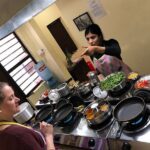
Food quality note: lunch is typically described as tasty, and it’s a real break in the middle of temple time. If you’re the type who forgets to eat until you feel awful, this package is a nice fix.
Who this tour is best for (and who should skip it)
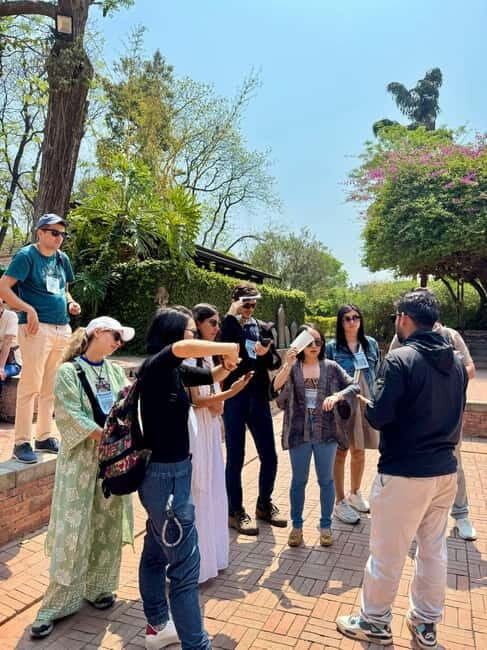
This is a strong fit if you:
- Have only one day in Kathmandu and want the major UNESCO sites
- Prefer a guided route over figuring out temple etiquette alone
- Like learning how symbols work, not just taking photos
- Want comfort between stops with air-conditioning and an electric car
It’s less ideal if you:
- Want an entirely low-walking schedule
- Have mobility limits. The tour is listed as not suitable for wheelchair users, pregnant women, and people over 95
And if you’re coming in with a strong need for privacy: the tour is private or small group, so you should get better control of pace and questions.
Best ways to make the day easier (and better photos)
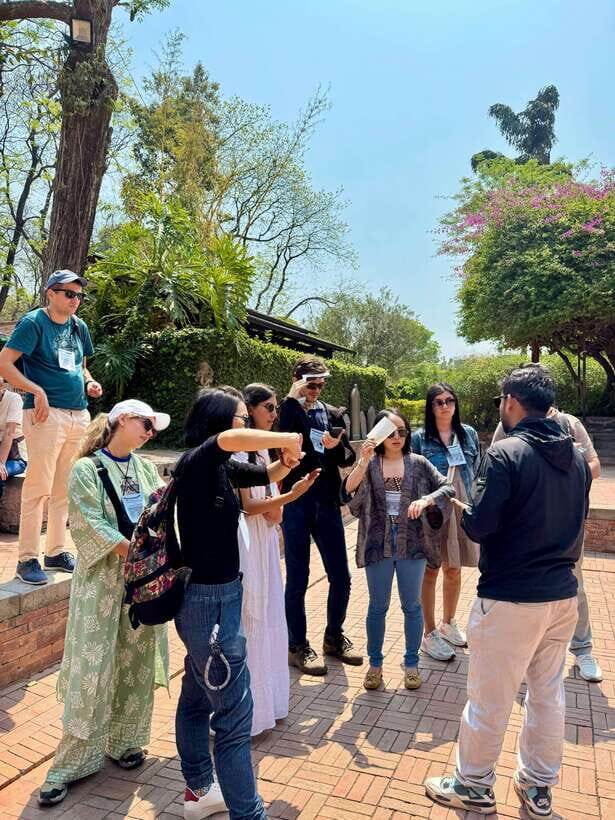
A few smart prep moves help a lot:
- Wear comfortable footwear. Steps and uneven areas are part of the experience.
- Bring a daypack and cash (some situations may require it).
- Bring a camera, and consider extra batteries if you plan to shoot a lot.
- Biodegradable sunscreen helps for hilltop sun.
- Carry a valid photo ID, as it may be required for entry at some locations.
On the day, you’ll do best by leaning into the guide. People often highlight guides who:
- Explain what you’re seeing in plain language
- Help with photo timing and angles
- Keep you from getting lost in the flow
If you’re traveling as a couple or solo, tell your guide early. Several guests mention that guides were particularly helpful with getting better couple shots and not just random “tourist selfies.”
Should you book this Kathmandu UNESCO tour?
I’d book it if you want a single, guided day that hits Kathmandu’s most important UNESCO landmarks without wasting half your time on logistics. It’s especially worth it if you like understanding religion and architecture as you go—Swayambhunath’s hilltop symbolism, Patan’s Newari details, Pashupatinath’s living rituals, and Boudhanath’s clockwise walking practice.
I’d think twice if you’re sensitive to stairs or you want a super slow pace. It’s a temple-hopping day, not a museum stroll. Also, check whether you’re paying for the all-inclusive option; entrance fees can change your total cost fast.
If you choose the all-inclusive package and show up with good shoes, you’ll likely get your money’s worth in both comfort and context.
FAQ
How long is the Kathmandu UNESCO tour?
The duration is listed as 3 to 6 hours, depending on the starting time and how the day flows.
Is this tour private or in a group?
You can choose a private tour or a small-group option.
Which UNESCO World Heritage sites are included?
The tour covers Swayambhunath, Patan Durbar Square, Pashupatinath, and Boudhanath.
What food is included for lunch?
A lunch box is included, with items such as a muffin, donut, banana, seasonal fruit, and 200 ml juice. An all-inclusive option can include an additional lunch set plus soft drinks.
Are entrance fees included in the price?
Entrance fees are not included in the non-all-inclusive option. They are listed at around USD 20 / NPR 2,600 per person and are included in the all-inclusive package.
Do I get hotel pickup and drop-off?
Yes. Private hotel pickup and drop-off are included from locations within Kathmandu Valley, with common pickup/drop-off points including Kathmandu and Thamel.
What language is the guide?
The live tour guide is English.
What should I bring for the day?
Bring a camera, biodegradable sunscreen, cash, and a daypack. Comfortable footwear is strongly recommended because there is walking and several steps.
Is the tour wheelchair accessible?
No. It is listed as not suitable for wheelchair users, and it is also not suitable for pregnant women and people over 95 years.