REVIEW · ANNAPURNA BASE CAMP TREKS
Annapurna Base Camp Trek
Book on Viator →Operated by Nepal Mountain Trekkers - Day Tours · Bookable on Viator
Hitting Annapurna Base Camp is a dream with rails. You fly Kathmandu to Pokhara the next day, then walk through rhododendron forest, bamboo, Gurung villages, and big river valleys on a route that culminates at Annapurna Base Camp. I like that you also get a built-in reward at Jhinu Danda hot springs, not just another summit-and-sleep routine. The one thing to keep real in your head: even as a short trek, you still climb and sleep at altitude, so cold nights and tired legs are part of the deal.
Two parts stand out for me. First, the organization is tight: airport pickup, Thamel hotel nights, and an English-speaking guide system that includes a porter for each small group. Second, you’re not doing this with guesswork about food and beds because trekking meals (B, L, D) and key gear rental are included. A practical drawback to consider is that you’ll be doing long walking days and repeated ascents/descents, so you’ll want a solid fitness base before you go.
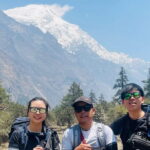
What makes this experience feel human is the support. One recent trekkers highlight was how guide Shiva and porter Bishal helped make the journey work, plus airport welcome by Suman. That kind of care matters in the mountains, where your energy is your currency.
In This Review
- Key highlights you’ll actually feel on the trail
- Quick start: flying in, briefing fast, then hitting Pokhara
- Days 3 to 4: from Nayapul to Jhinu Danda, then over to Chhomrong and Bamboo
- Day 5: Dovan to Deurali, where the air and footing get tougher
- Day 6: Machhapuchhre Base Camp and Annapurna Base Camp at 4,130m
- Day 7 and 8: the sunrise on the way down, then back through Khuldighar and Sinuwa
- Day 9 to 10: Nayapool stairs to the end trek, Pokhara Lakeside unwind, then Kathmandu Durbar Square
- What you’re really paying for: value in meals, permits, and gear rental
- Who this trek suits (and who should think twice)
- Booking advice: small details that affect your enjoyment
- Should you book this Annapurna Base Camp short trek?
- FAQ
- Where is the meeting point for this Annapurna Base Camp trek?
- Does the tour include airport pickup and drop-off?
- What is the duration of the trek?
- What altitude do you reach at Annapurna Base Camp?
- Are hot springs included in the route?
- Are meals included?
- Is trekking gear included?
- What permits are included?
- How large is the group?
- Is the Nepal visa included in the price?
Key highlights you’ll actually feel on the trail
- A fast Kathmandu to Pokhara jump: the short flight cuts down dead time and helps you start trekking sooner
- Hot springs at Jhinu Danda: a true recovery moment after hiking hard
- Machhapuchhre Base Camp en route: a strong scenic step before the main base camp day
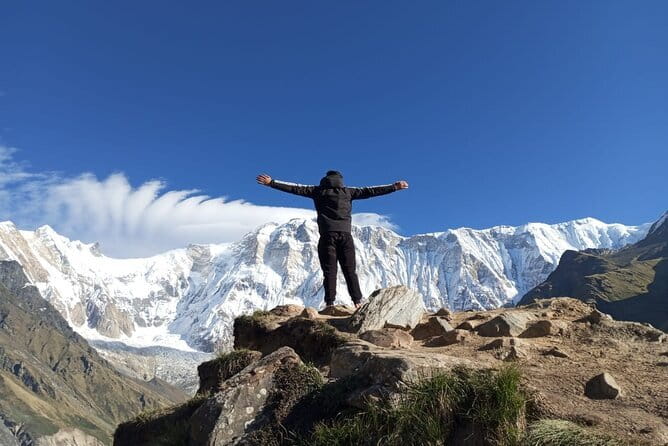
- Big altitude day at 4,130m: Annapurna Base Camp gives you that full-Himalaya feeling
- Gear rental included: sleeping bag and down jacket are part of the trek plan
- Small group cap (max 15): easier pacing, fewer bottlenecks on narrow trails
Quick start: flying in, briefing fast, then hitting Pokhara
The trip begins in Kathmandu with a simple plan: you arrive at Tribhuvan International Airport, then your representative picks you up and drives you to your hotel after you clear immigration. This matters more than it sounds. When you land in a new country, you want your first hour to be boring—in a good way—so you can save energy for the trek.
You’ll stay at Hotel Green Horizon in Thamel for three nights. Thamel is tourist-heavy, but that’s not a bad thing at the start. It’s practical: you can find everyday comforts, and you’re near the meeting point at Nepal Mountain Trekkers in Pyramid Galli if you need anything pre-departure.
Day 2 is where the rhythm becomes clear. After a guide briefing in Thamel, you move on to Pokhara by scenic drive and settle into Lakeside, where you can stretch out and orient yourself. Lakeside is a lively area built around lakeside walks and easy hangouts, and that’s a smart way to handle your second day after a travel day.
The biggest value of this early setup is pacing. You’re not stuck “waiting around Kathmandu.” The next key move is that you’re designed to reach Pokhara quickly so the trek feels like the main event.
You can also read our reviews of more hiking tours in Kathmandu
Days 3 to 4: from Nayapul to Jhinu Danda, then over to Chhomrong and Bamboo
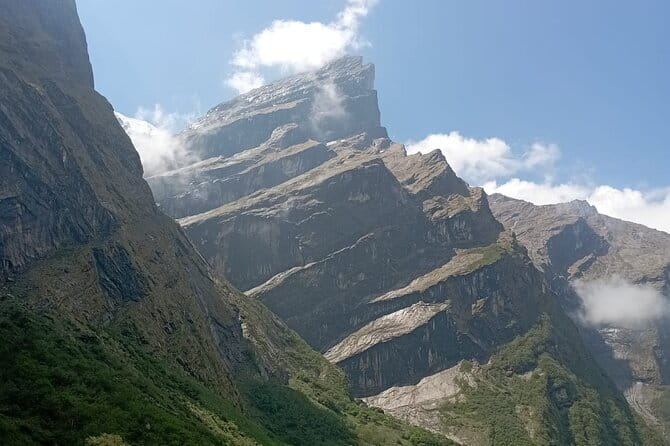
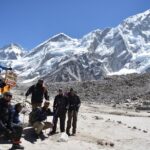
Day 3 starts with a drive to Nayapul, which serves as the beginning point for the Annapurna region trek. Then you step onto the Modi River route. This is the part of the trek that teaches your body the basics: steady effort, uneven footing, and a constant backdrop of river noise and mountain views.
You end Day 3 at Jhinu Danda. This is one of the route’s clever rewards. You get an actual reason to feel satisfied at the end of a walking day: you can explore the natural hot springs at the base of the ridge. Hot springs aren’t magic, but they can make the difference between “my legs are toast” and “I can keep going tomorrow.” If your feet get cranky, you’ll love having this relief built into the calendar.
Day 4 is where the scenery shifts into a classic Annapurna mix: terraced segments, stone steps, and village passes. You trek from Jhinu Danda through the terraces toward Chhomrong, crossing parts of the Chhomrong River route and climbing to ridges above the Modi River. The route also brings bamboo forest walking and rhododendron-and-bamboo combinations. When the trail pinches upward, you’ll appreciate that this segment is broken into manageable travel days rather than one giant suffer fest.
You’ll reach the area around Siruwa and then continue to Bamboo for the overnight at Bamboo Lodge Restaurant. This matters because Bamboo is both a scenic pause and a strategic staging point. You’re not just stopping randomly—you’re getting positioned for the tougher ascent coming next.
Day 5: Dovan to Deurali, where the air and footing get tougher
Day 5 begins with a shorter trek to Dovan, giving you a breather before the ascent. You’ll work your way through rhododendron and oak forest, which helps keep the walk interesting early on. There’s also a crossing over a stream that sets you into the rhythm of the day: climb, recover, climb again.
Then you head for Deurali. The walking becomes more serious on this day. You’ll deal with steep sections and waterfalls, plus vegetation that gradually gets sparser as you climb. That shift is a big deal psychologically: when plants thin out and the trail turns rockier, it feels like the mountain is changing the rules.
Along the way you reach the Himalaya hotel and push onward toward the Hinku cave area. From there, Deurali village becomes visible, and you continue your climb to the destination. If you’re the kind of hiker who likes understanding what’s happening, pay attention to this day’s transition. It’s when the Annapurna Base Camp approach stops feeling like a forest trek and starts feeling like a high-mountain trek.
Day 6: Machhapuchhre Base Camp and Annapurna Base Camp at 4,130m
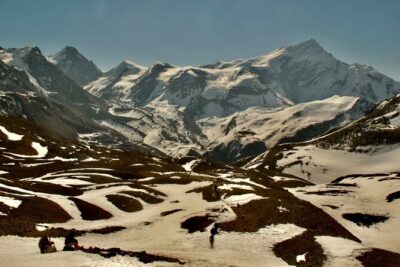
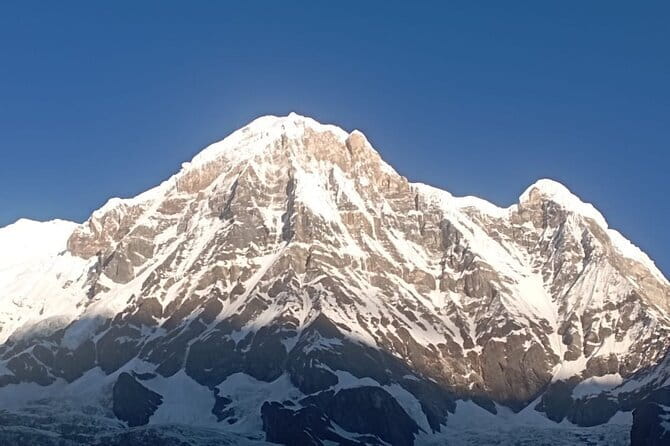
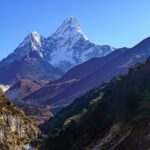
Day 6 is the climax. You move toward Annapurna Base Camp by way of Machhapuchhre Base Camp, which is a strong “step up” psychologically. First you trek past Bagar, then the terrain gets more strenuous, and you reach Machhapuchhre Base Camp with views that include Fishtail Mountain along with peaks like Hiuchuli, Annapurna South, Annapurna I, Annapurna III, Gagapurna, and others.
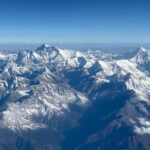
Then comes the main base camp turn. You branch away from the Modi River, where vegetation becomes sparse and the path widens as you head toward Annapurna Base Camp. At 4,130 meters, the air feels thinner, and the sky feels closer. When you arrive, you’re surrounded on all sides by towering Himalayan peaks, with a view focus that’s the whole point of the trek.
You’ll spend the night at Annapurna Base Camp. Overnight here is where the experience becomes real. You’ll watch conditions shift—light changes, clouds roll, and the mountains look different hour to hour. Even if you’ve seen base camp photos before, the on-the-ground scale is another level.
A practical tip: on this day and the next, plan your effort like a budget. Don’t spend energy on extra errands. Your goal is to arrive, enjoy, and conserve.
Day 7 and 8: the sunrise on the way down, then back through Khuldighar and Sinuwa
Day 7 is a return trip, but it doesn’t feel like “just going back.” You leave the Annapurna foothills area and head back to Bamboo, following the Modi River on a relatively easier downhill day. Still, downhill can be tough. Your knees will tell you the truth, especially after a high-altitude day.
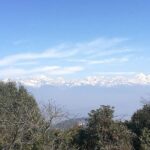
One of the best-feeling parts of this route is sunrise. Your morning starts with an exceptionally beautiful sunrise over the Himalayas. Then you pass through areas described as avalanche-prone, plus settlements like Dovan and Deurali at lower elevations. As the trail drops, you’ll see more rhododendron and bamboo again, and you’ll cross a wooden bridge as you work toward Bamboo.
Day 8 continues the return with a mix of retracing and new walking segments. You trek for around six hours, starting with an uphill climb to Khuldighar, where there’s a helipad. After that, the route turns into a twisting trail toward Sinuwa, with pass-through villages such as Tilche and Chhomrong. You’ll see stone steps, cross a bridge, and reach Taulung, where a junction leads to Landruk, Tadhapani, and Kot Danda.
Then you finish back at Jhinu Danda hot springs again. For many people, this is the “best value” moment of the return days. You’re already tired, and now you get a built-in chance to recover. If you’re serious about enjoying the trek (not just completing it), treat this hot spring time like a priority, not a side quest.
Day 9 to 10: Nayapool stairs to the end trek, Pokhara Lakeside unwind, then Kathmandu Durbar Square
Day 9 is the end of the physical trekking. You hike down from Jhinu Danda to the Modi Khola valley, passing through New Bridge. The walking includes stone stair segments and hillside trails, with farms, traditional houses, and wooden or suspension bridges along the way.
You’ll reach Nayapool, which marks the end of the trekking portion. From there, you get to shift gears. The route gives you time to change your mindset and recover.
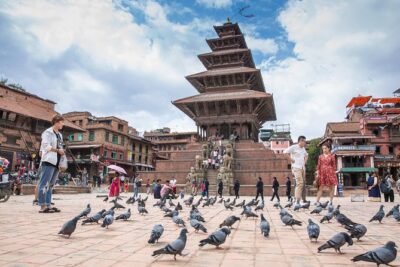
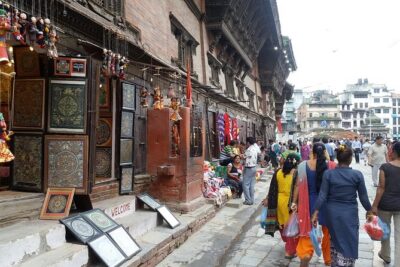
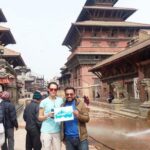
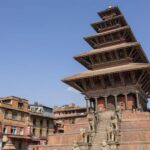
Day 10 returns you to Kathmandu on a scenic drive of about 5–6 hours. The views of terraced fields and valleys help reset you after days of trail focus. In Kathmandu, you head back to the hotel, then you have time for Kathmandu Durbar Square and Thamel-area wandering. Durbar Square is the royal palace complex area, all stone-paved, busy streets close by, and a good place to grab small souvenirs and soak up the city energy.
This day is more than “transport plus shopping.” It’s how you make sure the trip doesn’t feel like only mountains. You get to swap trail sounds for city sounds, and you’ll probably appreciate the change.
What you’re really paying for: value in meals, permits, and gear rental
The price is $906.67 per person for an 11-day experience in Nepal. That number can look high until you break down what’s included versus what you’d otherwise need to arrange yourself.
You get:
- 3 nights in Kathmandu and 2 nights in Pokhara
- All lodging and meals during the trek (breakfast, lunch, dinner included)
- Airport pickup and drop service
- A professionally trained, English-speaking trekking guide
- Assistant guide and porter support (porter for 2 trekkers, max load 30kg)
- Permits: TIMS card and Annapurna Conservation Area (ACAP) fees
- Sleeping bag and down jacket rental
- A first aid medical box, plus a farewell dinner
That’s a lot of “logistics weight” handled for you. If you’ve tried to DIY an Annapurna trek, you know how easy it is to get stuck hunting down guides, sorting permits, and piecing together gear. Paying for this kind of structure buys you time and reduces friction.
Also, the porter setup is meaningful for comfort. Your legs do enough work on the trail; keeping your load lighter can make the difference between enjoying the mountain and feeling punished by it. Since the porter load is capped at 30kg for two trekkers, this is designed to stay within a workable range.
You do need to budget for items that aren’t included: Nepal visa fee, international flights, food in Kathmandu and Pokhara beyond what’s tied to the trek, travel insurance/rescue costs, and personal expenses. Tips for guides and porters are also not included.
Who this trek suits (and who should think twice)
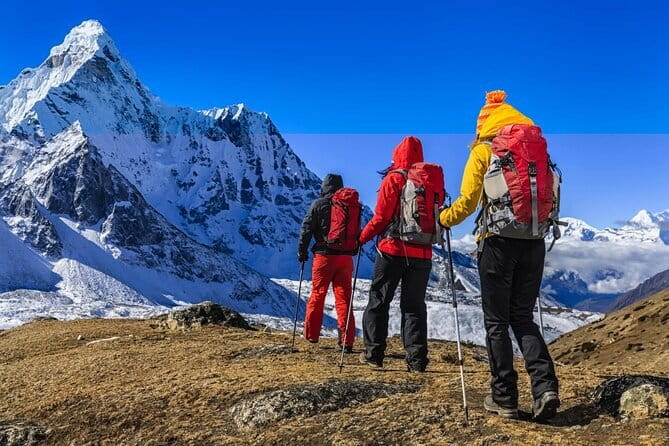
This experience is aimed at people with moderate physical fitness. If you can handle long walking days, steady climbs, and uneven terrain without needing a perfect schedule, you’ll likely be fine.
You’ll especially enjoy this trek if you want:
- A guided route with English-speaking support
- A clear “point A to point B” progression (and not a complicated plan)
- Real recovery moments like Jhinu Danda hot springs
- The big payoff of reaching Annapurna Base Camp at 4,130m
You might want to think twice if you’re dealing with a condition that gets worse with altitude, cold, or fatigue. The route keeps moving, even though it’s called a short trek.
Booking advice: small details that affect your enjoyment
A few practical things you can do to get more out of this trip:
- Don’t underestimate cold nights. You’ll have a down jacket rental and a sleeping bag rental, but you still need to plan smart for warmth.
- Move steadily on climb days. The trail has steep sections and steps. Your best strategy is consistent effort, not sprinting.
- Treat hot springs as recovery time. After Jhinu Danda, you’re heading into more work. Let your body settle.
- Plan your expectations for the altitude day. Annapurna Base Camp is the high point. Your goal is to arrive, enjoy the views, and rest well that night.
Should you book this Annapurna Base Camp short trek?
If you want the Annapurna Base Camp experience without getting buried in planning, this is a strong choice. The biggest reasons are the included structure: guide support, meals on trek days, permits, and key gear rental. You also get two Jhinu Danda hot spring chances, which turns the return journey into something more than just retracing steps.
I’d book it if you can hike daily for multiple days and you’re okay with cold and altitude at 4,130m. I’d hesitate if you’re looking for a gentle walk with minimal physical strain, because the route still has real elevation gain and long travel days.
FAQ
Where is the meeting point for this Annapurna Base Camp trek?
The start (and the end back at the meeting point) is Nepal Mountain Trekkers, Pyramid Galli, Kathmandu 44600, Nepal.
Does the tour include airport pickup and drop-off?
Yes. Airport pickup and drop service is included, and you’ll also be transferred to Tribhuvan International Airport at the end with enough time before your flight.
What is the duration of the trek?
It runs 11 days (approx.).
What altitude do you reach at Annapurna Base Camp?
The trek reaches Annapurna Base Camp at 4,130 meters above sea level.
Are hot springs included in the route?
Yes. You visit Jhinu Danda and explore the natural hot springs there (including time to relax in the natural spring water).
Are meals included?
Yes. All lodging and foods during the trek are included, with breakfast, lunch, and dinner covered.
Is trekking gear included?
Sleeping bags and down jackets are available on rent as part of the trek.
What permits are included?
TIMS card and Annapurna Conservation Area (ACAP) fees are included.
How large is the group?
The maximum group size is 15 travelers.
Is the Nepal visa included in the price?
No. Visa fee to enter Nepal is not included.