REVIEW · KATHMANDU CITY & WALKING TOURS
Walking tour of Kathmandu with awesome local guides
Book on Viator →Operated by Breakfree Adventures Pvt. Ltd. · Bookable on Viator
Kathmandu is a maze—walk it with a guide. This private walking tour threads through the historic center and up to Swayambhunath, with market stops that show how locals shop and snack. I especially like that mineral water is included, and that the route helps you avoid getting stuck in traffic while still seeing the real city life up close. Guides such as Madan make the stops feel personal, not like a checklist.
One thing to consider: monument entrance fees aren’t included, so you’ll want a little cash ready for sites. Also, the day runs about 5–6 hours and your pace affects the timing, so if you have a tight schedule, you’ll want to confirm the finish time with your guide.
In This Review
- Key things to know before you go
- Why this Kathmandu walk beats taxi time
- Thamel meetup, private tour setup, and timing you can plan
- Kathmandu Durbar Square: temples, palaces, and UNESCO-grade architecture
- Indra Chowk and Asan: the market layer most temple walks skip
- Indra Chowk: stalls, spices, and Newari flavor
- Asan: ceremonial square + festival calendar energy
- Swayambhunath (Monkey Temple): the hilltop stop that needs a little stamina
- Price and value: what $30 buys you in real terms
- The real star: what a great local guide adds
- Who should book this, and who might want a different plan
- Should you book this Kathmandu walking tour?
- FAQ
- How long is the Kathmandu walking tour?
- Where do you meet for the tour?
- Is mineral water included?
- Are monument entrance fees included for Durbar Square and Swayambhunath?
- Is this tour private?
- Is there free cancellation?
Key things to know before you go
- Thamel pickup and return makes the start simple and the end easy.
- Mineral water is included, so you can pack lighter.
- Private group tour means your guide can slow down (or speed up) for your comfort.
- Durbar Square + Swayambhunath hits two UNESCO World Heritage sites in one walk.
- Indra Chowk and Asan markets add a local-food and shopping layer beyond temples.
- Entrance tickets are not included, so budget extra for monument entry.
Why this Kathmandu walk beats taxi time
Kathmandu traffic can be slow, noisy, and unpredictable. This tour is built around walking, so you spend your time looking up at temples and storefronts instead of staring at a dashboard. The route is designed for getting around the winding streets without getting turned around, which is a big deal in a city where one wrong turn can cost you a lot of time and energy.
You also get a guide to act like your shortcut. With a licensed tour guide leading the way, you’re not just moving between sights—you’re understanding what you’re seeing while you’re seeing it. In practice, that means you can ask questions on the spot, whether you’re curious about Nepalese history, the roles of different religions in daily life, or why certain places matter to locals.
The biggest value is that it’s not only about monuments. Markets like Indra Chowk and Asan give you the everyday Kathmandu texture—stalls, spices, textiles, and small moments that bring the city to life.
You can also read our reviews of more walking tours in Kathmandu


Thamel meetup, private tour setup, and timing you can plan
The tour starts in Thamel or nearby, with pickup offered from that area. You’ll meet at Thamel (Kathmandu 44600) and the tour ends back at the meeting point. That back-to-start finish is handy if you don’t want to reorganize the rest of your day afterward.
This is a private tour, which matters more than it sounds. You’re not sharing the route with a huge crowd or getting rushed through stops. Your guide can adjust to your questions and your pace, and you can keep the walking hours flexible based on your comfort.
Time-wise, plan on about 5 to 6 hours. The exact amount depends on how quickly you walk and how long you spend at each stop. If you’re the type who likes to read every sign and watch what’s happening in the street, you’ll probably drift toward the longer end. If you prefer quick photos and straight answers, it may feel shorter.
Also worth noting: the tour uses a mobile ticket, which is the kind of practical detail that makes day-of confusion less likely. Group discounts are available too, so it can be a good call if you’re traveling with friends or family.
Kathmandu Durbar Square: temples, palaces, and UNESCO-grade architecture
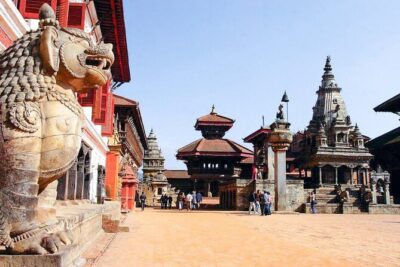
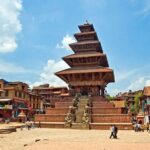
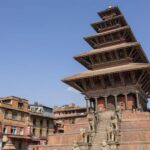
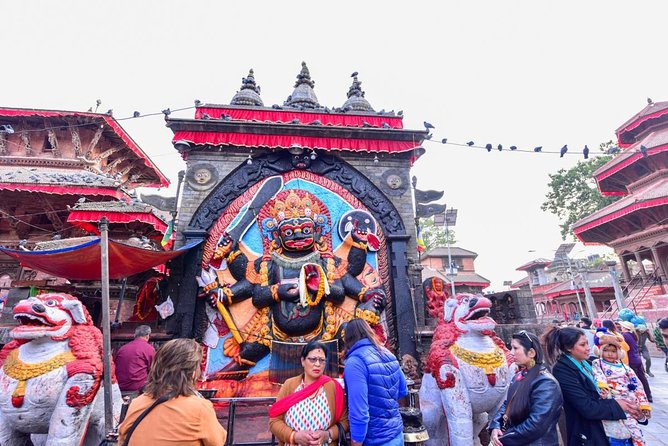
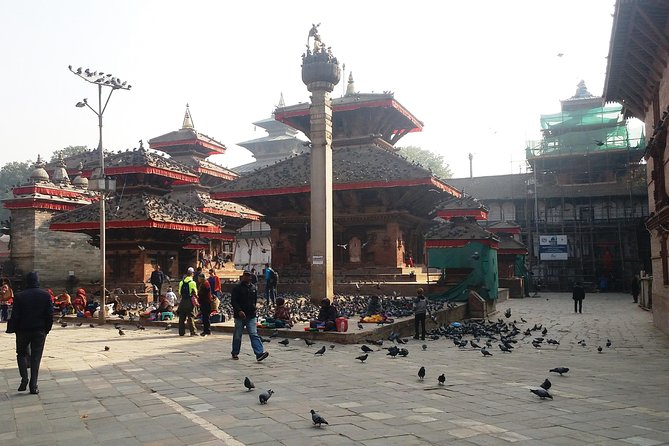
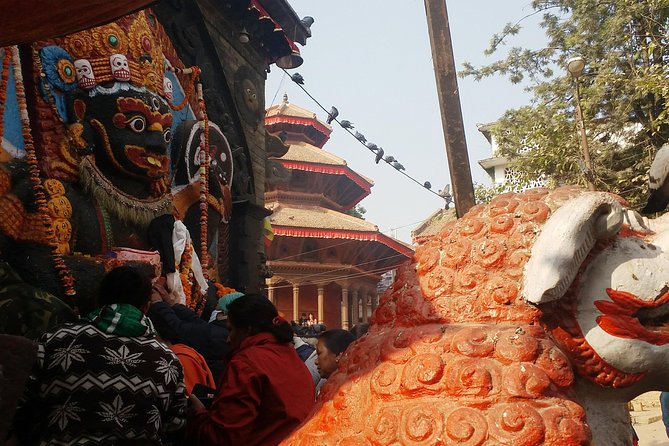
Kathmandu Durbar Square is the kind of place that rewards slowing down. It’s a heritage site where you can see temple and palace architecture up close, not from a distant viewpoint. During your time there (about 2 hours), your guide will help you connect the buildings around you to the larger story of Nepal’s capital.
This stop is especially good if you’re staying near Thamel, because it’s close enough that the walk feels doable even if you’re not used to long city walks. One more advantage: you’re not staring at the same big-ticket photo spot and calling it a day. You get time to look at details and understand why the layout and style are what they are.
The main drawback is financial, not emotional: admission tickets aren’t included for monuments at this stop. So don’t be surprised if there’s an entrance fee when you arrive. Build that into your budget and you won’t feel any stress mid-tour.
Indra Chowk and Asan: the market layer most temple walks skip
Between the big heritage sites, this tour brings in Kathmandu’s market rhythm. These stops are short enough to keep you moving, but meaningful enough to change how you understand the city.
Indra Chowk: stalls, spices, and Newari flavor
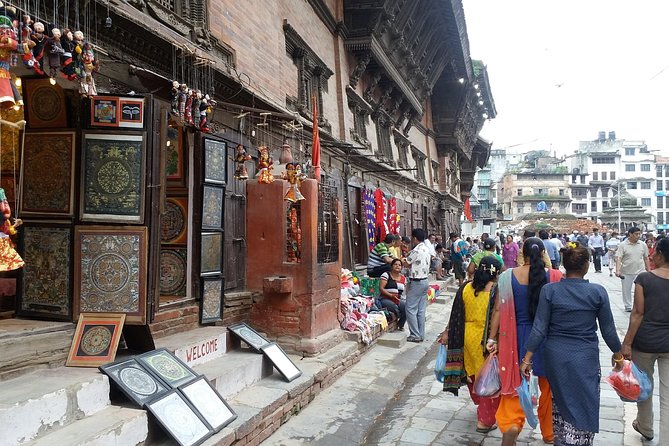
Indra Chowk is a centuries-old market area known for colorful shops and stalls. You’ll see a range of everyday goods—produce, aromatic spices, textiles—and even a more specialized section where items like beads and bangles are sold. It’s the kind of place where you can watch commerce happening in real time.
One practical bonus is food. If you want to try something local, ask your guide about snacks you can fit into the walk. In one guided experience, Madan helped someone try yomari, a traditional Newari food, during time spent around the market. You won’t be forced into anything, but having a guide who knows what’s worth your time is helpful.
A consideration here: markets can be crowded and a bit chaotic. If you hate tight spaces or strong smells, tell your guide early. They can steer you through the flow so you still get the experience without feeling overwhelmed.
Asan: ceremonial square + festival calendar energy
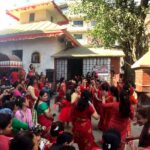
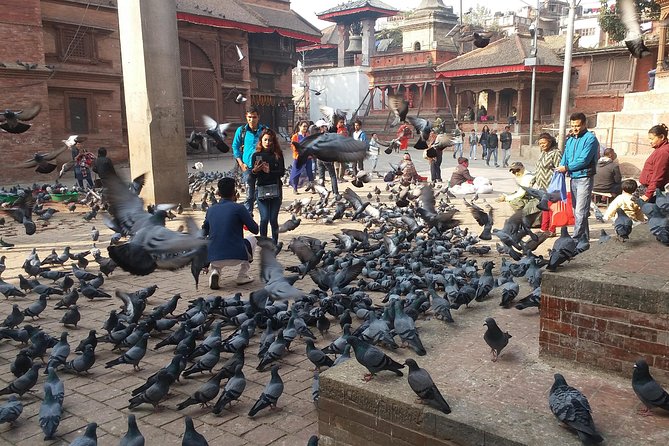
Asan is a ceremonial market and residential square in central Kathmandu. It’s known for its bazaar activity and for its connection to the festival calendar—so even though your time there may be brief (around 10 minutes), it helps you understand why Kathmandu’s street life is more than just shopping.
This is also a “small stop, big context” moment. You’ll likely leave Asan with a clearer sense of how public squares function in the city—where people gather, trade, and celebrate.
Swayambhunath (Monkey Temple): the hilltop stop that needs a little stamina
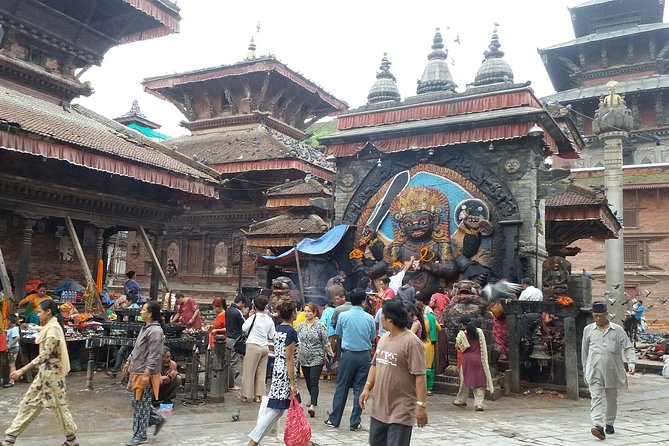
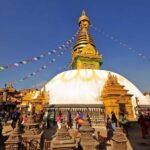
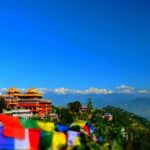
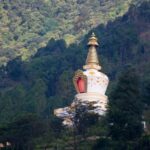
Swayambhunath is the hilltop landmark people often remember long after they’ve left the neighborhood streets. This stop is about 1 hour, and it comes with a clear theme: the hilltop “Monkey Temple” nickname and the story behind it.
Even without turning it into a physical endurance event, you should expect some walking and positioning around temple areas. If you have limited mobility or you don’t like stairs, it’s smart to mention that to your guide before you start climbing. A good guide can often help you pace and choose the easiest route through the complex.
Admission fees also aren’t included here. Like Durbar Square, this is one of those budget details that’s easy to forget until you’re at the entrance. If you’re planning your day around a hard spending limit, add the monument entry costs to your expectations now.
What you’ll get is a change of pace. After market noise and square activity, Swayambhunath gives you a more focused, temple-centered atmosphere. It’s also where having a guide really pays off, because you’re not just walking through a set of buildings—you’re learning how locals understand and relate to this place.
Price and value: what $30 buys you in real terms
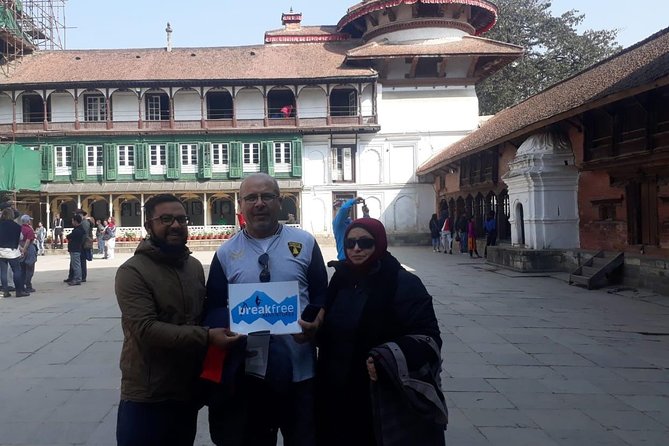
At $30 per person, this tour is priced to be doable for most budgets—especially because it’s a private walking experience lasting about 5–6 hours. The value comes from the combination:
- Licensed local guide
- Mineral water included
- Pickup offered from the Thamel area
- A route that covers multiple meaningful stops in a single day
The one big “not included” item is monument entrance fees. Those can change the total cost on your day, so treat $30 as the base fee for the guided experience, not the full package price for every ticket inside.
You should also plan for tips and gratuities since those aren’t included. If you’ve ever felt unsure about tipping in Nepal, a guide-led day like this is exactly the kind of experience where a tip makes sense because your guide is answering questions, managing timing, and keeping you on track.
Finally, the fact that it’s booked about 40 days in advance on average is a quiet signal that people like this format: short enough to fit a busy travel schedule, focused enough to feel worthwhile, and simple enough that you don’t need to plan every turn yourself.
The real star: what a great local guide adds
The difference between a standard walk and a truly satisfying one is often the guide. And this company’s guides come up again and again in the way they handle questions and steer you toward the right details.
- Madan is mentioned with a focus on explaining Nepalese history while walking through Kathmandu Durbar Square and downtown, and helping someone try yomari at Indra Chowk.
- Raghu Nath Pradham is associated with an organized, smooth approach that turned a short trip into something spiritual and easy to follow.
- Subash is credited with answering questions clearly, especially about history and the main religions of the city.
That pattern matters because Kathmandu can feel like one big blur if you’re only looking at the surface. With the right guide, you start noticing connections: how religious life shapes public space, why certain places draw people in specific ways, and how cultural practices show up in everyday street markets.
Also, there’s a practical layer here. If your guide can manage timing and keep you moving through the day without chaos, you’ll feel more relaxed. One experience even credited Rakesh for safe and pleasant transport, which suggests the team knows how to keep the logistics side under control when needed.
Who should book this, and who might want a different plan
This tour is a strong match for you if:
- You want to see more than just one temple site
- You like the idea of markets as part of the itinerary
- You prefer walking with local context instead of self-guided guessing
- You have limited time in Kathmandu and want two UNESCO World Heritage stops plus central squares
It’s also suitable for a wide range of ages since it’s described as appropriate for any age-group who want to explore Kathmandu locally. Most people can participate, but your comfort with walking matters because the day involves walking between multiple areas.
You might want to choose a different style of tour if you:
- Have very limited mobility or can’t handle walking portions of a hilltop temple area
- Don’t want to pay monument entry fees on top of the tour price
- Prefer a slower pace with more time at fewer sites
Should you book this Kathmandu walking tour?
I’d book it if you want a smart, time-efficient way to understand Kathmandu’s historic center without doing the heavy lifting of planning every route. The private guide, the included mineral water, and the mix of UNESCO sites plus markets is what makes it feel like a full Kathmandu experience rather than a rushed checklist.
Budget-wise, it’s a fair deal because the base price includes the guide and support. Just don’t forget that entrances aren’t included, and it’s wise to keep some extra money for tickets and tips.
If your goal is to get your bearings fast and still feel like you saw real local life, this is a solid pick.
FAQ
How long is the Kathmandu walking tour?
It runs about 5 to 6 hours (approx.), and the exact walking time depends on individuals.
Where do you meet for the tour?
You start in Thamel or the surrounding area. The meeting point is Thamel, Kathmandu 44600, Nepal.
Is mineral water included?
Yes. Mineral water is included, so you don’t need to bring your own.
Are monument entrance fees included for Durbar Square and Swayambhunath?
No. Monument entrance fees are not included.
Is this tour private?
Yes. This is a private tour/activity, and only your group will participate.
Is there free cancellation?
Yes. You can cancel for a full refund up to 24 hours in advance of the experience start time.