REVIEW · EVEREST BASE CAMP TREKS
Everest Base Camp Trek
Book on Viator →Operated by Himalayan Recreation Treks & Expedition Pvt.Ltd · Bookable on Viator
Everest Base Camp feels close, then suddenly very far. This 14-day trek is built around included flights to Lukla and a professional guide to keep you moving smartly at altitude, with tea-house nights doing most of the heavy lifting for comfort. You also start with Kathmandu sightseeing and hotel time, so you’re not jumping straight into the thin air with zero bearings.
I especially like the practical safety structure: a government-licensed trekking guide (with a first aid kit and basic first aid training) plus real acclimatization pacing on the way up through classic Khumbu stops like Namche Bazaar and Tengboche. I also like that the plan doesn’t treat logistics like an afterthought: round-trip Kathmandu–Lukla airfare is included, and tea-house accommodation is included for the core hiking stretch. The result is fewer scary unknowns, which matters when weather and altitude can turn a schedule into a suggestion.
One drawback to weigh: food, drinks, and gratuities cost extra, and the altitude is serious. The trek climbs to demanding elevations around 5,364 meters, and the fine print also warns you about possible health effects and about Lukla flight delays or cancellations, so you should plan for a little buffer.
In This Review
- Key things I’d highlight before you go
- Why this Everest Base Camp trek feels like the right kind of organized
- Kathmandu warm-up: Thamel, major temples, and hotel nights
- The Lukla jump: where the trek starts and the schedule gets real
- Up to Namche Bazaar: river crossings, acclimatization, and high-altitude habits
- Tengboche and Dingboche: monastery stops and big mountain angles
- Chukhung to Lobuche: the point where the trek gets serious
- Gorak Shep and the Mount Everest area: when the trip narrows into its payoff
- Kala Pattar and the return route: the views, then the downhill work
- Guides who matter: how your day-to-day safety gets handled
- The real cost: what $999 covers and what you still need to budget
- Altitude and packing: the stuff that decides if you enjoy this or not
- Weather and the Lukla flight risk: plan like an adult, sleep better at night
- Price and value check: who this tour fits best
- Should you book this Everest Base Camp trek?
- FAQ
- Where does the tour start and what’s the meeting point in Kathmandu?
- Are domestic flights included for the trek to Lukla?
- How many nights are you in Kathmandu and how many are in tea houses?
- What accommodation do you get during the trek?
- What is not included in the tour price?
- What altitude should I be prepared for on this trek?
- Do I need travel insurance for this trek?
- How much luggage should I bring?
- How big is the group and is it private?
- What’s the cancellation policy?
Key things I’d highlight before you go
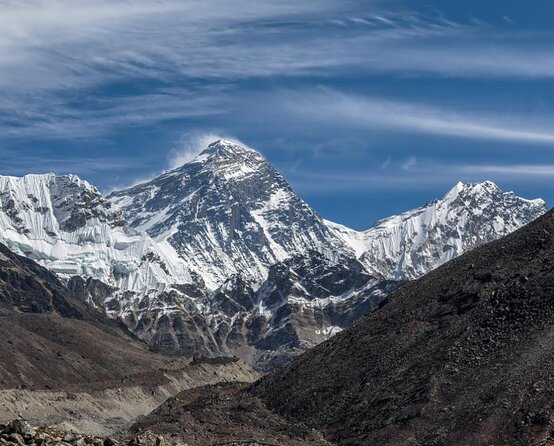
- Lukla flights included: You get the Kathmandu–Lukla–Kathmandu domestic airfare in the package price.
- Tea-house lodging is handled: You’ll sleep in tea houses for the main trekking days, without having to book every night.
- Kathmandu comfort before and after: The package includes 3-star hotel nights in Kathmandu (the details list two nights, while the overview describes three—confirm your exact dates).
- Small group limits: Max 8 people per booking, and it’s private for your group only.
- Real-world altitude expectations: The itinerary is built for gradual hiking through well-known stops, but you still need to be medically cautious.
- Support beyond hiking: Pickup and departure assistance by private car, plus a first aid kit and trained leaders.
Why this Everest Base Camp trek feels like the right kind of organized
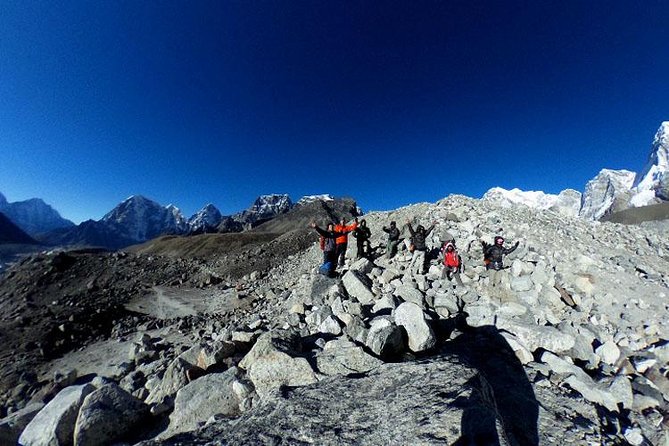
Everest Base Camp is one of those trips where “freedom” is limited by physics. Altitude doesn’t care about good intentions, and mountains don’t run on your itinerary. What I like about this tour is that it takes the big constraints seriously and builds your trip around them.
First, the trek is guided. You’re not left to guess what pace to keep, when to stop, or how to handle the day-by-day rhythm of breathing thinner air. The operator specifies a government license holder trekking guide with full facilities, and they also note basic first aid training and awareness of closest medical facilities. That matters because on this route, the first real danger is often simple: you push too hard too early.
Second, you’re not scrambling for the hardest logistics. The package includes domestic flights from Kathmandu to Lukla and back (with airport tax). That’s the part that can eat your time and budget if you try to assemble the trip yourself. Add in tea-house lodging and Kathmandu hotel nights, and you get a cleaner budget picture for the adventure days.
The trade-off is that you still need to be the one who manages your body and your packing. The tour explicitly asks you to keep luggage under about 22 lbs (10 kg), carry your own luggage, and pack light. That’s not a minor detail on a multi-day trek. Your pack weight will affect your legs every single day.
You can also read our reviews of more hiking tours in Kathmandu



Kathmandu warm-up: Thamel, major temples, and hotel nights
You start in Kathmandu, and the itinerary keeps you anchored in the areas most trekkers use as their base: Thamel is on the schedule, along with time around Swayambhunath and Boudhanath. If you’ve never seen these sites, they’re not just postcard items. They’re good for two reasons: you get your first taste of Nepal’s daily pace, and you can mentally switch from city mode to mountain mode without rushing.
You also get hotel time in Kathmandu at the 3-star level. The included details mention two nights in the 3-star hotel (with breakfast on day 1 and day 13). The overview mentions three nights, so your exact count depends on how your departure day lines up. Either way, the key idea is the same: you’ll have a real bed before you start trekking and a clean landing spot after you return.
Practical tip: use Kathmandu days to handle gear and paperwork prep calmly. The tour says trekking gears are available in Kathmandu to buy or rent and that your guide can help arrange that. So if you’re missing basics like layers, trekking poles, or a warm hat/gloves, don’t wait until you’re staring at a cold mountain staircase in the dark.
The Lukla jump: where the trek starts and the schedule gets real
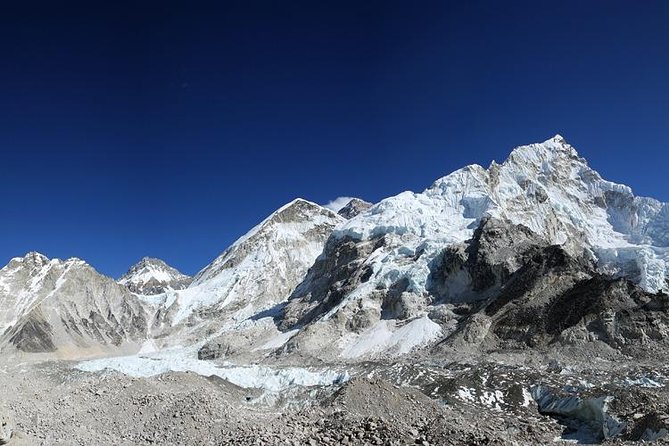
Your first major “mountain day” is anchored by the flight to Lukla. This is the engine of the trek. The plan includes Flights to Lukla from Kathmandu, then you move into the first trekking zone toward Phakding.
The itinerary lists Phakding as the long day segment after your Lukla flight day. That’s a classic pattern: once you’re dropped into the Khumbu area, you start with a downhill-leaning or steady warm-up trek to get your legs working before you start stacking elevation.
Here’s the reality to respect: Lukla flights can be delayed or canceled. The tour specifically requests you consider 1–2 extra days for that reason. That isn’t fear-mongering; it’s just how mountain aviation works. If you have a tight connection out of Nepal, build a buffer or be ready for schedule changes.
Also, remember the logistics chain: pickup and departure assistance are part of the package by private car. That helps reduce the number of moving parts you have to manage after you land in Kathmandu.
Up to Namche Bazaar: river crossings, acclimatization, and high-altitude habits
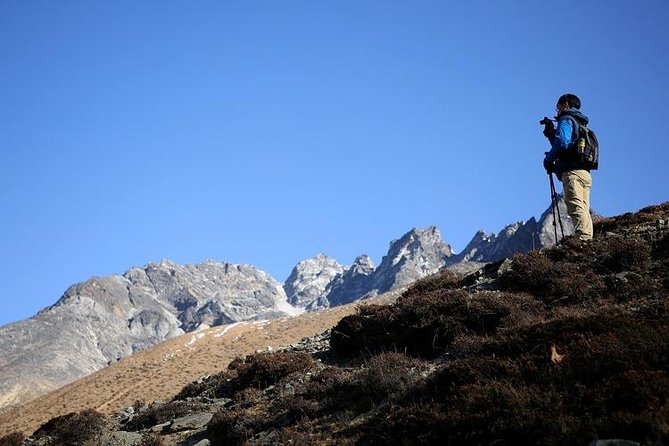
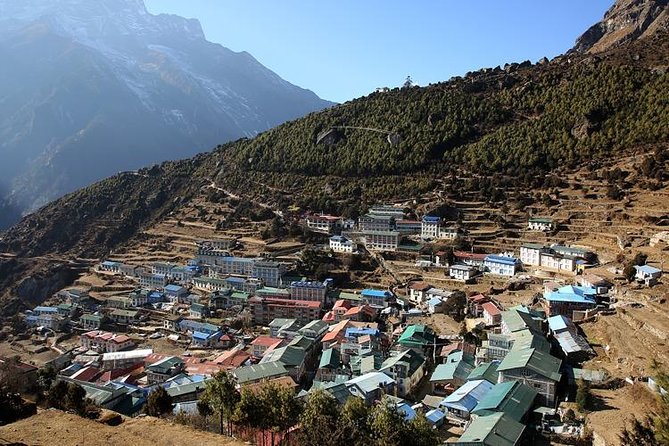
Namche Bazaar is one of the main hubs of the Everest region, and it shows up multiple times in your itinerary. The climb begins with the trek moving through sections near the Dudh Koshi River, which is a good early reminder of what the valley does to weather and visibility.
Once you reach Namche, the schedule builds in acclimatization time. The itinerary includes a stop in Namche Bazaar on consecutive days. That’s not just sightseeing; it’s your body learning how to function at altitude without escalating too quickly.
You also get time at Everest View Point, which is a short viewpoint stop built into the Namche area day. That’s a nice way to check how your breathing feels as you walk and as you stop. Use viewpoint time as a self-check: if you’re out of breath walking a few minutes, slow down before the main push.
Practical advice I’d follow if you want to enjoy the trek rather than survive it: eat and drink consistently even if you’re not starving. At altitude, thirst and hunger don’t always feel like they should. A steady rhythm helps you keep your pace controlled for later days.
Tengboche and Dingboche: monastery stops and big mountain angles
After Namche, the itinerary carries you toward Tengboche, with Tengboche Gompa listed as an included stop. This is a classic moment on the EBC route: monasteries here aren’t just cultural stops; they’re also a mental checkpoint. You arrive, you slow down, you see how the snowline looks, and then you keep moving.
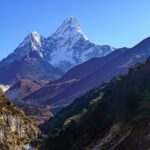
Your plan also includes viewpoints and mountain-name moments like Mt Ama Dablam and Mt Taboche. Even when you’re not staring at a single peak all day, these named landmarks help you orient. It’s easier to understand the terrain when your guide points out what you’re looking at.
Next comes Dingboche. Dingboche is in your itinerary for a long segment and then again later in the middle stretch. That repeating presence signals more acclimatization. The tour’s altitude note is clear that you should discuss health risks with your doctor before departure, since altitude effects can happen regardless of age or fitness. Dingboche is often where people start to feel the climb, so use your stops there to keep your pace conservative.
If you want the trip to stay fun, treat Dingboche as a day to practice your altitude routine: small meals, layers adjusted often, and walking only as fast as your breathing allows.

Chukhung to Lobuche: the point where the trek gets serious
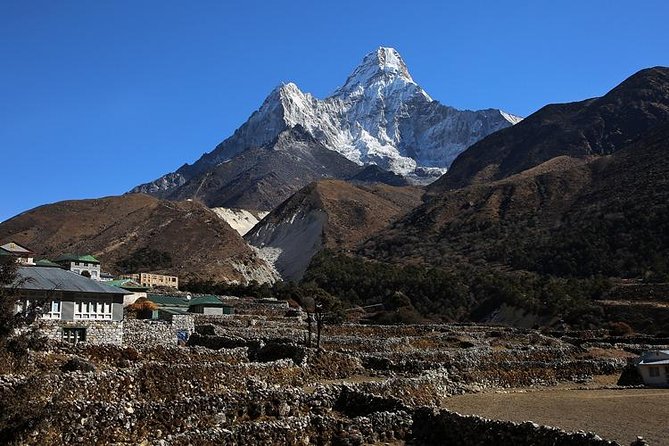
The itinerary includes a day in Dingboche and a jump to Chukhung, then later continues to Lobuche. This section is where the scenery starts feeling more “moon-like” in many places because you’re higher and farther from trees.
Chukhung is listed as a stop, suggesting time in that valley zone before the route shifts again. Then comes Lobuche, another key high-altitude base for many Everest treks. The itinerary also includes the Khumbu Glacier near this area.
When you see terms like glacier and high valley segments, plan mentally for a different type of hiking. Conditions can feel colder, and the air can make even simple movement take longer. This is also where trekking poles often become your best friend if you use them.
A note from the tour setup: you’re carrying your own luggage, with the tour recommending keeping your weight under 22 lbs (10 kg). On these higher days, that weight becomes more noticeable. Pack light and pack smart: your most essential warmth layers should be accessible without unpacking your whole bag each time the weather flips.
Gorak Shep and the Mount Everest area: when the trip narrows into its payoff
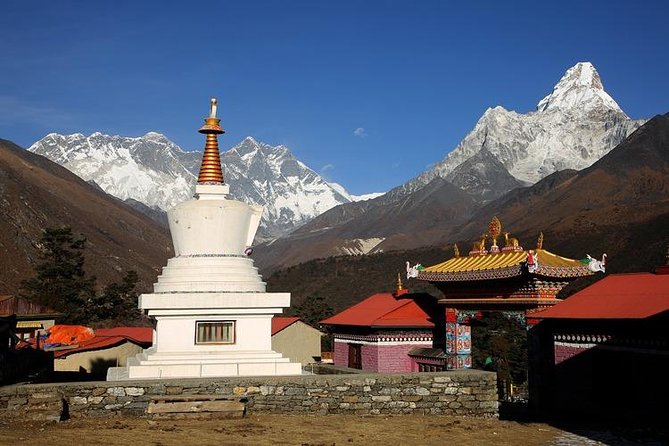
Your itinerary includes Gorak Shep as a major stop, plus time around the Mount Everest area. This is the heartland of Everest trekking. Even if you’re not standing on the summit (nobody on this tour is), the terrain and the sense of scale can still hit hard.
The schedule suggests a long day moving through the Gorak Shep area and then a next-day highlight built around Kala Pattar. So think of Gorak Shep as your launching pad for the big viewpoint day.
Practical expectation: the cold can be real here, and the walking feels slower even if the distance isn’t huge. Don’t chase speed. You’ll travel better when you choose steady.
Kala Pattar and the return route: the views, then the downhill work
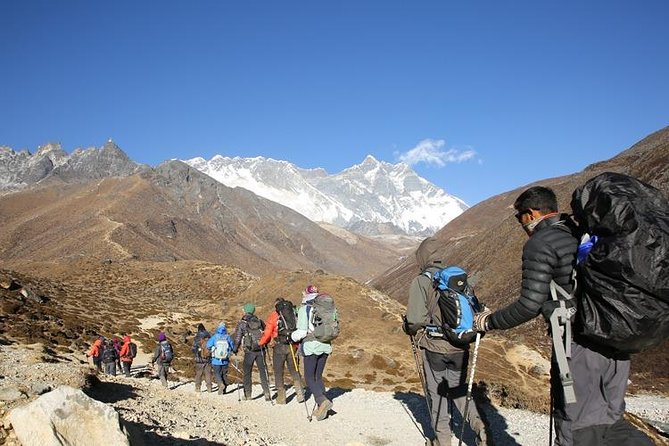
Kala Pattar is listed as a stop, and that’s a big one. It’s known for viewpoint potential, and in this itinerary it’s only listed as about an hour, which likely means a short, focused climb/walk then time to take in the view and recover. Treat it as a highlight you enjoy without burning yourself out.
After that, your itinerary moves through Pheriche–Dughlha Road and Pangboche, then back toward Namche. This return matters. On the way down, your knees will do the negotiating, even when your lungs feel better.
Your plan includes Namche again and then Lukla on the final trekking day before you return to Kathmandu. That looping route is common because it gives you the practical advantage of retracing your way through known villages and tea houses rather than forcing a totally new route.
Guides who matter: how your day-to-day safety gets handled
One of the most praised aspects from the experience feedback is leadership that stays on top of details. Names you may see in the feedback include Bishnu and Basu. The tone is consistent: Bishnu handles the big-picture flow and attention, while Basu is described as amazing and always trying to make sure things turn out perfectly.
Even beyond names, the tour itself lays out the structure: a licensed trekking guide, first aid kit, basic first aid training, and awareness of the closest medical facilities. That means when something goes wrong—bad weather, a sudden health issue, a timing mismatch—your guide isn’t improvising from scratch.
Also, this isn’t a huge mega-group tour. The tour caps groups at 8 people per booking and runs it as a private activity for your group. That typically means less chaos on narrow trails and a better chance for your pace to match the group.
The real cost: what $999 covers and what you still need to budget
The base price is $999 per person. That number is attractive because it includes the big-ticket items that independent planning often makes messy:
- Domestic flights Kathmandu–Lukla–Kathmandu (including airport tax)
- Tea-house accommodation for the trekking portion
- 3-star Kathmandu hotel nights (check exact night count)
- A government-licensed trekking guide
- All government taxes, VAT, and service charges listed in the package
But two items are explicitly not included:
- Food and drinks, unless specified (budget listed as $350 per person)
- Gratuities ($150 per person)
So your real all-in number is more than $999. Still, for many people, it’s good value because the tour handles transport, lodging style, and guiding—three things that are hard to manage at the same time when you’re also trying to keep your altitude routine intact.
My practical advice: treat the included price as the trip framework, then plan a separate budget for daily meals and drinks. On trekking days, food isn’t optional comfort—it’s fuel.
Altitude and packing: the stuff that decides if you enjoy this or not
The tour gives a key warning: you’ll walk at demanding altitudes around 5,364 meters, with extreme weather variations possible, and adverse health effects can happen regardless of age or gender or fitness. That’s not meant to scare you; it’s a reality check that you should take seriously.
It also says travel insurance that covers medical expenses and emergency repatriation is required, and you’ll need proof to show the tour leader on day one. That’s standard for responsible high-altitude trekking, and it’s worth treating as part of the trip cost, not an optional formality.
Packing guidance is also direct: keep luggage under 22 lbs (10 kg) and carry your own luggage. Extra luggage can be left at the office or hotel and picked up after your return.
If you’re buying or renting gear in Kathmandu, use the guide’s help. The itinerary notes that required trekking gear is available to buy or rent there, and a guide will assist arrangements. That’s a practical advantage: you’ll get local recommendations rather than second-guessing size charts.
Weather and the Lukla flight risk: plan like an adult, sleep better at night
This tour openly flags Lukla flight delays and cancellations and asks you to consider 1–2 extra days. If you’re the type who hates schedule uncertainty, this is the main reason to think hard before booking.
My suggestion is simple: don’t schedule a tight end-of-trip flight out of Nepal the next morning unless you’re okay with the possibility of changes. A little buffer can keep your trip from turning into a stress sprint.
The good news is that your trek itself uses familiar waypoints, with tea houses in the core region. That means your hiking days have a stable rhythm even when weather plays games with flights.
Price and value check: who this tour fits best
At $999 per person, this is a mid-range price for Everest Base Camp because the plan includes Lukla flights, guides, and tea-house lodging. If you’ve priced this yourself, you know flights plus guided logistics can quickly add up.
This tour makes the most sense if you:
- Want a guided trek with a licensed leader and first aid support
- Prefer tea-house accommodation instead of carrying more gear
- Like having flights and lodging handled so you can focus on altitude and pacing
- Are traveling with a group size that stays capped (max 8) rather than a large crowd
If you’re chasing total independence and want to build every decision yourself, you might find this tour too structured. But if you’d rather reduce risk and maximize time on the mountain, the included framework is a strong value.
Should you book this Everest Base Camp trek?
If you can handle altitude responsibly, this is a solid choice. The combination of Lukla flights included, tea-house lodging covered, and a licensed guide with basic first aid support is exactly what you want on a route where one bad decision can snowball fast.
Book it if you also accept the trade-offs:
- You need to budget for food and gratuities on top of the listed price.
- You should plan for possible Lukla schedule hiccups and keep a little slack in your trip.
- You’re willing to pack light and follow a pace that prioritizes breathing over speed.
If that sounds like your style, you’ll likely love what the Everest region does when you’re actually walking through it—not just looking at it.
FAQ
Where does the tour start and what’s the meeting point in Kathmandu?
The meeting point is Tribhuvan Airport in Kathmandu, Nepal. Pickup and dropoff are included by private car for arrival and departure assistance.
Are domestic flights included for the trek to Lukla?
Yes. Domestic airfare for Kathmandu–Lukla–Kathmandu, including airport tax, is included.
How many nights are you in Kathmandu and how many are in tea houses?
The included details list two nights in Kathmandu in a 3-star hotel, and 11 nights in tea houses during the trek. The overview text mentions three nights in Kathmandu, so confirm your exact night count at booking.
What accommodation do you get during the trek?
You stay in tea houses during the trekking portion. Tea-house accommodation is included for the trek days.
What is not included in the tour price?
Food and drinks are not included unless specified, with a stated budget of $350 per person. Gratuities are also not included, listed as $150 per person.
What altitude should I be prepared for on this trek?
The tour warns that you’ll walk at demanding altitudes of approximately 5,364 meters (17,598 ft), with possible extreme weather changes. You should discuss the trip with your doctor before departure.
Do I need travel insurance for this trek?
Yes. Travel insurance that covers medical expenses, including emergency repatriation, is required, and proof must be shown to the tour leader on the first day.
How much luggage should I bring?
The tour recommends keeping your luggage under 22 lbs (10 kg), and notes that you are expected to carry your own luggage. Extra luggage can be left at the office or hotel and picked up on your return.
How big is the group and is it private?
The maximum group size is 8 people per booking, and it’s described as a private tour/activity where only your group participates.
What’s the cancellation policy?
Free cancellation is offered. You can cancel up to 24 hours in advance for a full refund; if you cancel less than 24 hours before the experience starts, there is no refund.