REVIEW · EVEREST BASE CAMP TREKS
Everest Base Camp Trek 12 Days – Best Himalayan Adventure
Book on Viator →Operated by Scenic Nepal Treks Expedition Pvt. Ltd · Bookable on Viator
Everest Base Camp starts with good planning. This 12-day private trek in Nepal’s Khumbu region is built around experienced Sherpa leadership and the practical pieces you need to focus on walking, views, and mountain culture.
I especially like that the trek is private guided (minimum two travelers), so you’re not stuck in a big group where questions and pace get lost. I also like the support package: domestic flights, permits, first-aid kit, and tea-house lodge accommodation for 11 nights.
The main drawback to weigh is effort. This is a high-altitude trek with a requirement for moderate physical fitness, so if you’re not prepared for steep days and cold nights, you’ll feel it.
In This Review
- Key highlights worth your attention
- A trek that feels organized, not improvised
- Kathmandu start: where your trek prep becomes real
- Lukla flights: why the timing and route matter
- Namche Bazaar: the acclimatization day that makes the trek possible
- Tengboche to Dingboche: monasteries, villages, and steady altitude gains
- Gorak Shep, Everest Base Camp, and Kala Patthar views
- Tea houses and meals: comfort comes from planning
- Sherpa guides and porter support that affects your pace
- What the gear list tells you about real conditions
- Who this trek is best for (and who should think twice)
- Price and value: what $1,439 buys you
- Should you book this Everest Base Camp trek?
- FAQ
- What is included in the Everest Base Camp trek package?
- Is the trek truly private?
- Do I need a trekking permit, and are permits covered?
- Are vegetarian meals available?
- What gear do I have to bring versus what is provided?
- Can I cancel and get a full refund?
Key highlights worth your attention
- Private Sherpa-guided trek with a minimum of 2 travelers per booking
- Lukla domestic flights included (may route via Ramechap Airport)
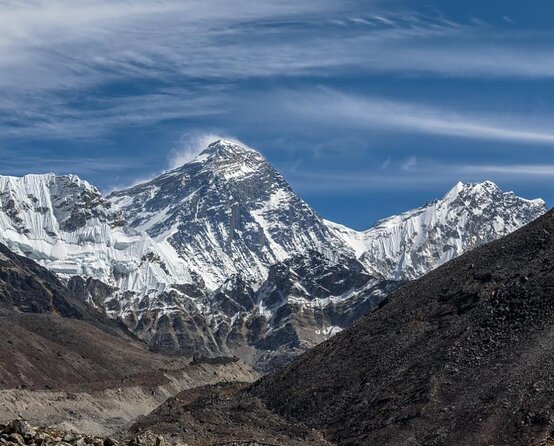
- Kala Patthar viewpoints + Everest region panoramas on the final push
- Tea-house lodging for 11 nights in twin sharing
- Optional porter support (2 hikers share 1 porter)
- Vegetarian option available if you flag it during booking
A trek that feels organized, not improvised
What makes this Everest Base Camp plan feel smart is that it covers the “hard to manage” parts up front. You get a highly experienced Sherpa trekking guide, trekking permits, staff insurance, and a first-aid kit so you’re not trying to figure out essentials mid-trip.
The itinerary structure also makes sense for most hikers: you’ll move through classic Khumbu villages and then work toward the Everest zone with time for acclimatization. That rhythm matters because it’s not just about getting there; it’s about handling altitude without rushing your body.
I also like that you can choose porter help for your bags. That’s a big quality-of-life upgrade when you’re climbing all day and your legs already have to do enough work.
You can also read our reviews of more hiking tours in Kathmandu
Kathmandu start: where your trek prep becomes real
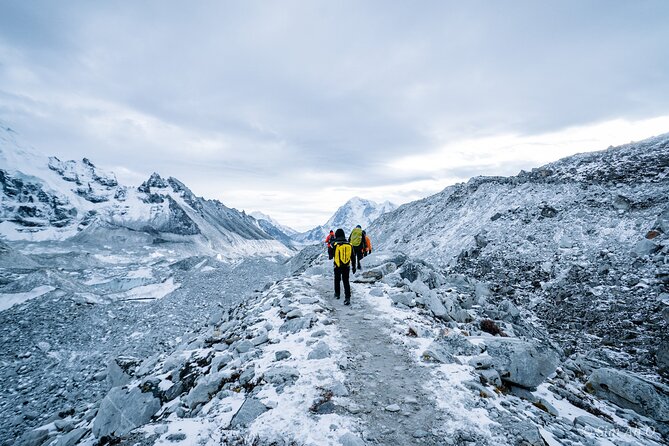
Your trip begins in Kathmandu at the Scenic Nepal Treks & Expedition office on Bhagwati Marg. This is where you get the practical setup that makes the days ahead run smoother, especially because you’ll need to coordinate flight details and document info for the trek.
One useful detail: they require your passport name, number, expiry, and country at booking time for all participants. If you keep your documents ready, you avoid last-minute stress and slowdowns.
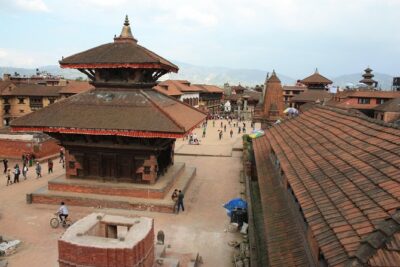
You’ll also do sightseeing excursions as part of the package. That matters because it breaks up travel fatigue and gives you a normal city day before you step into mountain logistics.
Lukla flights: why the timing and route matter
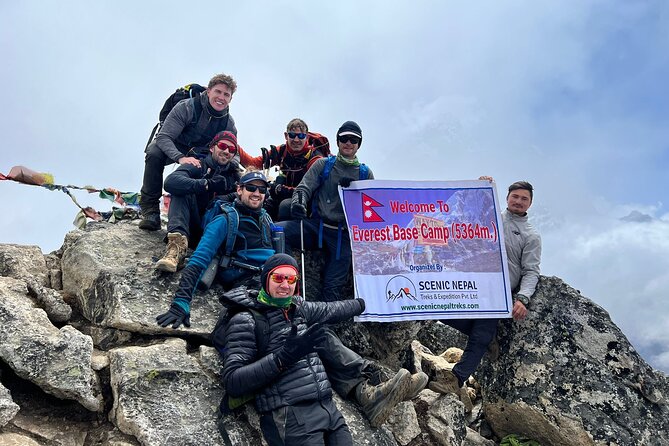
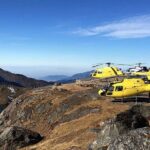
This trek includes return domestic flights to the start of the walking portion. Your flight may depart from Ramechap Airport, which is a detail worth knowing before you lock travel plans around Kathmandu.
Why this matters for you: Lukla flights are the gateway. When the transport is handled in the package, you spend less time chasing schedules and more time preparing physically and mentally for the trail.
Once you’re in the Lukla-to-Khumbu flow, the trekking days start to feel like a steady build: villages get more remote, elevations climb, and the Everest region scenery takes over your attention.
Namche Bazaar: the acclimatization day that makes the trek possible
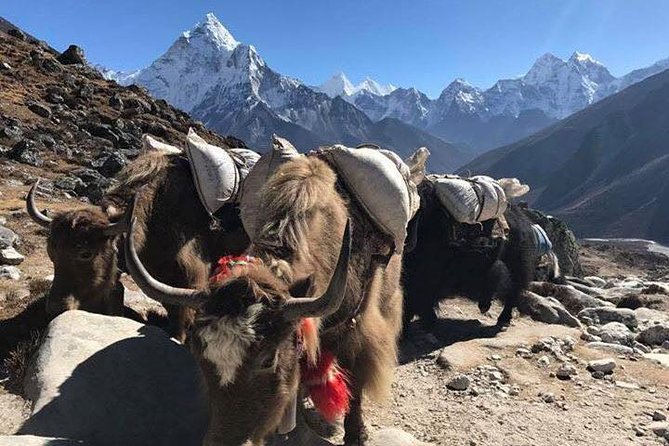
Namche Bazaar is one of the best-known hubs in the Khumbu. In practical terms, it’s where altitude begins to feel serious, so a guided plan that includes acclimatization is a real benefit.
I like the way the route positions you here after entering the region. You’re not just climbing day after day with no breathing room. Instead, you get the chance to adjust while still enjoying village life and mountain views.
If you’re the type who gets nervous about height, the guide-led approach helps. A Sherpa guide can watch your pace, answer questions quickly, and adjust daily expectations based on how you’re feeling.
Tengboche to Dingboche: monasteries, villages, and steady altitude gains
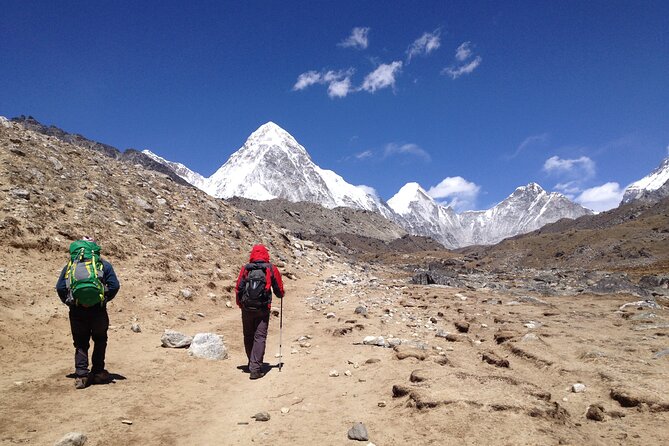
Tengboche is where many trekkers first feel the spiritual side of the Khumbu. The village atmosphere and the monastery setting give your walk texture, not just scenery.
Then the trek continues toward Dingboche, another key altitude stop. Dingboche is where the landscape starts to look more stark and high-altitude daily life becomes more obvious. It’s also an important step because this is where you’re closer to the final Everest staging areas.
What’s valuable here is that you’re building up toward the summit-zone viewpoints in stages. This is one of those trips where the “in-between” days are not wasted. They’re part of how you arrive at the main sights with enough energy and confidence.
Gorak Shep, Everest Base Camp, and Kala Patthar views
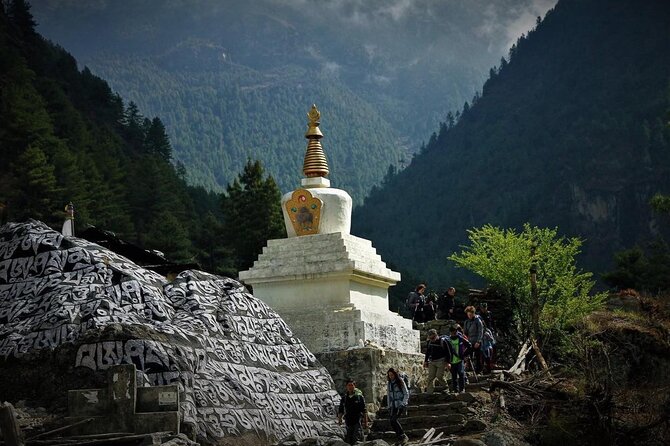
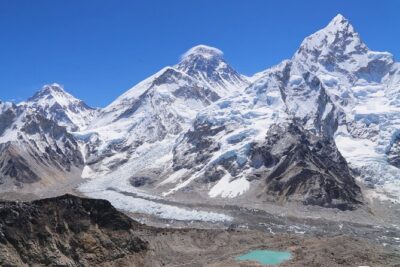
This is the zone that everyone comes for. After reaching the higher camps, you’ll work your way through the Everest Base Camp area and then toward panoramic viewpoints including Kala Patthar (5,364m).
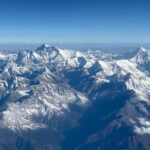
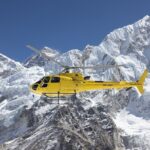
Here’s the real value of that combination: Everest Base Camp gives you the meaning of the whole region, while Kala Patthar is about perspective. From there, you’re looking at major peaks like Mount Everest, Lhotse, Nuptse, Ama Dablam, and Pumori—a lineup that makes the trek feel less like “walking for walking’s sake” and more like a moving vantage point.
This section also tends to be colder and more demanding. Build your day around good pacing, simple decisions, and staying warm. The guide’s job is to keep you safe while you chase views.
Tea houses and meals: comfort comes from planning
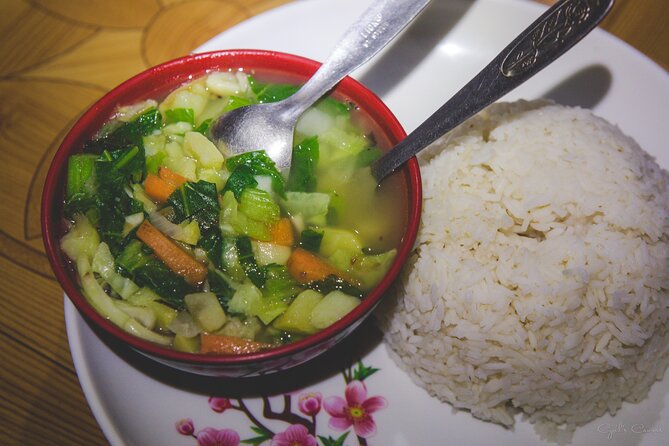
This trek uses tea-house accommodation for 11 nights during the hike, typically in twin sharing. That’s common on EBC routes, but it’s still important: twin rooms help you keep costs controlled, while tea houses keep you out of the more complicated camping logistics.
Meals are listed as included, but the package also flags personal meals/expenses separately. Translation for you: you should expect the standard trek meals to be covered as part of the plan, and still budget for extra snacks, drinks, and anything you choose to add on.
If you’re sensitive to cold or sleep poorly at elevation, treat your packing as part of the comfort strategy. The temperature swing in the higher zones can be intense, and your layers matter more than your gear choices lower down.
Sherpa guides and porter support that affects your pace
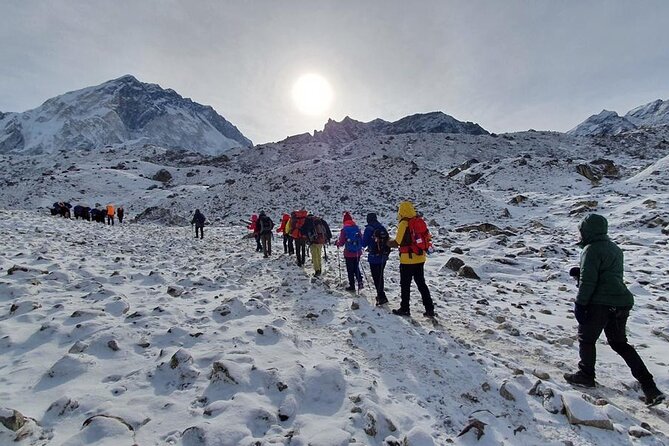
The tour includes an experienced Sherpa trekking guide, and the value here isn’t just local knowledge. It’s decision-making: pacing, safety habits, and quick adjustments when conditions change.
The reviews include several named staff members—like Binod, Santosh, and Ramjee—plus guides such as Shankar and Dipendra connected with Scenic Nepal. Seeing multiple names come up with consistent praise is a good sign that the company’s core team is stable and responsive.
Porter support is also part of the structure. The package notes a porter system where 2 hikers share 1 porter to carry bags. That means you’ll likely walk with less weight than solo self-supported hikers. Your legs will still do the work, but you’ll feel the difference on long, steep sections.
What the gear list tells you about real conditions
The operator provides some essentials, and the rest you’ll bring. They mention that Scenic Nepal Treks provide your sleeping bag and silk liner, plus items like maps, torch/flash light, and a water bottle. A duffel bag is also provided.
They also list clothing and gear you should plan on bringing, including warm hat, scarf, gloves, a waterproof jacket, a down jacket (minimum -10C depends on where/when), thermal underwear, a backpack, and trekking footwear basics like boots and spare laces. They also call out water purification tablets, sun protection like sunscreen and lip warm, and sunglasses.
For me, this gear list reads like a practical forecast: bright sun by day, cold air by night, and wet moments when you need waterproof layers. Pack for temperature control more than fashion.
Who this trek is best for (and who should think twice)
This trek is described as suitable for fit beginners through experienced hikers, but the package also asks for moderate physical fitness. In real terms, that means you need to be comfortable walking for long days and handling altitude fatigue.
It also requires a minimum of 2 people per booking, so it’s easiest if you’re traveling with someone or you don’t mind pairing arrangements. If you’re seeking a true solo private hike, this specific structure may not match your expectations.
On the plus side, they offer a vegetarian option if you request it in advance. And they state that service animals are allowed, which may be relevant for some visitors planning accessible support arrangements.
Price and value: what $1,439 buys you
At $1,439 per person, you’re paying for more than a guided walk. You’re buying a bundle of the trip parts that usually add time and cost on your own:
- domestic flights to and from the trek start area
- trekking permits
- an experienced Sherpa guide
- 11 nights of tea-house accommodation in twin sharing
- first-aid kit, staff insurance, and medication/equipment support
- porter help for bags (shared porter model)
- sightseeing excursions
That value equation gets stronger if you’d otherwise have to coordinate flights, permits, and guide logistics yourself. Where I’d be careful is with what the package lists as personal expenses and meals during trek. Even with meals included, you’ll still spend on water add-ons, snacks, charging, and personal comforts.
So treat the price as a “reduce complexity” deal. If you like that kind of travel—clear structure, local experts, and fewer moving parts—this can feel like a good match.
Should you book this Everest Base Camp trek?
I’d recommend booking if you want a private guided trek with Sherpa leadership, you’re okay sharing twin accommodations, and you want the important logistics handled (flights, permits, guide, and tea-house stays). The inclusion of porter support is also a practical advantage that can keep your focus on the mountain.
I’d pause if you know you’re not ready for cold, altitude, and long walking days. Also, if your travel style is very independent, the minimum-two and small-group setup may feel more structured than you prefer.
If you want Everest Base Camp with a plan that reduces guesswork while keeping the experience authentic, this 12-day route is a solid option.
FAQ
What is included in the Everest Base Camp trek package?
The package includes a highly experienced Sherpa trekking guide, return domestic flights (the flight may fly from Ramechap Airport), all necessary trekking permits, staff insurance and medication/equipment, a first aid kit, and 11 nights of twin-sharing tea-house accommodation. It also includes a porter arrangement for carrying bags.
Is the trek truly private?
The trek is described as private guided and requires a minimum of 2 travelers per booking. The activity also lists a maximum group size (with 10 travelers noted in additional info), so you’ll be in a small group rather than a large crowd.
Do I need a trekking permit, and are permits covered?
Yes, trekking permits are required for this trek, and the package includes all necessary trekking permits.
Are vegetarian meals available?
A vegetarian option is available. You need to advise the operator at booking time if you require it.
What gear do I have to bring versus what is provided?
The operator lists trekking clothing and supplies you should bring, including boots and spare laces, warm layers (hat, scarf, gloves), a waterproof jacket, and sun protection. They also mention they provide items such as your sleeping bag and silk liner, plus maps and a torch/flash light, and a duffel bag.
Can I cancel and get a full refund?
Yes. Free cancellation is offered, and you can cancel up to 24 hours in advance for a full refund. If you cancel less than 24 hours before the start time, the amount paid is not refunded.