REVIEW · KATHMANDU
Rafting in Nepal: Trishuli, Bhotekoshi & Other River Rafting
Book on Viator →Operated by Shepherd Holidays · Bookable on Viator
Whitewater can feel surprisingly close to Kathmandu. This day-trip style outing makes Nepal rafting easy to plan, with hotel pickup and a proper safety briefing before you hit the current. I also like that Trishuli offers friendly Class II–III rapids for first-timers, while Bhote Koshi ramps up the adrenaline with harder Class III–V water. One catch: if you choose public buses, the road time can be long and a bit rough, so your day may feel rushed.
You’re not signing up for a multi-day wilderness trek. You’re getting a focused rafting outing with a scenic drive, time on the river, and a typical Nepali lunch—good value if you want action without logistics headaches. It helps that the river flow allows rafting in most seasons, and the Trishuli side is known for relatively warm water, which matters more than you’d think when you’re splashing for hours.
There’s also a small-group vibe here (maximum 15 people), and the operator keeps you moving with transport from the ending point back to your starting point. Just keep expectations realistic: some departures can feel short on water time depending on timing and how the day runs.
In This Review
- Key points you’ll care about before booking
- Why Trishuli and Bhote Koshi work from Kathmandu
- Trishuli River rafting: Class II–III rapids with scenic hill country
- A practical heads-up
- Bhote Koshi rafting: where Class III–V changes the mood
- What to expect from the day-feel
- The road journey: Kathmandu-to-raft timing and why transport matters
- My advice
- Safety briefing and guides: the part that keeps it fun
- Protecting your belongings
- Lunch and the real timing on the water
- What $90 buys you (and how to judge the value)
- What’s not included
- Who should book this rafting day trip
- Should you book this Kathmandu rafting combo?
- FAQ
- FAQ
- How long is the rafting experience?
- What does the price include?
- What river rafting options are available?
- What rapids difficulty should I expect?
- Do I need prior rafting experience?
- Is pickup offered from Kathmandu hotels?
- What about weather and cancellations?
- Is there a limit on group size?
Key points you’ll care about before booking
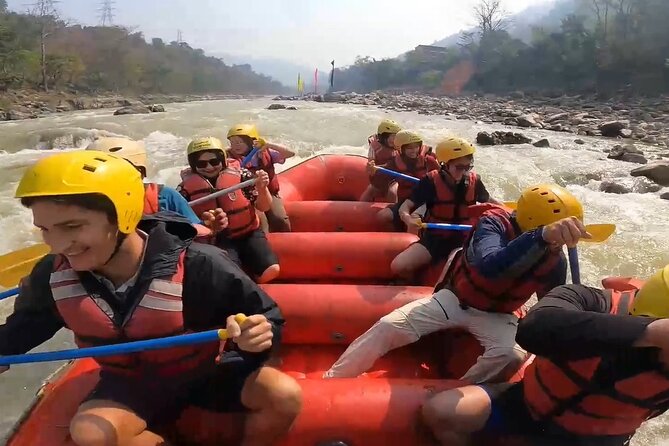
- Two river styles in one overall trip: Trishuli for Class II–III fun, Bhote Koshi for Class III–V challenge.
- Safety briefing is part of the flow: you get a thorough briefing before launching.
- Warm-ish water on Trishuli: you’ll be rafting on a relatively warm-water river compared with colder options.
- Transport is the make-or-break factor: the outing includes return buses, but public buses can turn the day into a long ride.
- Lunch is included: you’ll get a typical Nepali lunch, which helps keep the day from turning into a food scramble.
- Small group size: capped at 15 travelers. That usually means less chaos on gear and instructions.
Why Trishuli and Bhote Koshi work from Kathmandu
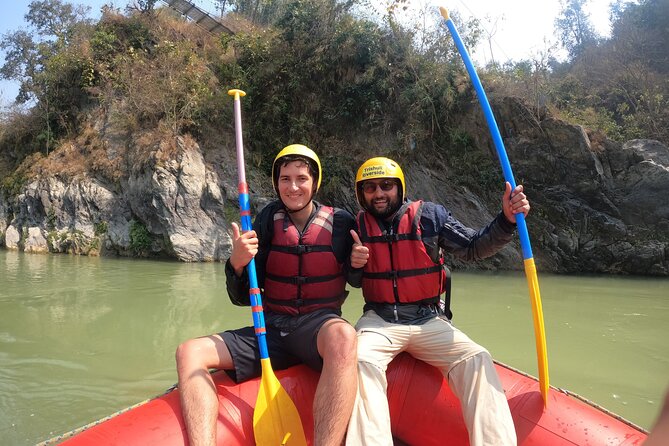
If you’re using Kathmandu as your base, rafting can feel like it might require days of setup. This approach keeps things efficient. You start with pickup from your hotel and then get a drive to the put-in area. From there, the day turns into a simple rhythm: safety briefing, gear-up, paddle through rapids, and then head back.
What makes this especially practical is that you’re not guessing about the basics. You get transportation (either private or public/tourist bus), rafting expenses are covered, and lunch is included. That matters when you’re only in Nepal for a short window and don’t want to spend your one free day negotiating details.
Also, the rapids are staged by difficulty. Trishuli is the “get your confidence fast” option (Class II and III). Bhote Koshi is for people who want more impact and speed (Class III up to V). If you can match the river to your comfort level, the whole day tends to feel like it was built for you.
You can also read our reviews of more tours and experiences in Kathmandu.

Trishuli River rafting: Class II–III rapids with scenic hill country
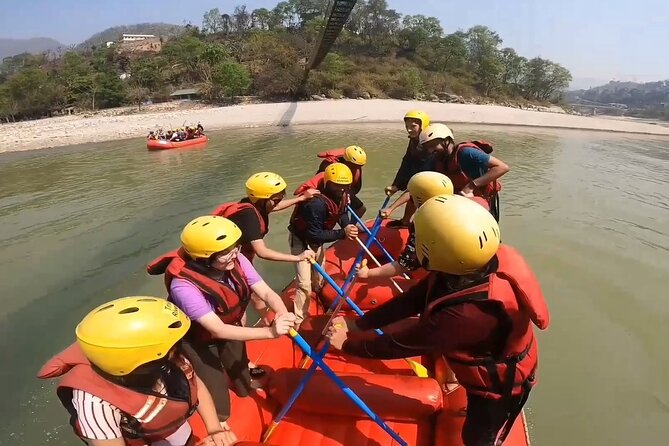
Trishuli is the easier entry point. The rapids are listed as Class II and III, which is a sweet spot for beginners who want real whitewater without going full survival-mode. The waterflow also makes rafting possible in most seasons, so you’re less likely to hit the “only one narrow window works” problem.
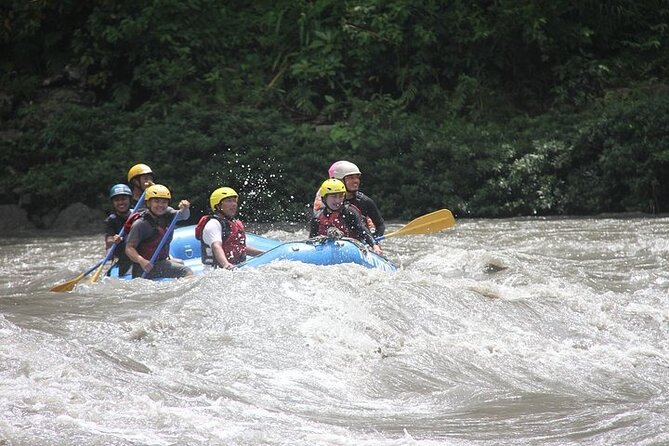
The experience starts after the scenic drive to Charaudi, where your rafting day kicks off. You’ll get a safety briefing from experienced guides, then you’re on the river navigating rapids that feel thrilling but manageable. One of the best parts here is that the setting is constantly moving—hills and valleys roll by as you paddle—so you’re not just counting seconds between rapids.
From actual feedback, people have talked about clear, good-looking water and strong scenery on this route. That’s not a small detail. When you can actually see the river and the riverbanks instead of being stuck in foggy, gray conditions, you remember the trip more than you do the time sheet.
A practical heads-up
This is meant to be a day outing, not an all-day marathon. Some people report a good amount of time on the water; others felt their time was shorter than expected. If long raft time is your top priority, pay attention to how your transport choice affects the schedule.
Bhote Koshi rafting: where Class III–V changes the mood
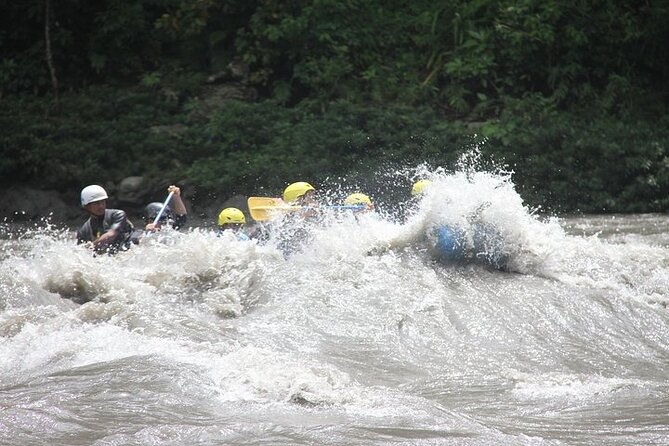
Bhote Koshi is the adrenaline option. Here, the rapids are listed from Class III to V, and the river is described as a more challenging rafting destination. This one is for you if you want bigger action, tighter water, and a more intense ride.
The day begins with the scenic drive to Sukute, then you receive a safety briefing before you jump into the more aggressive rapids. The route is described as involving narrow gorges and powerful sections of water. That’s exactly the kind of setting that makes rafting feel like more than just splashing around.
If you’re an experienced rafter, the higher-class water is the point. If you’re a first-timer, take the difficulty label seriously. Class III–V is where proper technique and listening closely to instructions matters a lot more than enthusiasm.
What to expect from the day-feel
Bhote Koshi trips can feel more intense simply because the river demands more attention. That’s why pairing it with strong guides and clear instructions is key. The operator here includes a thorough safety briefing, which helps you get your bearings fast before the rapids start stacking up.

The road journey: Kathmandu-to-raft timing and why transport matters
The itinerary style is straightforward: return buses from Kathmandu to the put-in point are included, and hotel pickup and drop-off are part of the package. You can also choose private transportation if you want to reduce stress.
This is where the real-world experience gets interesting. One reviewer called out that the drive on Bhotekoshi can take around 2.5 hours, but the roads aren’t great. That’s normal for road travel near rafting areas, but it’s still worth factoring in.
Another review was less forgiving about public buses, describing overcrowding and a travel time that stretched out past expectations (over 5 hours just to reach the rafting area). That kind of delay can affect how much time you actually get on the water.
My advice
- If you hate being stuck in traffic for hours, choose the private option if it’s available.
- If you’re fine with shared travel and want the cheaper, local-feeling route, the public/tourist bus approach can work.
- Either way, plan your day around the fact that the river portion is only part of the timeline.
Because the outing runs roughly 6 to 12 hours, your comfort with long transit is a big part of the decision.
Safety briefing and guides: the part that keeps it fun
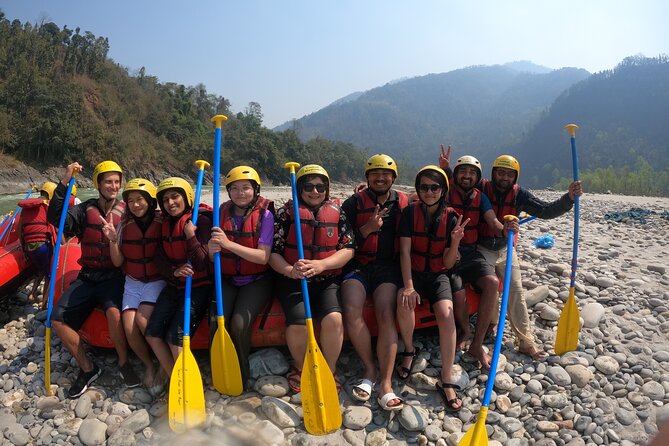
Whitewater is fun because it’s controlled risk. The control comes from the briefing and the way guides run the day. Here, you receive a thorough safety briefing before starting, and the experience is framed around well-trained guides.
That’s important because even on Class II–III, you’re still dealing with moving water, timing, and teamwork. On Class III–V, the need to pay attention becomes even more critical.
You’ll also have gear handled as part of the rafting expenses. You should bring yourself, your clothing choices, and your willingness to follow directions. Beyond that, the operator structure is built to keep you from feeling lost.
Protecting your belongings
One piece of feedback praised personal belonging protection being well accounted for. That’s exactly what you want to hear when you’re carrying your phone, camera, and everyday items. Even if you’ve rafted before, treat this as a day where you’ll want to store valuables safely instead of hoping they stay dry by magic.
Lunch and the real timing on the water
Lunch is included, described as a typical Nepali lunch. That’s a practical win because it reduces decision fatigue and keeps you from hunting food after a wet, tiring morning.
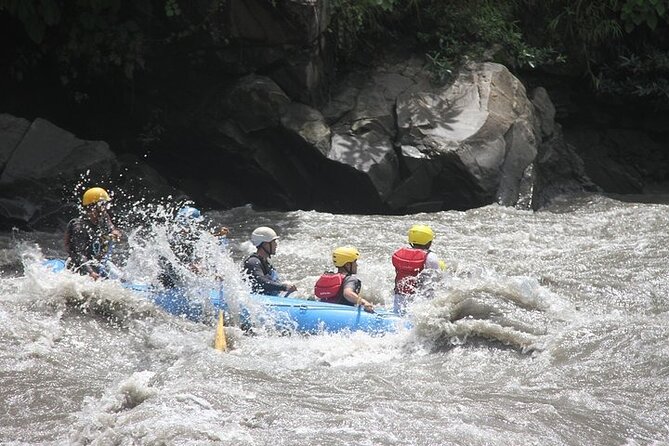
In terms of timing, reports mention spending about 2+ hours on the water for one trip, while another person felt their time on the water was brief. Both can happen in day-trip rafting depending on how transport, timing, and the flow of the day line up.
The bottom line: if you want maximum time on the river, you should treat this as a “plan for a full day” activity, not just a quick thrill.
What $90 buys you (and how to judge the value)
At $90 per person, the value comes from stacking several things together:
- Pickup and drop-off at your hotel
- Transport to and from the rafting area (private or public/tourist bus)
- Rafting expenses included
- Typical Nepali lunch included
- Return transport from the ending point back to the starting point
So you’re not paying for rafting alone. You’re paying for a whole day’s logistics, which can be expensive if you piece it together yourself—especially when you’re only here for a short stay.
Also note the “good weather” requirement. If weather forces a change, you’ll be offered a different date or a full refund. That’s good, because whitewater days depend on conditions.
What’s not included
Accommodation and personal expenses aren’t included. Travel insurance isn’t listed as included either, so you’ll want to handle that separately if you typically travel insured.
Who should book this rafting day trip
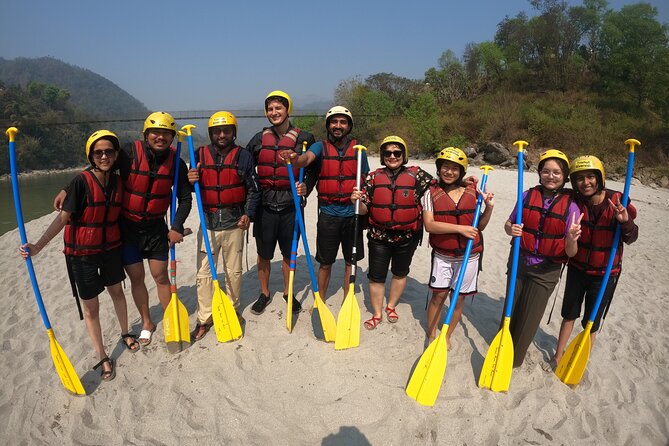
This makes the most sense for:
- People staying in Kathmandu who want rafting without complicated planning
- First-timers who want an easier entry on Trishuli (Class II–III)
- Adrenaline seekers who want the harder option on Bhote Koshi (Class III–V)
- Travelers who like the idea of a scenic drive plus a guided river day
It may not be your best match if:
- You hate long road travel and want to spend most of the day directly on the river
- You’re expecting a deep wilderness adventure feel (this is more “day trip focus” than remote expedition)
A moderate physical fitness level is recommended. If you can handle a full day, getting in and out of the raft, and basic movement, you’ll likely be fine.
Should you book this Kathmandu rafting combo?
I’d say book it if you want a guided rafting day that’s built around convenience: hotel pickup, transport to the put-in point, safety briefings, and lunch included. It’s a smart choice for short Kathmandu stays, especially if you pick the river that fits your comfort.
If you’re sensitive to delays, lean toward private transportation to protect your time on the water. And if you’re new to rafting, choose Trishuli first rather than jumping straight into Bhote Koshi’s higher-class rapids.
One more thought: this is capped at 15 travelers, and safety briefings are emphasized—both are signs that the day is designed to run smoothly, not chaotically.
FAQ
FAQ
How long is the rafting experience?
It runs about 6 to 12 hours, depending on the route and the day’s schedule.
What does the price include?
The price includes hotel pickup and drop-off, transportation to the rafting area (private or public/tourist bus), rafting expenses, a typical Nepali lunch, and transportation from the ending point back to the starting point.
What river rafting options are available?
The trip includes rafting on the Trishuli River and Bhote Koshi River (the experience focuses on both, with different rapids by river).
What rapids difficulty should I expect?
Trishuli is described as Class II and III. Bhote Koshi is described as Class III to V.
Do I need prior rafting experience?
Trishuli is presented as suitable for beginners due to its Class II–III rapids. Bhote Koshi is described as more challenging and is best for adrenaline seekers and experienced rafters.
Is pickup offered from Kathmandu hotels?
Yes. Pickup and drop-off at your hotel are included, and the trip also uses return buses from Kathmandu to the put-in point.
What about weather and cancellations?
The experience requires good weather. If it’s canceled due to poor weather, you’ll be offered a different date or a full refund.
Is there a limit on group size?
Yes, it has a maximum of 15 travelers.