REVIEW · HIKING & TREKKING
Everest Basecamp Trek: 14 days
Book on Viator →Operated by Iconic Holiday Nepal · Bookable on Viator
Your Everest plan begins with one crazy flight. I like this trek because it tackles the hard parts up front: round-trip Kathmandu–Lukla flights and a real acclimatization rhythm in Namche Bazaar. You also get a licensed, English-speaking guide and porter support that keeps the focus on walking and breathing.
The main thing to consider is the altitude and the mountain schedule. This is built for moderate physical fitness, but you’ll still earn every gain in places like Namche and on the glacier approach toward base camp.
In This Review
- Key highlights worth planning around
- Why this Everest Base Camp plan feels doable (and good value)
- Kathmandu first: Thamel as your comfort base
- Lukla flight day: short time in the air, long memory on the ground
- Phakding to Namche Bazaar: bridges, uphill effort, and first altitude lessons
- Namche rest day (and the Syangboche/Syangbochta hike)
- Tengboche and the monastery morning: culture you can actually experience
- The mid-trek altitude rhythm: rest, Nangkartshang Peak, and settling in
- From Dingboche toward Lobuche: the glacier approach starts to matter
- Everest Base Camp day: the walk that finally ends the wait
- Kala Patthar before sunrise: the classic Everest view ticket
- The descent back to Namche and the Dudh Koshi crossings
- Flying back to Kathmandu: views and then real life
- Price and logistics: what $1,650 really buys (and what you’ll need to budget)
- Who this trek suits best (and who might struggle)
- Should you book this Everest Basecamp Trek?
- FAQ
- Where does the trip start and how are you met in Kathmandu?
- Are the Kathmandu to Lukla flights included?
- What kind of lodging do you get during the trek?
- Is acclimatization time included for altitude?
- What meals are included, and what do you pay for yourself?
- Do you have a guide and first-aid support?
- Do porters carry your luggage?
- Is high-altitude evacuation coverage included?
Key highlights worth planning around
- Lukla flights included for the fast jump from Kathmandu to the trailhead
- Namche rest + acclimatization hikes to lower your altitude-sickness risk
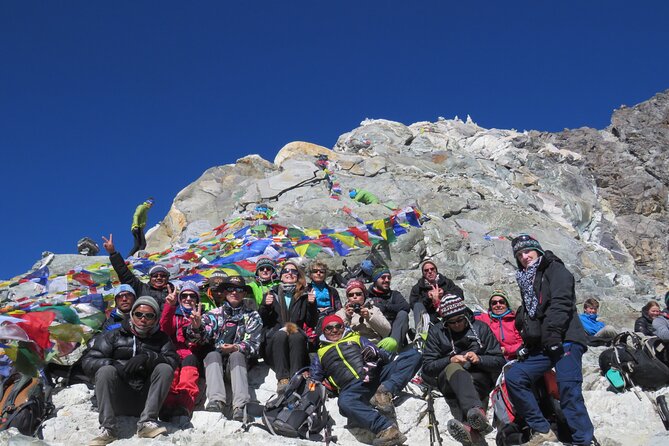
- Tengboche monastery time for culture, prayer flags, and classic Khumbu views
- Everest Base Camp + glacier route via Gorak Shep and Gorka Shep area
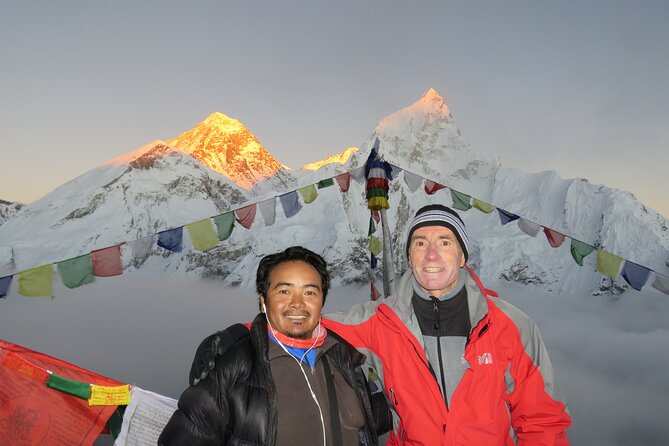
- Kala Patthar before sunrise for one of the best Everest sight lines on the route
- Porter ratio of 1 porter per 2 clients so you don’t lug everything yourself
Why this Everest Base Camp plan feels doable (and good value)
At about $1,650 per person for 14 days, the value here is mostly in the logistics you’d otherwise have to juggle: flights, permits, guided walking, and the basic food and lodging rhythm on the trek. You’re not just paying for miles on a trail; you’re paying for a system that keeps you moving in the right order, with the right support.
The trek is also built around sensible pacing. After the early altitude step-in around Namche, you don’t just keep climbing like it’s a video game. You take time to adjust, which matters because Everest region trekking punishes sloppy planning more than it punishes slow walking.
The other value point is human support. You get a government-licensed, first-aid trained English-speaking guide, and porters carry luggage with a 1:2 client ratio. That means you’re not stuck trying to balance a heavy bag with thin air and steep climbs—an avoidable injury risk.
You can also read our reviews of more hiking tours in Kathmandu
Kathmandu first: Thamel as your comfort base
You start in Kathmandu, with welcome and transfer support centered around Thamel, the busy tourist neighborhood near Tribhuvan International Airport. I like Thamel for practical reasons: it’s where you can sort small stuff quickly—last-minute gear, snacks for the trek, or a quiet place to review your plan before the flight day.
On this trip, you don’t just arrive and guess. Your arrival day includes a team meet-and-transfer setup, then you’ll settle in a tourist-standard hotel for two nights with breakfast included. That’s a solid buffer because Kathmandu is where you’ll want good sleep and calm nerves before the mountain begins.
One more practical note: Kathmandu includes your hotel stay and breakfast, but lunch and dinner in Kathmandu aren’t included. You’ll want a plan for meals those two days—simple places nearby are usually easiest.
Lukla flight day: short time in the air, long memory on the ground
Flying to Lukla is the pivot point of this whole trek. The schedule sends you early in the morning, and the exact departure airport can vary depending on flight status. Either way, you’re looking at a quick hop that gets you onto the Everest route without a multi-day approach.
A detail worth respecting: Lukla Airport is described as one of the busiest during trekking season and also considered dangerous due to the landscape. I’m not going to sugarcoat that—when you fly into Lukla, you treat it like a serious operation, not a casual scenic detour. Go in expecting weather delays and wind changes, and you’ll handle it better emotionally.
Once you land, your trekking life starts fast. The itinerary uses the classic entry: you walk toward the trail network that feeds into the Namche direction, with suspension bridges and steady uphill sections that test your legs while your body is still getting used to altitude.
Phakding to Namche Bazaar: bridges, uphill effort, and first altitude lessons
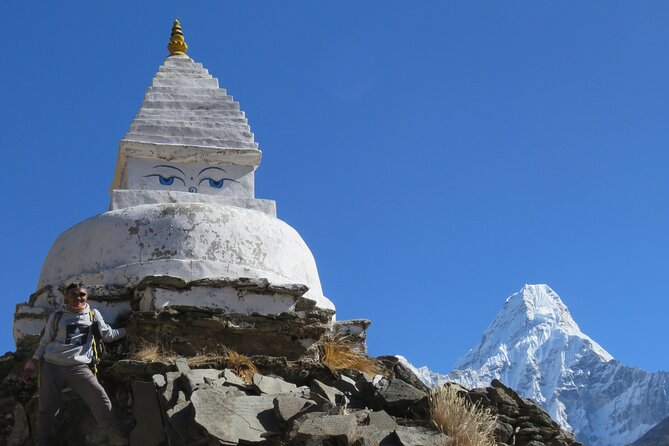
The early trek section is designed to move you into Khumbu life gradually but not lazily. Leaving Phakding, the route heads uphill and crosses multiple suspension bridges. You’ll also pass settlement areas along the way, which helps the walk feel connected and human rather than like a lonely hike in the clouds.
The goal day is Namche Bazaar, a major hub in the Khumbu region with hotels, restaurants, and tea houses—basically, the place where the Everest dream becomes real. It’s also where you’re likely to feel altitude effects if you rush.
That’s why the plan includes two days in Namche. Most people like Namche because it’s comfortable compared to the villages above, and it’s a great place to take stock: hydration, pacing, and how your breathing feels after dinner.
Namche rest day (and the Syangboche/Syangbochta hike)
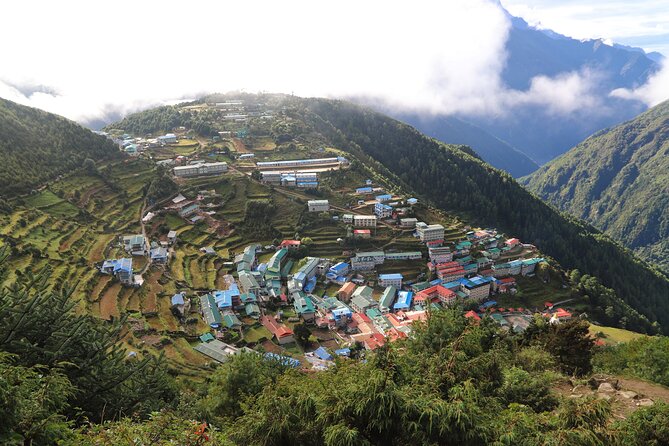
The itinerary gives you a proper acclimatization day in Namche, plus an early hike to Syangbochta (spelled in the schedule as Syangbochboch/Syangbochta). The point is simple: you gain elevation with supervision and return down, which is what your body needs to adapt without pushing too hard.
I love this style of acclimatization because it’s active, not passive. You still walk, but the structure protects you from the classic mistake: climbing higher because it feels good, then paying for it at night.
Practically, you’ll also be able to use this day to notice what your body does when altitude rises—headache level, sleep quality, appetite changes—so you can communicate early if you need adjustments. Since you’ll be with an experienced guide, you’re not just hoping for the best.
Tengboche and the monastery morning: culture you can actually experience
After Namche, the trail continues toward Tengboche. The schedule describes a route that initially descends toward the Dudh Kosi Valley, reaches Phungi Thanka, and then keeps ascending past areas along the Imja Khola corridor.
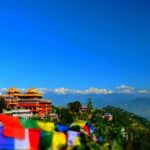
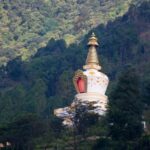
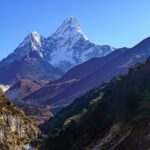
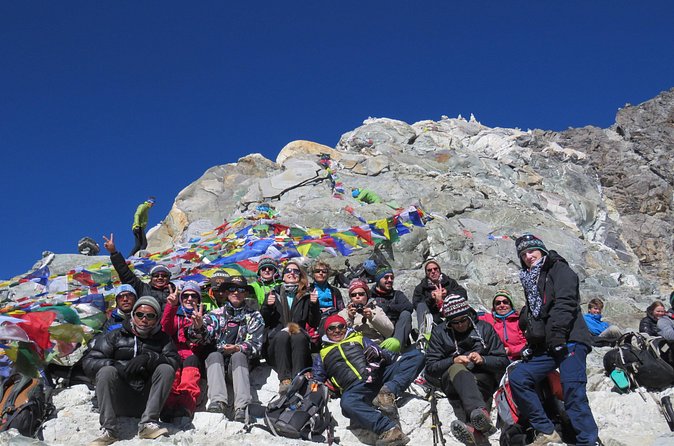
Tengboche is a big deal because it’s where the scenery and the culture meet. You’ll explore Tengboche Gompa early in the morning—an experience that feels more meaningful than a quick photo stop. You’ll see the monastery setting and prayer-flag atmosphere, and it’s a great moment to slow down before the next push.
Then the day continues with a descent via the Imja River area and through Pangboche village. That combination matters: you get a memorable cultural stop, but you also keep moving so the trek doesn’t turn into a stay-put vacation.
The mid-trek altitude rhythm: rest, Nangkartshang Peak, and settling in
The itinerary includes another adjustment day tied to altitude adaptation after Namche. The schedule calls out a stop related to Nangkartshang Peak and notes it as part of a rest day, focused on preventing altitude sickness as conditions change.
Even when you’re not going for a summit-style experience, these mid-trek rest moments are what make the long trek manageable. This is where trekking becomes less about speed and more about consistency—small daily wins, steady breathing, and a pack you can handle.
You’ll also start moving through villages like Dingboche and Dughla as you work toward the glacier route. The schedule mentions gently trekking via bare fields after leaving Dingboche, then gradually steepening toward Dughla along a glacial route. That’s your transition from village rhythm to high, cold, exposed walking.
From Dingboche toward Lobuche: the glacier approach starts to matter
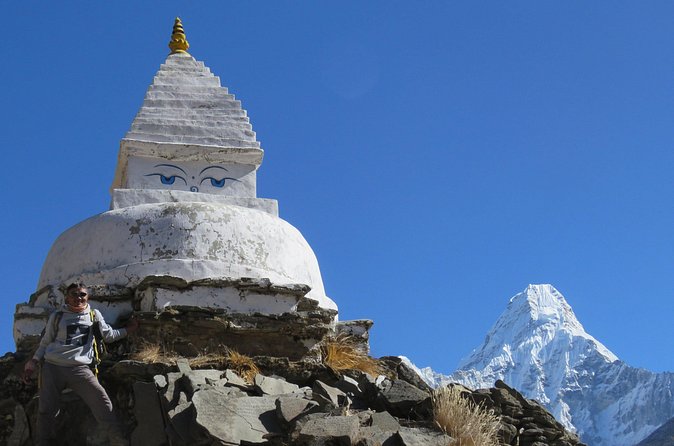
The itinerary describes a gradual steepening after Dingboche, then reaching Dughla via the glacial route. This section is where weather and pacing start to control your experience more than your motivation.
Later, the plan focuses on Lobuche as a stepping stone, then a steep ascent along the Khumbu glacier toward Gorak Shep and the area where you base yourself for Everest Base Camp access.
This part is not about casual sightseeing. You’re moving with the physical awareness that the environment is harsher and your body is working harder to keep itself functioning. Your guide’s job here is huge: keeping you at a safe pace, watching for altitude issues, and making sure you’re properly staged for early-morning starts.
Everest Base Camp day: the walk that finally ends the wait
The itinerary’s big milestone is Everest Base Camp on the day after reaching the Gorak Shep/Gorka Shep area. The schedule notes that from Lobuche, you ascend steeply along the Khumbu glacier to reach Gorka Shep (noted as a former base camp area for Everest). Then you keep going until the base camp day.
What makes this day special is that it’s the payoff for everything you’ve done up to now: acclimatization, village walking, monastery culture, and those glacier-facing legs you’ve been building.
Do expect it to be strenuous. Even if you’re not sprinting, the high altitude and the glacier walking feel like a different sport compared to lower trails. You’ll likely want to conserve energy the way you would on a long, steady city walk—small steps, consistent pace, frequent check-ins with how you’re feeling.
Since your trek dinners and lunches are built into the plan (lunch 11 times and dinner 11 times during the trek), you can spend less time tracking meals and more time focusing on recovery.
Kala Patthar before sunrise: the classic Everest view ticket
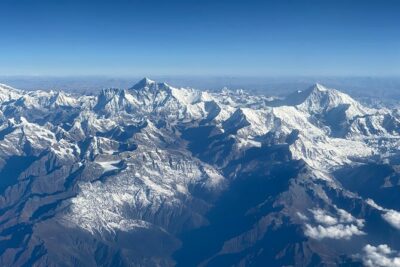
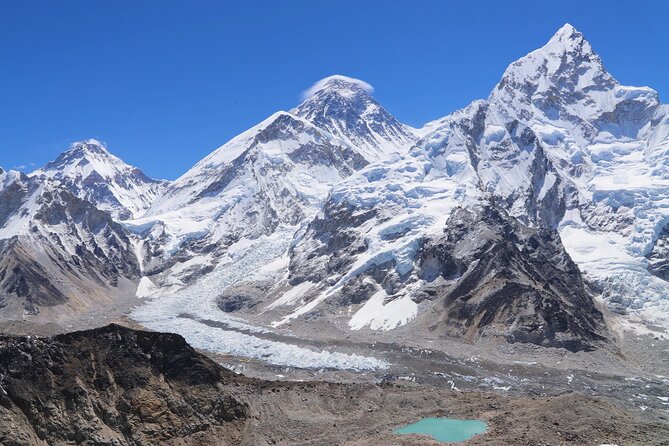
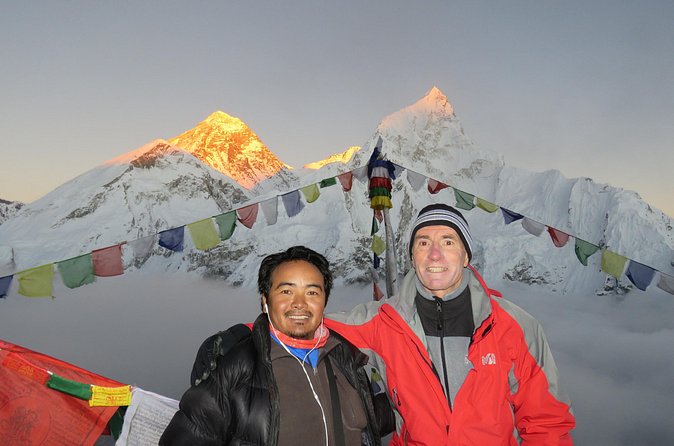
After Everest Base Camp, the next highlight is the hike to Kala Patthar before sunrise. The schedule notes it sits above Gorak Shep and is famous for the closest Everest mountain panorama.
This is one of those days where preparation matters. You’ll be moving in early hours in cold air, and the payoff is that you’re in position before the sun angle changes the view. Plan your clothing like you mean it: warm layers you can move in, plus the ability to handle cold wind.
Also, don’t treat this as a casual hike. The schedule frames Kala Patthar as a key sight day, so your legs should be ready and your hydration should stay in check. If altitude has been acting up earlier, this is where you rely on the pacing skills you learned over the previous days.
The descent back to Namche and the Dudh Koshi crossings
After Kala Patthar, the itinerary brings you down to Namche, hiking along earlier trail sections. You’ll pass Pangboche and Tengboche, then cross another suspension bridge and continue toward Namche. That’s a nice way to re-see places you visited upward, but with your body now in “recovery mode,” which feels different.
Then there’s a later descent day that leaves Namche with an initial steep downhill, then joins a densely forested path through small settlements. The route includes crossing Dudh Koshi River multiple times on suspension bridges before reaching your next stop.
This stage is where many people feel their feet most. Downhill is harder on knees than uphill is on legs. Having porters for luggage earlier helps too, because by now you’ll want a lighter daypack and less weight on your body.
Flying back to Kathmandu: views and then real life
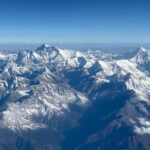
On day 13, you’ll fly back to Kathmandu early in the morning. The schedule calls the flight phenomenal with enchanting aerial views, and then the team drops you at your hotel.
That final day often feels like a release valve. You’ve been living by breath, steps, and timing—then suddenly you’re back in traffic and normal restaurants. The trip ends on day 14 with departure support to the airport based on your flight time.
One last practical note: bottled and boiled water isn’t included, and any beverages aren’t included. That’s normal for trekking, but you’ll want to plan for the cost and the reality of staying hydrated at altitude.
Price and logistics: what $1,650 really buys (and what you’ll need to budget)
Here’s what’s included:
- Private transportation and all airport transfers on a tourist vehicle
- Permits
- Round-trip airfare between Kathmandu and Lukla
- Two nights in a tourist-standard Kathmandu hotel with breakfast
- 11 nights twin-sharing guesthouse lodging during the trek
- An experienced guide who’s government licensed, English-speaking, and first-aid trained
- Porters during the trek (1 porter per every 2 clients)
- Trek meals: breakfast 14 times, lunch 11 times, dinner 11 times
- Pickup offered and a mobile ticket mentioned in the tour setup
What isn’t included:
- Meals (lunch and dinner) in Kathmandu
- International flight fare and airport departure tax
- Beverages (including bottled and boiled water)
- Travel insurance with high-altitude emergency evacuation coverage
- Tips to trekking staff and driver
I’d treat travel insurance as non-negotiable for Everest-region trekking. The itinerary includes significant altitude time and glacier walking, so you want an evacuation plan that’s actually designed for high elevations, not just “basic medical.”
For tips, the tour doesn’t build that in. You’ll want to decide a budget for the guide and porter team based on your usual tipping habits and your experience with the service.
Who this trek suits best (and who might struggle)
This plan fits you best if you have moderate physical fitness and you can commit to a steady walking pace without expecting shortcuts. You don’t need to be a mountain athlete, but you should be comfortable with daily uphill/downhill walking and long days on narrow trails.
It’s also a good match if you like having structure. With a guide, permits handled, and porters for luggage, you can focus on acclimatization and enjoying the key cultural and sight stops—Tengboche monastery, the Namche adjustment rhythm, and Kala Patthar.
If you’re dealing with health uncertainty around altitude, don’t guess. Ask a clinician before you go, and tell the guide early if you feel unusual symptoms. Early communication is always smarter than pushing through.
Should you book this Everest Basecamp Trek?
Book it if you want a classic Everest Base Camp route with smart pacing built in: Namche acclimatization time, Tengboche’s monastery morning, the full base camp day, and Kala Patthar at sunrise. You also get real logistical help—flights, permits, guide, and porter support—so you’re not spending your limited trekking energy on admin.
Think twice or get extra medical advice if you’re sensitive to altitude or you’re not ready for cold, early starts, and long downhill days on the way back. This trek rewards preparation, not bravado.
If you’re aiming for a well-run trek that keeps your attention on walking, culture, and Everest views, this one is easy to take seriously.
FAQ
Where does the trip start and how are you met in Kathmandu?
The trip starts at Tribhuvan Airport in Kathmandu, Nepal. The team provides pickup and airport transfer by tourist vehicle, and you’re dropped at your hotel after you arrive.
Are the Kathmandu to Lukla flights included?
Yes. Round-trip airfare between Kathmandu and Lukla is included in the price.
What kind of lodging do you get during the trek?
You get twin-sharing guesthouse accommodation during the trek for 11 nights in the Everest region.
Is acclimatization time included for altitude?
Yes. The itinerary includes acclimatization days in Namche Bazaar, including a rest day and a hike to Syangbochta.
What meals are included, and what do you pay for yourself?
Breakfast is included for 14 days. During the trek, lunch is included 11 times and dinner is included 11 times. Meals in Kathmandu (lunch and dinner) are not included.
Do you have a guide and first-aid support?
Yes. The guide is experienced, first-aid trained, government licensed, and English-speaking.
Do porters carry your luggage?
Yes. Porters are provided during the trek for carrying luggage, with a ratio of 1 porter for every 2 clients.
Is high-altitude evacuation coverage included?
No. Travel insurance with high-altitude emergency evacuation coverage is not included.