REVIEW · ANNAPURNA CIRCUIT TREKS
Annapurna Circuit Trek with Tilicho Lake (16 Days)
Book on Viator →Operated by Sole Encounters Adventures · Bookable on Viator
That first high-altitude day starts with a plan. This 16-day trek pairs the classic Annapurna Circuit with a major detour to Tilicho Lake and the big goal: Thorong La Pass. I like how the route keeps changing fast, from pine forests and terraced hills to Tibetan-influenced villages in Manang, then into stark Mustang-style valleys.
I also like the practical support baked into the trip: porters for your overnight bag, a small group cap (up to 14), and a guide team built for safety and pacing. One thing to think about up front: you’re signing up for real altitude, cold mornings, and long walking days, and meals during the trek aren’t included beyond what’s listed, so you’ll want a solid packing and budgeting mindset.
In This Review
- Key highlights worth knowing before you go
- Why this Annapurna Circuit detour feels different
- The trip pacing: how the days flow from Kathmandu to Dharapani
- Day-by-day: what each stage gives you (and what to watch for)
- Dharapani to Chame, then through the Manang foothills
- Manang and the acclimatization system you’re actually using
- The Tilicho Lake chapter: high basin, big day, real cold
- From Tilicho toward Thorong La: Yak Kharka and the pass buildup
- Thorong La Pass day: pre-dawn effort, then a reward descent
- Lower Mustang to Jomsom and the “almost done” feeling
- Pokhara and Kathmandu: turning the trek into a full trip
- Lodging and food: what teahouses get right, and what you must plan
- Guides, porters, and the team setup that reduces stress
- Price and value: what $1,800 covers, and what to budget on top
- Who should book this trek (and who should pause)
- Should you book Annapurna Circuit with Tilicho Lake? My take
- FAQ
- What’s the highest point on this trek?
- Are permits included?
- Where do you stay during the trek?
- Are meals included?
- Do I get porter help?
- How big is the group?
- Do I need travel insurance?
- What’s included in transport?
Key highlights worth knowing before you go
- Tilicho Lake at 4,919m: one of the highest alpine lakes you can hike to, reached via a short-but-intense high traverse day.
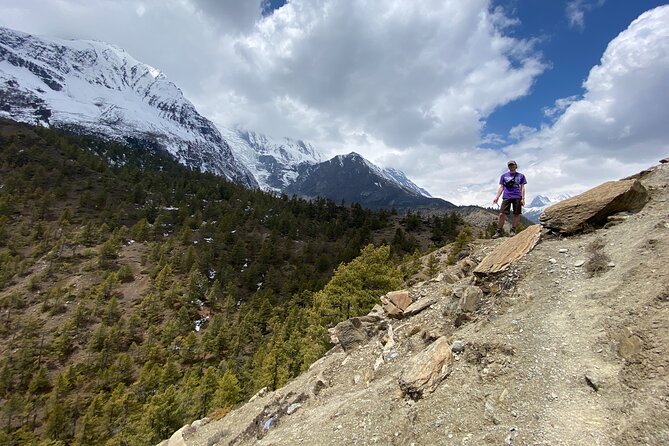
- Thorong La Pass crossing: a pre-dawn climb from Thorong Phedi to the pass at 5,416m, then a long descent toward Muktinath.
- Built-in acclimatization days: you don’t just stack altitude; you get scheduled altitude checks and hikes around Manang and before the pass.
- Small group feel: max 14 travelers, plus a porter ratio of 2 trekkers to 1 porter, and extra support with an assistant guide per 5 trekkers.
- Teahouse trekking with warm routines: cozy lodges most nights, with extra-fee options for hot showers, battery charging, and Wi‑Fi.
- Finish in Pokhara: a proper unwind by Phewa Lake after days in the mountains, with a return bus ride laid out for you.
Why this Annapurna Circuit detour feels different
The Annapurna Circuit is famous for a reason: it squeezes a huge amount of altitude drama, culture, and scenery into one continuous walking story. This version adds a serious chapter—Tilicho Lake—and that changes the emotional rhythm. Instead of thinking only about Thorong La, you also build momentum for a high lake day that feels remote and otherworldly.
I also like that the route threads culture in a way that’s easy to “read” while you walk. You pass hillside villages under pine forests, then reach Manang’s Tibetan-influenced feel, where prayer flags and stone architecture become part of daily scenery. Later, Mustang-style terrain brings a drier, more wind-shaped world near Kagbeni and the Kali Gandaki corridor. You end up with a trek that doesn’t just climb mountains; it moves through different Nepal realities.
You can also read our reviews of more hiking tours in Kathmandu
The trip pacing: how the days flow from Kathmandu to Dharapani
Your start is Kathmandu, with pickup from Thamel and a transfer to a 3-star hotel (breakfast included). Day 1 is basically travel reset: land at Tribhuvan International Airport, meet the team, get checked in, and use the rest of the day to settle.
Day 2 is your highway-to-trail transition. You ride out past the Trishuli River, through the busy junction town of Mugling, then onward to Besisahar—the practical launch point for the Annapurna Circuit. After that, you continue to Dharapani, the first trekking village at 1,960m. This matters because it’s where your body starts understanding that it’s no longer on a couch. Even though it’s “just” a drive day, you’re already setting up the rhythm for the climb.
Then Day 3 begins gently, in typical Annapurna style: short villages, ridge walking, and pine-covered ridgelines. You pass Bagarchhap and then reach Chame (2,670m), the administrative center of Manang District. It’s not just a stop for sleep—it’s where the trek starts to feel more “Himalayan” as altitude and terrain take over.
Day-by-day: what each stage gives you (and what to watch for)
Dharapani to Chame, then through the Manang foothills
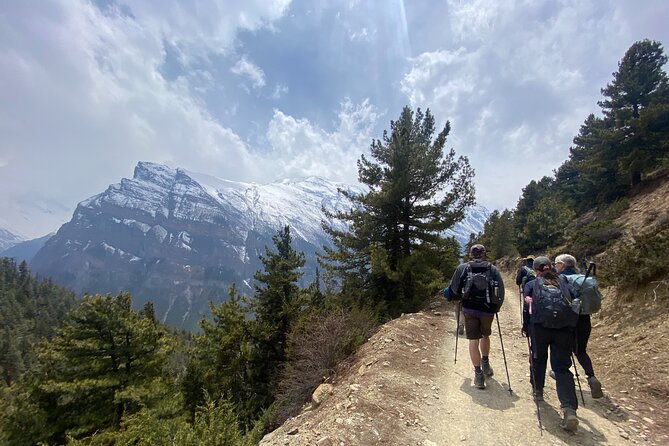
After Dharapani, the trek climbs step by step. Day 3 moves through Tachi Bagarchhap (2,160m), then continues to Chame by walking through a scenic ascent area and the Danaque region (as described in the plan). Day 4 ups the tempo with a mix of forested gorge walking and higher villages, including Bhratang (2,850m) and then Upper Pisang (3,300m).
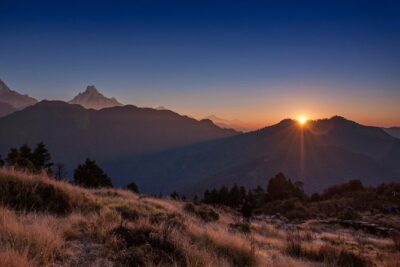
Upper Pisang is one of those stops that feels like a viewpoint before you even get to “the views.” At this height, you’re already seeing huge peak silhouettes and learning how quickly weather can shift. The good news: these days are long enough to build stamina without demanding a summit-style effort yet.
Consideration: your pack weight matters more as you climb. Even though you’ll have porter support for your overnight bag, you’ll still carry what you need day-to-day (layers, water treatment, snacks). Pack smart.
Manang and the acclimatization system you’re actually using
Day 5 gets you to Manang (3,540m), the cultural hub of the region. This is an important turning point. You’re high enough that rest is not optional, and village life starts to look more like a crossroads of Tibetan-influenced customs.
Day 6 is your acclimatization stop, with options for a guided hike depending on how you feel. The plan offers three acclimatization choices, and the key idea is simple: you go up, you come back, and you let your body adjust before you go higher. You’ll feel the difference between “pushing to the next village” and “training your altitude tolerance.”
Day 7 then climbs to Siri Kharka (4,060m) via a steady route through juniper shrublands and ridge winds. From the descriptions, this day is meant to keep you moving while your lungs and legs keep learning.
The Tilicho Lake chapter: high basin, big day, real cold
Day 8 reaches Tilicho Base Camp (4,150m). The route is described as short but intense, with narrow paths and a landslide-affected segment. This is where you should slow your pace and focus on foot placement. On high trails, stability beats speed.
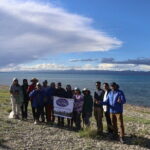
Day 9 is Tilicho Lake (4,919m). This is one of the highest alpine lakes accessible by foot. Even if you’ve seen pictures, don’t underestimate how cold and thin the air feels at that elevation. The lake sits in a desolate, high-altitude basin, surrounded by snow-covered peaks, and it’s revered in Hindu and Buddhist traditions. Practically, expect a stiff walk and a still, dramatic feeling once you arrive.
Quick tip: treat water like it’s serious gear. The tour doesn’t include drinking water, and you’ll want a filter bottle or purification tablets. In high areas, skipping water safety is a gamble.
From Tilicho toward Thorong La: Yak Kharka and the pass buildup
After Tilicho, you drop to Yak Kharka (4,050m) on Day 10. It’s both an acclimatization and staging point before Thorong La Pass. The itinerary notes a 250m descent from Siri Kharka to Khangsar, then continued walking toward Yak Kharka, which helps break the altitude pressure.
Day 11 takes you to Thorong Phedi (4,540m), described as the base of the pass. You’ll walk across barren, dusty ridgelines—exactly the type of terrain where you can feel the wind more than you expect. This is also the night that shapes your next morning. You want layers ready, headlamp charged, and a calm mind. The pass day is a whole different animal.
Thorong La Pass day: pre-dawn effort, then a reward descent
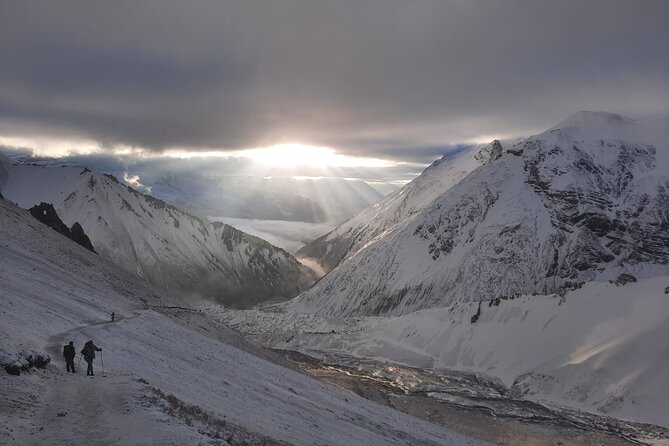
Day 12 is the big moment: Thorong La (5,416m). The plan describes a strenuous pre-dawn climb of over 900 meters from Thorong Phedi. Pre-dawn isn’t just early; it usually means cold. Your best strategy is to keep moving steadily, sip water, and avoid panic breathing. If you’ve ever watched someone go too fast at altitude, you’ll recognize the mistake immediately here—burning energy before the pass is crossed.
Once the pass is done, you descend around 1,600 meters to Muktinath (3,760m) on Day 12. The description points out rocky terrain and desert-like valleys with views toward Mustang. Muktinath is a pilgrimage town, so you’ll get a different kind of energy: walkers who came for the spiritual stop, plus trekkers who just finished a massive altitude challenge.
Lower Mustang to Jomsom and the “almost done” feeling
Day 13 heads to Kagbeni (2,810m), a centuries-old village at the confluence of the Kali Gandaki and Jhong rivers. It’s known for ancient red-walled monastery structures and narrow stone streets. Kagbeni works as a cultural palate cleanser after the hard pass day.
Then you walk to Jomsom (2,720m), following windswept trails along the Kali Gandaki River. The day is described as a descent of around 250m through wide valley terrain. By now, many people feel both joy and fatigue. That mix is normal. Your legs are tired, but your brain is happy.
Day 14 includes the ride-based part of the return. The plan mentions Kalopani (2,530m) and then Beni (850m), a market town where you hit the first major urban center on the way back to Pokhara. The itinerary also mentions the bus descending from Jomsom to Kalopani, with a sharp contrast: greener, more scenic feel after the arid stretches above.
Then you reach Pokhara Lakeside (822m). This is your recovery zone.
Pokhara and Kathmandu: turning the trek into a full trip
Day 15 is a relaxed day in Pokhara, framed by views of Machapuchare and the Annapurna range. Since you finish beside Phewa Lake, you can finally slow down without “earning” it. This is a good day to eat something warm, do laundry, and reset your sleep schedule.
Day 15 also includes a transfer to Kathmandu by bus on Day 15 (as described in the plan), roughly 200 km along the Prithvi Highway. Then Day 16 is your final half-day in Kathmandu, with time around Thamel if your flight schedule allows. It’s a smart finish because it keeps you from racing immediately after the pass.
Lodging and food: what teahouses get right, and what you must plan
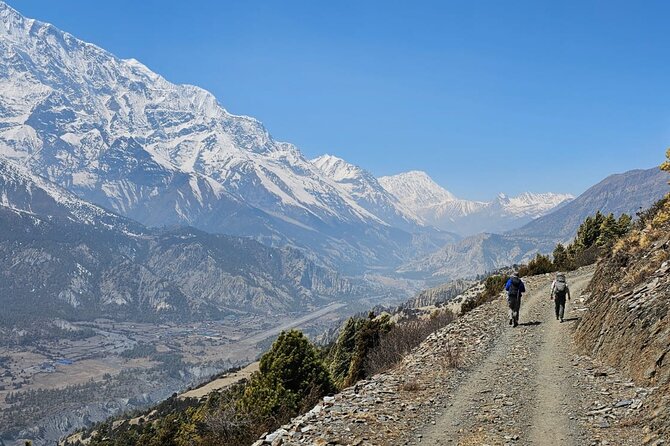
During the trek, your nights are in standard teahouses. That usually means a simple room, a shared lodge area, and a routine that keeps you moving from heat to cold without a ton of fuss. The tour also includes hotel stays in Kathmandu and Pokhara (3-star, with breakfast).
What you should know: meals during the trek are not included. The plan explicitly includes some breakfasts and dinners (hotel breakfasts and welcome/farewell dinners), but day-to-day trekking meals are on you. That’s not a dealbreaker, but it changes how you pack and budget. A small snack habit makes the long days feel easier.
Also, hot showers, battery charging, and Wi‑Fi are available for an extra fee at most teahouses. You’re not losing anything by assuming you’ll go without them, then treating them as optional upgrades. The big constant is sleep and warmth.
Guides, porters, and the team setup that reduces stress
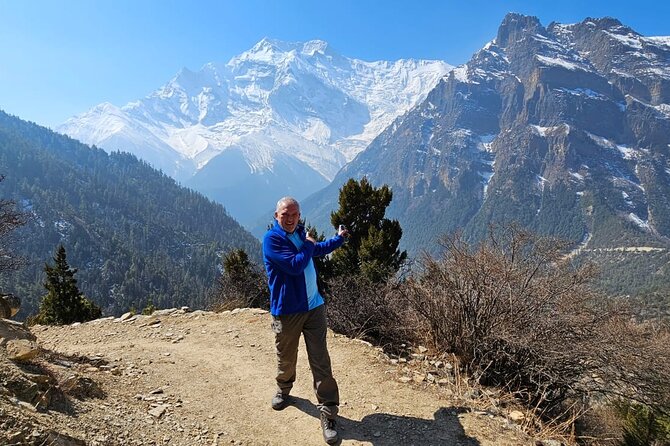
One reason this itinerary feels manageable is the staffing structure. You get a government-licensed, first-aid trained trek guide and a porter team carrying your overnight bag with a 2 trekkers to 1 porter ratio. On top of that, there’s 1 assistant guide per 5 trekkers for added safety and personalized attention.
From the way people describe the experience, the operator leans on good communication and calm on-trail leadership. In feedback about this company, names like Raj Rai and Suman come up for professional, safe support. Other notes mention pre-arrival organization by people like Prashant, plus on-trail guidance praised under names such as Prem and Pemba Sherpa. Of course, your exact guides can vary by departure, but the pattern is clear: the value isn’t just the route; it’s the humans helping you execute it safely.
Price and value: what $1,800 covers, and what to budget on top
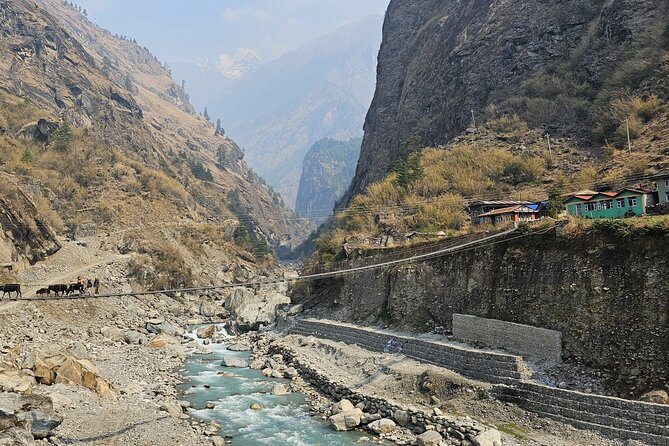
At $1,800 per person, this trek is priced like a full-service Nepal experience: transport connections, guides, permits, and the mountain sleeping plan are built into the cost.
Here’s what stands out as good value:
- Permits are included: ACAP and TIMS are covered, plus government fees are also included per the included section (note: the data also lists government fees of $50 per person under not included—so double-check what your booking states).
- Teahouse lodging during the trek is included, plus Kathmandu and Pokhara hotels with breakfast.
- Crew insurance is covered for guides and porters.
Here’s what you should budget separately:
- International airfare to Nepal.
- Travel insurance for you, including emergency evacuation, since it’s not included.
- Trek meals, plus water treatment supplies (the tour recommends a filter bottle or tablets).
- Optional extras in teahouses (hot showers, charging, Wi‑Fi).
- Gratuities aren’t mandatory in the data, but they’re expected.
If you’re deciding between cheaper “bring your own food and figure it out” trips and this more guided plan, this one tends to reduce the stress tax. You’re paying for smoother logistics—especially on the pass and the multi-day acclimatization rhythm.
Who should book this trek (and who should pause)
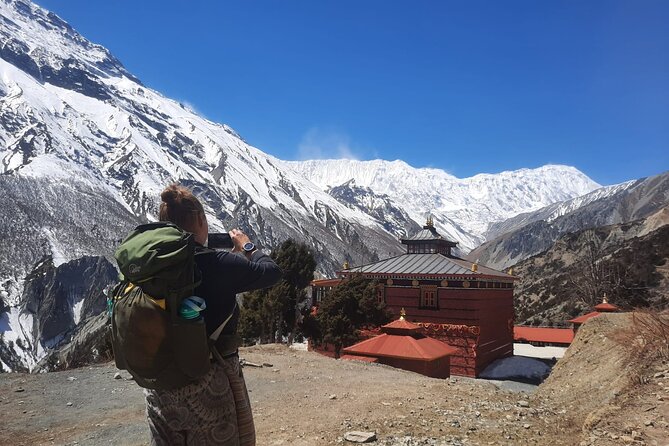
This trek fits best if you:
- have a strong fitness base and can handle long hikes at altitude,
- want a route that blends major high-mountain milestones with real village culture,
- like the idea of teahouse trekking with a structured guide plan rather than a do-it-yourself approach.
You should pause if:
- altitude scares you and you’re not comfortable building acclimatization step by step,
- you need all meals included and don’t want to budget extra for lunch/dinner on the trail,
- you prefer totally predictable weather—because this trek requires good weather and can be adjusted if conditions fail.
Should you book Annapurna Circuit with Tilicho Lake? My take
If your dream includes both Tilicho Lake and Thorong La Pass, this itinerary is a strong match. The combination of scheduled acclimatization, small group size, and a guide-and-porter setup means you can focus on walking, breathing, and enjoying the shifting culture scenes. It’s also a good value structure because key trekking foundations (permits, lodging, transport links, staffing) are already handled.
Book it if you’re ready for cold mornings and serious altitude math, and if you’re comfortable buying most trekking meals and treating water carefully. Skip it only if you want a softer, lower-elevation experience. This one is for hikers who like their adventure with a plan.
FAQ
What’s the highest point on this trek?
The highest trekking point listed is Thorong La Pass at 5,416m. Tilicho Lake is also very high at 4,919m.
Are permits included?
Yes. The tour includes Annapurna Conservation Area (ACAP) Permit and TIMS Permit. The data also mentions government fees of $50 per person as not included, so confirm the final amount shown at booking.
Where do you stay during the trek?
You stay in standard teahouses during the trek. Kathmandu and Pokhara are listed as 3-star hotels with breakfast.
Are meals included?
Hotel breakfasts are included, and the plan includes some breakfasts and dinner(s). Meals during the trek are not included, so you’ll need to buy lunch and dinner along the route.
Do I get porter help?
Yes. Porters carry your overnight bag with a 2 trekkers to 1 porter ratio.
How big is the group?
The tour lists a maximum of 14 travelers.
Do I need travel insurance?
Yes. Travel insurance is not included, and you must cover emergency evacuation and the trek’s highest altitude reached. The tour includes insurance coverage for the trek crew.
What’s included in transport?
The plan includes transfers and mixed transport: private transfers in Nepal for key legs, a shared jeep from Besisahar to Dharapani, and public transportation segments such as Jomsom to Pokhara and Pokhara to Kathmandu by tourist bus.