REVIEW · 1-DAY TOURS
Kathmandu: 7 UNESCO-Listed city sites group day trip
Book on GetYourGuide →Operated by Enticing Himalayas Travels Private Limited · Bookable on GetYourGuide
Seven UNESCO sites. One long, meaningful day.
I like the private guide style here and how it turns each stop into a story you can actually use, not a checklist. I also really value the Bagmati River rituals context at Pashupatinath, where the culture is right in front of you. One heads-up: the day includes walking and stair climbing, so it can be tough if you have mobility issues or get motion sick.
This is a good format if you want a clean overview of Kathmandu Valley’s sacred and royal landmarks without planning route, timing, or explanations. You’ll bounce between Kathmandu, Patan, and Bhaktapur with hotel pickup and drop-off, then spend real time inside the major squares and temples.
In This Review
- Key moments that make this day trip work
- Riding Out: Hotel Pickup and a Smooth Start
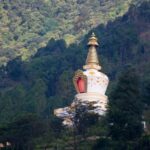
- Swayambhunath Stupa: Valley Views and a Big Start to the Day
- Kathmandu Durbar Square: Royal Palaces and Temple Craft
- Patan Durbar Square: Newari Craft and Mixed Hindu-Buddhist Influences
- Bhaktapur Durbar Square: Medieval Streets Later in the Day
- Changu Narayan Temple: Short Stop, Strong Sculptures and Inscriptions
- Pashupatinath and the Bagmati River: Cremation and Other Rituals
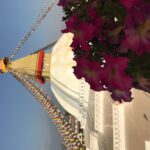
- Boudhanath Stupa: Mandala Geometry and Chanting You Can Hear
- Price and Logistics: Is $64 Good Value?
- How Much Walking and Stair Climbing You’ll Face
- Who This Private Day Trip Fits Best
- Should You Book This UNESCO Kathmandu 7-Site Tour?
- FAQ
- How long is the Kathmandu 7 UNESCO sites group day trip?
- Is this tour private?
- What’s included in the price?
- Are entrance tickets to UNESCO sites included?
- What language is the tour guide?
- Does the tour involve walking or stairs?
- What should I bring with me?
- Is alcohol allowed on this tour?
Key moments that make this day trip work
- Swayambhunath’s hilltop views over Kathmandu Valley, plus time to explore and take photos
- Pashupatinath by the Bagmati River, where Hindu cremation and other rites are part of everyday religious life
- Three Durbar Squares (Kathmandu, Patan, Bhaktapur) with palaces and temple craftsmanship explained
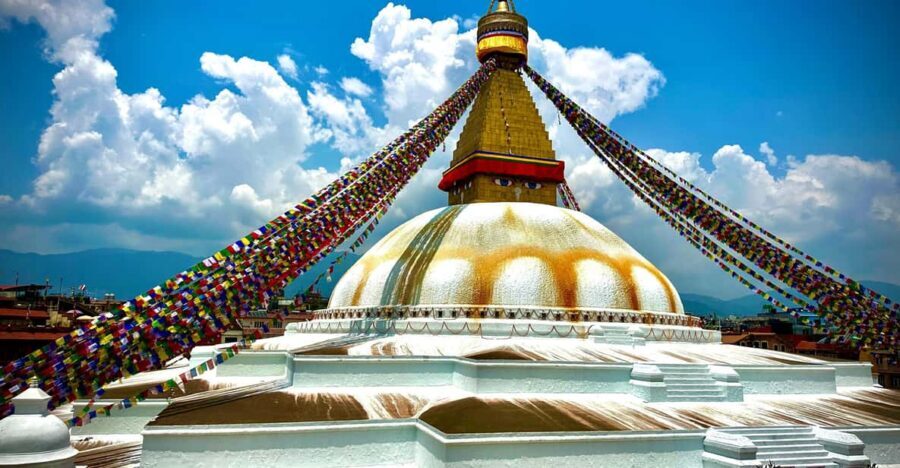
- Boudhanath Stupa’s mandala layout, with devotees walking around the stupa as chants carry through
- Changu Narayan’s sculptures and old inscriptions, shorter stop but very focused
- An English licensed guide, including strong help with questions and pacing for a private group
Riding Out: Hotel Pickup and a Smooth Start
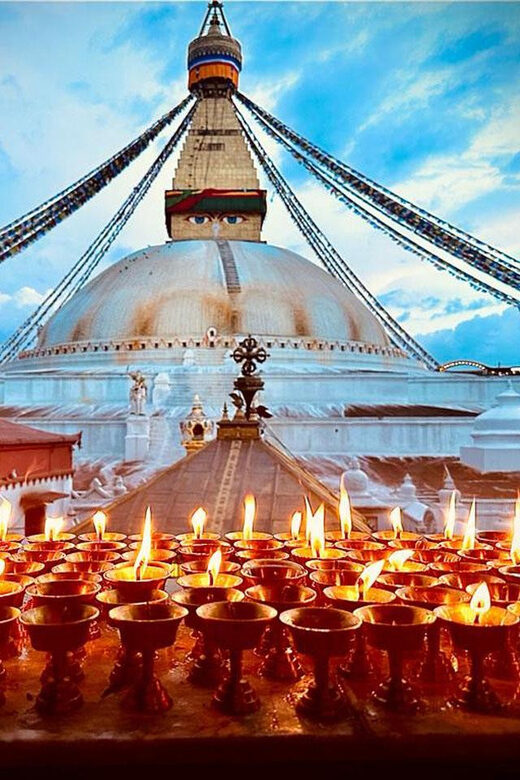
The day starts with hotel pickup in Kathmandu, and the driver or guide calls to confirm the details. You’ll want to be ready in your hotel lobby when they arrive, because the first vehicle ride kicks things off quickly.
Transportation is included, and you’ll spend short stretches in the van between sites. Those ride times matter on an 8-hour schedule: you want the guide handling the logistics so you can spend your energy on the temples and squares.
You can also read our reviews of more city tours in Kathmandu
Swayambhunath Stupa: Valley Views and a Big Start to the Day
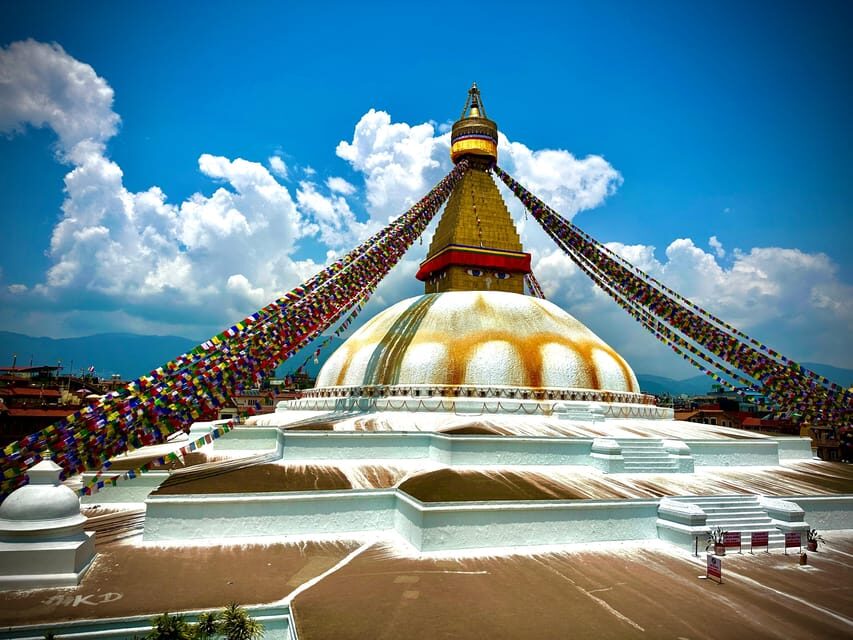
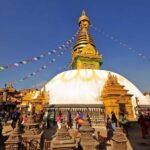
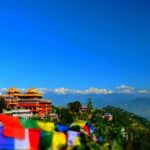
You’ll head to Swayambhunath first, with about 75 minutes for visiting, photos, and a bit of free time. The payoff is the hilltop position: the stupa offers panoramic views over the Kathmandu Valley, which helps you understand where all the sites fit together geographically.
This is also a place where your guide can set the religious context early. Swayambhunath is one of those sites where you’ll feel the setting before you even learn the details—then the explanations make the symbols click.
Kathmandu Durbar Square: Royal Palaces and Temple Craft
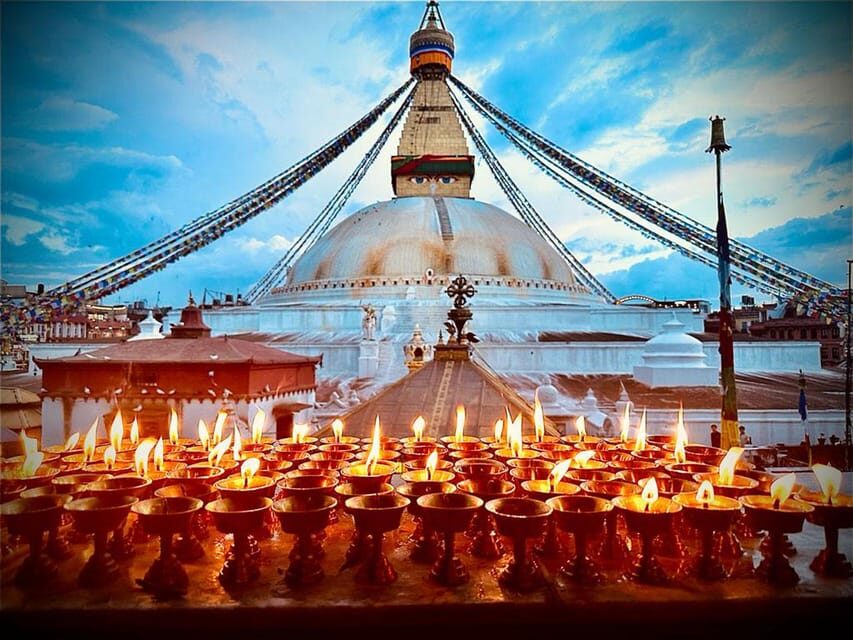
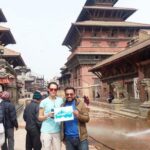
Next up is Kathmandu Durbar Square for around 1.5 hours. This is where the “royal history” feeling becomes physical: palace spaces, temples, and stonework that shows centuries of skill.
If you like to travel with your eyes open, this is one of the best parts of the day. With a local licensed guide, you can get practical context for what you’re looking at—who built what, why certain structures matter, and how daily life and religion overlap in the square.
There’s also some free time built in, which you’ll appreciate here. Durbar Squares can be busy and visually intense, so having breathing room helps you actually notice details instead of rushing past them.
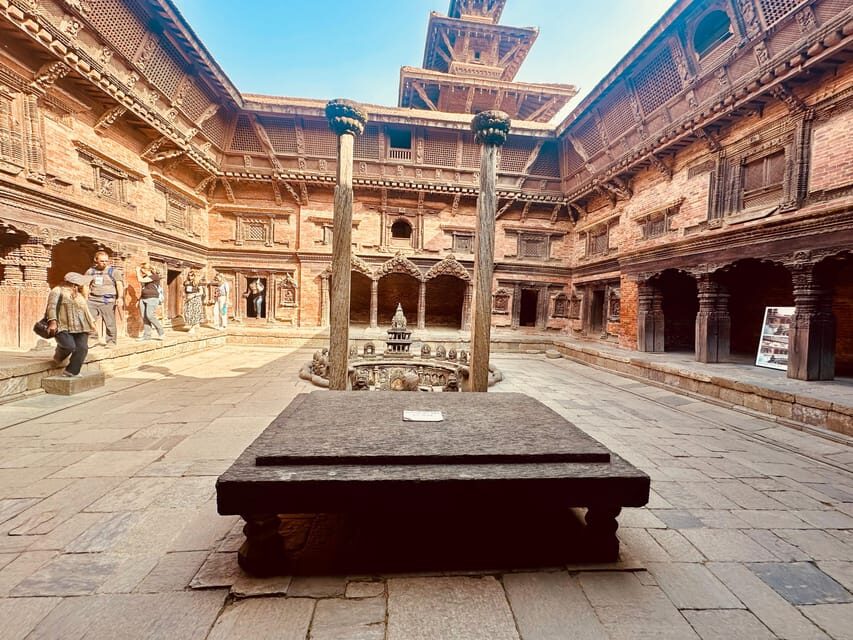
Patan Durbar Square: Newari Craft and Mixed Hindu-Buddhist Influences
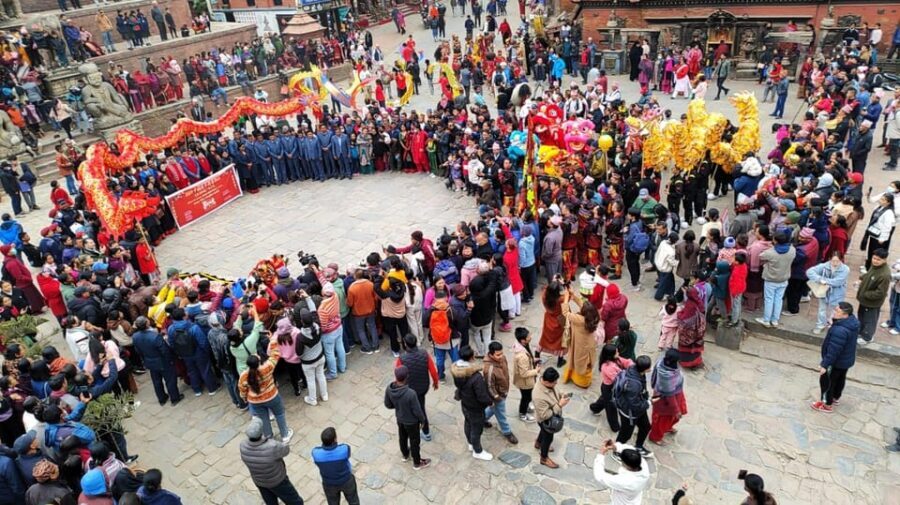
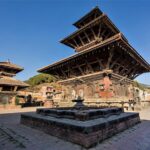
After another short van ride, you’ll reach Patan Durbar Square for about 1.5 hours. Patan is known for well-preserved ancient architecture, and this square leans into that strength.
What I like about this stop is the mix: you’ll see a blend of Hindu and Buddhist influences, explained through the local Newari craftsmanship. The result is less of a single-style “museum” feel and more of a lived-in religious artistry story.
Patan is a smart counterbalance after Kathmandu. If Kathmandu can feel like it’s bursting with layers, Patan often gives you a clearer sense of how the architecture and beliefs interlock.
Bhaktapur Durbar Square: Medieval Streets Later in the Day
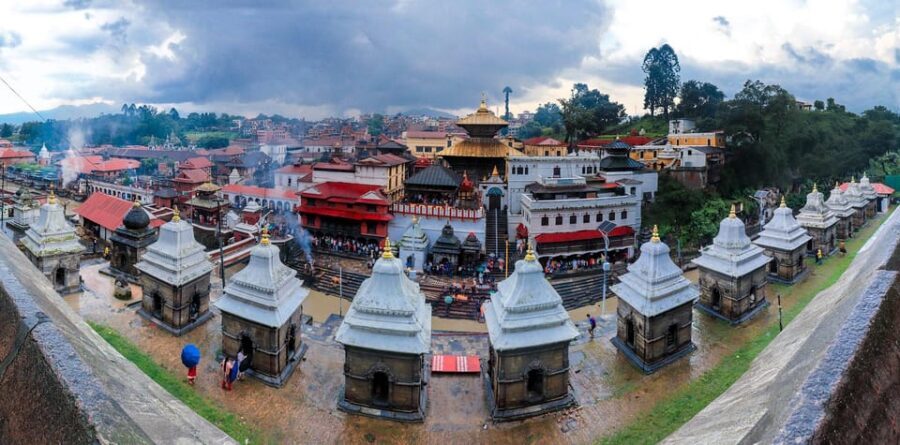
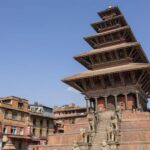
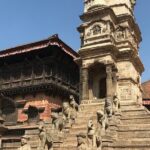
Bhaktapur Durbar Square comes next, with about 2 hours on the ground. The vibe is more “medieval streets and squares,” and you’ll have time to walk through the area instead of only snapping photos and moving on.
This is a great moment to slow down a little because the schedule has already built up to this point. A good guide can help you keep track of what you’re seeing here—how Newari culture shaped the buildings, and why the square layout matters.
If you like getting a feel for everyday sacred spaces (not just famous landmarks), Bhaktapur is often where that happens.
You can also read our reviews of more tours and experiences in Kathmandu

Changu Narayan Temple: Short Stop, Strong Sculptures and Inscriptions
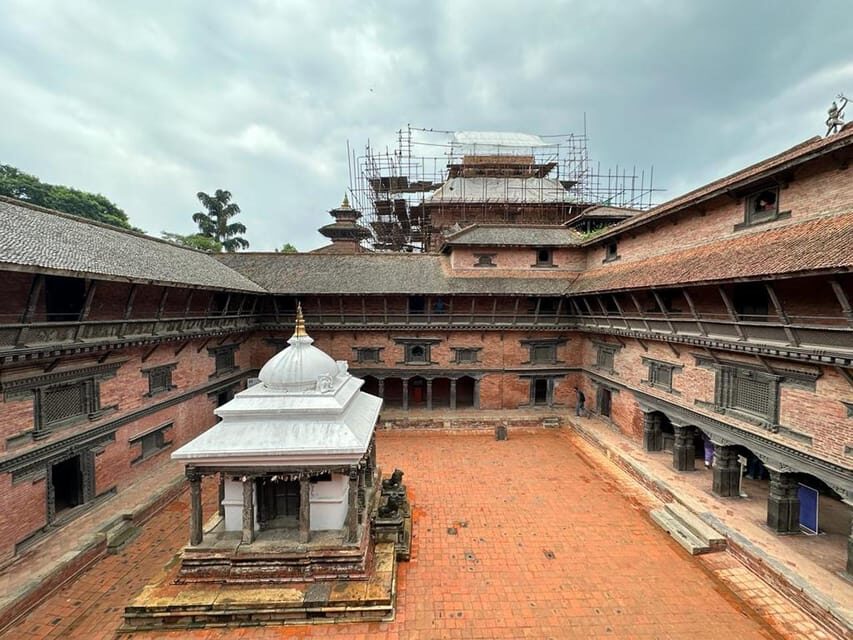
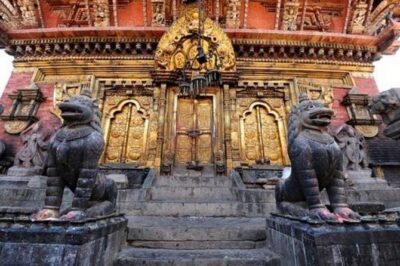
You’ll make a stop at Changu Narayan Temple for about 30 minutes. This is one of those “quick but worth it” locations: the temple is known for fine sculptures and ancient inscriptions.
I like this stop because it adds a different flavor. After the long-square segments, Changu Narayan feels more like a focused study of carving, lettering, and how old the place really is.
If you want to squeeze value from the shorter visit, ask your guide to point out what makes the sculptures and inscriptions special. That’s where your time turns from watching stone into understanding stone.
Pashupatinath and the Bagmati River: Cremation and Other Rituals
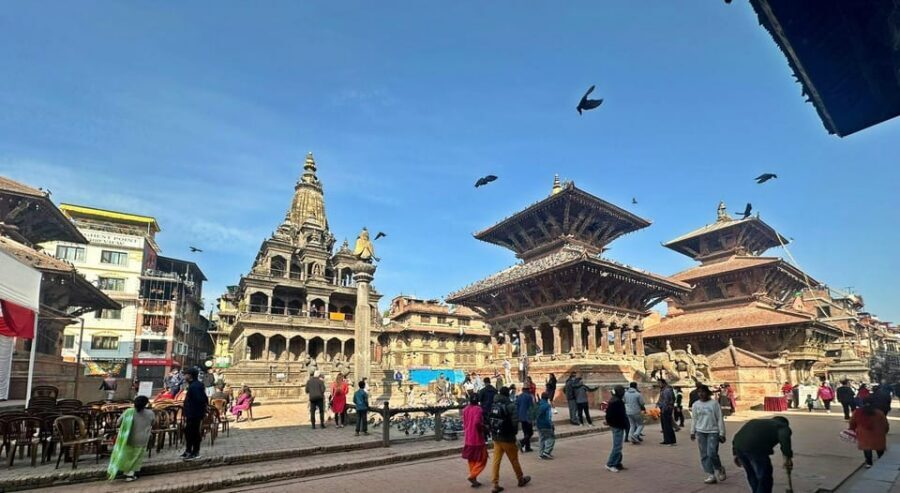
Pashupatinath is the emotional center of the day. You’ll spend around 40 minutes here, with a guided visit and time for photo stops and sightseeing.
The key detail is the setting by the Bagmati River. The tour description highlights cremation and other Hindu rituals along the river, so this is not a distant, staged heritage site. It’s active religious life.
This is where a good guide makes a real difference. You’ll get help with what you’re seeing and how rituals work, which helps you keep your distance in the right way and still learn what matters. I’d also be prepared for strong smells and sights; this is respectful, but it is not sanitized.
If you’re sensitive to funerary scenes or you get overwhelmed easily in intense public situations, you’ll want to consider whether this stop is for you before the day starts.
Boudhanath Stupa: Mandala Geometry and Chanting You Can Hear
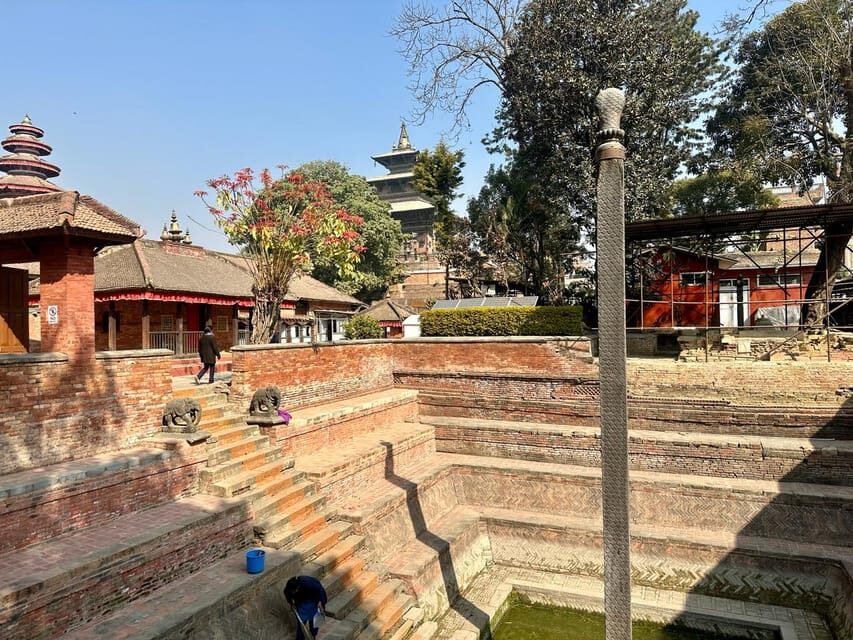
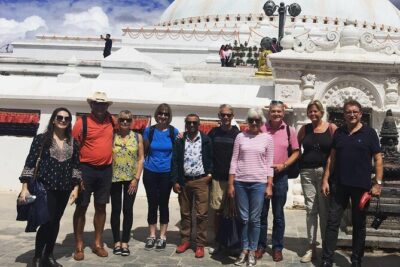
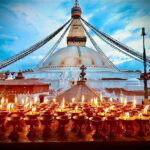
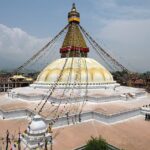
Boudhanath Stupa comes next for about 1 hour. This is described as a colossal mandala, and the atmosphere matches: devotees circle the stupa, and rhythmic chanting carries through the area.
What makes this stop click is the combination of architecture and behavior. You’re not just looking at a structure—you’re watching a living practice, and your guide can explain how the meaning shows up in the movement.
I also like that the schedule gives you a full hour here. Boudhanath rewards patience. Even if you only do a partial walk around the stupa, you’ll pick up the rhythm of the space, and the chants become part of your memory of the day.
Price and Logistics: Is $64 Good Value?
At $64 per person for an 8-hour, private day trip, the value depends on what you care about. The price includes hotel pickup and drop-off, transportation, and a licensed English guide. That can easily be worth it if you’d otherwise spend time figuring out routes and explanations.
Two cost-related realities to plan for:
- Heritage site tickets are not included, so you should expect additional costs on the ground.
- Food and personal expenses are not included, so bring cash or plan a simple meal strategy.
The tour also includes a skip-the-ticket-line option. That doesn’t mean tickets are free, but it can save time at busy entrances—time you can spend actually seeing the sites.
If you want the best balance of access and explanation, this is the kind of day trip that can justify the price. If you prefer a DIY pace and you don’t need a guide to make meaning out of what you’re seeing, you might compare it with cheaper independent options.
How Much Walking and Stair Climbing You’ll Face
This tour includes walking and stair climbing, and that’s not a small detail. The sites you’ll visit are famous for steps, uneven surfaces, and temple stairs.
The provider also lists clear limits: it is not suitable for wheelchair users, and it’s not recommended for pregnant women or people with motion sickness. Children under 10 also shouldn’t book it.
If you’re borderline on mobility, treat this as a serious warning, not a technicality. I’d plan for comfortable shoes with grip and take breaks when your guide suggests it.
Who This Private Day Trip Fits Best
This private group format works well when you want your pace respected. A local guide handling questions can turn a chaotic-feeling day into something calm and understandable.
The review notes reinforce that the guide experience can be a big part of the value. One guide name you may see is Karma, and another is Pooja, both praised for being responsive and able to connect the ancient traditions to what you’re seeing now. If you like to ask questions and get straight answers, this kind of guide-led structure is exactly what you want.
This tour is also a good match for people who want to cover Kathmandu Valley’s UNESCO sites in one day without sacrificing context. If you love architecture and religious practice but don’t want to research every stop, it’s a strong choice.
Should You Book This UNESCO Kathmandu 7-Site Tour?
Book it if:
- you want a single-day bridge across Kathmandu, Patan, and Bhaktapur
- you value guided explanations for temples, squares, and Hindu ritual context
- you’re comfortable with walking and stairs and you want an efficient, well-structured day
Skip or reconsider if:
- funerary and ritual scenes near cremation sites feel too intense for you
- your mobility is limited, you use a wheelchair, or you have motion sickness
- you want a slower, unstructured day with no firm schedule
If you’re an active traveler who likes meaning as much as photos, this is a solid way to see a lot of UNESCO heritage with a human guide behind the scenes.
FAQ
How long is the Kathmandu 7 UNESCO sites group day trip?
The duration is 8 hours.
Is this tour private?
Yes. It’s listed as a private group experience.
What’s included in the price?
Included items are hotel pickup and drop-off, transportation, and a licensed guide.
Are entrance tickets to UNESCO sites included?
No. Tickets to heritage sites are not included.
What language is the tour guide?
The live tour guide speaks English.
Does the tour involve walking or stairs?
Yes. There is some walking and stair climbing, so it may not suit people with mobility issues or who need wheelchair accessibility.
What should I bring with me?
You should bring passport or ID card.
Is alcohol allowed on this tour?
No. Alcohol and drugs are not allowed, and party groups are also not permitted.