REVIEW · ANNAPURNA CIRCUIT TREKS
14 Days Annapurna Circuit Trek
Book on Viator →Operated by Yolo Hike · Bookable on Viator
Thorong La feels close, fast. The Annapurna Circuit mixes Kathmandu culture with big-mountain trekking and a smart acclimatization stop that keeps the journey realistic. You also get the comfort of a guided setup with scheduled driving days and clear trek segments.
I especially like two things. First, the support structure: a professional certified guide plus an assistant (for every 6 trekkers), and a porter team that shares the load (one porter per two trekkers). Second, I like how the route builds in breathing room—Manang isn’t just scenery, it’s part of how you adjust to altitude before you aim for Thorong La.
One consideration: you’ll be dealing with altitude and long travel days (including a big jeep push into the trek). And there’s an extra item you should plan for—your Jomsom to Pokhara transport isn’t included.
In This Review
- Key highlights I’d bank on
- Kathmandu first: Thamel prep and valley temples
- The road to Besisahar and Chame: a long jeep day you should respect
- Chame to Pisang: forests, bridges, and big peak views
- Pisang to Manang: Tibetan-influenced culture and higher air
- Manang acclimatization day: the smartest day on the whole route
- Yak Kharka: rugged beauty and the feeling of “less room”
- Thorong Phedi and the pass: early start, steep effort, big reward
- Muktinath to Jomsom and on to Pokhara: from high air to apple country
- Back to Kathmandu: wrapping up with countryside drives
- Price and value: what $900 gets you (and what it doesn’t)
- Who this trek fits best
- Should you book this Annapurna Circuit trek?
- FAQ
- Where does the trek start?
- How long is the tour?
- What’s included in the trek package?
- Are meals included?
- What kind of lodging should I expect?
- Do I get help with carrying my gear?
- Is there an acclimatization day?
- What’s the most challenging day?
- Do I need a flight from Jomsom to Pokhara?
- What fitness level do I need?
Key highlights I’d bank on
- Manang acclimatization day that actually matters for altitude planning
- Thorong La pass crossing started early for better conditions
- Muktinath temples where Hindu and Buddhist traditions share the same sacred space
- Trek-to-culture flow: forests, villages, and high passes, then down into Jomsom’s calmer mood
- Support ratios that keep you trekking instead of fighting logistics
- Yolo Hike communication that’s been praised as quick and flexible, with team members like Anil and Alin showing up in feedback
Kathmandu first: Thamel prep and valley temples
Your trek doesn’t start on a trail. It starts in Kathmandu, where the first goal is simple: get your bearings, handle logistics, and ease into Nepal time.
After airport pickup, you’ll move to your hotel and get time to settle. In the evening, Thamel is the place to do practical stuff: trekking gear check, small shopping, and a gentle walk to see how busy (and walkable) the area feels. If you’ve never trekked in Nepal before, this is a good moment to confirm what you’re missing—gloves, warm layers, socks, or anything you overlooked at home.
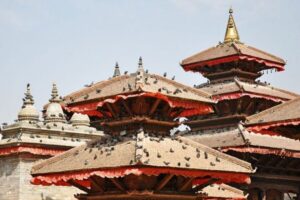
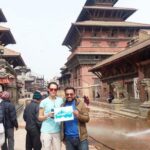
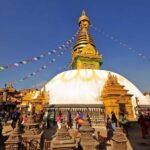
The next day is a proper “get ready” block. You’ll visit major Kathmandu Valley sites including Pashupatinath Temple and Boudhanath Stupa. Both are powerful, and they’re also useful for context: Nepal’s spiritual sites aren’t separate from daily life; they sit right in the rhythm of the country. I like that this day is about grounding you before the mountains take over.
You can also read our reviews of more hiking tours in Kathmandu
The road to Besisahar and Chame: a long jeep day you should respect
The first real transfer day is a drive from Kathmandu toward Besisahar—a long one, about 175 km, usually 6–7 hours depending on road and traffic. This matters because it sets expectations. You’re going to spend time in vehicles before the walking begins, and those hours can take more out of you than you’d think.
Then comes a standout timing detail: the route uses a scenic jeep drive from Besisahar to Chame (the gateway toward Manang). Expect roughly 10–11 hours. That’s not just transportation; it’s part of the trek rhythm. You’ll likely feel it in your legs later, so don’t treat this day like a rest day. Hydrate, keep snacks handy, and try to stay loose—not stiff—so the first trek day feels doable.
Chame to Pisang: forests, bridges, and big peak views
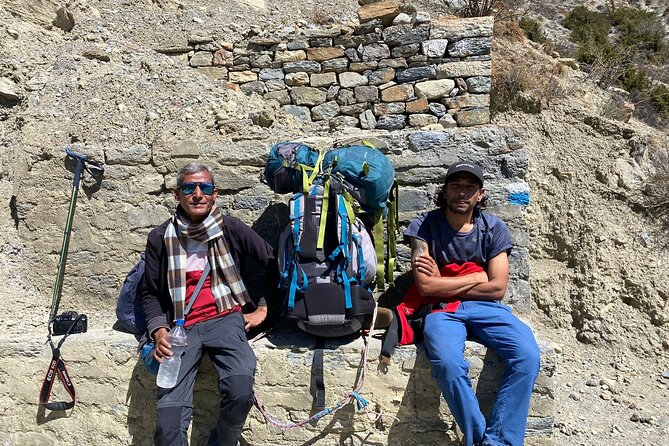
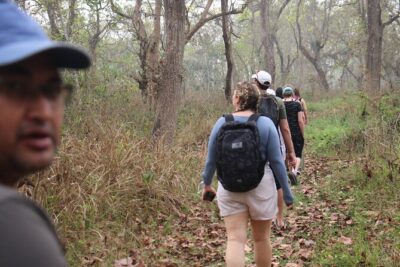
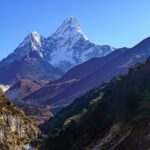
Once the trail starts, the Annapurna Circuit rewards you quickly. From Chame you trek toward Pisang, moving through varied terrain—forests, bridges, and village sections that break up the altitude work into manageable chunks.
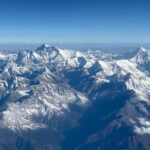
What makes this day work is the balance between effort and payoff. You’ll be climbing, but you also get frequent visual moments—especially when the Annapurna peaks start peeking in more clearly. Your guide’s job here is valuable: they help you pace and keep you aware of what’s coming next, instead of letting you burn energy too fast because the views feel irresistible.
Potential drawback: if you’re the type who always hikes at full speed, the first trek day is where that habit can cost you. Early on, aim for steady breathing, not sprinting. The circuit is long—your strategy matters more than your ego.
Pisang to Manang: Tibetan-influenced culture and higher air
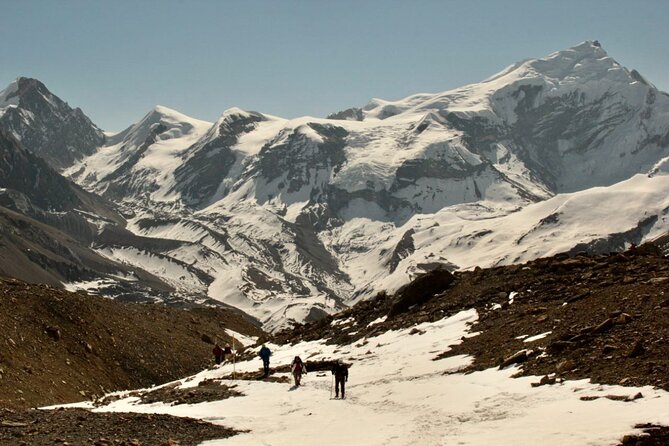
Today’s trek carries you onward to Manang, with a gradual ascent that makes mountain views more prominent as you go. The region changes as you climb. Even without a lecture, you’ll feel it in the way villages are built and in the overall look of the area—Manang has strong Tibetan cultural influence, and it’s one of the reasons the circuit feels more like a journey than just a hike.
This day is also a psychological shift. You start to realize you’re not “visiting mountains.” You’re entering them. That means your pace should slow a touch, and your attention to how you feel should increase. If you start getting headaches or unusual fatigue, don’t brush it off—tell your guide. On an Annapurna Circuit trek, it’s better to be cautious early than stubborn later.
Manang acclimatization day: the smartest day on the whole route
A lot of treks rush this part. Here, you get an acclimatization day in Manang, and it’s one of the best value components of the itinerary.
The big idea is altitude adjustment. High altitude affects sleep, appetite, and stamina. The acclimatization day helps you reduce the risk of altitude sickness later when you aim for higher points. You can spend the time exploring around Manang, and the gentle movement also keeps you from feeling stuck.
How to use this day well:
- Keep your walking light and calm.
- Drink water consistently.
- Eat what you can, even if your appetite is weird.
- Tell your guide how you slept and how you felt.
This is also where the group dynamic helps. If you’re traveling with others, you’ll often see who’s adapting quickly and who needs to take it even slower.
Yak Kharka: rugged beauty and the feeling of “less room”
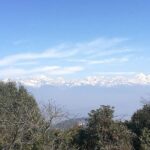
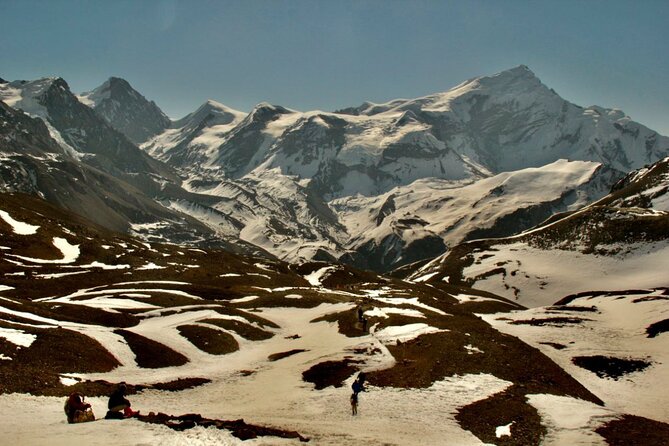
From Manang to Yak Kharka, the trail takes on a more rugged, high-mountain feel. The route is known for barren landscapes and wide views, and you’ll notice a decrease in greenery as you gain altitude.
This is a day that teaches perspective. The scenery expands, and the trail can feel more exposed. If weather is clear, the views can be jaw-dropping. If clouds roll in, you’ll still get the sense of being far from the comforts of lower elevations.
Practical tip: this is where layers matter. Even when it’s sunny, the temperature can swing quickly at altitude. Keep your warm gear accessible so you don’t waste energy fumbling at the wrong moment.
Thorong Phedi and the pass: early start, steep effort, big reward
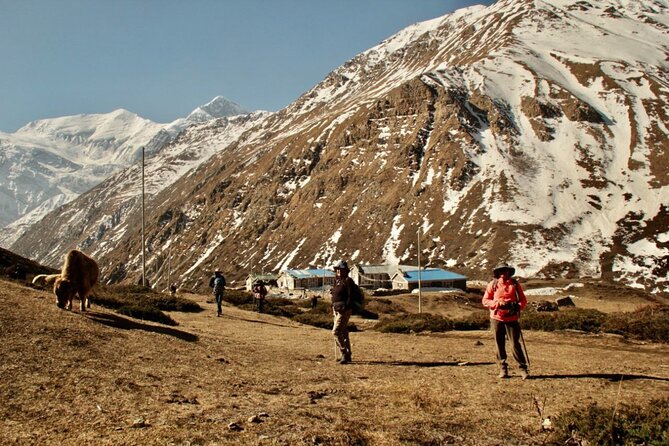
You’ll trek from Yak Kharka to Thorong Phedi, located near the base of Thorong La. The day includes rocky sections and glacial moraines. Expect a more technical feeling underfoot than some of the village days earlier in the circuit.
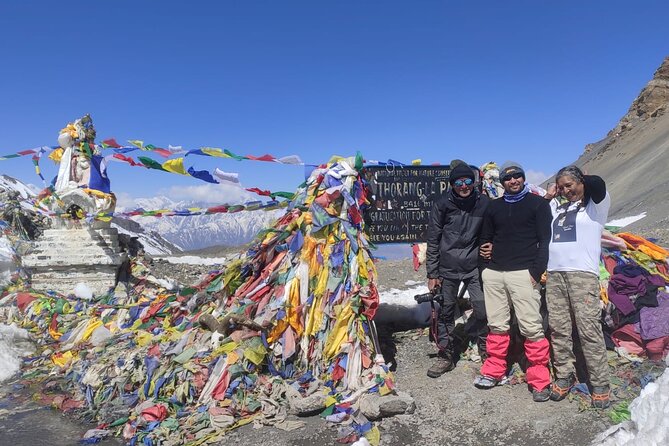
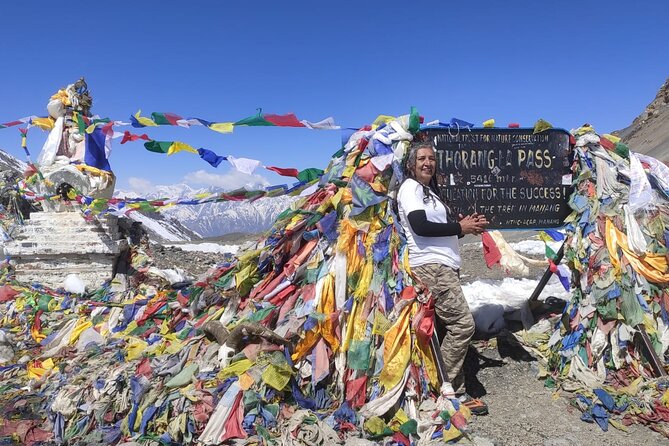
Then comes the signature day: crossing Thorong La Pass. The plan starts early in the morning because high passes are unpredictable. Starting early helps with timing and often brings better conditions before the day warms and weather shifts.
What to focus on during the pass crossing:
- Slow, steady steps. Don’t chase other people’s pace.
- Breath control. If you’re gasping, you’re going too fast.
- Keep your head up for views, but don’t stretch for speed.
- Listen to your guide and follow guidance on breaks.
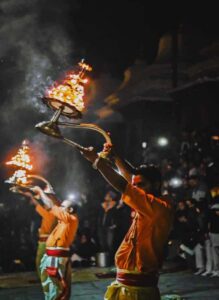
After the pass, you’ll descend toward Muktinath, one of the most meaningful cultural stops on the circuit. Muktinath is sacred for both Hindus and Buddhists and is known for temples. It’s a powerful change of tone—less “high-alpine struggle,” more “sacred place where people gather.”
Muktinath to Jomsom and on to Pokhara: from high air to apple country
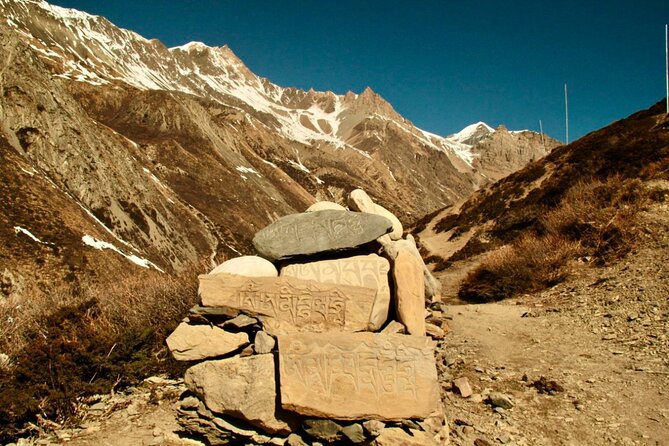
From Muktinath, the journey continues toward Jomsom. The route shifts again: the drive/travel segment descends through a windswept valley, contrasting with the earlier lush green areas you saw at lower elevation.
Jomsom is known for its calm and its apple orchards. That matters because it’s not just a checkpoint. It’s a different atmosphere—more down-to-earth and grounded after days of high altitude walking.
Important logistics note: the flight from Jomsom to Pokhara is not included in what’s covered. Plan for that cost and time so you don’t scramble at the last moment. If you’re budgeting, treat it as part of the real “trek cost,” not an optional extra.
Once you’re in Pokhara, you’ll enjoy a more relaxed pace for a morning, with included visits such as Devi’s Fall (Davis Fall) and the International Mountain Museum. These add context to what you’ve been doing in the mountains. Even if you’re not a museum person, it helps connect the trekking story to the bigger Himalayan picture.
Back to Kathmandu: wrapping up with countryside drives
After Pokhara, the itinerary includes a scenic drive back to Kathmandu. You’ll pass through rural areas along winding rivers and through valleys—another reminder that Nepal isn’t only about big mountains. It’s also about how people live, farm, and travel between places.
Then your last day is a straightforward ending: transfer assistance to the airport for departure. It’s a nice way to land after the physical effort—no last-minute chaos.
Price and value: what $900 gets you (and what it doesn’t)
At $900 per person, this trek is positioned as a guided, structured Annapurna Circuit experience. The strongest value pieces are the support team and the meal plan. You’re not just buying a route; you’re buying a system:
- Guide + assistant for instruction and pacing
- Porters (one per two trekkers) to carry much of the load
- Lodging in Kathmandu, Pokhara, and along the trekking area in twin sharing
- Included meals across the trekking days (breakfast 13, lunch 9, dinner 9)
Where value needs a small reality check: you’ll pay for personal expenses and you’ll also handle Jomsom to Pokhara transport. And things like tea/coffee/hot water are not included, so budget for that convenience cost if you like a warm drink.
If you want a trek where the “how do we get from A to B?” questions are answered for you, this price looks reasonable. If you’re comfortable organizing everything yourself and want to cut costs aggressively, guided support at this level is harder to beat.
Who this trek fits best
This setup makes the most sense if you:
- Want a guided Annapurna Circuit that’s paced with a real acclimatization stop
- Prefer having professional support instead of self-navigating logistics
- Are in good enough shape for multi-hour hiking days plus long vehicle transfers
- Like a mix of mountains and culture, including Thamel prep, major temples, and Muktinath
It also suits groups because the staffing plan scales with you. The tour is private in the sense that it’s for your group only, not a shared random crowd.
Should you book this Annapurna Circuit trek?
I’d book it if you want a classic Annapurna Circuit route with solid support, especially because the plan includes Manang acclimatization and a guided approach to the Thorong La crossing. The team structure (guide, assistant, porters) is the difference between “a hard trek” and “a hard trek plus stress.”
I would think twice if you’re very sensitive to altitude or you know long driving days drain you fast. Also, make sure you budget for the Jomsom to Pokhara flight since it’s not included.
If you match the fitness level and you plan ahead for the few extras, this is a strong way to do one of Nepal’s best-known trekking circuits without turning the trip into a logistics project.
FAQ
Where does the trek start?
The start point is Tribhuvan Airport in Kathmandu, Nepal, with pickup included.
How long is the tour?
It’s listed as 14 days (approx.).
What’s included in the trek package?
Includes Kathmandu and Pokhara accommodations (twin sharing), trekking-area lodging (twin sharing), a guide and assistant plus porters (with stated ratios), and multiple meals (breakfast 13, lunch 9, dinner 9). It also includes airport pickup and drop-off by private vehicle and all fees and taxes.
Are meals included?
Yes. Breakfast is included for 13 days, lunch for 9 days, and dinner for 9 days. Tea/coffee/hot water are not included.
What kind of lodging should I expect?
You’ll have twin sharing accommodations for 2 nights in Kathmandu, 2 nights in Pokhara, and 9 nights in the trekking area.
Do I get help with carrying my gear?
Yes. The plan includes a porter for each 2 trekkers.
Is there an acclimatization day?
Yes. There is an acclimatization day in Manang.
What’s the most challenging day?
The most challenging day is crossing Thorong La Pass, which starts early in the morning and involves a steep ascent to the pass.
Do I need a flight from Jomsom to Pokhara?
Yes. The flight from Jomsom to Pokhara is not included, so you should plan to arrange and pay for it.
What fitness level do I need?
The information provided says you should have a strong physical fitness level.