REVIEW · ANNAPURNA BASE CAMP TREKS
Annapurna Base Camp Trek 12 Days
Book on Viator →Operated by Adventure Glacier Treks & Expedition · Bookable on Viator
Hitting the Himalayas is never quiet, and this 12-day Annapurna Base Camp trek is built for steady progress with real support. I like the professional guidance that keeps the route flexible and safety-minded, and you get cultural time with Gurung and Magar communities instead of just hiking from landmark to landmark. One drawback to plan for: you’ll feel altitude more on later days, and the trek includes steeper moments (like Ulleri’s 3,000 steps).
What makes this itinerary practical is that it strings the big moments together: Kathmandu to Pokhara transfers, acclimatization days, two major sunrise view days, and a recovery-style finish at Jhinu Hot Spring. At $799 per person, the value comes from what’s bundled—lodges en route, permits, and three meals a day—so you’re not constantly doing math in your head. If you’re only looking for a short, relaxed stroll, this probably won’t match your idea of easy.
In This Review
- Quick hits you’ll care about
- Getting from Kathmandu into trek mode around Thamel
- Kathmandu to Pokhara by tourist bus: the long wheels day
- Nayapul trail entry near Tikhedhunga: starting with countryside pace
- Ulleri steps to Ghorepani: the day you earn the views
- Poon Hill sunrise at 3,200m: the big payoff without a big hike
- Chhomrong ridge walking: Gurung village life in your trek rhythm
- Toward the Sanctuary via Dovan and Sinwa: valleys, then altitude pressure
- Deurali to Fishtail Base Camp: avalanche-prone terrain and smart route choices
- Sunrise over Annapurnas, then back toward Doban: returning without losing the magic
- Sinuwa lodge night via river and forest: a quieter day that helps you recover
- Jhinu hot spring and the Pokhara rewind: soaking and resetting
- Price and what you truly get in the $799 package
- Guides and real support: what stands out from the team reviews
- Safety and altitude reality checks for ABC
- Who should book this Annapurna Base Camp trek
- Should you book Adventure Glacier Treks & Expedition?
- FAQ
- Where does the trek start?
- How long is the Annapurna Base Camp trek?
- What does the $799 price include?
- What is not included?
- Is this a private tour?
- Is there free cancellation?
Quick hits you’ll care about
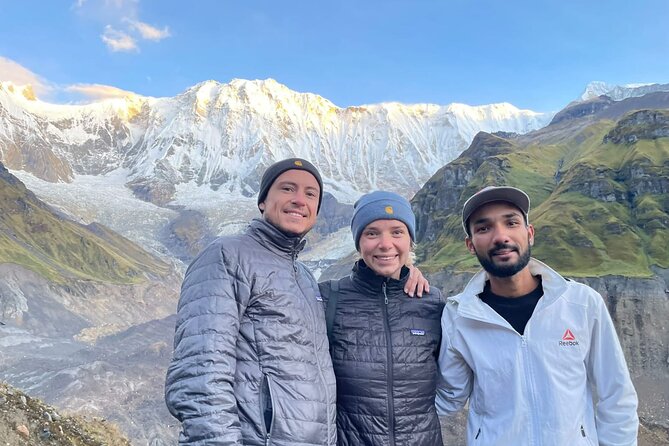
- Poon Hill sunrise at 3,200m: a short walk from Ghorepani and a big view payoff with multiple peaks in sight.
- Route changes near base camp: the plan notes an avalanche-prone stretch and adjusts the crossing across the Modi River depending on season and conditions.
- Culture shows up along the way: Chhomrong is set up as a Gurung village stop, and the trek is framed to include community connection with Gurung and Magar people.
- Guides who handle real-life problems: reviews highlight help from the team before the trek, including an example of a flight cancellation solution handled by Dil Prasad Sapkota (Dil).
- Two sunrise moments: first at Poon Hill, then again on the return day with a sunrise over Annapurnas.
- Hot spring finish at Jhinu: you get a chance to soak after trekking toward the natural hot springs.
Getting from Kathmandu into trek mode around Thamel
Your journey starts in Kathmandu, with an airport representative meeting you at Tribhuvan International Airport (TIA). From there, you’re transferred to a hotel and you’ll get a briefing, so you know what’s next before you turn in. If you want a low-stress start, this matters more than it sounds—ABC treks go best when day-one logistics don’t steal your energy.
You also avoid the awkward timing problem. The trek company offers airport pickup and drop, and it’s a private setup for your group. That usually means fewer waiting-game moments and more predictable pacing as you move into the next transport day.
What to consider: the trek does not include your Kathmandu hotel stay, and meals in Kathmandu and Pokhara (besides daily breakfast) are not included. So you’ll want to budget for that first week of eating, especially if you arrive hungry and jet-lagged.
You can also read our reviews of more hiking tours in Kathmandu
Kathmandu to Pokhara by tourist bus: the long wheels day
Day 2 is the classic move: a tourist bus ride from Kathmandu to Pokhara, typically departing around 7:00 a.m. and taking 6–7 hours depending on road conditions. This is one of those days where the only win is arriving ready for rest, and Pokhara is a solid base to do just that.
After you land, you’ll check into your hotel, rest up, and handle a little breathing room before the trail work begins. For me, that hotel/rest block is key. It helps you show up to the next day with legs that don’t feel like noodles.
What you’ll like: the trek’s ground transportation is covered, which usually reduces the chance of last-minute confusion.
Nayapul trail entry near Tikhedhunga: starting with countryside pace
On Day 3, you leave Pokhara after breakfast and take a private vehicle for about 2 hours to reach the hiking trail area at Nayapul. You’ll also pass through rural countryside, and the trail begins at the confluence of the Modi River, which is a nice detail because it hints at how the region’s rivers shape the route.
This is also where the trek starts to feel like a real trek rather than a travel day. You’re moving from road time into foot time, and that transition is what sets your rhythm for everything after.
Potential drawback: because this is a trekking day immediately after travel, you’ll want to keep your first-day effort controlled. Go steady so tomorrow’s climbing doesn’t punish you.
Ulleri steps to Ghorepani: the day you earn the views
Day 4 pushes uphill early. The route climbs to Ulleri village via about 3,000 stone steps, which takes roughly 2 hours. That’s a lot of repeated steps, and it can feel like a leg-burner if you come out too fast.
From Ulleri, the plan continues toward Ghorepani, and this is one of the classic ABC region setups: you’re climbing through villages and ending in an area positioned for mountain views later. It’s not just scenery. It’s also strategy. Ghorepani puts you in a smart position for the sunrise plan.
What to consider: if you’re prone to shin splints or knee pain on stairs, take it slow. Short, steady steps beat heroic pacing on stone stair routes.
Poon Hill sunrise at 3,200m: the big payoff without a big hike
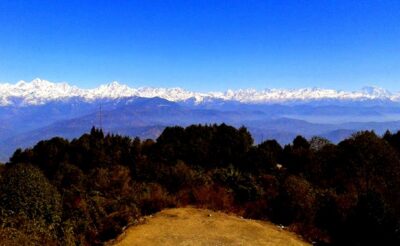
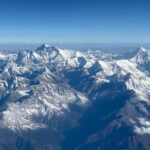
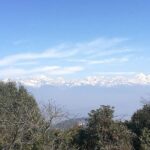
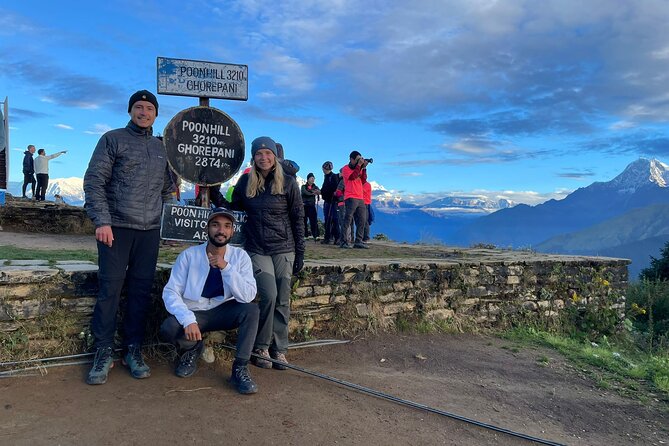
Day 5 is built around Poon Hill, one of the most famous view spots in the Annapurna region. You’ll walk about 50 minutes to reach the viewpoint at around 3,200m, timed for sunrise. From there, you can see around 15 peaks, depending on conditions.
I like this kind of trek day because it rewards you without asking for an all-day grind. You get the emotional payoff—sunlight spilling over the snow line—while still keeping your overall energy budget intact for the next trekking block.
Tip for your body: sunrise days can be cold and early. Even if the trek includes three meals a day, your comfort at sunrise still depends on what you bring. Warm layers help you enjoy the view instead of just surviving the morning.
Chhomrong ridge walking: Gurung village life in your trek rhythm
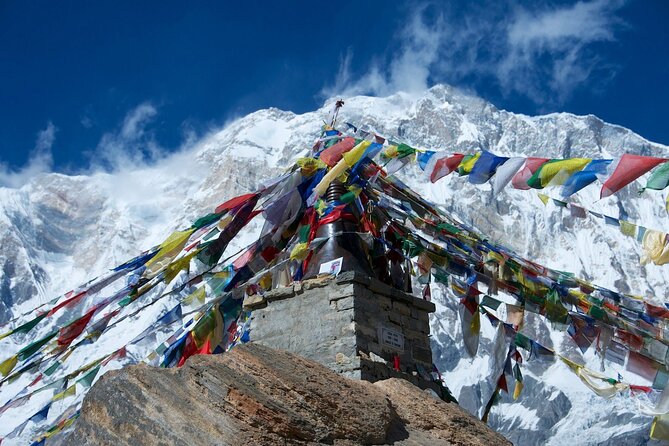
Day 6 brings you into the Chhomrong area, a big marker on the lower Annapurna route. From Tadapani, you descend about 900 metres to the Gurjung River valley, then you gradually climb along a ridge to reach Chhomrong. Chhomrong is described as a large Gurung village, and the trek’s broader promise includes connecting with the Gurung and Magar communities, not just passing through.
For readers who want authenticity, this day fits the bill. It’s a mix of physical rhythm and human scale—villages, ridges, and the feeling that you’re moving through real communities instead of a path with no people.
Potential drawback: river valleys and ridges can mean tired knees after descents. If you’re sensitive, use trekking poles if you have them. Keep your descents controlled.
Toward the Sanctuary via Dovan and Sinwa: valleys, then altitude pressure
Day 7 continues your progression downward and forward. You trek down Chhomrong Khola, then climb up toward Sinwa for about 3 hours. From there, the plan leads into a steep valley toward the Annapurna Sanctuary, at the foothills of Annapurna South and Fishtail.
This is one of those days where you can feel the trek changing. The terrain gets more enclosed, your breathing gets a little more serious, and the “base camp is coming” feeling starts to take over.
Day 8 keeps that pressure going in a different way. Above Dovan, you enter an area where altitude effects are felt, and you ascend to another hamlet in about 2 hours, described as peaceful with lush green forest. That’s a good setup for acclimatization without crushing you.
What to consider: altitude doesn’t care if your legs feel fine. The itinerary explicitly slows you down here, which you should respect.
Deurali to Fishtail Base Camp: avalanche-prone terrain and smart route choices
Day 9 is the heart of the trip: reaching Fishtail Base Camp from Deurali. The itinerary notes that this trail stretch is avalanche-prone, so the route is adjusted across the Modi River depending on situation and season. Expect the guide to make decisions based on current conditions, not on a rigid map fantasy.
It takes about 2 hours to reach the base camp area once you’re on the right alignment. The key value here is not just the destination—it’s the operational reality that the plan acknowledges risks and allows for changes.
If you only trust a fixed schedule, this day might feel unsettling. But for most people, the ability to adapt is a good sign, not a bad one.
Sunrise over Annapurnas, then back toward Doban: returning without losing the magic
Day 10 is a return day with a highlight built in. You watch sunrise over Annapurnas, then hike back toward Doban. The route includes a steep early section and then turns into more gradual downhills.
This is smart pacing. You still get a major emotional moment, but you’re not spending the day fighting the hardest terrain while you’re already tired. Doban is also described as a river junction of two streams, which usually means the area feels alive with water sounds and local movement.
What to consider: returning hikes can surprise you. People focus on the ascent to base camp, then forget that descents can be just as hard on the body if you move too fast.
Sinuwa lodge night via river and forest: a quieter day that helps you recover
Day 11 shifts into calmer mode. The trek follows the path along the river and through a peaceful forest with waterfalls, sounds, and birds. Then there’s an easier hike up toward Sinuwa Hill, and you overnight at a trekking lodge at Sinuwa.
For me, that’s a gift after the concentration of days near base camp. You’re still trekking, but it’s the kind of day where the mind can stop gripping the next milestone.
Potential drawback: even easy hikes at altitude can tire you. Keep the pace conversational, not racing.
Jhinu hot spring and the Pokhara rewind: soaking and resetting
Day 12 closes the loop. You trek about 2 hours to Jhinu, the natural hot spring area. The plan includes time to soak in the hot springs, then lunch there. After that, you drive back to Pokhara, with an option to trek further before returning.
This day is less about hitting a viewpoint and more about recovery. A hot spring stop helps you treat your body like a teammate instead of a machine.
What you’ll like: having the hot spring and lunch included in the day plan is a nice structure for the final hours.
Price and what you truly get in the $799 package
At $799 per person, the big value isn’t just the headline price. It’s what’s included that usually costs extra on other itineraries: accommodation at lodges en route, three meals a day (breakfast, lunch, dinner) plus tea/coffee en route, and the ground transportation between Kathmandu and Pokhara and the trail access.
You also get all applicable permits and fees, including ACAP and local permits, plus a professional guide whose expenses include insurance and equipment. When guides and permits are folded into the price, you spend less time worrying about paperwork and more time focusing on the trail.
Here’s the balance check: beverages, tips for the guide, your travel insurance, and any porter service (if you choose one) are not included. Accommodation in Kathmandu and Pokhara isn’t covered either. So your total trip cost depends on what you do for those add-ons.
Guides and real support: what stands out from the team reviews
The reviews consistently highlight smooth planning and practical help from the team. In one example, Dil Prasad Sapkota (Dil) was praised for months of advice and quick solutions when a flight to Pokhara was canceled due to weather. That’s the kind of support you hope for but rarely see in casual promises.
Other feedback calls out excellent guides and porters by name, including Arjun (guide) and Krishana (porter), plus Sudip for flexibility and friendly service, and Mr Ram for polite, helpful, professional porter-guide support.
I take those comments seriously because ABC treks often run into real scheduling friction—weather delays, changing transport, and the need to manage fatigue. This itinerary’s best feature is not just that it goes to base camp. It’s that it has a team that handles day-to-day problem solving.
Safety and altitude reality checks for ABC
The itinerary is explicit about altitude effects showing up around the Deurali area, and it uses a slow pace there. That’s exactly what you want. ABC is not a race, and the route plan even acknowledges avalanche-prone terrain near the base camp approach, with the crossing route across the Modi River changing with conditions.
So when you see those notes, don’t treat them like fine print. Treat them like the trail’s rules. Your guide’s job is to keep you moving safely, and this plan gives them room to do that.
Best-fit physical level: the trip is described as for people with moderate physical fitness. That usually means you can handle daily hiking and steep sections like Ulleri’s steps without needing a daily ambulance plan.
Who should book this Annapurna Base Camp trek
This trek fits best if you want a classic ABC route with a structured pace and lodging support. It’s also ideal if you appreciate cultural connection tied to the trek rather than a bolt-on add-on.
You’ll likely enjoy it if:
- You want sunrise views twice, not just once.
- You prefer a private setup and included meals and lodge stays.
- You’re comfortable with a moderate fitness level and changing altitude.
You might want to look elsewhere if:
- You’re chasing a very low-effort walk.
- You don’t want altitude effects at all.
- You’d rather pack every meal yourself and manage permits without help.
Should you book Adventure Glacier Treks & Expedition?
If you’re looking for value that includes lodges, permits, meals, guide support, and the Kathmandu-to-Pokhara transfer, this package makes a lot of sense. The $799 price feels more justified because so many of the usual trekking extras are handled for you, and the route plan shows practical thinking about risk areas near base camp.
I’d book it if your priorities are clear: safety-minded flexibility, sunrise payoff, and a guide team that’s ready to solve problems like weather-driven transport changes. Just go in knowing you’ll still need to prepare for altitude, stairs, and the reality that some parts of the journey depend on conditions more than on calendar dates.
FAQ
Where does the trek start?
It starts at Tribhuvan Airport in Kathmandu, Nepal. The tour includes an airport pickup.
How long is the Annapurna Base Camp trek?
It’s listed as 12 days approximately.
What does the $799 price include?
The package includes lodge accommodation en route, three meals a day (breakfast, lunch, dinner) with tea/coffee en route, ground transportation, a professional guide (with expenses including insurance and equipment), airport pickup and drop, and permits/fees including ACAP and local permits.
What is not included?
Not included are beverages, tips for the guide, your travel insurance, food in Kathmandu and Pokhara except daily breakfast, accommodation in Kathmandu, and a trekking porter (if you need one).
Is this a private tour?
Yes. It’s a private tour/activity, and only your group participates.
Is there free cancellation?
Yes. Free cancellation is available up to 24 hours in advance for a full refund. Canceling less than 24 hours before the start time does not qualify for a refund.