REVIEW · COOKING CLASSES
Nepali Cooking training & Cultural Homestay Experience
Book on Viator →Operated by Kalpana's Cooking Course Training · Bookable on Viator
In This Review
- A family table beats city noise
- Key highlights to expect
- Why a Nepali homestay cooking class works so well in Kathmandu
- What you’ll do across the 2 days (and why the flow matters)
- Evening arrival and first cultural hits
- Settling in for a family night
- The cooking training day: Dal Bhat as a full lesson
- Dal Bhat cooking: the meal that teaches everyday Nepali life
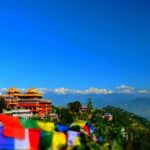
- Uma Maheshwor Temple: faith you can actually see
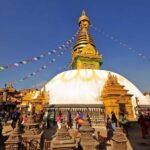
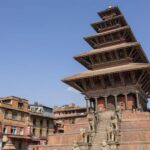
- Kathmandu Durbar Square: heritage in the middle of the city
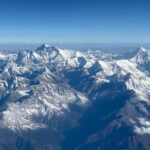
- Everest views and Himalayan weather: the one variable you can’t control
- Price and value: why $30 can make sense here
- The practical stuff: pickup, timing, and how to make it smooth
- Who this is best for (and who should think twice)
- Should you book Kalpana’s Cooking Course Training?
- FAQ
- What city is this experience in?
- How long is the experience?
- When does the experience start?
- What meals are included?
- What will I learn to cook?
- Is pickup transportation provided?
- Is this a private activity?
- What’s not included in the price?
- Is there a cancellation option?
- Can most people participate?
A family table beats city noise
One meal, one family, instant perspective. This Kathmandu cultural homestay and Nepali cooking training is a simple, practical way to trade traffic and temples-at-a-distance for real daily life. I especially like the hands-on focus on Dal Bhat and the fact that you eat what you help make, not a separate show.
I also like that you get Himalayan views on a clear day, plus a planned mix of spiritual and heritage sights. The only real consideration? This is scheduled around Kathmandu’s traffic and light conditions, so Everest-style views are weather dependent and start time is late afternoon.
Key highlights to expect
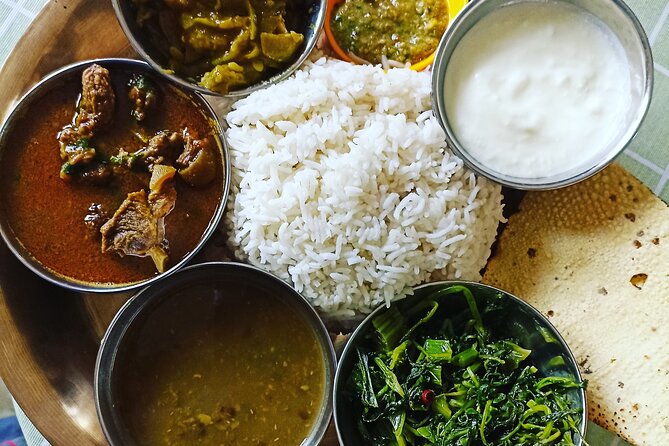
- Dal Bhat cooking lesson built around rice, lentil soup, mixed vegetables, pickle, and chicken
- Homestay dinner with a local Nepali family—food comes with conversation
- Late-afternoon start (4:15 pm) that fits a sightseeing evening and a comfortable night’s rest
- Uma Maheshwor Temple and Kathmandu Durbar Square for spiritual and historic context
- Mount Everest viewpoint stop plus possible big views from the area on clear weather
You can also read our reviews of more cooking classes in Kathmandu
Why a Nepali homestay cooking class works so well in Kathmandu
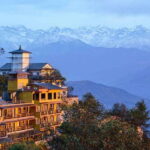
Kathmandu can feel loud fast—horns, crowds, and constant motion. This experience slows things down without turning it into a long, expensive production. Your base is a clean, comfortable homestay room for one night, and the heart of the program is a meal that’s deeply practical: it’s the kind of food many Nepali households eat often, not a rare ceremonial dish.
The best part, for me, is how the cooking lesson and the family time are connected. You’re not just watching someone cook. You’re learning how a full Nepali plate comes together—then sitting down to eat it with the people who live there. That’s a very different kind of souvenir than a fridge magnet.
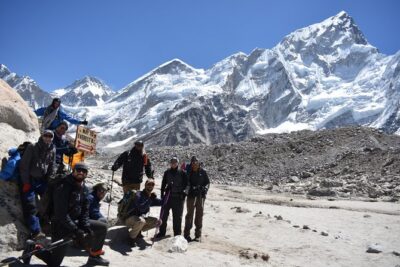
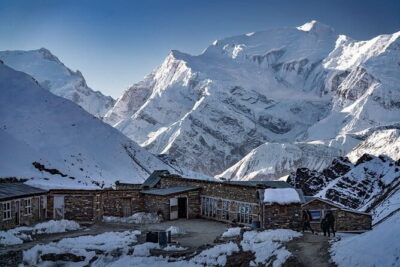
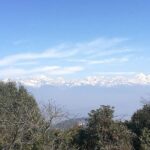
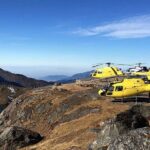
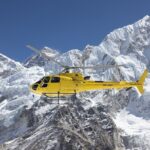
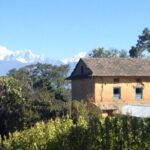
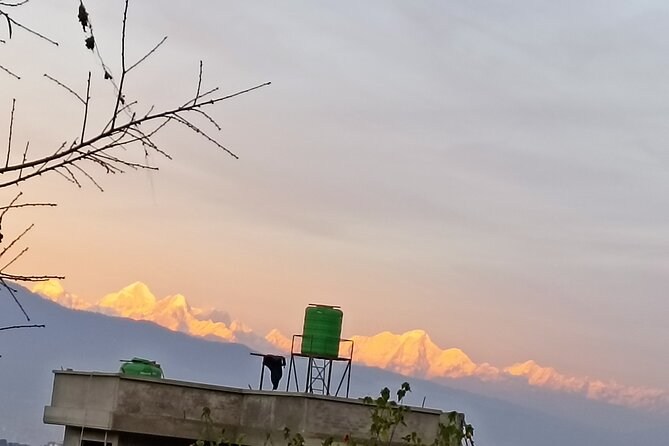
And yes, the views help. If the sky cooperates, you’re in a location where you can see the Himalayas. Add a scheduled stop aimed at Mount Everest views, and the trip offers both culture and the big “wow” factor.
What you’ll do across the 2 days (and why the flow matters)
This runs about 2 days, starting at 4:15 pm. You’ll have private transportation, pickup support for the dinner transfer portion, and a full set of included meals for the time you’re there.
Evening arrival and first cultural hits
From the late-afternoon start, the program moves you into Kathmandu’s living layers rather than keeping you stuck in one neighborhood. You’ll head to Uma Maheshwor Temple first. It’s the kind of stop that gives you a sense of faith in action—people visiting, moving through routines, and treating the space as part of daily life, not a background for selfies.
Next comes Kathmandu Durbar Square. This is where you’ll feel the weight of the city’s historic identity. Even if you don’t go deep into dates, you’ll get the visual language: ornate architecture, crowded squares, and the sense that Kathmandu’s heritage is not behind glass—it’s right there in the open.
Why this sequencing works: starting late afternoon means softer lighting for photos and a calmer pace than midday, while still giving you enough time for at least two major stops.
Settling in for a family night
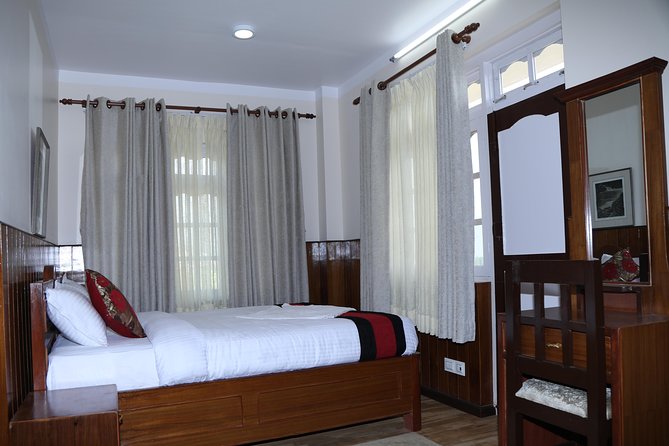
You’ll be accommodated in a homestay room for a night rest. This is a key part of the experience’s value: the schedule is built so you’re not sprinting all day and then skipping the best social piece.
Included in your stay are dinner pickup transportation (so you’re not figuring out logistics alone), plus breakfast and tea/coffee. Small details like that matter in Kathmandu, where getting around can take more energy than you expect.
The cooking training day: Dal Bhat as a full lesson
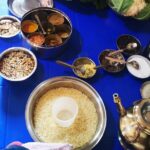
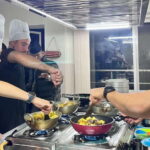
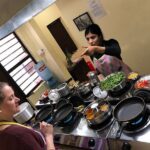
At the center is the hands-on meal preparation: you’ll learn to cook a classic Nepali plate based on Dal Bhat—rice, lentil soup, mixed vegetables, pickle, and chicken—and then share the feast with your host family.
Even if you’ve cooked before, this is the kind of class that builds confidence. Dal Bhat isn’t complicated because it’s fancy. It’s complicated because it’s a system: timing the rice, getting the lentils right, balancing vegetables, and knowing how pickle fits in as the sharp, salty counterpoint.
Dal Bhat cooking: the meal that teaches everyday Nepali life
Dal Bhat is not just food. It’s rhythm. The “why” behind the dish is one reason this class feels more meaningful than a standard cooking workshop.
Here’s what you’re really learning, beyond the steps:
- A full plate approach: Nepal’s comfort food is often a combination of textures—soft rice, soupy lentils, crunchy or tangy pickle, and vegetables that add body.
- How flavor comes from balance: pickle isn’t a garnish. It’s part of how the meal feels complete.
- How a home kitchen organizes time: cooking rice and lentils together teaches you to think like a household, not like a restaurant.
I like that the menu is specific. When the training includes vegetables, pickle, and chicken along with the core rice and lentils, you can expect a complete meal rather than a half-class where you only handle one component. The included dinner and shared meal afterward also help you avoid the common mismatch where you cook, then don’t get to enjoy the result.
One practical note: you should be ready to taste as you go. Many cooking lessons work best when you’re comfortable sampling and adjusting with the cook.
Uma Maheshwor Temple: faith you can actually see
Uma Maheshwor Temple is a stop that works well for first-timers. It’s not about memorizing facts—it’s about understanding how religion shapes space and movement.
What you’ll likely notice:
- how locals behave naturally inside the temple area
- the steady flow of visitors
- the way the site feels integrated into neighborhood life
This matters on a short trip. You’re not trying to conquer the whole Kathmandu Valley. You’re getting one clear view of how spiritual practice feels here.
Tip for your visit: dress simply and respectfully. Even if your stop is brief, Kathmandu temples expect basic cultural manners.
Kathmandu Durbar Square: heritage in the middle of the city
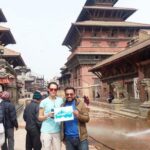
Kathmandu Durbar Square gives you the other side of the coin: Kathmandu’s heritage as a public, lived environment.
Even without a detailed script, the place communicates:
- layers of architecture and craftsmanship
- the scale of the square as a social space
- the sense that history isn’t frozen—it’s a working setting
A drawback to keep in mind: Durbar Square can be busy. Your late start helps, but you should still expect crowds and some level of chaos. If you hate shoulder-to-shoulder travel, come mentally ready for it.
Everest views and Himalayan weather: the one variable you can’t control
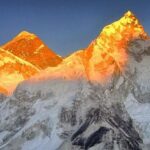
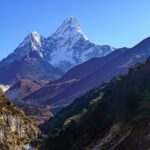
The experience includes a stop aimed at Mount Everest views, and it also mentions that the Himalayas may be visible from the program location on a clear day. That’s the honest part. Weather is the wild card in the Himalayas.
So plan like this:
- If you’re chasing views, stay flexible and hope for clear skies.
- Bring a layer for cooler air in evening hours.
- Keep photo expectations realistic. You’re going for a view opportunity, not a guaranteed panorama.
Still, I like having this component. Kathmandu can be “just city” unless you actively build a connection to the mountains. This program does that without forcing you into longer trekking logistics.
Price and value: why $30 can make sense here
At $30.00 per person, this is priced low for what’s included: private transportation, homestay accommodation, breakfast, tea/coffee, and a dinner-related transfer plan, plus the cooking training and the meal itself.
Here’s what that price is buying you in practical terms:
- You’re paying for a curated schedule that includes major stops and a working cultural experience
- You’re getting more than a cooking demo—you’re cooking and eating with a family
- You’re avoiding the hassle of arranging a homestay-like dinner experience on your own
Two factors that influence true value:
- Your group size. It’s a private activity, so the cost can feel even better when you’re not splitting it among many strangers.
- How much you care about family time. If you’re only after a checklist of sights, the homestay dinner component will be the part you either love or feel is unnecessary.
If you’re trying to balance budget travel with something human and memorable, this sits in a sweet spot.
The practical stuff: pickup, timing, and how to make it smooth
Your meeting time is 4:15 pm, and there’s pickup offered for dinner-related transportation. The experience also notes that it’s near public transportation and that most travelers can participate.
What that means for you:
- Don’t plan another event right before the 4:15 pm start. Kathmandu traffic can chew up time fast.
- Wear comfortable shoes for temple and square walking.
- Keep your phone charged. Evening light can help photos, and you’ll want maps if you break from the group for any reason (though the program is private).
Also, you’ll receive a mobile ticket, and confirmation comes at booking. So, as long as you book ahead, you should be able to organize your day without guesswork. The average booking window is about 34 days in advance, which suggests this isn’t last-minute filler.
Who this is best for (and who should think twice)
This experience fits you if:
- you want a real Nepali meal lesson, not a quick souvenir cooking class
- you like cultural exchange where the conversation happens over food
- you prefer a short Kathmandu program that still includes a homestay-style night
It may not fit if:
- you dislike unpredictability around Himalayan visibility
- you want only “major landmark, no waiting, no social time” sightseeing
If you’re traveling with a small group, the private setup is a big bonus. It lets the family dynamic feel more focused instead of like a group tour assembly line.
Should you book Kalpana’s Cooking Course Training?
I’d book it if you want Kathmandu with fewer crowds and more meaning. The combo of hands-on Dal Bhat, a family dinner, and targeted sightseeing like Uma Maheshwor Temple and Kathmandu Durbar Square gives you value in both emotion and schedule. And the Everest/Himalaya view angle adds a goal that makes the evenings feel special.
Skip it only if the homestay component sounds like a chore, or if you’re the type who needs guaranteed mountain visibility. The cooking and culture will still be worth it, but the view part depends on the weather.
If you want a short trip that feels like a day in a Nepali home while still ticking off key Kathmandu moments, this is an easy yes.
FAQ
What city is this experience in?
It takes place in Kathmandu, Nepal.
How long is the experience?
It’s listed as approximately 2 days.
When does the experience start?
The start time is 4:15 pm.
What meals are included?
Dinner is included, and you also get breakfast plus tea or coffee.
What will I learn to cook?
You’ll learn a classic Nepali meal based on Dal Bhat, including rice, lentil soup, mixed vegetables, pickle, and chicken.
Is pickup transportation provided?
Yes, dinner pick-up transportation is included.
Is this a private activity?
Yes. Only your group participates.
What’s not included in the price?
Alcoholic beverages and other bottle drinks and soft drinks are not included. Return transport to your next destination is also not included.
Is there a cancellation option?
Yes, free cancellation is available up to 24 hours in advance for a full refund.
Can most people participate?
The experience notes that most travelers can participate.