REVIEW · ANNAPURNA CIRCUIT TREKS
13 Days Trekking in Annapurna Circuit
Book on Viator →Operated by Blissful Himalayas · Bookable on Viator
Thorong La gives you a sky-floor moment. This 13-day Annapurna Circuit is a lodge-based trek built around steady walking days, village culture, and a big Himalayan pass.
I like the licensed, English-speaking guide support, plus practical extras like a first-aid kit with an oximeter and a route map. I also enjoy the tea house style lodging and included meals, so you spend less time managing logistics and more time moving through the mountains.
The main consideration is the altitude: Thorong La at 5,416m comes with an early start and a demanding climb, so moderate fitness and serious acclimatization matter.
In This Review
- Key things I’d note before you go
- A lodge-based Annapurna Circuit that actually stays manageable
- Day 1 to Day 4: settling in, then finding your trekking legs
- Day 5 to Day 6: Chame and Lower Pisang, where the Annapurnas get louder
- Day 7 to Day 8: Manang acclimatization, plus a choice of hikes
- Day 9 to Day 10: Yakkharka and Thorong Phedi set the stage
- Day 11: Thorong La Pass at 5,416m, with 360-degree payoff
- Day 12 and Day 13: drive to Pokhara and the end-of-trek reset
- Price and value: what $809.10 covers (and what it doesn’t)
- Guide support and tea house living: the small things that keep you moving
- Packing your plan: fitness, pacing, and acclimatization behavior
- Who should book this Annapurna Circuit trek
- Should you book Blissful Himalayas for the 13-day Annapurna Circuit?
- FAQ
- How many days is the Annapurna Circuit trek?
- Is airport pickup included?
- What kind of accommodation is used during the trek?
- Are meals included?
- Are permits and TIMS fees included?
- Is a porter included for baggage?
- What is the cancellation policy?
Key things I’d note before you go
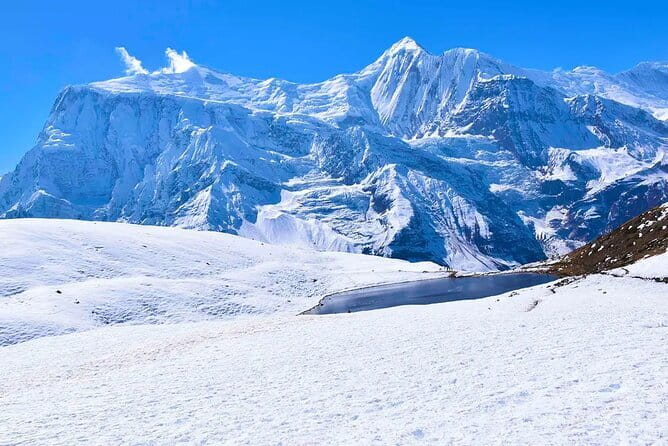
- Thorong La at 5,416m is the clear highlight, with a start-early push and big 360-degree views
- Manang acclimatization day gives you breathing room near higher elevations
- Tea house accommodations + included meals keep the rhythm simple for a 13-day trek
- Permits and TIMS included means you’re not scrambling at the last minute
- Guide support with an oximeter adds real peace of mind at altitude
A lodge-based Annapurna Circuit that actually stays manageable
The Annapurna Circuit is famous for one reason: it keeps changing under your feet. One day you’re walking through lower valleys and village paths; the next you’re dealing with thin air and sharper views. This version is lodge-based, meaning you’re sleeping in tea houses instead of camping, which makes a huge difference if you want the experience without the gear burden.
What I find valuable here is the structure. The trek crosses the highest pass of the region, Thorong La, but you’re not thrown into the deep end. The route builds gradually and includes a dedicated acclimatization day near Manang—exactly what you want before the pass.
You can also read our reviews of more hiking tours in Kathmandu
Day 1 to Day 4: settling in, then finding your trekking legs
You start with a long travel day out of Kathmandu. There’s a scenic drive from Kathmandu toward the lower foothills near Bulbule (820m), and then you end up at Besisahar. It’s a good warm-up in the sense that you get Nepal in your eyes—terraced fields, small villages, and early Himalayan glimpses—without yet needing to be “toughing it out” on a steep climb.
Day 2 shifts into the walking rhythm: from the area of Bulbule toward Bahundanda. You’ll pass through charming villages and terraced farmland while the trail gains elevation slowly. This is the kind of day that helps you learn your pace early. If you start too fast on Day 1 and Day 2, Thorong La will feel mean later.
Day 3 brings forest walking and suspension bridges, plus a lot of river country. The route descends to Chamche and you’ll get views over the Marsyangdi River and its tributaries. Bridges make a trek feel more “alive” because you’re constantly changing perspective, not just watching the horizon.
Day 4 heads toward Dharapani. You pass Gurung and Manangi villages, which is where the trek starts to feel culturally grounded, not only scenic. The terrain also shifts as you gain altitude, moving from subtropical into more alpine conditions—an important transition that tends to happen gradually on a good trek, not all at once.
Day 5 to Day 6: Chame and Lower Pisang, where the Annapurnas get louder
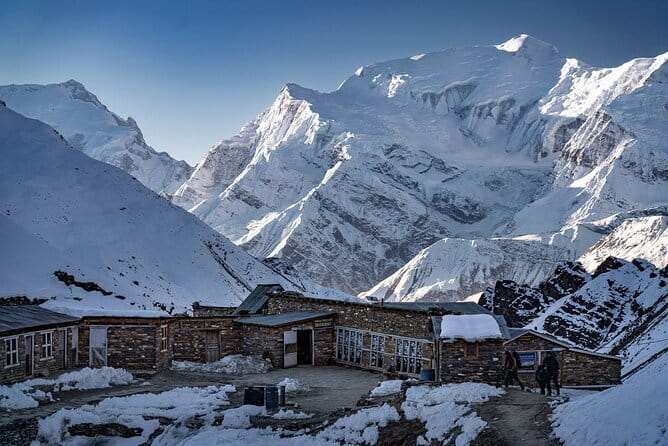
Day 5 takes you to Chame, the administrative center of the Manang District. This is one of those days where you feel the mountains getting closer, and the views do actual work: you’ll see Lamjung Himal and Annapurna II as you climb. Chame also gives you a real “place” to rest—useful when you’re building energy for the higher stretch later.
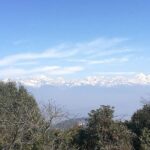
Day 6 continues toward Lower Pisang. You move through pine forests and small villages, and the mountain lineup sharpens: Annapurna II, III, and IV become more spectacular as you approach Pisang. I like days like this because they reward consistent effort. You’re not just going up; you’re also learning what you’re looking at.
Day 7 to Day 8: Manang acclimatization, plus a choice of hikes
Day 7 brings you to Manang, a larger village with a traditional Tibetan feel and Buddhist monasteries. This is more than a checkbox stop. In practice, it gives you a change of pace: the trek is serious, and Manang is where you can feel the culture and slow down without quitting.
Then Day 8 is the acclimatization day. You can explore the surroundings with options like hiking to Gangapurna Lake or taking a short trek to Praken Monastery for panoramic views of Gangapurna, Annapurna III, and Himalchuli. I like having choices on an acclimatization day because it lets you match the hike to how you feel that morning. If you’re feeling good, you can push a little. If you’re not, you still get meaning without forcing it.
This is also the day where your body learns the plan. When you reach Thorong La later, you’ll appreciate that you weren’t rushed through the highest elevations without preparation.
Day 9 to Day 10: Yakkharka and Thorong Phedi set the stage
On Day 9, you trek toward Yakkharka through sparse forests and high-altitude terrain. As you approach Yakkharka, the views of Annapurna II and Gangapurna stand out. Nights in higher zones can be a little more demanding than lower ones, so it helps that this trek doesn’t spike elevation on you without warning.
Day 10 goes to Thorong Phedi, the base camp area for Thorong La Pass. The trail gets steeper as you move into higher altitudes, and that’s the point: this is your final staging zone before the pass. I’d treat this day like a gear-check for your mindset. You’re not trying to conquer the whole mountain today—you’re getting ready.
One practical plus: your plan includes guide support, and your group has a licensed guide plus an oximeter in the first-aid kit. That’s the difference between hoping you’re okay and having a tool to monitor how things are going.
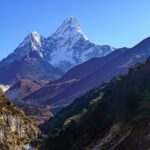
Day 11: Thorong La Pass at 5,416m, with 360-degree payoff
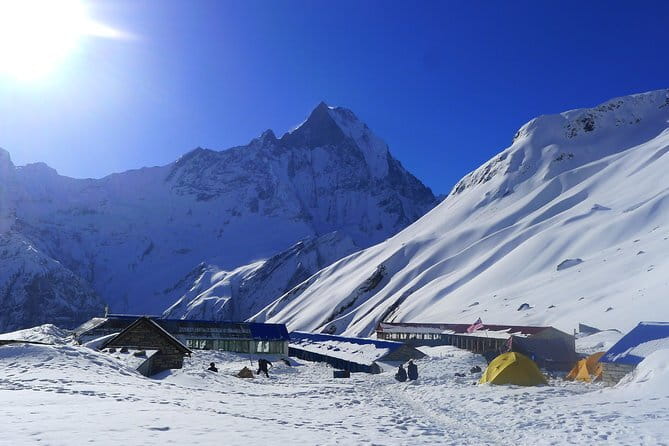
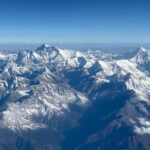
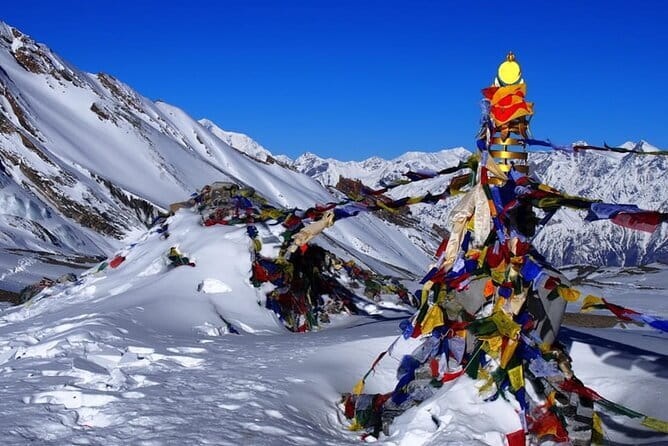
Day 11 is the big one. You start early to tackle Thorong La Pass at 5,416m, and the climb is demanding. The main reason people remember this day isn’t only the number—it’s the view. From the top, you get 360-degree panoramas of the Himalayas, which is exactly the kind of reward that makes the hard part feel worth it.
For this day, I’d focus on two things: pacing and patience. Starting early matters because it gives you time and reduces pressure if your body needs slower steps. And if you feel altitude effects, you’ll be glad the trek includes acclimatization earlier in the route and that you have a guide to steer decisions on timing.
Day 12 and Day 13: drive to Pokhara and the end-of-trek reset
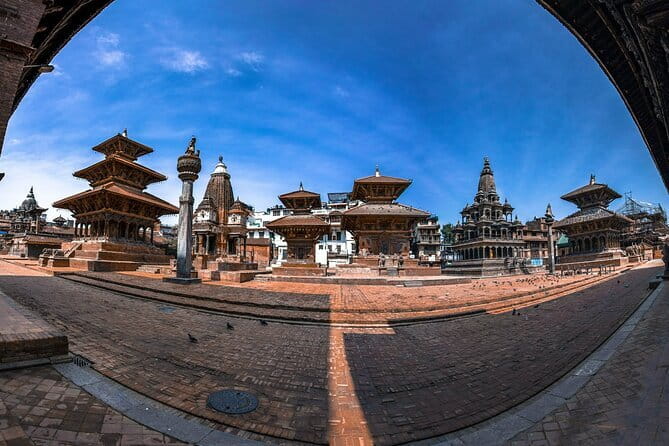
After the successful pass, Day 12 shifts gears. You drive to Pokhara by bus, and there’s a dinner with the team to mark the end of the trekking stretch. It’s a simple tradition, but it helps you land the experience instead of rushing out immediately.
Then Day 13 is your post-trek flexibility. You can head to further days in Pokhara, consider Chitwan National Park, or go back toward Kathmandu or elsewhere. If you’ve never spent time in Nepal beyond trekking, Pokhara is often where you can catch your breath and do something slower—just remember you’re responsible for extra hotels and activities beyond what’s included.
Price and value: what $809.10 covers (and what it doesn’t)
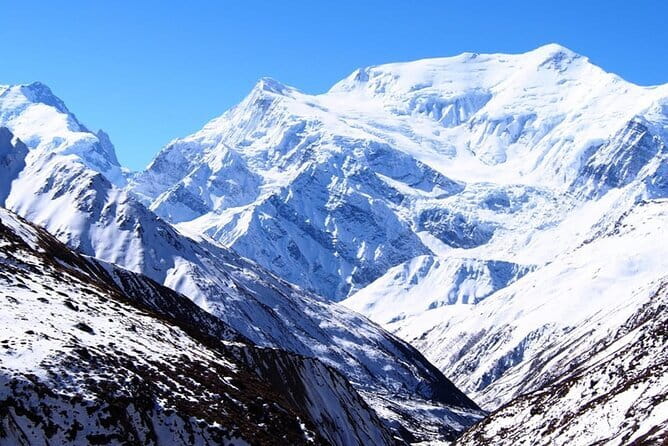
The price is listed at $809.10 per person, and what makes it feel fair is how many high-friction items are already included. You’re not just paying for walking days; you’re also covering guidance, key permits, and food.
Included items that matter for value:
- Guide support (licensed, experienced, helpful, and friendly) during the trek
- Tea house accommodations during the trekking days
- All standard meals (breakfast, lunch, dinner) during the trek, plus tea/coffee during breakfast time
- Annapurna Conservation Permits and TIMS Fee
- First aid box with an oximeter
- One night hotel in Pokhara with breakfast (standard twin sharing)
- Transportation logistics: public bus from Kathmandu to Besisahar, sharing transportation to Nyadi, plus private transport from the trek ending point to Pokhara
- Trekking route map
What you should budget for separately:
- Personal expenses
- Porter carrier for your baggage (not included)
- Extra hotel nights and activities in Kathmandu and Pokhara
- Transport back to Kathmandu
- Nepal entry visa fees (and visa application paperwork)
If you compare treks where you still have to piece permits, meals, and logistics together yourself, this package reduces your stress. You’ll still spend money on extras you choose, but the core is handled.
Guide support and tea house living: the small things that keep you moving
A trekking guide changes the experience in two ways: decisions and comfort. This trip includes a government-licensed guide who helps with food and accommodation details, and keeps the route moving as altitude changes. That matters most on days like Day 10 and Day 11, when you’re close to the highest point and you need your plan to feel solid.
You also get a steady rhythm with food. Meals are included for all trek days, and you get tea or coffee with breakfast. That sounds small until you’re tired and hungry and don’t want to keep negotiating what to eat and where.
Tea houses also keep your days realistic. Instead of thinking about camp setup, you’re planning your walk, arriving, eating, and resting. That’s the kind of setup that works especially well if you want the Annapurna Circuit without turning the trip into a gear-management project.
One more practical note: the trip is private in the sense that only your group participates. That can help the rhythm of the trek—no constant rearranging around strangers.
Packing your plan: fitness, pacing, and acclimatization behavior
This trek is labeled for moderate physical fitness. That’s honest, because Thorong La is described as the most challenging and rewarding day. You’re not doing a flat stroll, and the early start for the 5,416m crossing means you’ll want to be mentally ready for a long day.
The acclimatization day in Manang is not optional in spirit. If you treat it as a real rest-and-adjust day, Thorong La tends to feel more like an outcome of your work than a sudden shock. And on the steep lead-up to Thorong Phedi, slow steps are the right strategy.
Also keep in mind that some support tools are included. A first-aid kit with an oximeter is part of the package, which is useful if you’re checking how you’re doing at altitude.
Who should book this Annapurna Circuit trek
This is a strong match if you:
- Want a lodge-based Annapurna Circuit rather than camping
- Like the idea of an acclimatization day in Manang
- Prefer having a licensed guide handling key logistics like route mapping and permits
- Value included meals and straightforward trekking rhythm
It’s also a great fit for people whose trekking experience is limited. If you’ve never done a multi-day trek before, guided support can reduce the guesswork. The same is true if you’ve trekked before and want your planning workload kept low.
Should you book Blissful Himalayas for the 13-day Annapurna Circuit?
If your main goal is a guided, lodge-based Annapurna Circuit that lands you at Thorong La Pass with structured acclimatization, I think this package makes sense. The strongest value is the combination of included permits, meals, tea house lodging, guide support, and altitude tools like the oximeter—not just the scenic promise.
I’d book it if you’re comfortable with an early, demanding pass day and you’re honest about your fitness level. If you’re hoping for a light walk with minimal altitude pressure, you might want to reconsider, because Thorong La is the point of the whole trip.
FAQ
How many days is the Annapurna Circuit trek?
The trek runs for about 13 days, including the trekking days plus travel to and from the trek area, ending with a drive to Pokhara.
Is airport pickup included?
Yes. Pickup from the airport by private vehicle is included if required.
What kind of accommodation is used during the trek?
You’ll stay in tea houses during the trek. There is also one night hotel in Pokhara with breakfast (standard twin sharing).
Are meals included?
Yes. Breakfast, lunch, and dinner are included during the trek, and tea or coffee is provided during breakfast time.
Are permits and TIMS fees included?
Yes. The package includes Annapurna Conservation Permits fees and the TIMS Fee.
Is a porter included for baggage?
No. Porter carrier for your baggage is not included. If you need one, you’d arrange it separately.
What is the cancellation policy?
You can cancel for free up to 24 hours in advance of the experience start time for a full refund. Cancellations inside 24 hours are not refunded.